Navigating adult life insurance quotes requires comparing term versus permanent policies, understanding underwriting factors like age and health, and assessing coverage amounts based on financial obligations to secure optimal rates.
Securing life insurance as an adult is a foundational step in comprehensive financial planning, yet the process of gathering and evaluating quotes can often feel opaque. Whether you are transitioning into independent adulthood, starting a family, purchasing a home, or approaching retirement, understanding how life insurance quotes are generated empowers you to make informed decisions. Life insurance is designed to provide financial security to your beneficiaries—such as a spouse, children, or aging parents—in the event of your passing. However, the cost and availability of coverage vary significantly based on your age, health profile, lifestyle habits, and financial goals. This guide explores the mechanics of adult life insurance quotes, how to compare them effectively, and the actionable steps required to secure a policy that aligns with your long-term needs.
Understanding the Core Types of Adult Life Insurance Policies
Before requesting life insurance quotes, you must determine which category of insurance matches your financial objectives. Life insurance policies generally fall into two primary buckets: term life insurance and permanent life insurance. Each serves a distinct purpose and impacts pricing structures differently.
Term Life Insurance
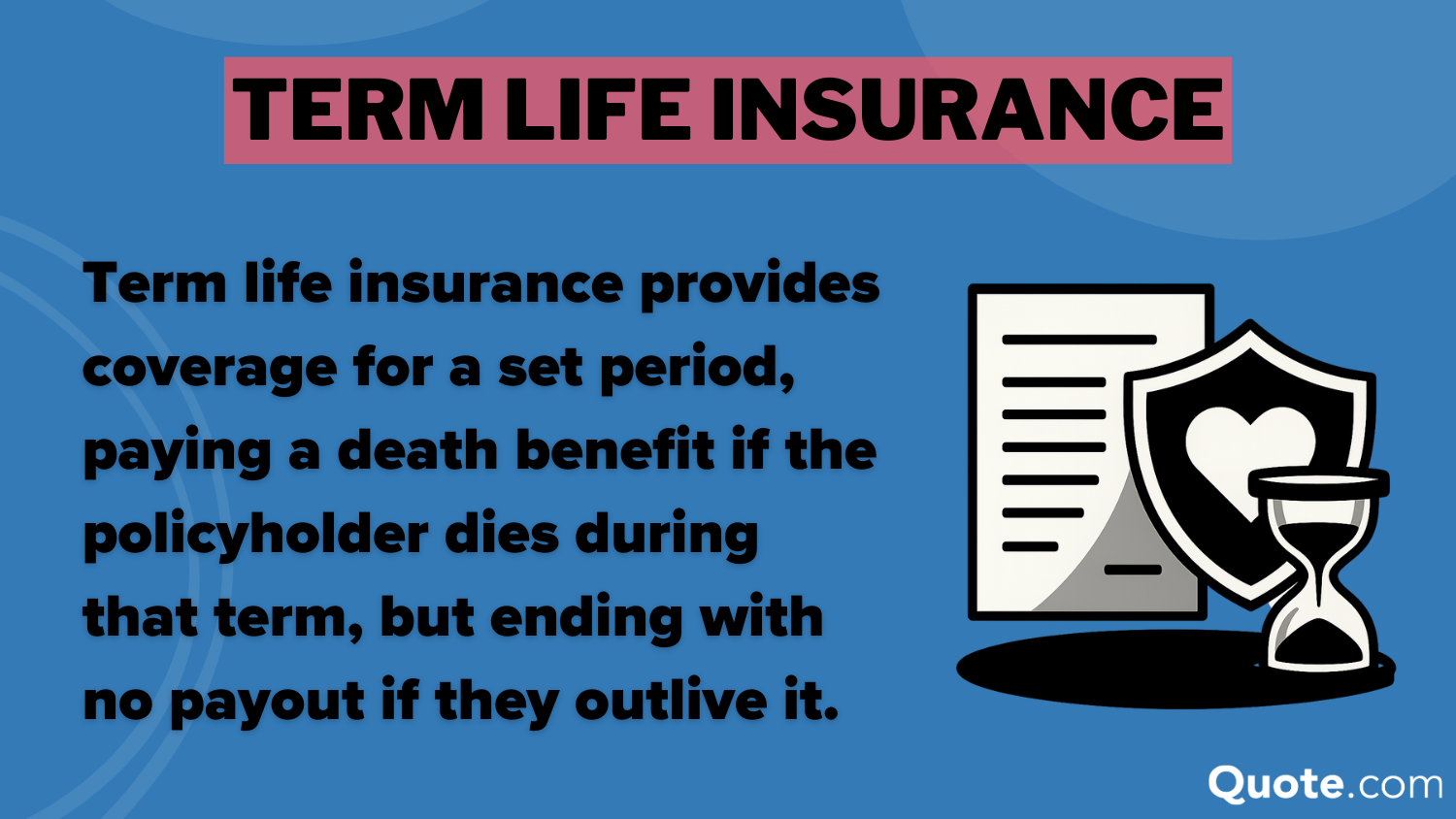
Term life insurance provides coverage for a specific period, or "term," typically ranging from 10 to 30 years. If the insured passes away during the active term, the policy pays a death benefit to the designated beneficiaries.
- Affordability: Term life insurance offers the highest amount of coverage for the lowest initial cost, making it the most popular choice for young adults and families with temporary financial obligations, such as a mortgage or children's education costs.
- Simplicity: The structure is straightforward. There is no cash value accumulation component; you pay a fixed premium for the duration of the term.
- Expiration: Once the term ends, the coverage typically expires or renews at a significantly higher annual rate based on your attained age.
Permanent Life Insurance
Permanent life insurance is designed to last your entire life, provided you continue to pay the required premiums. These policies include whole life and universal life insurance.
- Cash Value Component: A portion of your premium payments goes into a tax-advantaged cash value account that grows over time. You can borrow against or withdraw from this cash value during your lifetime.
- Higher Cost: Because permanent policies guarantee a payout (assuming premiums are maintained) and build cash value, their premiums are substantially higher—often 5 to 15 times more expensive than term policies for the same death benefit.
- Lifelong Protection: These policies are frequently utilized for estate planning, covering final expenses, or providing long-term financial support for dependents with special needs.
| Feature | Term Life Insurance | Permanent Life Insurance (Whole Life) |
|---|---|---|
| Duration | Fixed period (10, 20, 30 years) | Entire lifetime of the insured |
| Cost | Low, highly affordable | High, significantly more expensive |
| Cash Value | None | Yes, accumulates tax-deferred cash value |
| Primary Use | Income replacement, mortgage protection | Estate planning, lifelong final expense coverage |
| Renewability | Renewable at higher rates or convertible | N/A (remains active with continuous premium payments) |
Key Factors That Influence Adult Life Insurance Quotes
Insurance carriers evaluate a complex matrix of risk factors when calculating life insurance quotes. Understanding these variables allows you to anticipate how underwriters will view your application and why certain quotes may differ from initial estimates.
Age and Gender
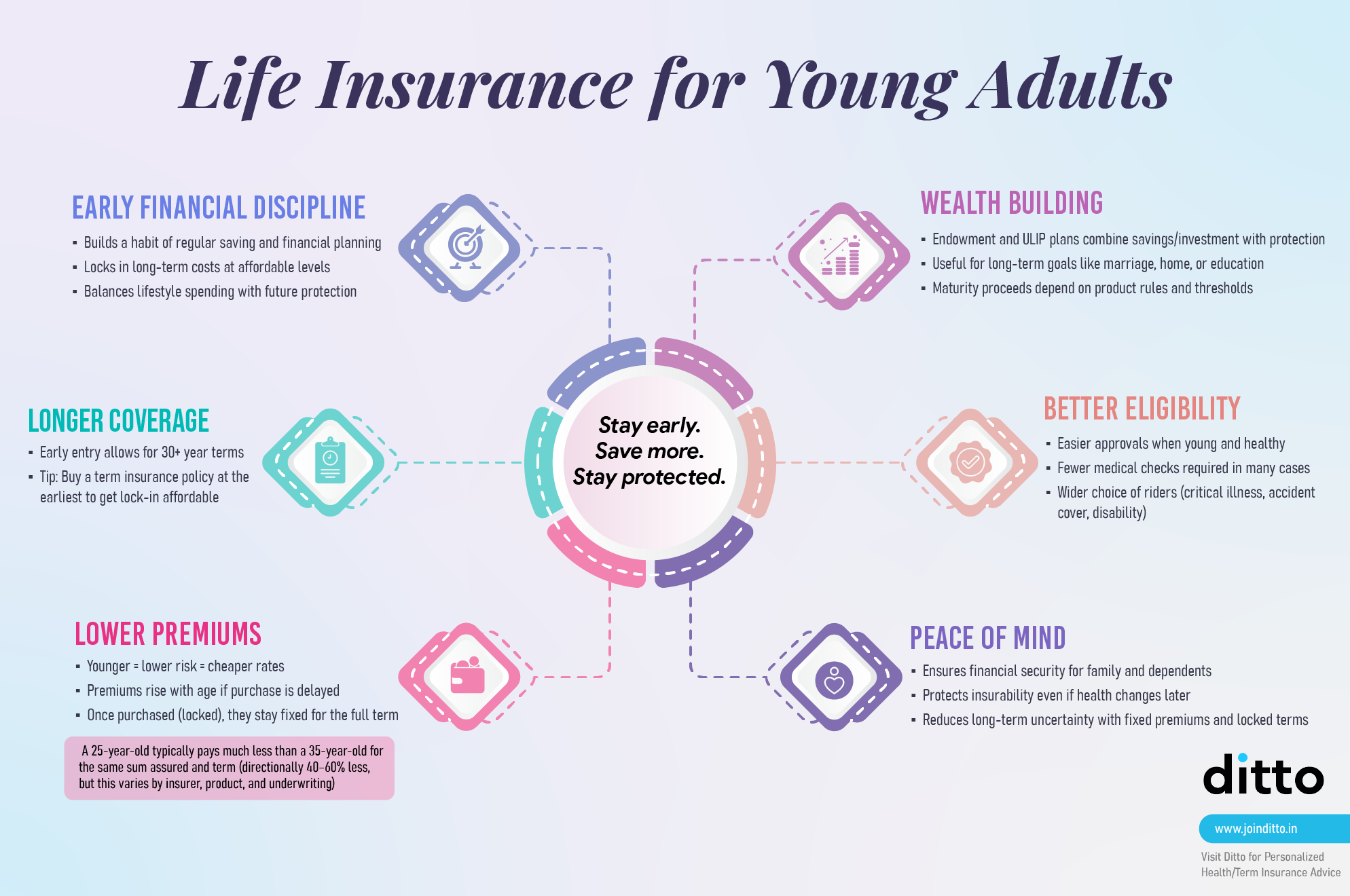
Age is the single most influential factor in determining life insurance premiums. As you age, your statistical mortality risk increases, resulting in higher insurance costs. Securing a policy earlier in life locks in a lower rate for the duration of a term. Additionally, women generally pay lower life insurance rates than men of the same age and health status due to longer statistical life expectancies.
Health and Medical History
Underwriters review your medical history thoroughly. When you request a quote, you will be asked preliminary health questions. Once you apply, the insurance company typically requires a medical exam (paramedical exam), which includes drawing blood and collecting a urine sample. Key health markers include:
- Blood pressure and cholesterol levels
- Body Mass Index (BMI)
- Family medical history regarding hereditary conditions such as heart disease or cancer
- Prescription drug history
Lifestyle and Occupational Risks
Your daily habits and career choices directly impact your risk classification. Underwriters evaluate:
- Tobacco Use: Smokers and vape users pay drastically higher rates—often double or triple non-smoker rates—due to associated health risks.
- Driving Record: Frequent speeding tickets, driving under the influence (DUI) convictions, or reckless driving can increase your quote or lead to a denial.
- Dangerous Hobbies: Engaging in high-risk activities like skydiving, scuba diving, rock climbing, or private aviation can result in premium surcharges.
- Hazardous Occupations: Certain professions involving high physical danger may affect underwriting outcomes.
Steps to Gather and Compare Accurate Quotes
Obtaining accurate life insurance quotes requires a methodical approach. Relying solely on online quote calculators can provide a baseline, but true pricing depends on verified underwriting data.
1. Calculate Your Coverage Needs
Before looking at quotes, determine how much coverage you actually need. A common guideline is the DIME method (Debt, Income, Mortgage, Education):
- Debt: Total non-mortgage debt (credit cards, auto loans, student loans).
- Income: Annual salary multiplied by the number of years your family would need financial support.
- Mortgage: The total balance remaining on your home loan.
- Education: Projected future college tuition costs for your children.
2. Gather Necessary Personal Information
To receive reliable preliminary quotes, you must be prepared to provide accurate information regarding your age, height, weight, tobacco use status, and basic medical history. Inaccurate disclosures will result in a "bait-and-switch" scenario where your formal underwriting offer differs wildly from the initial online quote.
3. Utilize Independent Insurance Brokers and Comparison Tools
You can source quotes through multiple channels:
- Captive Agents: Represent a single insurance company and can only offer products from that specific carrier.
- Independent Brokers: Work with dozens of different insurance companies, allowing them to shop the market and find policies tailored to your exact profile.
- Digital Insurance Marketplaces: Online platforms that generate multiple quotes simultaneously by pulling preliminary data from various carriers.
According to consumer guidance provided by the National Association of Insurance Commissioners (NAIC), comparing quotes from multiple independent carriers ensures you evaluate a broad spectrum of pricing and policy structures before committing to a formal application.
Common Mistakes to Avoid When Shopping for Quotes
Navigating the life insurance market involves potential missteps that can lead to higher costs or inadequate coverage. Recognizing these pitfalls protects your financial interests.
- Waiting Too Long to Apply: Procrastinating is the most costly mistake in life insurance. Because rates increase with every birthday, locking in a policy today is almost always cheaper than waiting a few years.
- Underestimating Coverage Amounts: Buying a policy with a meager death benefit just to hit a low monthly price point defeats the purpose of income replacement. Ensure the payout matches your dependents' actual financial runway.
- Failing to Disclose Medical History: Omitting pre-existing conditions or tobacco usage on an application constitutes material misrepresentation. If discovered during the medical review or within the contestability period after policy issuance, the insurer can deny a claim or cancel the policy entirely.
- Focusing Solely on Price: While affordability matters, the financial strength rating of the insurance carrier (evaluated by agencies like AM Best) is equally crucial to ensure the company will be solvent decades down the road to pay out the death benefit.
Frequently Asked Questions
What is the average cost of adult life insurance?
The cost of adult life insurance varies extensively based on age, health, and policy type. A healthy 30-year-old might secure a $500,000 20-year term policy for $20 to $30 per month. Conversely, a 50-year-old with minor health conditions seeking the same term coverage could pay upwards of $80 to $150 per month, while permanent whole life policies for adults will be substantially higher.
Do I always need a medical exam to get a life insurance quote?
Not necessarily. While traditional fully underwritten policies require a medical exam, many modern carriers offer accelerated underwriting or "no-exam" life insurance policies. These programs use electronic databases—such as prescription history, motor vehicle reports, and medical data bureaus—to approve coverage quickly without requiring bodily fluids or an in-person nurse visit, though rates may occasionally be slightly higher.
Can I change my term life insurance policy into permanent coverage later?
Many term life insurance policies include a "conversion rider." This contractual feature allows you to convert all or part of your term policy into a permanent life insurance policy (such as whole life) without undergoing a new medical exam or proving insurability, making it a flexible option if your financial needs evolve over time.
What happens if I stop paying my life insurance premiums?
If you stop paying premiums on a term life insurance policy, the policy enters a grace period (typically 31 days). If payment is not made within that window, the policy lapses, and all coverage ceases with no refund of premiums paid. For permanent policies, the accumulated cash value may sometimes be automatically utilized to pay premiums via non-forfeiture options, but eventually, the policy will lapse if insufficient funds remain.
Are life insurance payouts taxable to my beneficiaries?
Generally, life insurance death benefits paid to a designated individual beneficiary are income tax-free. However, if the policy is owned by a business, or if the estate is named as the beneficiary instead of an individual, estate taxes or other legal complications may apply depending on the total net worth of the deceased.
Next Actions for Securing Your Policy
Begin by calculating your financial obligations using the DIME formula to establish your target death benefit amount. Next, consult an independent insurance broker or reputable online comparison tool to gather at least three distinct quotes from highly rated insurance carriers. Review the underwriting guidelines of each provider, submit your formal application, and complete any required medical evaluations to lock in your official rate.