Adding decreasing life insurance to a mortgage is a strategic financial decision designed to provide a debt-free transition for your beneficiaries. By aligning the policy's declining death benefit with your mortgage's shrinking balance, you ensure that the cost of coverage remains efficient while providing a targeted safety net that covers your primary housing debt should you pass away prematurely.
Understanding Decreasing Life Insurance
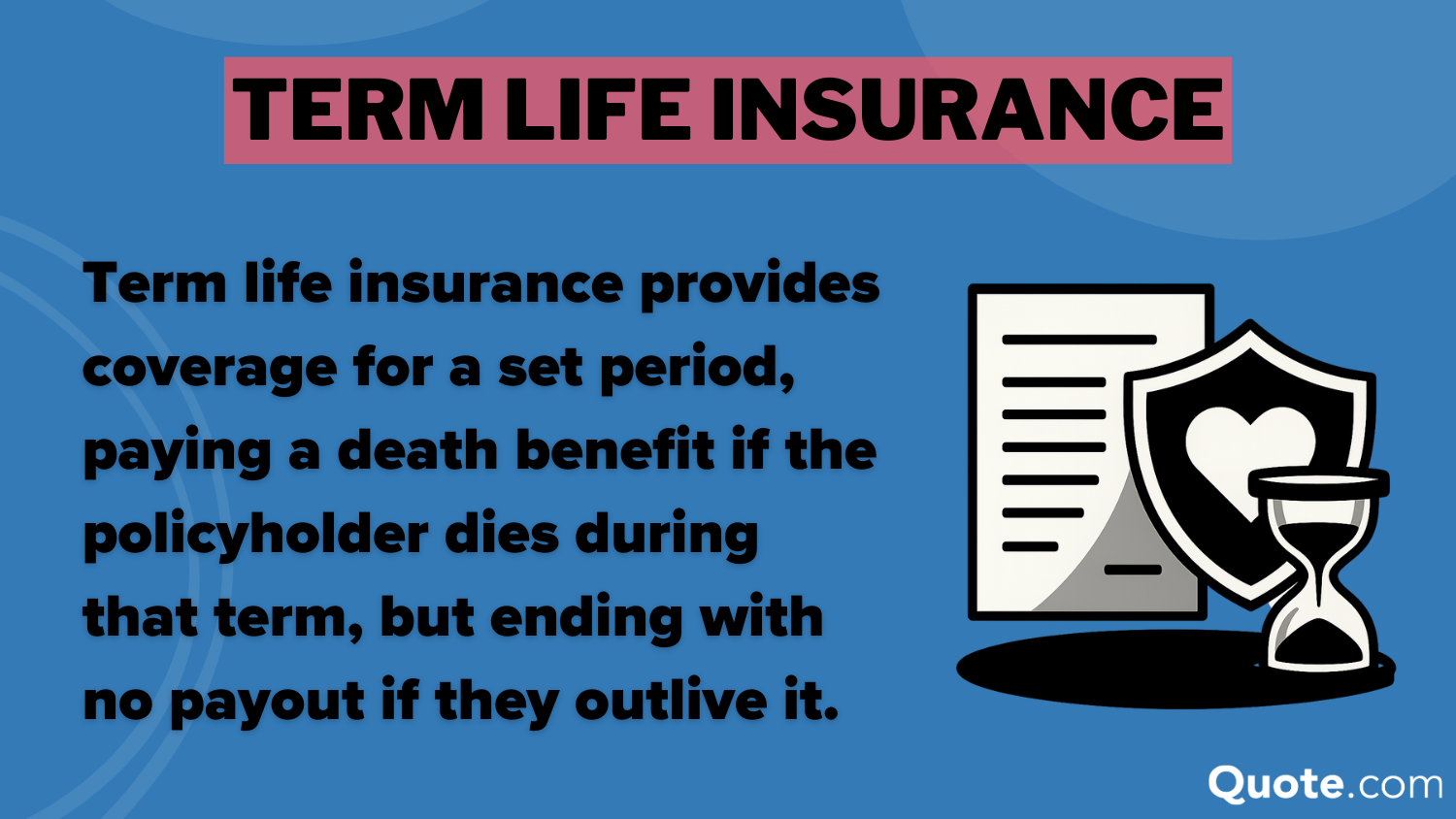
Decreasing life insurance is a specialized form of term life insurance. Unlike level-term policies, where the death benefit remains constant throughout the life of the agreement, a decreasing term policy is engineered to reduce over time according to a predetermined schedule. In the context of a mortgage, this schedule typically mirrors the amortization schedule of a repayment mortgage.
The core intent is simple: as you pay down your mortgage principal over the years, your exposure to debt decreases. Consequently, you do not need as much insurance coverage in year 20 as you did in year one. Because the risk to the insurer decreases over the policy term, these policies are generally more affordable than level-term alternatives, making them a popular choice for homeowners who want to ensure their family can pay off the property in full, without necessarily leaving behind a substantial additional lump sum.
How the Mechanism Works
When you add decreasing life insurance to your mortgage, the policy is essentially linked to the outstanding balance of your home loan. If you have a capital-and-interest repayment mortgage, the debt decreases steadily. The insurance provider structures the policy so that the payout amount decreases in alignment with the remaining balance of your loan.
- Policy Setup: You provide the lender or insurer with your mortgage term, interest rate, and initial loan amount.
- Alignment: The insurer calculates the rate at which your coverage will decline to ensure it roughly tracks the projected mortgage balance.
- Execution: If you pass away during the policy term, the payout is intended to settle the remaining mortgage balance.
- Termination: If you survive until the end of the mortgage term, the policy usually expires with a death benefit of zero.
It is important to note that if you have a variable-rate mortgage, the insurance coverage may occasionally fall out of sync with your actual debt. This is why many financial advisors recommend a small buffer or selecting a policy that offers some flexibility in how the sum assured is calculated.
The Role of Financial Planning and Protection
For most homeowners, the mortgage is the largest debt they will ever carry. Protecting this asset is a primary tenet of sound financial planning. If you are the primary earner, your death would remove the income stream used to service the mortgage. Without a protection plan, your family might be forced to sell the home during a period of emotional distress.
Adding decreasing life insurance serves as a dedicated "mortgage protection plan." It acts as a bridge, ensuring the roof over your family’s heads remains secure regardless of life’s unforeseen events. This is particularly critical for young families or those who have recently upsized their homes and are at the peak of their debt-to-income ratio.
Comparison of Mortgage Protection Options
When deciding how to structure your coverage, it is helpful to weigh decreasing term insurance against other common methods.
| Feature | Decreasing Term Insurance | Level Term Insurance | Family Income Benefit |
|---|---|---|---|
| Payout Amount | Decreases over time | Remains constant | Paid as a monthly income |
| Primary Goal | Pay off specific debt | Lump sum for beneficiaries | Replace lost income |
| Cost | Generally lowest | Moderate to high | Moderate |
| Suitability | Repayment mortgages | Interest-only/Family needs | Household expenses |
As indicated in the table, decreasing insurance is highly specialized. If you hold an interest-only mortgage, you should avoid decreasing insurance, as the balance of your loan does not reduce over time. In that scenario, level term insurance is a more appropriate choice.
Eligibility and Prerequisites
Before you can secure a policy, insurers will assess your risk profile. While criteria can vary by provider, the following prerequisites are standard:
- Age Limits: Most providers offer policies to applicants aged between 18 and 70, though this varies by the duration of the term requested.
- Health Disclosure: You will be required to complete a health questionnaire. Pre-existing conditions may lead to higher premiums or exclusions.
- Mortgage Verification: While not always strictly necessary, having your mortgage offer documents handy helps in setting the correct sum assured.
- Residency Status: Most UK and international insurers require you to be a legal resident or citizen of the country where the policy is issued.
The Application Process
The process of adding this protection to your mortgage is generally straightforward. You can apply directly through an insurance company, through a broker, or sometimes via your mortgage lender.
- Calculate the Need: Determine the term length (which should match your remaining mortgage years) and the total sum required.
- Shop the Market: Obtain quotes from multiple providers. Prices for the same coverage can vary significantly based on the insurer's underwriting guidelines.
- Underwriting: Submit your application. The insurer will assess your medical history and lifestyle. They may request a GP report if you have disclosed significant health issues.
- Policy Start: Once approved and the first premium is paid, your coverage begins. Ensure the policy start date aligns with your mortgage commencement if possible.
- Review: Re-evaluate your coverage every few years, especially if you move house, remortgage, or significantly alter your debt levels.
Common Mistakes to Avoid
Many homeowners make avoidable errors when setting up their mortgage protection. Avoiding these pitfalls can save significant financial headaches later.
- Underestimating the Term: Always match the insurance term to your mortgage term. If your mortgage is for 25 years and your insurance is for 20, you will be left with five years of debt exposure without coverage.
- Forgetting to Update: If you remortgage or take out further advances on your home, your decreasing term policy may no longer cover the full balance. Always review your protection whenever your mortgage terms change.
- Neglecting Medical Disclosure: Being dishonest about smoking status or health conditions can lead to a rejected claim at the time of death, rendering the entire policy useless for your loved ones.
- Ignoring Trusts: If you do not write your policy in trust, the payout might become part of your estate and could be subject to inheritance tax or probate delays, preventing immediate settlement of the mortgage.
Using Trusts to Protect the Payout
Placing your life insurance policy "in trust" is one of the most effective ways to manage the proceeds. When you put a policy in trust, you are essentially nominating beneficiaries (such as your partner or children) to receive the money directly.
This process bypasses the probate process, which can be time-consuming and costly. By bypassing probate, the funds are often available to the family much faster, allowing them to pay off the mortgage and secure the property title without waiting for the winding up of your wider estate. Most insurers provide standard trust forms free of charge during the application process; it is highly recommended to take advantage of this.
When to Seek Professional Advice
While many people purchase these policies online, there are situations where professional advice is invaluable. If you have complex health requirements, own a business, have significant other assets, or are unsure how to coordinate your protection with your estate planning, speaking with a qualified financial advisor is recommended.
A professional advisor can help you assess your total debt, determine the exact amount of coverage needed, and ensure the policy is correctly structured (e.g., written in trust) to meet your family's long-term objectives.
Frequently Asked Questions
Does decreasing life insurance cover interest rate increases? Typically, no. The sum assured is based on the initial balance and a set interest rate assumption. If your mortgage interest rate is significantly higher than the assumption used by the insurer, the payout might not fully cover the balance. Always ensure the interest rate assumption in your policy is equal to or higher than your mortgage rate.
What happens if I move house and take a new mortgage? If you move, you will likely need to cancel your current policy and take out a new one. Your previous policy was specifically linked to the term and balance of your old mortgage. A new property requires a new protection assessment to ensure the coverage matches the new debt.
Can I add this to an existing mortgage at any time? Yes. You do not have to purchase the insurance at the same time you take out your mortgage. You can add decreasing life insurance at any point during your mortgage term, provided you meet the insurer's medical and age eligibility requirements at the time of application.
Is the payout taxable? In many jurisdictions, life insurance payouts are generally free of income tax. However, if the payout becomes part of your estate because it was not written in trust, it could be subject to inheritance tax. Writing the policy in trust is the primary way to mitigate this risk.
What if I pay off my mortgage early? If you pay off your mortgage early, you no longer have a debt to protect. You can either maintain the policy as a smaller form of protection or cancel it. If you cancel, you will stop paying premiums but will no longer have coverage.
Next Actions for Homeowners
To proceed, start by reviewing your current mortgage statement. Identify your current outstanding balance, your remaining term, and your interest rate. Once you have this data, use a reputable online comparison tool to look at quotes from different providers. Before finalizing, verify whether your chosen provider offers the ability to write the policy in trust. If you are uncertain about the mathematical alignment of your mortgage and the policy, or if you have complex health history, consult with a licensed insurance broker who specializes in life protection.