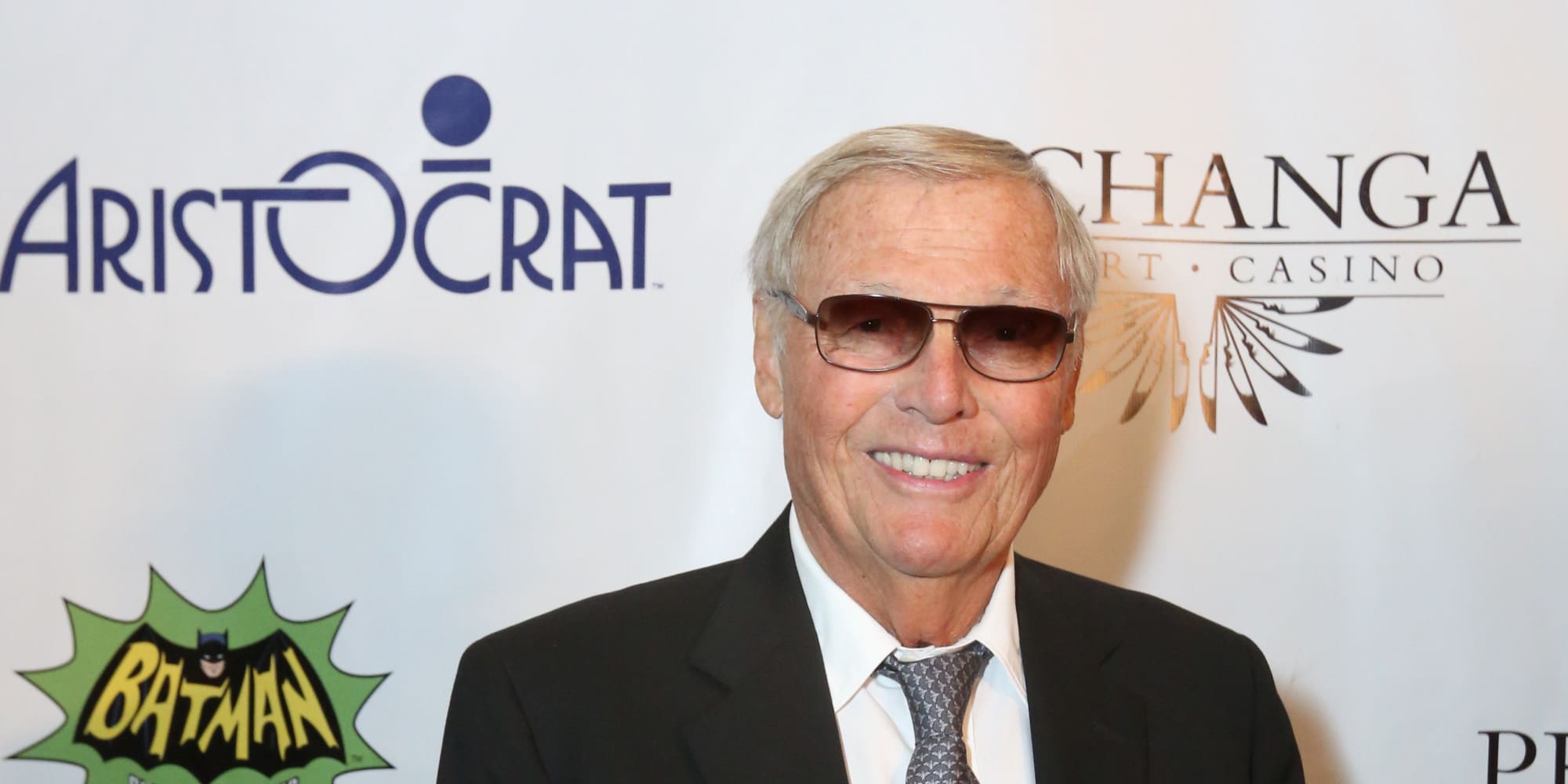
At the time of his passing on June 9, 2017, iconic American actor Adam West had an estimated net worth of $30 million. Although his compensation for playing Bruce Wayne in the 1960s television series Batman was modest by modern Hollywood standards, West built substantial wealth through late-career voice acting—most notably on Family Guy—alongside high-volume convention appearances, real estate holdings, and commercial licensing fees.
Summary of Adam West’s Financial Profile at Death
Adam West (born William West Anderson on September 19, 1928) achieved global fame during the 1960s as the star of ABC’s Batman. Despite facing severe typecasting after the show was canceled, West managed to execute one of the most successful financial resurgences in television history. By diversifying into animation, commercial voiceovers, personal appearance tours, and real estate, he secured an estate valued in the tens of millions.
| Financial & Personal Metric | Fact / Verified Estimate |
|---|---|
| Estimated Net Worth at Death (2017) | $30 Million |
| Date of Death | June 9, 2017 (Age 88) |
| Primary Sources of Income | Voiceover royalties (Family Guy), convention fees, television backend payments, real estate |
| Breakthrough Television Role | Batman (1966–1968) |
| Late-Career Signature Role | Mayor Adam West in Family Guy (2000–2017) |
| Primary Real Estate Assets | Private ranch in Ketchum/Sun Valley, Idaho; California properties |
| Primary Beneficiaries | Marcelle Tagand Lear (wife) and six children/stepchildren |
How Adam West Built His $30 Million Estate
Understanding Adam West's financial status at his death requires looking at how actor compensation evolved across six decades in show business. Unlike modern stars who earn backend points and streaming residuals early in their careers, West had to continuously adapt his business strategy to convert early fame into long-term net worth.
1. The 1960s Batman Era: High Fame, Standard Pay
When 20th Century Fox Television and ABC launched Batman in January 1966, the show became an immediate pop culture phenomenon. Airing twice a week at its peak, the series transformed West into an international superstar. However, the standard studio contracts of the mid-1960s did not reflect the colossal revenue the series generated.
- Per-Episode Salary: West earned approximately $2,000 per episode during the initial run of Batman. While this was a comfortable salary for television actors in 1966, it was nowhere near the modern era's top TV salaries.
- Lack of Early Residual Rights: Under the Screen Actors Guild (SAG) agreements of the 1960s, actors received limited residual payouts for syndication reruns. Producers and network executives captured the vast majority of backend profits when Batman entered global syndication.
- Merchandising & Image Rights: Early licensing agreements for action figures, lunchboxes, and costumes did not pay actors generous royalty rates. It was only through later renegotiations and legal settlements involving image rights that West began receiving royalties for retro Batman merchandise released in the 1990s and 2000s.
Despite the limited direct financial yield from the original TV broadcast, the role established West as an indelible pop culture icon—an asset he ultimately monetized late in life.
2. The Post-Batman Financial Slump (1970s–1980s)
Following the cancellation of Batman in 1968, West suffered from severe typecasting. Hollywood casting directors struggled to see him as anyone other than the Caped Crusader, leading to a decade-long drop in high-paying acting roles.
During the 1970s and 1980s, West maintained steady cash flow by accepting diverse work:
- Guest Television Roles: Appearances on series such as Laverne & Shirley, Fantasy Island, The Love Boat, and Bewitched.
- B-Movies and European Cinema: Roles in low-budget feature films, including spaghetti westerns and independent thrillers.
- Live Personal Appearances: West accepted gigs doing live stunt shows and personal appearances at county fairs, car shows, and shopping centers—often appearing in costume as Batman to support his family.
While this period was financially challenging compared to his 1960s peak, West maintained fiscal discipline, avoided major financial collapses, and laid the groundwork for his second act.
3. The Animation Renaissance and Family Guy
The defining financial turnaround of West’s later life came around the turn of the century, when a new generation of writers and directors who grew up watching Batman began casting him in self-referential, comedic roles.
In 2000, animator Seth MacFarlane cast West in Fox's animated hit Family Guy as Mayor Adam West, a wildly eccentric, fictionalized version of himself.
[1966–1968] Batman Peak ➔ [1970s–1980s] Typecasting / Slump ➔ [2000–2017] Family Guy Renaissance & Fan Conventions
- Long-Term Cash Flow: West voiced Mayor Adam West for over 110 episodes spanning 17 seasons before his death. Prime-time network voice acting on an established hit series pays top-tier rates, often yielding tens of thousands of dollars per episode for veteran cast members.
- Syndication and Streaming Residuals: Unlike his 1960s television contract, West’s SAG-AFTRA contract for Family Guy guaranteed strong long-term residual payments for global syndication, DVD sales, and streaming distribution platforms.
- Additional Voice Work: The success of Family Guy sparked a high demand for West's voice talent across the industry. He landed recurring roles and guest spots in The Fairly OddParents, The Simpsons, Disney's Jake and the Never Land Pirates, Meet the Robinsons (2007), and animated DC projects like Batman: Return of the Caped Crusaders (2016).
This multi-decade voice career provided the primary engine that pushed his personal net worth toward $30 million.
4. The Convention Circuit and Personal Branding
Adam West was an early pioneer of the comic convention ecosystem. Long before mainstream actors routinely attended fan conventions, West recognized the financial potential of connecting directly with fans at Comic-Con International in San Diego, Dragon Con, and fan expos around the world.
- Appearance Fees: Promoters routinely paid top-tier heritage stars flat appearance fees ranging from $20,000 to over $50,000 per weekend just to attend.
- Autograph and Photo Sales: At comic conventions, celebrity autograph and photo-op sessions generate substantial immediate cash revenue. Fans paid between $50 and $100+ per autograph or photo with the veteran actor, generating tens of thousands of dollars in profit over a single weekend.
- Commercial Endorsements: West leveraged his self-deprecating persona for television commercials, lending his voice and likeness to national campaigns for brands such as Nestlé Nesquik, Doritos, Hanes, and LendingTree.
Real Estate Holdings and Personal Assets
A critical component of West’s financial stability was his investment in real estate and a modest, low-profile lifestyle far removed from expensive Hollywood trends.
The Idaho Estate
For decades, West made his primary home in Ketchum, Idaho (near the Sun Valley ski resort). Seeking a quiet lifestyle away from Los Angeles, he purchased real estate in the Wood River Valley during the 1980s.
- Property Value: Over the decades, Sun Valley real estate experienced massive appreciation. West's private ranch and surrounding property in Idaho grew significantly in value, constituting a multi-million-dollar portion of his total overall estate.
- Lifestyle Efficiency: By residing primarily in Idaho rather than maintaining a high-overhead lifestyle in Beverly Hills, West reduced his annual cost of living, allowing him to reinvest his voice acting earnings into conservative financial instruments and real property.
California Properties
In addition to his primary residence in Idaho, West maintained residential property in Southern California to accommodate his frequent recording schedules for Family Guy and guest TV appearances in Los Angeles.
Estate Planning and Posthumous Revenue Streams
Adam West died of leukemia on June 9, 2017, in Los Angeles, California, at age 88. He was survived by his wife of 37 years, Marcelle Tagand Lear, four biological children, two stepchildren, and several grandchildren.
Distribution to Beneficiaries
West’s estate was structured using standard estate-planning trusts to protect his assets, maintain family privacy, and avoid lengthy probate proceedings. The primary beneficiary of his liquid wealth, real estate holdings, and intellectual property residuals was his wife, Marcelle, alongside trusts established for his children.
Ongoing Posthumous Residuals
Because of modern labor agreements managed by SAG-AFTRA, West’s estate continues to receive steady royalty streams:
- Reruns of Family Guy: Cable syndication and international broadcast of episodes featuring Mayor Adam West generate ongoing residuals.
- Streaming Video-on-Demand (SVOD): Platforms streaming Family Guy, Batman, and his various animated movies pay residuals to his estate whenever contracts renew or view totals hit contractual triggers.
- Merchandising: DC Comics, Warner Bros., and collectibles manufacturers continue to release high-end statues, figures, and home video box sets utilizing West’s iconic 1966 Batman likeness under licensed estate agreements.
Strategic Financial Lessons from Adam West’s Career
Adam West’s ability to amass a $30 million fortune despite severe mid-career challenges offers clear lessons in career longevity and wealth management:
- Embrace Self-Reinvention: Rather than fighting his typecasting as a campy superhero, West leaned into it, reinventing himself as a comedic voice actor who appealed to younger generations.
- Diversify Revenue Channels: West didn't rely on acting alone. He combined television work, voice talent contracts, commercial endorsements, fan convention appearances, and real estate.
- Capitalize on Direct-to-Consumer Engagement: Long before social media monetize-your-brand models existed, West understood the financial power of the fan convention circuit, converting fan loyalty into steady income.
- Maintain Fiscal Discipline: By relocating to Idaho during financial lulls, West minimized living costs and avoided the debt cycles common among entertainment figures experiencing career transitions.
Frequently Asked Questions
What was Adam West's net worth when he died?
Adam West had an estimated net worth of $30 million at the time of his death on June 9, 2017.
Did Adam West get rich from playing Batman in the 1960s?
No. While playing Batman made him world-famous, television compensation in the mid-1960s was modest compared to today. West was paid around $2,000 per episode and did not hold major syndication backend rights under his initial contract. The majority of his wealth was earned much later in life.
How much did Adam West make from Family Guy?
While exact individual episode salaries are kept private in studio contracts, veteran main cast voice actors on prime-time animated network shows generally earn tens of thousands of dollars per episode. Over 17 seasons and more than 110 episodes, plus ongoing global syndication residuals, Family Guy was the largest single financial driver of West's later net worth.
Who inherited Adam West's estate?
Adam West’s estate was left primarily to his wife, Marcelle Tagand Lear, to whom he was married from 1970 until his death in 2017, along with financial provisions structured through family trusts for his children and stepchildren.
How did fan conventions contribute to Adam West's wealth?
Fan conventions provided a steady, high-margin revenue stream. Promoters paid West substantial appearance fees (often tens of thousands of dollars per weekend), supplemented by direct cash earnings from fan autographs and photo opportunities.
Practical Takeaway for Estate and Brand Value Analysis
Adam West’s career demonstrates that an actor's early signature role can serve as long-term brand equity, even if initial contract terms were unfavorable. By leveraging self-referential comedy, securing modern SAG-AFTRA residual structures through voice acting, and investing in appreciating real estate, West successfully converted mid-century fame into a durable $30 million estate. Fans and financial analysts looking at legacy entertainment careers can evaluate an artist's long-term financial health by analyzing their residual agreements, secondary market engagements (such as conventions), and real estate preservation strategies.