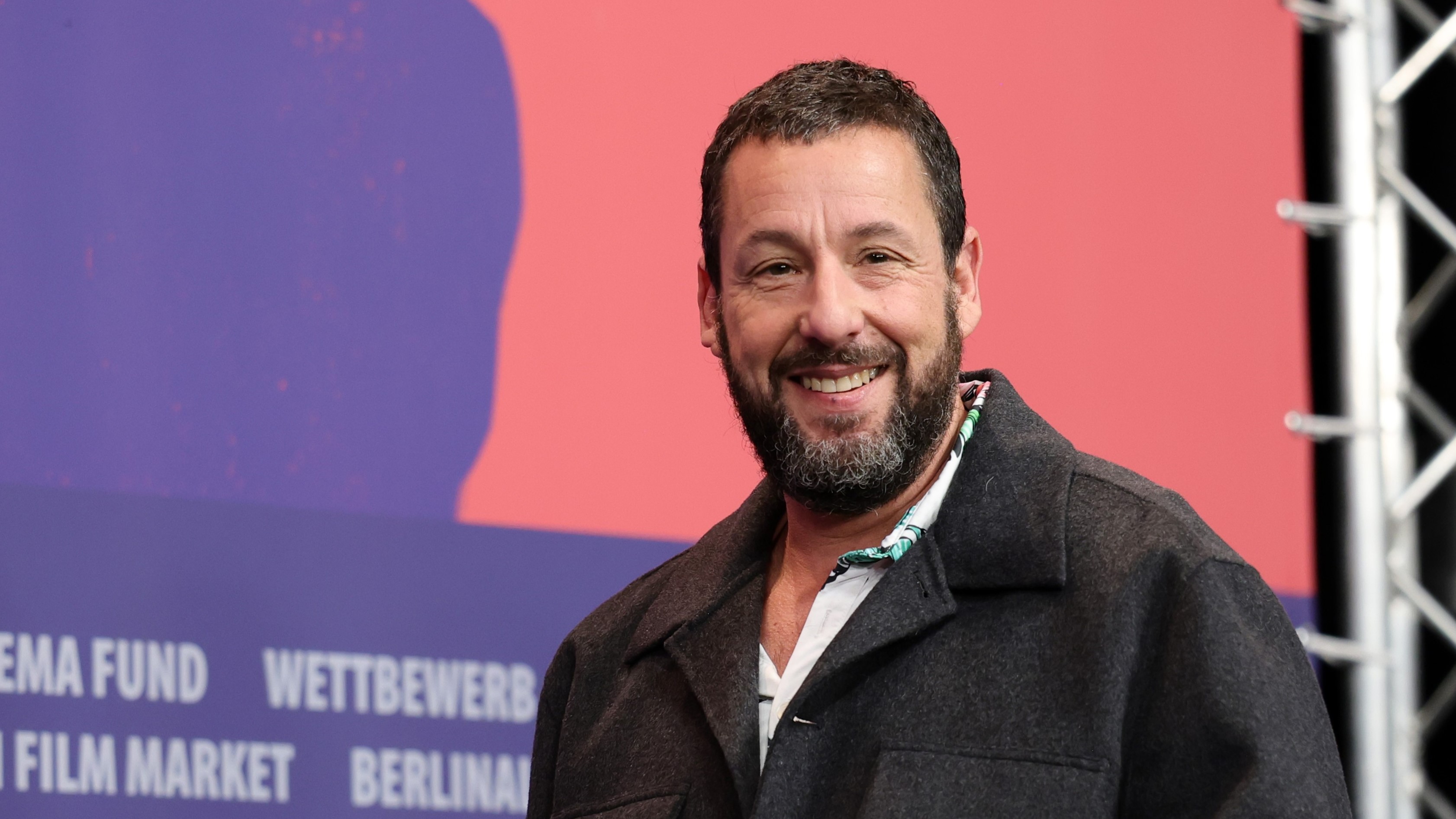
Adam Sandler’s position as one of the highest-paid actors in Hollywood, particularly when measured against annual earnings reported by industry analysts, represents a paradigm shift in the entertainment business. While traditional box office success was the primary metric for celebrity wealth for decades, Sandler’s dominance in the 2020s highlights the immense financial muscle of subscription-based streaming platforms. His consistent ability to command massive contracts—specifically through his multi-picture deals with Netflix—places him at the pinnacle of industry earners, proving that in the modern era, audience retention is often more lucrative than theatrical ticket sales.
The Evolution of the Hollywood Paycheck
For most of the 20th century, an actor’s status as the "highest paid" was tethered to their ability to open a film in movie theaters globally. The compensation model was straightforward: a base salary supplemented by "back-end" points, where an actor would receive a percentage of a film’s gross profits once it reached a certain threshold of success. This system favored established A-list stars who could command massive marketing budgets and wide theatrical releases.
However, the rise of streaming video-on-demand (SVOD) platforms has fundamentally altered this landscape. Platforms like Netflix do not rely on opening-weekend box office numbers. Instead, they prioritize subscriber growth, churn reduction, and hours of content consumed. Because Adam Sandler’s films—ranging from Murder Mystery to Hustle—consistently rank among the most-watched content on Netflix globally, his value to the platform is not just per-film revenue, but long-term subscriber loyalty. His compensation is rarely a simple "per-movie" fee; it is often structured as a comprehensive "all-in" deal that treats him as a producer, creative force, and star simultaneously.
Decoding the Netflix Partnership
The cornerstone of Adam Sandler’s recent financial success is his ongoing partnership with Netflix, which began in 2014 and has been renewed multiple times. This strategic alliance allows Sandler’s production company, Happy Madison Productions, to develop, produce, and star in a high volume of projects.
Why the Model Works
- Direct-to-Consumer Distribution: By bypassing theatrical distributors, Sandler avoids the "middle-man" costs of physical distribution and international marketing campaigns that can erode a film's profitability.
- Creative Control and Efficiency: Happy Madison operates with a high degree of creative autonomy, allowing for faster production cycles. This agility enables Sandler to release projects that appeal to a broad, international demographic, keeping his name and his brand in front of millions of households annually.
- Cross-Generational Appeal: Sandler’s career spans over three decades, meaning he has a multi-generational fan base. His ability to pivot between slapstick comedies, high-concept mysteries, and gritty dramas ensures that he remains relevant to both younger demographics and legacy fans.
Comparative Earnings: Traditional vs. Streaming Power
To understand how Sandler consistently ranks near the top of annual earnings lists, one must compare his fiscal strategy against the traditional "blockbuster" star.
| Metric | Traditional Blockbuster Star | Streaming-First Star (e.g., Adam Sandler) |
|---|---|---|
| Primary Revenue | Box Office Percentage | Multi-year Production Deal |
| Release Window | Limited Theatrical Exclusive | Immediate Global SVOD Access |
| Performance Metric | Ticket Sales / ROI | Watch-time / Subscriber Retention |
| Risk Profile | High: Dependent on Opening Weekend | Low: Guaranteed Platform Distribution |
| Long-term Value | Fluctuates with film performance | Cumulative through platform saturation |
As shown in the table, the traditional star carries high risk. If a film fails at the box office, their personal brand—and future earning potential—can suffer. Sandler, by contrast, operates with the security of a platform that needs his content to keep users paying their monthly subscription fees. This creates a recurring revenue model for the actor that few others in the industry can replicate.
The Role of Happy Madison Productions
One cannot discuss Sandler’s earnings without acknowledging Happy Madison Productions. By owning his production company, Sandler is not just collecting an acting salary; he is capturing the producer’s fee, the executive producer’s fee, and the backend rights associated with the content produced.
This vertical integration is a masterclass in modern entertainment management. By producing his own content, Sandler mitigates the risk of being "cast out" of Hollywood. He creates a ecosystem where he is the primary stakeholder. When a film like Hubie Halloween is released, Sandler is not merely a hire; he is the architect of the project from conception to distribution. This increases the total contract value significantly compared to actors who work strictly as on-screen talent for hire.
Market Saturation and Global Reach
A significant factor in Sandler’s high earnings is his international appeal. Streaming platforms provide a global reach that was difficult for traditional Hollywood studios to achieve without massive, localized marketing spends. Sandler’s particular brand of humor—often relying on physical comedy, recognizable tropes, and ensemble casts—translates remarkably well across various languages and cultures.
When Netflix reports its quarterly earnings, the performance of top-tier content is a key indicator of success. The data consistently shows that Sandler’s films attract not just casual viewers, but "super-viewers" who watch multiple titles. By providing a consistent stream of content, Sandler ensures that he remains one of the most valuable assets in the streaming ecosystem. This "stickiness" of his content justifies the massive compensation packages that periodically lead financial outlets to name him among the highest-paid actors in the world.
Common Misconceptions About Hollywood Pay
When the public reads headlines about "the highest-paid actor," there is often confusion regarding how that money is sourced. It is important to distinguish between "salary," "gross earnings," and "net worth."
- Salary vs. Deal Value: A headline stating an actor made $50 million often refers to the total value of a multi-year deal, not a single paycheck for one film.
- The Difference Between Cash and Value: Much of an actor’s earnings are tied up in corporate equity or production costs. For Sandler, his earnings include the budget allocated to his production company to hire writers, crew, and other actors, which eventually filters back to him through the company's profitability.
- Taxation and Overhead: Reported earnings are rarely take-home pay. After agent fees, management commissions, legal costs, and California’s high tax rates, the net income is significantly lower than the gross figures reported in celebrity wealth lists.
Strategic Longevity: The "Sandler Method"
Sandler’s career longevity is a testament to his ability to adapt. During the late 1990s and 2000s, he dominated the box office with hits like The Waterboy and Big Daddy. In the 2010s and 2020s, he transitioned seamlessly into a streaming titan. This adaptability is the primary reason he remains at the top of earnings lists.
He rarely suffers the "mid-career slump" that impacts many actors because he controls the pipeline of his own work. If he wants to pivot to a more dramatic role, he can produce it through his company for a streamer that is looking for critical acclaim to boost its prestige, as seen with his roles in Uncut Gems or Hustle. By balancing low-budget, high-turnover comedies with critically lauded drama, he creates a diversified portfolio of work that appeals to every facet of the Netflix subscriber base.
Challenges and Future Outlook
While Sandler’s financial position appears secure, the streaming industry is currently undergoing a period of correction. As platforms focus more on profitability and cost-cutting, the era of massive, "blank check" deals is facing new scrutiny.
- Contract Renegotiations: As Netflix and competitors move away from high-volume production in favor of "fewer, bigger, better" content, even the highest-paid stars will face tighter budgets and stricter performance metrics.
- Increased Competition: The landscape is no longer just Netflix. With Apple TV+, Amazon Prime, and Disney+ competing for the same viewer attention, the "highest-paid" title will likely fluctuate more rapidly between stars who can prove they drive exclusive sign-ups.
- The Shift Toward Ad-Supported Tiers: As streamers introduce ad-supported subscription tiers, the metrics for "success" will shift from raw watch hours to ad-inventory value. Sandler will need to ensure his content remains "brand-safe" and highly engaging to continue commanding top-tier salaries.
FAQ: Understanding Star Earnings
Is Adam Sandler still the highest-paid actor in 2026?
"Highest paid" lists vary by publication and methodology. While Sandler is consistently among the top earners due to his massive streaming deals, individual years often see fluctuations based on who had a massive theatrical hit with percentage-of-gross backend points. Sandler remains one of the most consistent earners rather than necessarily the singular #1 every year.
Does Adam Sandler’s production company income count as his "salary"?
Yes, in industry reporting, the earnings from his production company are typically attributed to him. Because he owns Happy Madison, the profits generated by the company are personal earnings, which explains why his reported income is often higher than that of traditional actors who only receive a salary.
Why do critics often dislike his films, yet he is paid so much?
His earnings are tied to metrics, not critical reviews. Streaming platforms track "completion rates" and "repeat views." Sandler’s films perform exceptionally well on these metrics, meaning they successfully keep subscribers on the platform. The platform pays for the results, not the critical consensus.
How do multi-picture deals work for actors?
A multi-picture deal is a contract where an actor agrees to produce or star in a set number of films over a specific timeframe in exchange for a guaranteed lump sum or a structured payment schedule. This provides the actor with financial security and the studio with a pipeline of exclusive content.
What is the primary source of wealth for modern actors?
Today, the primary source of wealth for top-tier actors is a combination of upfront fees, production company revenue, and equity in the content they create. Traditional box office "residuals" are becoming less significant compared to large-scale, all-inclusive streaming contracts.
Conclusion: The Business of Being Adam Sandler
Adam Sandler’s status as a top-earning actor is not an accident of fame; it is the result of a calculated business strategy that prioritizes volume, brand consistency, and platform partnership. By owning his output and aligning himself with the strongest distribution channels of the current decade, he has created a level of professional stability that the traditional studio system could rarely provide. For those observing the economics of modern film, the takeaway is clear: in the streaming age, control over the production pipeline is the ultimate form of wealth. To replicate even a fraction of this success, creators must move beyond being "talent" and become the primary stakeholders in their own creative output.