Accessing fair fares ensures that public transportation remains economically viable for everyday commuters, students, seniors, and low-income residents through specialized discount programs, reduced-rate passes, and equitable transit infrastructure policies.
Understanding Fair Fares Initiatives and Public Transit Equity
Public transit systems form the literal and economic backbone of modern metropolitan areas, connecting workers to employment centers, students to educational institutions, and residents to essential healthcare and social services. However, as municipal transit networks expand and inflationary pressures mount, standard fare prices frequently rise. These escalating costs can create a prohibitive financial barrier for low-income households, fixed-income seniors, individuals with disabilities, and historically underserved communities. Fair fares initiatives represent a systematic, policy-driven response to this systemic urban mobility challenge.
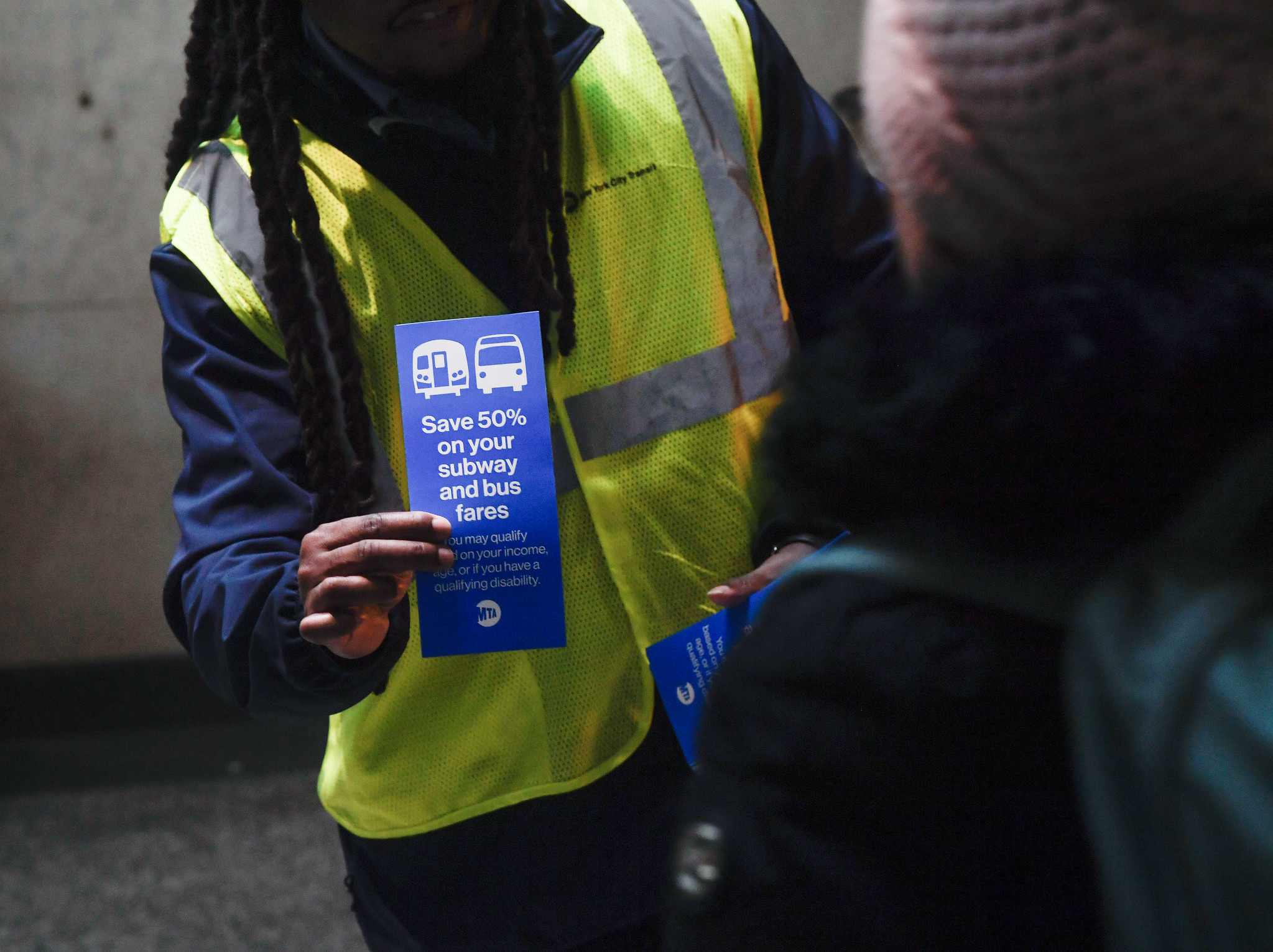
At its core, a fair fares program is a targeted municipal, regional, or state-level transit subsidy initiative designed to provide discounted public transportation access to qualifying individuals. Rather than applying a flat-rate fare structure that disproportionately burdens lower-income households—who often spend a significantly higher percentage of their disposable income on transportation—fair fares frameworks introduce progressive pricing models. These models may include half-fare subways and buses, heavily subsidized monthly passes, or integrated transfer discounts across multiple regional transit operators.
The operational architecture of these programs typically involves collaboration between municipal departments of social services, transit authorities, and digital fare collection administrators. Understanding how to navigate these systems requires examining eligibility criteria, documentation prerequisites, application mechanics, and the ongoing maintenance requirements necessary to keep discounted transit privileges active.
Core Eligibility Criteria and Qualifying Documentation
Before initiating an application for a fair fares program, prospective applicants must carefully evaluate their eligibility against the specific statutory and administrative guidelines established by the governing transit authority or municipal agency. While exact requirements vary significantly depending on the jurisdiction—such as New York City’s Fair Fares NYC program, London's Oyster photocard concessions, or similar regional initiatives across North America and Europe—most programs rely on standardized socioeconomic indicators.
Income Thresholds and Means-Testing
The primary qualifying metric for the vast majority of low-income transit subsidy programs is household income measured against federal, state, or local poverty guidelines. Program administrators frequently use the Federal Poverty Level (FPL) as a baseline, often setting eligibility thresholds at 100%, 120%, or 200% of the FPL depending on available municipal funding and local cost-of-living indices.
Means-testing requires applicants to demonstrate their financial standing through official documentation. Commonly accepted proof of income includes:
- Tax Transcripts: Official IRS Form 1040 or state tax returns from the most recent tax year.
- Wage Statements: Consecutive pay stubs spanning the previous 30 to 60 days.
- Benefit Program Enrollment: Direct participation in recognized government assistance programs often serves as categorical eligibility, streamlining the verification process entirely.
Categorical Eligibility via Social Safety Net Programs
To reduce bureaucratic friction and accelerate application processing times, many transit authorities grant automatic or streamlined eligibility to individuals already enrolled in established means-tested government programs. If an applicant actively participates in one or more of these programs, income verification is often bypassed or simplified. Recognized programs frequently include:
- Supplemental Nutrition Assistance Program (SNAP)
- Medicaid or state-specific health insurance assistance programs
- Temporary Assistance for Needy Families (TANF)
- Supplemental Security Income (SSI) or Social Security Disability Insurance (SSDI)
- Public housing assistance or Section 8 voucher programs
Age, Student Status, and Disability Concessions
In addition to income-based initiatives, fair fares broadly encompass category-specific transit access designed for demographic groups with fixed or limited earning capacities. Senior citizens typically access reduced fares upon reaching a specific statutory age threshold, usually 65 years old, verified via government-issued photo identification. Students enrolled in accredited middle schools, high schools, or institutions of higher education often access discounted academic transit passes administered through their educational institutions or directly via the transit agency. Similarly, individuals with qualifying permanent or temporary disabilities access specialized transit cards by submitting medical certification forms completed by licensed healthcare providers.
Step-by-Step Application and Registration Workflow
Successfully securing access to fair fares requires a methodical approach to documentation gathering, portal navigation, and card activation. While digital transformation has simplified many aspects of the application lifecycle, failing to supply precise documentation can result in immediate application rejection or significant processing delays.
[Gather Documents] ---> [Submit Application] ---> [Agency Review] ---> [Card Issuance & Activation]
Step 1: Document Preparation and Digital Digitization
Prior to accessing any online portal or visiting an enrollment center, applicants must compile all required verification artifacts. Documents must be legible, current, and legally valid. If applying online, physical documents must be scanned or photographed clearly using a mobile device, ensuring all text, official seals, and numerical figures are fully readable. Essential preparation steps include:
- Verifying that photo identification has not expired.
- Ensuring name and address records match across all submitted documents (e.g., utility bills matching tax filings or benefit award letters).
- Saving files in universally accepted formats such as PDF, JPEG, or PNG.
Step 2: Account Creation and Portal Submission
Most modern transit authorities utilize centralized online portals for fair fares intake. Applicants must create a secure user account using a valid email address and strong password.
- Complete the digital application form accurately, providing full legal names, residential addresses, dates of birth, and demographic data as requested.
- Upload the digitized verification documents to the corresponding category fields within the portal.
- Review all entered data for typographical errors, particularly Social Security numbers, dates of birth, and income figures, before executing final electronic submission.
Step 3: Application Review and Processing Window
Once submitted, the application enters an administrative queue managed by municipal caseworkers or transit authority auditors. Processing times fluctuate widely based on application volume, seasonal demand spikes, and staff availability, typically ranging from 10 business days to four weeks. During this period, applicants should monitor their registered email accounts for automated status updates, requests for supplemental information, or notices of approval.
Step 4: Card Issuance, Loading, and Fare Media Integration
Upon successful approval, the applicant receives confirmation along with instructions regarding card acquisition. Depending on the transit system, fulfillment occurs via several methods:
- Mail Delivery: A specialized reduced-fare smart card is mailed directly to the applicant's verified residential address within 7 to 14 business days.
- In-Person Pickup: The applicant visits an authorized transit customer service center or designated municipal hub with their approval notification and photo ID to receive their card instantly.
- Digital Integration: The reduced-fare profile is linked digitally to an existing mobile wallet transit card or contactless bank card via the transit agency's mobile application.
Comparative Analysis of Transit Concession Models
Different transit agencies implement fair fares and discount structures using distinct technological and administrative models. Understanding these variations helps commuters maximize savings and navigate different regional networks effectively.
| Concession Model | Primary Mechanism | Target Demographic | Operational Considerations |
|---|---|---|---|
| Means-Tested Fare Subsidy | 50% discount on pay-per-ride or passes | Low-income adults meeting income caps | Requires annual income recertification; tied to specific smart cards. |
| Categorical Senior Pass | Free or heavily discounted transit access | Seniors meeting age requirements (e.g., 65+) | Often lifetime verification once age is proven via government ID. |
| Student Academic Pass | Subsidized semester or monthly transit passes | Enrolled K-12 and university students | Validated via school enrollment portals; restricted during academic breaks. |
| Accessibility Concession | Reduced fares and specialized paratransit access | Individuals with certified physical or cognitive disabilities | Requires medical professional sign-off and functional assessment. |
Ongoing Account Maintenance, Recertification, and Renewal
Accessing fair fares is rarely a permanent, once-and-done administrative action. Because financial standing, enrollment statuses, and demographic variables shift over time, transit authorities enforce strict recertification schedules to maintain program integrity and ensure subsidies continue reaching eligible populations.
Recertification Timelines and Expiration Tracking
Most income-based fair fares programs feature expiration dates set 12 months from the date of initial approval. Approximately 30 to 60 days prior to expiration, transit agencies typically issue renewal reminders via email or SMS. Commuters must initiate the renewal workflow before the expiration date lapses to prevent sudden reversion to full standard fares.
To complete recertification successfully, users must generally submit updated income documentation reflecting the most recent tax year or current benefit program enrollment status. If an individual experiences a significant change in income or household size mid-cycle—such as gaining employment or losing eligibility for a safety-net program—they are often legally or administratively obligated to report the change to the transit agency.
Lost, Stolen, or Damaged Concession Cards
Because fair fares cards are subsidized municipal assets, losing a card can disrupt daily commuting routines. Commuters should immediately report lost or stolen cards through the transit agency's customer service portal or phone helpline to freeze any remaining cash value or active pass balances.
- Card Replacement Fees: Most agencies charge a nominal replacement fee for physical smart cards, though fee waivers may apply under specific hardship policies.
- Balance Transfer: Active monetary balances and valid pass durations from the compromised card are typically transferred to the newly issued replacement card upon verification of account ownership.
Troubleshooting Common Application and Usage Barriers
Applicants and cardholders frequently encounter technical, administrative, or operational hurdles when attempting to secure or utilize fair fares. Recognizing these common failure points allows users to resolve issues efficiently without experiencing extended transit disruptions.
Application Rejections and Appeals
An application may be rejected due to several common errors:
- Incomplete Documentation: Uploaded tax documents or pay stubs missing essential pages, signatures, or dates.
- Income Exceeding Thresholds: Calculated gross or net household income surpassing the strict municipal ceiling by even a nominal margin.
- Mismatched Identity Data: Discrepancies between the name on the application and the submitted identification documents.
If an application is denied, the notification letter must outline the specific reason for rejection and detail the formal appeals process. Applicants typically have a designated window (such as 30 to 60 days) to submit supplemental evidence, correct clerical errors, or request an administrative review hearing.
Smart Card Read Errors at Turnstiles and Validators
When a valid fair fares card fails to register correctly at a transit turnstile or bus farebox, users should evaluate potential causes:
- Card Demagnetization or Physical Damage: Deep scratches or exposure to electromagnetic fields can corrupt the embedded RFID chip.
- Expired Profile: The annual recertification window has closed, automatically locking the concession profile on the card backend.
- Zero Balance: While the discount profile remains active, the card itself holds insufficient cash value or lacks an active weekly/monthly pass loaded onto the media.
If hardware validation issues persist despite a valid account status and positive balance, commuters should present the card to a station agent or submit a support ticket via the transit authority's digital service portal for card diagnostic testing or physical exchange.
Practical Recommendations and Next Actions
To successfully secure and maintain access to fair fares, applicants should approach the process with careful preparation and proactive administration:
- Verify Official Sources: Always utilize official municipal or transit authority websites ending in
.govor recognized official domains to submit applications, avoiding third-party intermediary sites that may charge unnecessary processing fees. - Audit Documents First: Gather and digitally organize tax returns, benefit award letters, and photo identification before opening an application portal to prevent session timeouts.
- Set Calendar Reminders: Note your annual card expiration date and initiate recertification at least 45 days in advance to avoid unexpected fare hikes during your daily commute.
- Register Your Card: Ensure your physical transit smart card is registered online with your personal account details to protect against loss, theft, or unexpected balance forfeiture.