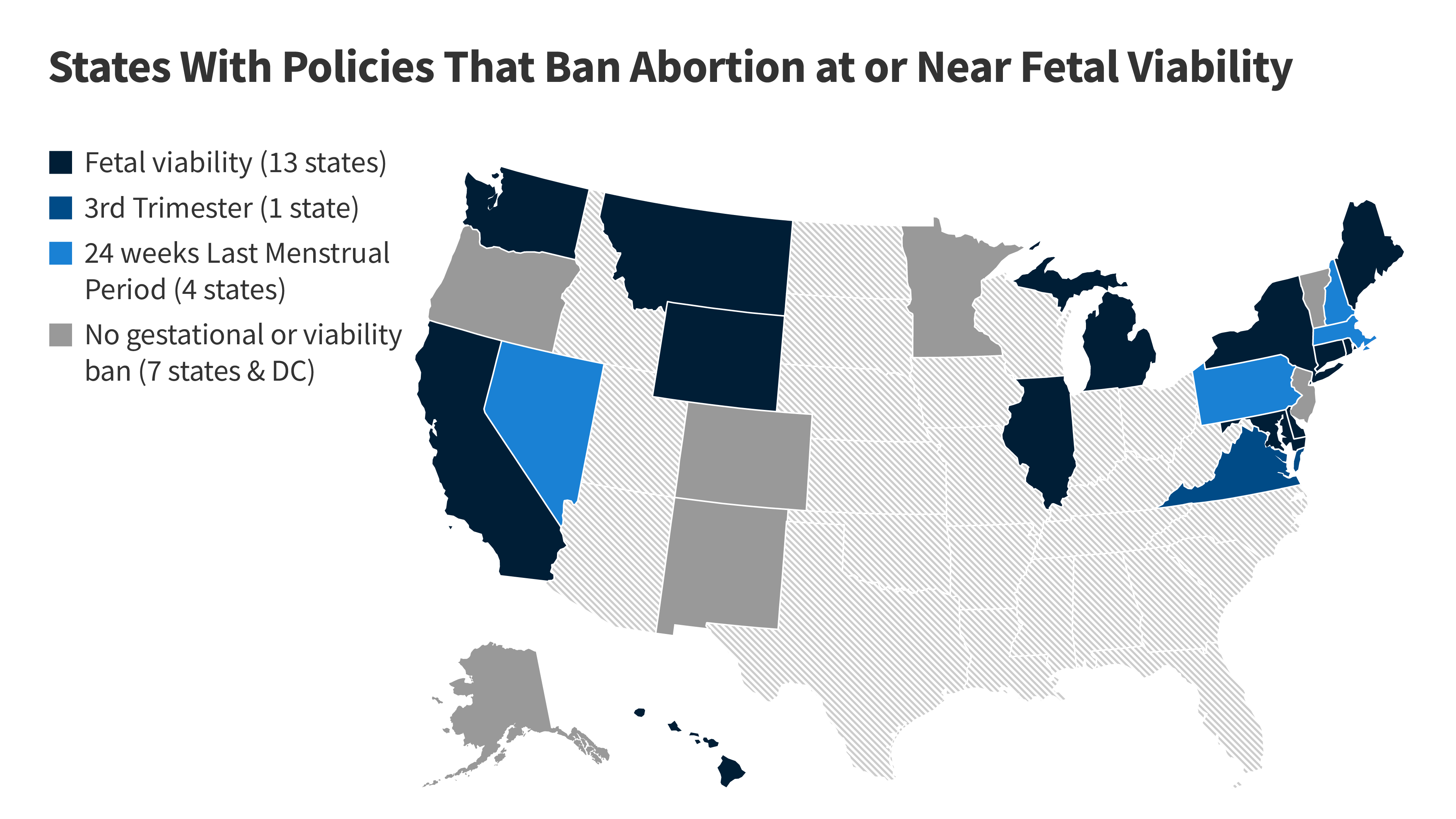
Following the Supreme Court’s decision to overturn Roe v. Wade in June 2022, the legal landscape surrounding reproductive healthcare in the United States shifted dramatically. Authority over abortion regulations returned entirely to individual state legislatures and state courts. Consequently, a complex patchwork of laws has emerged nationwide, ranging from total bans on the procedure to robust protections for patients and providers. Understanding which states enforce bans, what exceptions apply, and how these rules impact access is critical for anyone navigating reproductive health services or researching public policy developments.
The Legal Landscape After the Fall of Roe v. Wade
The landscape of American reproductive law underwent a seismic transformation when the U.S. Supreme Court delivered its ruling in Dobbs v. Jackson Women's Health Organization. For nearly half a century, Roe v. Wade had guaranteed a constitutional right to abortion up to the point of fetal viability, typically around 24 weeks of pregnancy. The Dobbs decision eliminated this federal baseline, ruling that the U.S. Constitution does not confer a right to abortion.
This ruling instantly triggered a wave of pre-existing state laws, new legislative enactments, and constitutional challenges. States were suddenly empowered to regulate or prohibit abortion entirely, subject only to state-level constitutional provisions and federal statutes regarding emergency medical care. The resulting legal environment is dynamic, with ongoing litigation frequently altering enforcement statuses in various jurisdictions.
To make sense of this environment, public health researchers, legal analysts, and advocates generally categorize states into distinct groups based on the restrictiveness of their laws. While some states have enacted near-total bans from the moment of conception, others permit abortions up to specific gestational limits, and a third group protects access through statutory law or constitutional amendments.
States With Total or Near-Total Abortion Bans
A significant portion of states have implemented near-total bans on abortion, prohibiting the procedure at all stages of pregnancy with very narrow exceptions. These bans are primarily concentrated in the American South and Midwest.
In these jurisdictions, performing an abortion is generally classified as a felony, carrying severe criminal penalties, hefty fines, and the potential revocation of medical licenses for physicians who violate the statutes. The implementation of these laws typically occurred via "trigger laws"—statutes designed to take effect automatically upon the overturning of Roe v. Wade—or through newly passed legislation shortly after the Dobbs ruling.
Overview of Jurisdictions With Complete Prohibitions
States enforcing total or near-total bans generally include:
- Idaho: Enforces a near-total ban with criminal penalties for providers, subject to narrow exceptions.
- Texas: Enforces a near-total ban through both criminal statutes and private civil enforcement mechanisms.
- Oklahoma: Prohibits abortion from fertilization, with severe criminal penalties for providers.
- Louisiana: Enforces a strict ban from fertilization with limited medical exceptions.
- Arkansas: Prohibits abortion at all stages of pregnancy except to save the life of the pregnant person.
- Mississippi: Enforces a ban covering all stages of pregnancy following the lawsuit that overturned Roe.
- Alabama: Prohibits abortion from conception, categorizing violations as felonies for providers.
- Tennessee: Enforces a total ban on abortion with narrow exceptions.
- Kentucky: Prohibits abortion at all stages of pregnancy under state trigger laws.
- Indiana: Enforces a near-total ban following state supreme court clearance.
- West Virginia: Prohibits abortion across all stages of pregnancy with specific exceptions.
- South Dakota: Enforces a ban on abortion from conception, with a narrow exception for the life of the mother.
- North Dakota: Prohibits abortion throughout pregnancy, subject to limited exceptions.
Gestational Age Limits and Partial Restrictions
Beyond states with total bans, several other jurisdictions enforce strict gestational age limits that significantly restrict access. These laws prohibit abortions after a specific point in pregnancy, often before many individuals know they are pregnant.
Six-Week Bans and Heartbeat Laws
A prominent category of restriction is the "six-week ban," often referred to as a heartbeat bill. These laws prohibit abortions after cardiac activity can be detected, which typically occurs around six weeks of pregnancy—often before a missed menstrual period. States enforcing six-week limits include Georgia, Florida, South Carolina, and Iowa, though the exact enforcement status in these states has been subject to continuous legal challenges in state courts.
Other Gestational Thresholds
Other states permit abortions up to 12, 15, or 18 weeks of pregnancy. For example, North Carolina enforces a ban on most elective abortions after 12 weeks of pregnancy, with exceptions for rape, incest, and life-limiting fetal anomalies up to specific gestational limits. Nebraska enforces a 12-week ban. These varied thresholds mean that traveling across state lines is a frequent necessity for patients seeking care from restricted regions.
| State | Primary Restriction Status | Common Exceptions |
|---|---|---|
| Texas | Total ban from fertilization | Life of the pregnant person; severe physical impairment |
| Florida | 6-week gestational limit | Life, health, rape, incest, fatal fetal anomaly |
| North Carolina | 12-week gestational limit | Life, health, rape, incest, fetal anomaly |
| Idaho | Total ban with criminal penalties | Life of the mother; certain cases of rape/incest |
| California | Protected up to viability; legal thereafter | Protected by state constitutional amendment |
| New York | Protected up to viability; legal thereafter | Protected by state statute and health codes |
Common Exceptions and Legal Nuances
Even in states where abortions are heavily restricted or banned, most statutes include specific, albeit strictly defined, exceptions. Navigating these exceptions often requires complex legal and medical consultations, and providers frequently report uncertainty regarding when an exception legally applies.
The Life and Health of the Pregnant Person
Nearly all restrictive state laws include an exception to prevent the death of the pregnant person. However, definitions of what constitutes an imminent threat to life vary widely. Some states also include exceptions for situations where a pregnancy poses a severe, irreversible risk to a major bodily function, though these are less common and subject to rigorous legal scrutiny. Critics and medical associations argue that these exceptions are often too vague, leading physicians to delay necessary medical care until a patient's condition deteriorates significantly.
Exceptions for Rape and Incest
A subset of states with total or near-total bans include narrow exceptions for pregnancies resulting from rape or incest. In practice, these exceptions often carry burdensome procedural requirements. For example, some states mandate that the assault be reported to law enforcement within a specific timeframe or require documentation from a law enforcement agency before a provider can legally perform the procedure. These hurdles can render the exception difficult or impossible to utilize in practical terms.
Fetal Anomalies
Some restrictive states permit abortions if a fetus is diagnosed with a lethal anomaly—a condition incompatible with life outside the womb. These exceptions generally require confirmation from multiple physicians and specify that the condition will result in death shortly after birth.
Medication Abortion and Interstate Travel Restrictions
The debate over abortion access extends beyond surgical procedures in licensed clinics. Medication abortion—specifically the use of mifepristone and misoprostol—accounted for a majority of abortions in the United States prior to the Dobbs decision and remains a focal point of legal conflict.
Regulations on Medication Abortion
In states where abortion is banned, the distribution, mailing, or prescribing of abortion pills is strictly prohibited. Patients in these states often seek telehealth consultations from physicians licensed in states where abortion is legal, who then mail medication across state lines. However, several restrictive states have enacted laws specifically criminalizing the mailing or importation of abortion medication. Legal battles over FDA regulations regarding mifepristone continue to influence how pharmacies and telehealth providers operate nationwide.
The Legality of Interstate Travel
The U.S. Constitution guarantees the right to interstate travel, meaning that residents of states with abortion bans are legally permitted to travel to another state where the procedure is legal to obtain care. However, state legislatures have proposed or enacted measures aimed at complicating this process. These include potential civil lawsuits against individuals who assist minors in traveling out of state for abortion care without parental consent, though such laws face substantial constitutional challenges in federal courts.
States With Robust Protections for Reproductive Access
In stark contrast to states with total bans, a significant number of jurisdictions have enacted statutory and constitutional protections to safeguard abortion access. These states have positioned themselves as safe havens for patients traveling from restricted regions.
Legislative and Constitutional Safeguards
States such as California, New York, Washington, Illinois, and Colorado have passed laws explicitly protecting the right to abortion. Furthermore, voters in several states—including Kansas, Michigan, Ohio, and California—have approved constitutional amendments enshrining reproductive rights directly into their state constitutions, protecting them from shifting legislative majorities.
Shield Laws and Provider Protections
To support both in-state patients and out-of-state travelers, numerous states have enacted "shield laws." These legal protections shield medical providers from civil and criminal penalties originating in states where abortion is banned. For instance, shield laws prevent local law enforcement from cooperating with out-of-state subpoenas or extradition requests related to legally provided reproductive healthcare.
Frequently Asked Questions
Are all abortions illegal in states with total bans?
No. States with total bans typically include narrow exceptions to save the life of the pregnant person. Some states also include exceptions for cases of rape or incest, though these are often subject to strict reporting requirements and administrative hurdles.
Can residents of ban states legally travel to another state for an abortion?
Yes. Under the constitutional right to interstate travel, individuals are legally permitted to travel from a state where abortion is banned to a state where the procedure is legal to receive care.
Are abortion pills illegal nationwide?
No. Abortion pills remain legal and accessible in states that protect reproductive rights. However, their use, prescription, and mailing are strictly prohibited in states that have enacted total bans or specific restrictions on medication abortion.
How do shield laws protect abortion providers?
Shield laws are state-level statutes designed to protect healthcare providers from legal repercussions, lawsuits, or extradition requests initiated by other states that have banned abortion, allowing providers to care for out-of-state patients with greater legal security.
Where can individuals find accurate information on current state abortion laws?
Organizations such as the Guttmacher Institute, the Center for Reproductive Rights, and Abortion Finder maintain regularly updated trackers that detail the legal status, gestational limits, and available resources in every U.S. state.
Next Actions and Navigating Care
For individuals seeking accurate information regarding reproductive health services, consulting verified legal and medical resources is essential. Because state laws, court injunctions, and administrative guidelines change frequently, relying on real-time legal trackers provided by organizations like the Guttmacher Institute or healthcare navigation networks ensures access to up-to-date guidance. Anyone traveling across state lines for care should verify clinic requirements, gestational limits, and available financial or logistical support systems before scheduling appointments.