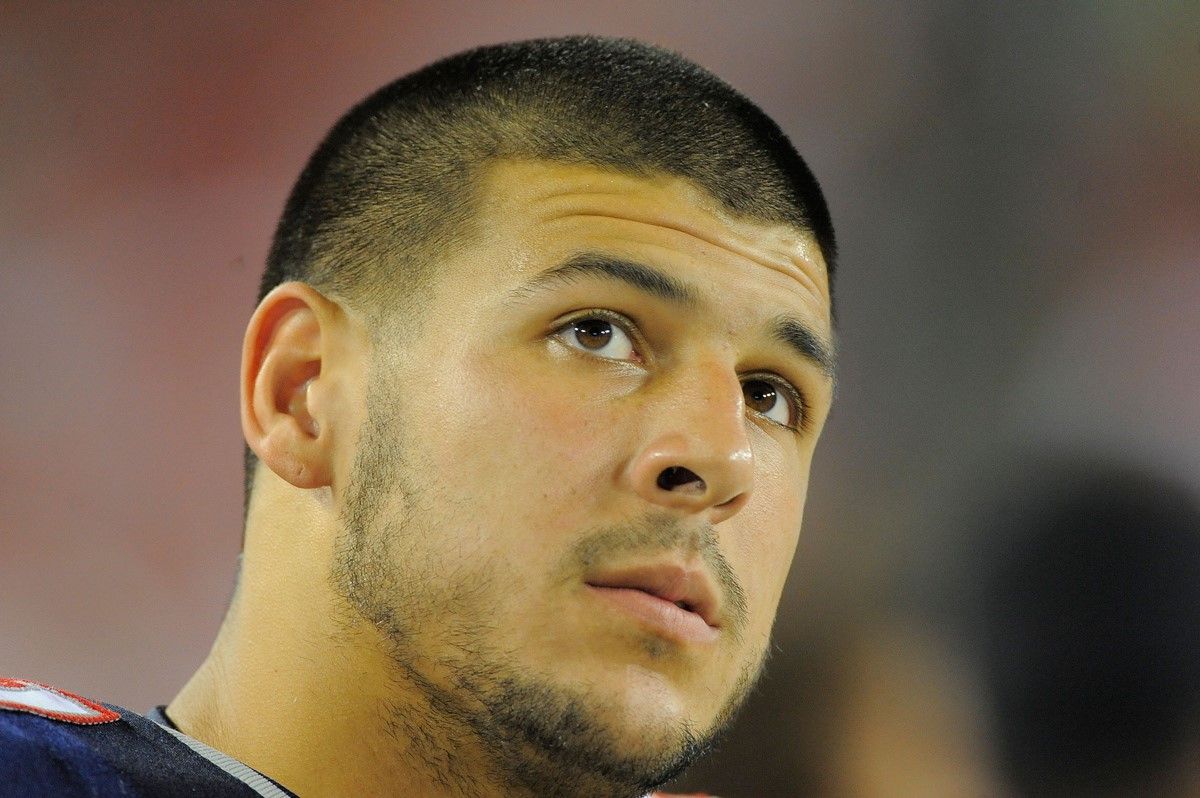
When former NFL star Aaron Hernandez died by suicide in his prison cell at the age of 27, an ensuing post-mortem examination revealed an unexpected and devastating biological reality: he suffered from Stage 3 chronic traumatic encephalopathy, the most severe case ever discovered in a brain of someone that young. This medical finding sent shockwaves through the sports world, legal systems, and scientific community, forever changing the conversation surrounding repetitive head trauma, neurological degeneration, and professional contact sports.
The Discovery of Stage 3 Chronic Traumatic Encephalopathy in a Young Athlete
Chronic traumatic encephalopathy, commonly known as CTE, is a progressive and fatal neurodegenerative disease caused by repetitive mild traumatic brain injuries, such as concussions, as well as subconcussive impacts that do not cause immediate, noticeable clinical symptoms. Before the case of Aaron Hernandez, medical literature and neuropathological studies primarily documented advanced stages of CTE in retired professional football players, boxers, and military veterans who were well into their 40s, 50s, or older. Finding advanced Stage 3 neurodegeneration in a 27-year-old athlete stunned neuropathologists and researchers at Boston University's CTE Center.
Dr. Ann McKee, the director of the BU CTE Center and Chief of Neuropathology at the VA Boston Healthcare System, examined Hernandez’s brain. She and her team noted that the damage was widespread and severe, affecting the frontal lobes—regions of the brain heavily responsible for impulse control, decision-making, emotional regulation, and behavior. The presence of such advanced pathology at such an early chronological age raised critical questions regarding the cumulative impact of youth, college, and professional football participation on the developing brain.
To understand the magnitude of this diagnosis, it is helpful to review the standard clinical staging system used to classify CTE pathology, moving from early microscopic changes to widespread structural deterioration.
| CTE Stage | Primary Neuropathological Features | Typical Clinical Correlates |
|---|---|---|
| Stage 1 | P-tau protein accumulation in isolated spots, typically around the sulci of the cerebral cortex. | Often asymptomatic; mild headaches or attention issues may occur. |
| Stage 2 | Spread of p-tau pathology to adjacent cortical areas; ventricles may begin to enlarge slightly. | Short-term memory loss, mood swings, intermittent depression, and irritability. |
| Stage 3 | Widespread p-tau pathology across frontal and temporal lobes; deep tissue shrinkage. | Severe executive dysfunction, explosive aggression, cognitive decline, and language deficits. |
| Stage 4 | Massive loss of brain volume, severe tauopathy throughout virtually all brain regions, profound atrophy. | Full-scale dementia, profound speech difficulties, paranoia, and complete motor or cognitive failure. |
Pathological Findings and the Brain of Aaron Hernandez
The neuropathological examination of Aaron Hernandez's brain revealed extensive tau protein deposition, which forms abnormal clumps that choke and destroy healthy brain cells over time. In Hernandez's case, the tauopathy had advanced to Stage 3 on a four-point scale. Researchers observed significant shrinkage of the brain, enlarged ventricles, and severe damage to the fornix, a bundle of nerve fibers that acts as a major output tract of the hippocampus.
Furthermore, neuropathologists noted early signs of another degenerative condition: chronic microvascular injury and evidence consistent with a severe early-stage neurodegenerative process that typically mimics frontotemporal dementia. The frontal lobe damage was so profound that Dr. McKee publicly stated it was the most severe brain damage she had ever seen in a patient under the age of 46.
This level of physical degeneration provided a biological context—though not a legal excuse—for the volatile behavioral shifts, intense impulsivity, and cognitive difficulties reported by his family, friends, and legal teams during his life. While CTE cannot be diagnosed definitively in living patients, the post-mortem analysis offered a sobering look at how cumulative head impacts can physically alter the architecture of a young person's mind.
Timeline of Athletic Career and Concussive Exposure
To understand how Hernandez developed such severe neurodegeneration by age 27, examining his cumulative exposure to contact sports is essential. Football participation begins at a young age for many elite athletes, exposing the brain to thousands of subconcussive blows long before reaching the collegiate or professional level.
- Youth and High School Football: Hernandez began playing tackle football in Bristol, Connecticut, experiencing years of helmet-to-helmet impacts during formative developmental years when the brain is particularly vulnerable to mechanical stress.
- Collegiate Career at the University of Florida (2007–2009): Playing as a standout tight end for the Gators under coach Urban Meyer, Hernandez participated in rigorous, high-intensity practices and high-stakes SEC games, absorbing heavy hits that frequently test the limits of protective equipment.
- National Football League Career with the New England Patriots (2010–2012): Drafted in the fourth round of the 2010 NFL draft, Hernandez played three seasons at the professional level. The speed, mass, and collision forces in the NFL generate significantly higher g-force impacts than amateur play, accelerating structural brain trauma.
Throughout these three distinct phases, Hernandez sustained numerous documented and undocumented impacts to the head. While major diagnosed concussions often capture public attention, researchers emphasize that the sheer volume of subconcussive blows—hits that do not result in a diagnosed concussion or a loss of consciousness—are the primary drivers of tau protein accumulation in CTE.
Legal Ramifications and Civil Litigation
The convergence of Hernandez's severe CTE diagnosis and his criminal history created unprecedented legal battles involving his estate, his former team, and the National Football League. Following his conviction for the 2013 murder of Odin Lloyd and his subsequent death in April 2017, complex civil litigation ensued regarding liability, insurance payouts, and concussion settlements.
The Concussion Settlement Lawsuit
Hernandez's estate, represented by his mother, filed a federal lawsuit against the NFL and the New England Patriots. The litigation argued that the league and the team were aware of the long-term cognitive hazards associated with repetitive head trauma yet failed to protect players or provide adequate warnings. Although the broader historic $1 billion concussion settlement between the NFL and retired players established parameters for compensation, Hernandez's specific case involved unique legal hurdles due to his criminal conviction and the timing of his death.
The Principle of Abatement ab initio
Under Massachusetts state law, Hernandez died while his direct appeal for his first-degree murder conviction was still pending. This triggered a legal doctrine known as abatement ab initio, which essentially voids a criminal conviction if the defendant dies before the direct appeal process is exhausted. While a judge later reinstated the conviction based on procedural motions filed by prosecutors, the legal ambiguity temporarily fueled debates over his estate's financial claims, guarantees on his player contract, and settlement distributions.
Scientific Consensus and the Evolution of Safety in Contact Sports
The case of Aaron Hernandez served as a watershed moment for sports medicine, prompting governing bodies at all levels to reevaluate safety protocols, equipment standards, and practice contact limits. The scientific community utilized his high-profile diagnosis to educate the public that CTE is not merely a disease of elderly veterans, but a preventable condition tied directly to the mechanics of contact sports.
- Stricter Concussion Protocols: Leagues implemented independent neurological spotters, mandatory baseline cognitive testing, and strict return-to-play guidelines that require players to clear multiple symptom-free recovery steps before stepping back onto the field.
- Practice Modifications: The NFL, NCAA, and youth football organizations drastically reduced the allowable amount of full-contact practices during the regular season and training camps to minimize cumulative subconcussive exposure.
- Advancements in Helmet Technology: Engineering firms developed position-specific helmets designed to mitigate rotational acceleration, which is widely considered a primary biomechanical trigger for axonal shearing and subsequent tau proteinopathy.
Despite these advancements, medical experts caution that no helmet can completely eliminate the risk of CTE, as the brain floating inside the skull still experiences rapid deceleration forces upon impact. Consequently, ongoing research focuses heavily on developing reliable biomarkers to diagnose CTE in living patients, paving the way for future therapeutic interventions.
Frequently Asked Questions
Can CTE be diagnosed while a person is alive?
Currently, definitive diagnosis of chronic traumatic encephalopathy can only be performed post-mortem through microscopic examination of brain tissue. However, researchers are actively clinicalizing advanced neuroimaging techniques, blood tests for specific protein biomarkers, and specialized PET scans to identify living patients with high probability.
Was Aaron Hernandez's aggressive behavior solely caused by CTE?
Medical and legal experts emphasize that CTE is a contributing factor to behavioral changes, impulse control issues, and cognitive decline, but it does not completely excuse criminal actions. Neuropathologists explain that severe frontal lobe damage impairs judgment and emotional regulation, but individual accountability remains a distinct legal and moral concept.
What is the difference between a concussion and CTE?
A concussion is an acute traumatic brain injury caused by a blow to the head or body that results in a temporary loss of normal brain function. CTE is a progressive neurodegenerative disease resulting from the cumulative buildup of abnormal tau protein caused by many impacts over time, whether those impacts caused noticeable concussions or not.
How common is Stage 3 CTE in young adults?
Finding Stage 3 CTE in a 27-year-old is extremely rare. While studies of former football players by the Boston University CTE Center have shown high prevalence rates overall, advanced stages are typically found in individuals who played tackle football for many years and reached advanced ages. Hernandez's case remains an outlier in terms of how rapidly and severely the pathology developed.
What are the main symptoms associated with Stage 3 CTE?
Individuals with Stage 3 CTE commonly exhibit pronounced executive dysfunction, explosive verbal or physical aggression, severe depression, paranoia, language difficulties, and progressive cognitive decline that interferes with daily functioning and personal relationships.
Practical Next Steps for Youth and Professional Athletic Safety
For parents, coaches, athletes, and medical professionals navigating the modern landscape of contact sports, proactive risk management is essential. Ensuring long-term neurological health requires adhering to evidence-based safety measures:
- Prioritize Age-Appropriate Play: Consider delaying tackle football in favor of flag football for younger children to protect the developing brain during its most critical growth phases.
- Enforce Strict Reporting: Cultivate a team culture where athletes feel safe reporting concussion symptoms rather than hiding them to stay in the game.
- Consult Medical Specialists: Any suspected head impact should be evaluated immediately by a qualified healthcare professional experienced in sports neurology.