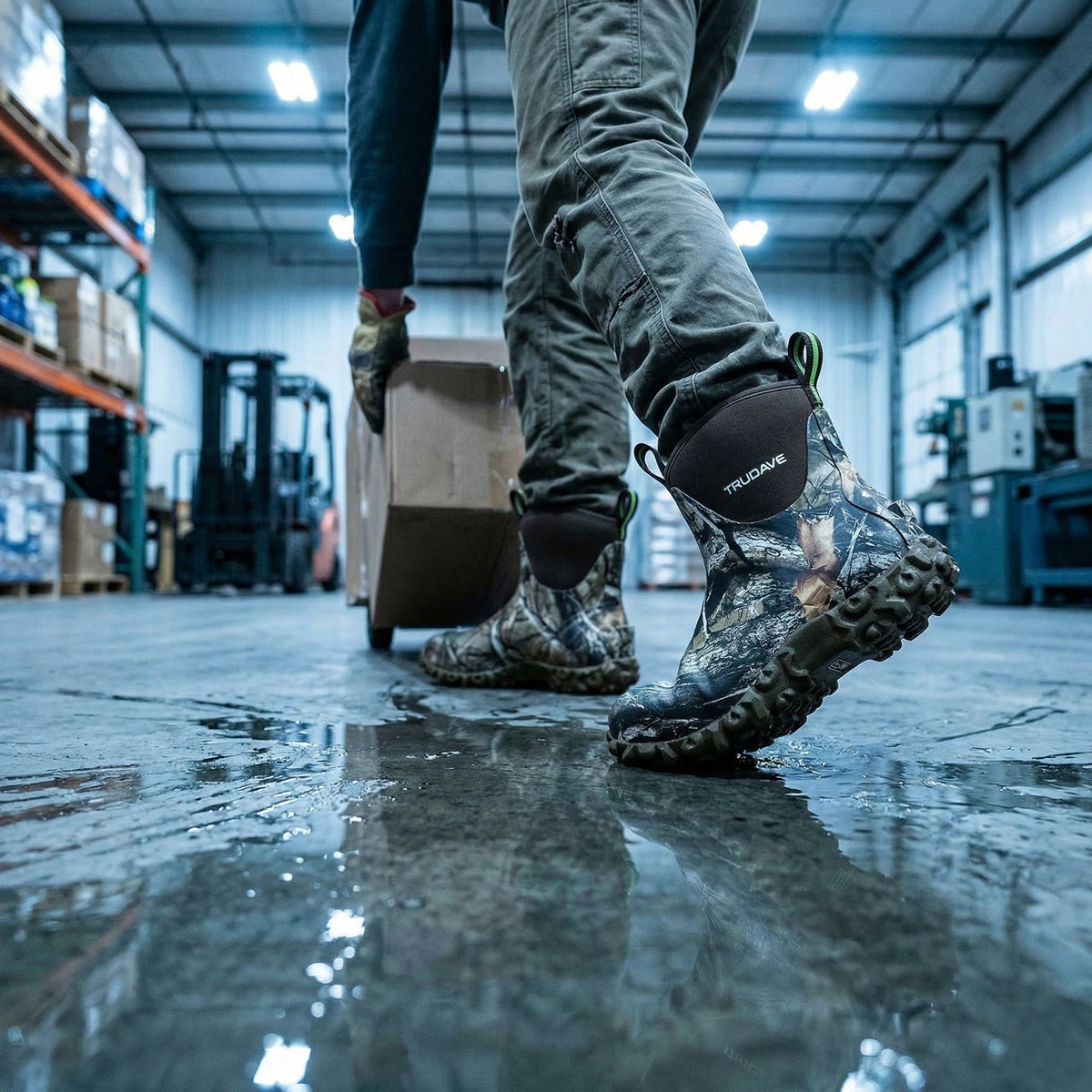
When moisture, mud, and harsh weather conditions threaten your productivity and foot safety, choosing the right pair of waterproof work boots becomes essential. A high-quality boot must reliably keep water out while offering structural support, slip resistance, and all-day comfort. Selecting the right model requires weighing upper materials, membrane technology, sole construction, and safety ratings against your specific trade requirements.
Understanding Waterproof Work Boot Technology
The core function of a waterproof work boot is to prevent external moisture—whether from puddles, rain, or saturated soil—from reaching the foot while allowing internal perspiration to escape. Achieving this balance requires specialized materials and engineering.
Most premium waterproof boots rely on a multi-layer construction. The outermost layer, typically full-grain leather or heavy-duty synthetic textile, receives a durable water-repellent (DWR) treatment. Beneath this exterior lies a waterproof, breathable membrane. Brands often use proprietary linings or industry-standard waterproof membranes like GORE-TEX. These membranes feature microscopic pores that are small enough to block liquid water droplets from entering, yet large enough to let sweat vapor pass outward.
Beyond the membrane, boot construction methods dictate longevity. Cemented soles offer flexibility and immediate comfort but may separate over time when exposed to constant moisture. Conversely, Goodyear welt construction stitches the upper, welt, and sole together, creating a durable bond that can be resoled, though it typically requires a break-in period and adds weight.
Key Evaluation Criteria for Waterproof Footwear
Comparing work boots effectively requires examining several performance metrics beyond simple water resistance. Safety standards, comfort features, and outsole traction dictate how a boot performs during a demanding shift.
Safety Standards and Toe Protection
Depending on your work environment, you may need specific toe caps to meet ASTM (American Society for Testing and Materials) standards.
- Steel Toes: Provide maximum impact and compression resistance, though they conduct cold and add weight.
- Composite Toes: Made from non-metallic materials like carbon fiber, Kevlar, or fiberglass. They are lighter, do not conduct temperature or electricity, and meet the same ASTM safety standards as steel.
- Soft Toes: Offer flexibility and zero weight penalty from protective caps, but provide no impact or compression defense.
Traction and Outsole Compounds
Slip resistance is critical on wet, oily, or uneven surfaces. Deep, self-cleaning lugs help shed mud and debris, while specialized rubber compounds maximize grip on smooth, wet concrete or metal grating. Look for outsoles rated for slip resistance under standard testing protocols.
Comfort and Ergonomics
A waterproof boot must support the foot's arch and absorb shock. Polyurethane (PU) or dual-density EVA midsoles provide cushioning that resists bottoming out over long hours. Moisture-wicking linings inside the boot complement the exterior waterproofing by managing internal sweat.
Comprehensive Comparison of Top Waterproof Work Boots
| Brand and Model | Primary Material | Waterproof Technology | Safety Toe Option | Best Suited For |
|---|---|---|---|---|
| Red Wing Heritage / Iron Ranger (Waterproof Variants) | Full-grain Leather | Proprietary Waterproof Lining | Soft Toe / Available Safety Toes | General construction, carpentry, and rugged outdoor trades. |
| Keen Utility Pittsburgh / Cincinnati | Waterproof Leather / Mesh | Keen.Dry Waterproof Membrane | Composite / Steel Toe | Wet job sites, utility workers, and those needing extra toe room. |
| Timberland PRO Boondock | Premium Waterproof Leather | Waterproof Membrane + Ever-Guard Leather | Composite Toe | Heavy construction, framing, and extreme weather conditions. |
| Carhartt Rugged Flex Wellington | Oil-Tanned Leather | Storm Defender Waterproof Membrane | Soft Toe / Composite Toe | Pull-on convenience, agricultural work, and muddy environments. |
| Wolverine Raider Boot | Full-grain Leather | Wolverine Contour Welt + Waterproof Lining | Steel / Composite Toe | Extended walking, concrete work, and daily industrial tasks. |
| Danner Quarry USA | Full-grain Nubuck Leather | GORE-TEX Waterproof Lining | Alloy Toe | Logging, wildland firefighting, and heavy industrial applications. |
| Thorogood Emperor Toe Wellington | Full-grain Leather | Waterproof/Breathable Membrane | Safety Toe (Steel/Composite) | Electrical hazards, oil-resistant needs, and wide feet. |
Detailed Analysis of Top Contenders
1. Timberland PRO Boondock
The Timberland PRO Boondock is engineered for harsh, heavy-duty industrial environments. Built with premium waterproof leather and a waterproof membrane, it keeps feet dry in driving rain and standing water. The molded rubber toe protector enhances durability against abrasion, making it a favorite for ironworkers and framing crews who frequently kneel or kick materials.
- Pros: Exceptional durability, rigid support for uneven terrain, comfortable dual-density anti-fatigue technology.
- Cons: Heavy initial weight, stiff break-in period required.
2. Keen Utility Cincinnati / Pittsburgh
Keen Utility boots stand out for their anatomical fit and roomier toe box. Utilizing the proprietary Keen.Dry waterproof membrane, these boots seal out moisture while maintaining breathability. They bridge the gap between athletic shoe flexibility and rugged work boot protection.
- Pros: Out-of-the-box comfort, reliable electrical hazard protection, lightweight composite toe options.
- Cons: Outsole treads can collect heavy mud in agricultural settings.
3. Danner Quarry USA
Handcrafted in the United States, the Danner Quarry USA utilizes top-tier full-grain nubuck leather paired with a GORE-TEX liner. This combination guarantees 100% waterproof protection while allowing heat to escape. The Stitchdown construction provides a wider platform underfoot for stability and allows the boots to be recrafted when the soles eventually wear down.
- Pros: Premium build quality, superior ankle support, recraftable design.
- Cons: Premium price point, substantial weight.
4. Wolverine Raider
For workers who log thousands of steps on concrete daily, the Wolverine Raider offers balanced cushioning. Its Contour Welt construction flexes with the foot's natural movement, reducing fatigue. The waterproof leather upper and internal membrane keep moisture at bay during long shifts in wet conditions.
- Pros: Excellent flexibility, budget-friendly compared to premium heritage boots, reliable slip resistance.
- Cons: Waterproofing membrane can degrade over several years of heavy chemical exposure.
5. Carhartt Rugged Flex Wellington
Pull-on Wellington boots offer rapid entry and exit, which is ideal for workers who frequently transition between indoor and outdoor environments. Carhartt’s Storm Defender technology ensures complete waterproof protection up to the shaft. The Rugged Flex technology in the sole provides immediate flexibility.
- Pros: Easy slip-on design, flexible sole, good value for general labor.
- Cons: Pull-on boots lack the ankle lockdown adjustability of lace-up models.
6. Thorogood Emperor Toe Wellington
Thorogood combines traditional American manufacturing with specialized comfort features. The Emperor Toe variant provides extra vertical space inside the safety cap, preventing rubbing and pressure points. Its waterproof membrane and oil-resisting outsole make it dependable for utility and municipal workers.
- Pros: Extra toe clearance, supportive wedge or lug sole options, durable stitching.
- Cons: Limited availability in certain specialty widths.
7. Red Wing Waterproof Work Boots
Red Wing offers a diverse lineup of waterproof work boots utilizing premium leathers tanned in their own Minnesota facility. Their internal waterproof systems block moisture while maintaining a supple exterior that molds to the wearer's foot over time.
- Pros: Exceptional leather quality, long lifespan with proper conditioning, professional appearance.
- Cons: High upfront cost, requires consistent leather maintenance to retain waterproofing.
Maintenance and Care for Waterproof Boots
Even the highest-rated waterproof work boots will fail prematurely without proper maintenance. Mud, chemical residues, and drying heat degrade leather and compromise waterproof membranes.
- Cleaning: After every shift in heavy mud or chemicals, rinse the boots with lukewarm water and a soft brush. Avoid harsh detergents that strip natural oils from the leather.
- Drying: Never dry wet leather boots near direct heat sources like campfires, radiators, or industrial blow heaters. Direct heat cracks leather and warps synthetic membranes. Instead, stuff them with newspaper and let them dry naturally at room temperature.
- Conditioning: Apply a quality leather conditioner or boot oil regularly. This keeps the leather supple, prevents cracking, and preserves the outer layer's natural water-shedding capabilities.
Frequently Asked Questions
How often should I re-waterproof my work boots?
The frequency depends on usage and environmental exposure. If you notice water darkening the leather surface instead of beading off, it is time to apply a waterproofing wax, spray, or conditioner. Typically, intensive users should re-treat their leather boots every two to three months.
Are waterproof boots hot in the summer?
Because waterproof boots rely on a sealed membrane, they trap more heat than unlined leather or mesh boots. However, modern waterproof membranes feature microscopic pores designed to release sweat vapor. Choosing boots with moisture-wicking linings and wearing synthetic or Merino wool moisture-wicking socks mitigates heat buildup.
What is the difference between water-resistant and waterproof?
Water-resistant boots can handle light splashes, morning dew, or brief exposure to moisture due to an initial surface treatment. Waterproof boots feature an internal membrane and sealed seams designed to withstand prolonged submersion, heavy rain, and standing water without letting moisture reach the foot.
Can composite safety toes withstand the same impact as steel toes?
Yes. Both composite and steel safety toes must pass the same rigorous ASTM standards for impact and compression resistance. The primary differences lie in weight, thermal conductivity, and electrical properties rather than safety performance.
How do I break in stiff waterproof leather boots comfortably?
Avoid wearing new boots for a full ten-hour shift immediately. Wear them for a few hours at a time around the house or on lighter days. Applying a leather conditioner can soften the fibers more quickly, and wearing thick, cushioned work socks prevents blisters during the break-in phase.
Final Recommendation
Choosing the best waterproof work boot depends entirely on your trade environment and ergonomic needs. For heavy construction and extreme conditions, rugged lace-up models like the Timberland PRO Boondock or Danner Quarry USA deliver maximum durability and ankle support. If your workday involves excessive walking on hard concrete, consider the flexible Wolverine Raider or Keen Utility lines to reduce foot fatigue. Prioritize proper sizing, evaluate your safety toe requirements, and commit to regular leather maintenance to maximize your investment.