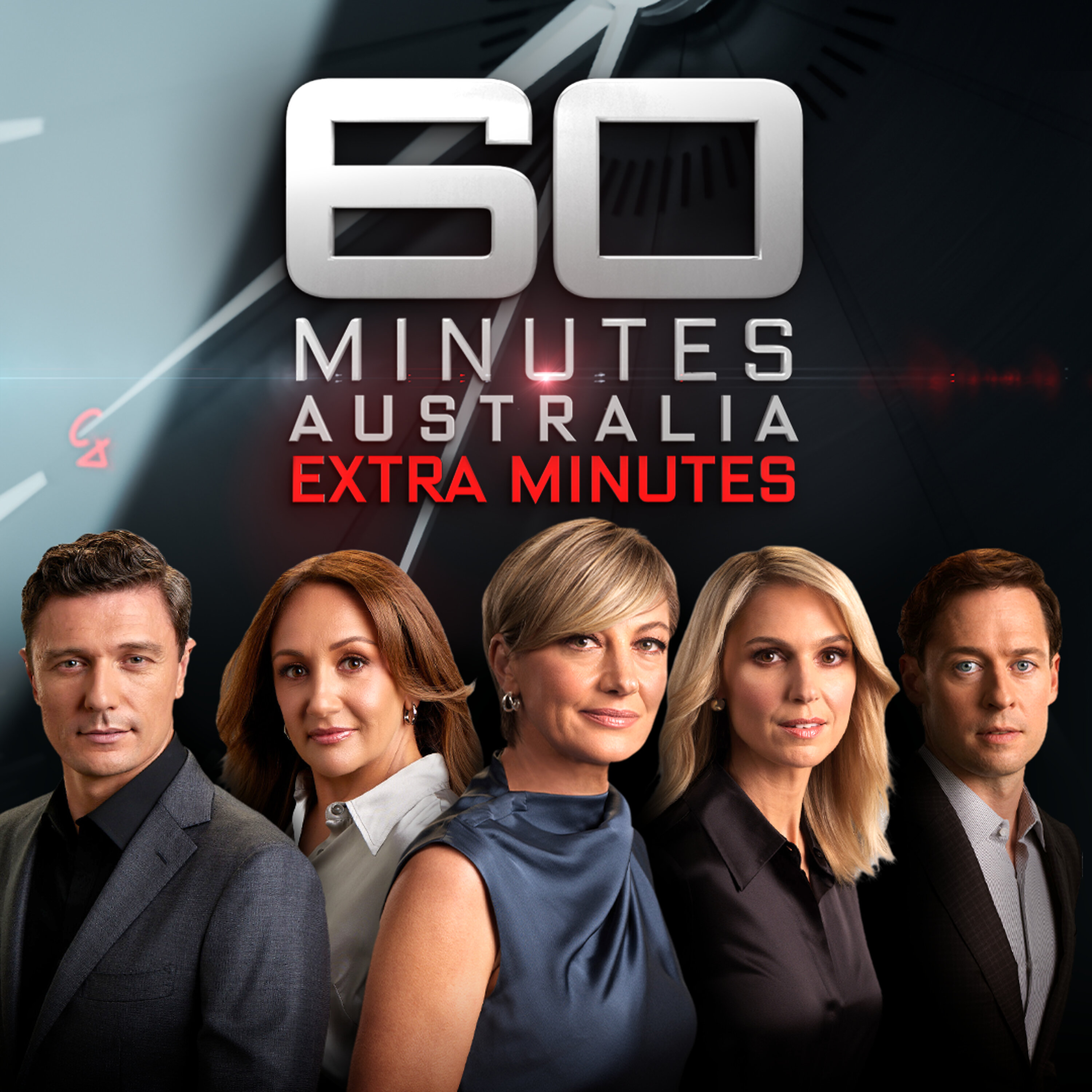
The presenters of 60 Minutes, formally known as correspondents, are the primary investigative journalists responsible for reporting the long-form news stories on CBS's flagship newsmagazine. As of 2026, the roster includes a blend of veteran journalists like Lesley Stahl, Scott Pelley, and Bill Whitaker, alongside newer additions such as Cecilia Vega, who continue the program's tradition of rigorous, high-stakes reporting.
The Current Roster of 60 Minutes Correspondents (2026)
In the 2026 broadcasting season, the 60 Minutes correspondent lineup remains the most prestigious assembly of talent in television journalism. These individuals are not merely "presenters" in the traditional sense; they are active participants in the reporting process, often spending months in the field alongside producers to develop a single 12-to-15-minute segment.
Lesley Stahl
Having joined the program in 1991, Lesley Stahl is the longest-serving active correspondent on the broadcast. Her tenure has spanned decades of political shifts and international crises. Stahl is known for her sharp questioning of heads of state and her ability to break down complex policy issues into human-centric narratives. In the 2026 season, her work continues to focus on high-level diplomacy, domestic politics, and the intersection of technology and society.
Scott Pelley
Scott Pelley, who transitioned to 60 Minutes full-time after serving as the anchor of the CBS Evening News, is often regarded as the moral compass of the program. His reporting style is characterized by a "just the facts" gravity, frequently covering topics such as economic inequality, climate change, and military veterans' affairs. Pelley’s segments are noted for their cinematic quality and deep empathy for the subjects involved.
Bill Whitaker
Since joining the broadcast in 2014, Bill Whitaker has emerged as one of the program's most versatile correspondents. His assignments range from investigative pieces on the American opioid crisis to sweeping international features in Africa and Asia. Whitaker’s calm, authoritative delivery has made him a staple of the Sunday night broadcast, particularly for stories involving complex social justice issues and international trade.
Anderson Cooper
While also anchoring for CNN, Anderson Cooper serves as a regular contributor to 60 Minutes. His role typically involves high-profile personality profiles and reporting from conflict zones. Cooper’s ability to navigate the rigors of a newsmagazine format while maintaining a high-energy presence in daily news makes him a unique bridge between traditional broadcast journalism and the modern 24-hour news cycle.
Sharyn Alfonsi
Sharyn Alfonsi has become a pillar of the broadcast since her arrival in 2015. Her work often leans toward investigative "follow-the-money" stories, healthcare exposes, and environmental reporting. Alfonsi’s interviewing style is direct and persistent, often catching subjects off-guard with well-researched, pointed inquiries.
Cecilia Vega
Joining the team more recently (in 2023), Cecilia Vega represents the next generation of 60 Minutes talent. Her background as a White House correspondent brings a sharp political edge to her segments. In the 2026 timeframe, Vega has expanded her portfolio to include significant reporting on the U.S. border, immigration trends, and the changing demographics of the American electorate.
The "60 Minutes" Philosophy: The Correspondent as a Character
The enduring success of 60 Minutes since its debut in 1968 is largely attributed to the vision of its creator, Don Hewitt. Hewitt believed that "it’s not the news, it’s the story." To tell those stories, he needed correspondents who could serve as the audience's surrogate.
Unlike standard news reporters who maintain a distant objectivity, 60 Minutes presenters are often part of the narrative. They are shown traveling to remote locations, engaging in difficult "doorstop" interviews, and reacting to the information they uncover. This approach humanizes the journalism, making the viewer feel as though they are discovering the truth alongside the reporter.
The presenters are also famously supported by a team of world-class producers. Each segment is a collaborative effort where the producer does the heavy lifting of logistics and research, while the correspondent brings the editorial weight and the face-to-face interrogation skills required to close the story.
The Architects of the Broadcast: Historical Giants
To understand the current presenters, one must examine the "Founding Fathers" of the program. These men established the templates that Stahl, Pelley, and others still use today.
Mike Wallace (1968–2006)
Mike Wallace was the definitive 60 Minutes correspondent. Known for his "interrogatory" style, Wallace revolutionized the televised interview. He was the master of the "ambush" interview and the "gotcha" question, often starting a query with the dreaded phrase, "With all due respect..." Wallace’s ability to remain unfazed by powerful figures established the show’s reputation as a program that held the powerful to account.
Morley Safer (1970–2016)
If Wallace was the hammer, Morley Safer was the scalpel. Safer brought a literary quality to the broadcast. His reports often focused on art, culture, and the quirks of human nature. However, he was also a legendary war correspondent, having reported from the front lines of Vietnam. Safer’s 46-year tenure remains a record for the program, and his elegant prose set a standard for broadcast writing that is still studied by journalists today.
Ed Bradley (1981–2006)
Ed Bradley broke barriers as the first Black correspondent on 60 Minutes. He was known for his incredible range, equally comfortable interviewing a world leader, a jazz musician, or a death row inmate. Bradley’s "cool" demeanor and deep-seated curiosity allowed him to get subjects to open up in ways other reporters could not. His death in 2006 marked the end of an era for CBS News.
Comparison of Notable 60 Minutes Correspondents
The following table highlights the tenures and primary areas of focus for several of the most influential presenters in the show's history.
| Correspondent | Years Active | Signature Reporting Style | Notable Achievement |
|---|---|---|---|
| Mike Wallace | 1968–2006 | Confrontational / Investigative | Interviewed every U.S. President from Kennedy to G.W. Bush. |
| Morley Safer | 1970–2016 | Literary / Cultural / Human Interest | Reported "Cam Ne" in Vietnam, changing war coverage forever. |
| Lesley Stahl | 1991–Present | Political / Scientific / Social | First woman to become a permanent correspondent on the show. |
| Ed Bradley | 1981–2006 | Empathetic / Versatile / Profile-heavy | Won 19 Emmy Awards during his career at CBS. |
| Steve Kroft | 1989–2019 | Clinical / Political | Conducted the first joint interview of Bill and Hillary Clinton. |
| Scott Pelley | 2004–Present | Gravitas / Hard News / Economic | Winner of multiple Alfred I. duPont-Columbia University Awards. |
The Evolution of the Commentator Role
For many years, the final segment of 60 Minutes was reserved for a "point/counterpoint" or a commentary piece. This role is distinct from the primary correspondents.
- Andy Rooney: For over 30 years, Rooney’s "A Few Minutes with Andy Rooney" provided a humorous, often grumpy closing to the show. He focused on the minutiae of daily life—why cereal boxes are hard to open or why people save junk.
- The Transition: After Rooney’s retirement in 2011, the show moved away from a fixed commentator, instead utilizing the space for "Letters to 60 Minutes" or additional short features. In 2026, the broadcast maintains this flexible approach, occasionally featuring guest essayists or "60 Minutes Overtime" digital tie-ins that allow viewers to see the behind-the-scenes process of the presenters.
The Rigorous Selection Process
Becoming a 60 Minutes presenter is often considered the pinnacle of a career in broadcast journalism. The selection process is famously grueling. Most correspondents are seasoned veterans who have spent years as foreign correspondents or evening news anchors.
The program looks for several key attributes:
- Reporting Instinct: The ability to sense where a story is hiding and the persistence to pursue it.
- Writing Excellence: Unlike many news outlets, 60 Minutes places a premium on the written word. Presenters must be able to craft a narrative that holds a viewer's attention for 15 minutes.
- Presence: The correspondent must command authority on screen. They are the face of a brand that signifies "truth" to millions of viewers.
- Collaborative Spirit: Because of the show's producer-driven model, a presenter must be able to work as part of a high-functioning team, often yielding to the producer's deep research.
Impact of Presenters on Public Policy
The work of 60 Minutes presenters has frequently led to real-world changes. When a correspondent like Bill Whitaker or Sharyn Alfonsi exposes a corporate fraud or a government failure, it often triggers Congressional hearings or legal action.
For instance, the program’s reporting on the "Lumber Liquidators" formaldehyde scandal or the investigation into the "Opioid Lobby" resulted in immediate regulatory scrutiny. The presenters serve as the "public prosecutors" of the airwaves, using the high-definition lens of CBS to shine a light on shadows that many powerful entities would prefer to keep dark. This tradition continues in 2026 as the show adapts to new challenges, including artificial intelligence, deepfakes, and global supply chain vulnerabilities.
Frequently Asked Questions
Who was the longest-serving presenter on 60 Minutes?
Morley Safer holds the record for the longest tenure, serving as a correspondent for 46 years, from 1970 until his retirement in 2016. He filed 919 stories during his career.
How many correspondents are typically on the show at once?
While the roster fluctuates, there are usually five to seven "full-time" correspondents and two or three contributing correspondents (like Anderson Cooper or Jon Wertheim) who appear throughout the season.
Do 60 Minutes presenters write their own scripts?
Yes, the writing is a collaborative process. While producers do a significant amount of the initial drafting and research, the correspondents are heavily involved in the writing and editing process to ensure the story fits their voice and the program's standards.
Has a 60 Minutes presenter ever been fired for a story?
The most notable instance involving a correspondent and a controversial story was the "Killian documents" controversy in 2004. While the primary figure was producer Mary Mapes and anchor Dan Rather (who was a correspondent for 60 Minutes II), the incident led to significant changes in CBS News's editorial leadership and reporting protocols.
Who is the newest presenter as of 2026?
As of the 2026 season, Cecilia Vega is one of the most recent permanent additions to the core team, having joined in 2023 to bolster the show's political and investigative reporting.
Summary of the Presenter's Role
The presenters of 60 Minutes occupy a unique space in the American media landscape. They are more than just newsreaders; they are the standard-bearers for a type of investigative journalism that is increasingly rare in an era of "clickbait" and 280-character news cycles. By maintaining a focus on depth, accuracy, and the "power of the story," the 2026 roster continues to uphold the legacy established by Wallace, Safer, and Hewitt more than half a century ago.
For those interested in the history of these journalists, the CBS News 60 Minutes Archive provides an extensive library of segments categorized by the correspondents who reported them. For a deeper look at the accolades and professional standards of the team, the Peabody Awards search database offers context on the many investigative honors the program has received.
Next Action: To gain a deeper understanding of the "60 Minutes style," watch a classic segment by Mike Wallace followed by a modern segment by Scott Pelley. Notice the similarities in pacing, the use of silence, and the focus on the subject's face during difficult questions.