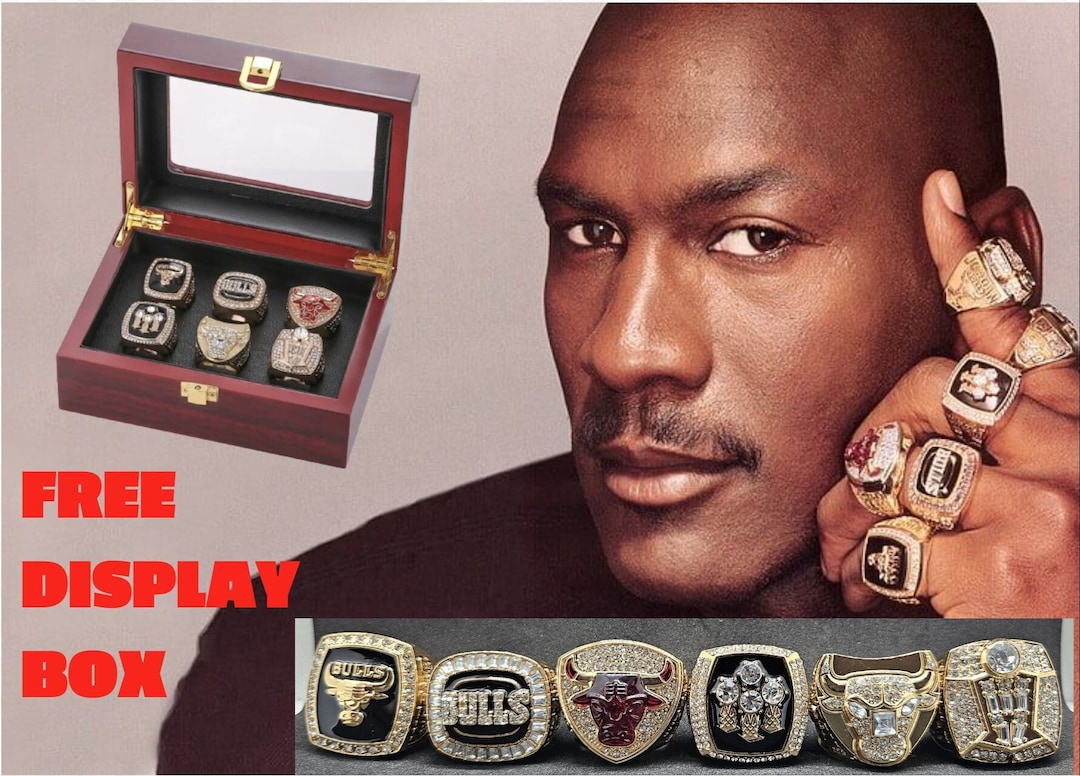
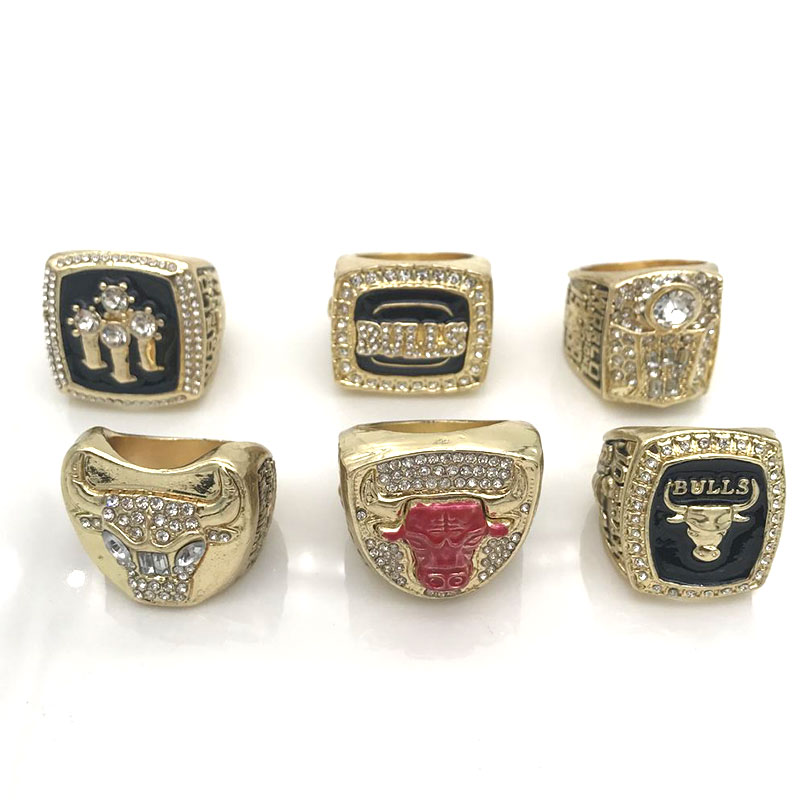
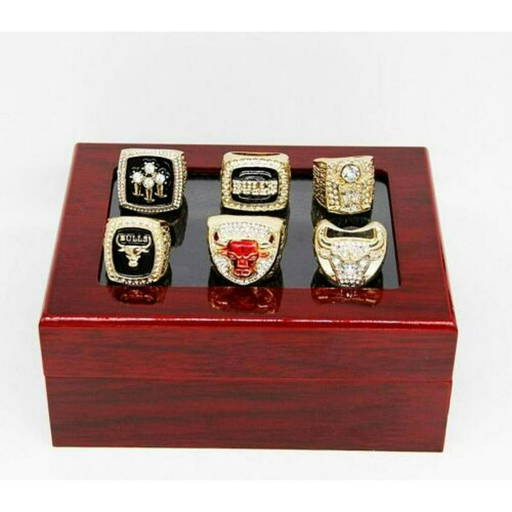
In the 1990s, the Chicago Bulls achieved two separate "three-peats," winning six NBA championships in eight years (1991, 1992, 1993, 1996, 1997, and 1998). Led by Michael Jordan, Scottie Pippen, and Coach Phil Jackson, this era redefined basketball excellence and established one of the greatest dynasties in sports history.
The story of the Chicago Bulls and their six championship rings is not merely a tale of a single dominant player, but a masterclass in team construction, psychological resilience, and tactical innovation. As of 2026, this decade of dominance remains the gold standard for NBA excellence, often serving as the primary benchmark against which all modern "superteams" are measured. To understand how the Bulls secured these six titles, one must look past the highlight reels and examine the specific hurdles, roster adjustments, and coaching philosophies that defined each era of the dynasty.
The Foundation of a Dynasty: 1984–1990
Before the rings could be won, the organization had to undergo a radical transformation. The arrival of Michael Jordan in 1984 provided the catalyst, but the early years were marked by individual brilliance rather than collective success. Throughout the late 1980s, the Bulls struggled to overcome the "Bad Boy" Detroit Pistons, whose physical "Jordan Rules" defense was designed specifically to neutralize Jordan's scoring.
The turning point came with two critical front-office decisions by General Manager Jerry Krause. First, the acquisition of Scottie Pippen and Horace Grant in the 1987 NBA Draft provided the defensive versatility and secondary scoring needed to support Jordan. Second, the promotion of Phil Jackson to head coach in 1989 introduced the Triangle Offense. Developed by assistant coach Tex Winter, this system prioritized spacing and ball movement over isolation play, forcing Jordan to trust his teammates and making the Bulls significantly harder to defend.
The First Three-Peat (1991–1993)
The first era of Bulls dominance proved that the team had finally matured enough to handle the physical and mental rigors of championship basketball.
1991: The Breakthrough
The 1990-91 season was defined by the Bulls finally sweeping the Detroit Pistons in the Eastern Conference Finals, a symbolic passing of the torch. In the NBA Finals, they faced the Los Angeles Lakers, led by Magic Johnson. While the series was billed as a showdown between superstars, it was the Bulls' defensive intensity that carried the day. Chicago won the series 4-1, with Jordan famously switching hands mid-air for a layup in Game 2, signaling the start of a new era.
1992: Solidifying Greatness
Returning as champions, the Bulls finished the 1991-92 regular season with 67 wins. They met the Portland Trail Blazers in the Finals, a team led by Clyde Drexler. In Game 1, Jordan famously hit six three-pointers in the first half—a feat he punctuated with "The Shrug"—to silence critics who doubted his long-range shooting. The Bulls won the series in six games, proving that their first title was no fluke.
1993: The Three-Peat Completion
The 1992-93 season was a grueling test of endurance. Facing Charles Barkley and the Phoenix Suns in the Finals, the Bulls became the first team since the 1960s Celtics to win three consecutive titles. The series concluded with John Paxson’s iconic game-winning three-pointer in Game 6. However, the physical and emotional toll of the "three-peat" led to Michael Jordan’s shocking retirement later that year, following the tragic death of his father.
The Interregnum and the Return
For nearly two seasons (1993-1995), the Bulls were a team in transition. Scottie Pippen emerged as an MVP-caliber leader, proving he was far more than a "sidekick," but the team lacked the finishing power to win a title without Jordan. Jordan’s return in March 1995 with the simple fax "I'm back" sparked hope, but a playoff loss to the Orlando Magic that spring highlighted a glaring weakness: the Bulls lacked a physical presence in the paint following Horace Grant's departure.
To solve this, Jerry Krause made a high-risk, high-reward move by trading for Dennis Rodman. Known for his rebounding prowess and erratic behavior, Rodman became the final piece of the puzzle for the second three-peat.
The Second Three-Peat (1996–1998)
The second half of the dynasty saw a more veteran, tactically refined Bulls team that relied as much on psychological warfare and defense as they did on scoring.
1996: The 72-10 Season
The 1995-96 Bulls set a then-record with 72 regular-season wins. With the trio of Jordan, Pippen, and Rodman—all of whom were named to the All-Defensive First Team—the Bulls smothered opponents. They defeated the Seattle SuperSonics in six games. This championship was particularly emotional for Jordan, as it was won on Father’s Day, his first title since the passing of his father.
1997: The Flu Game
In 1997, the Bulls faced the Utah Jazz, led by Karl Malone and John Stockton. This series is best remembered for Game 5, known as "The Flu Game." Despite suffering from severe food poisoning or a viral infection, Jordan scored 38 points in a pivotal road win. The Bulls closed out the series in Game 6 back in Chicago, securing their fifth ring.
1998: The Last Dance
The 1997-98 season was played under a cloud of internal tension. General Manager Jerry Krause had made it clear that this would be Phil Jackson’s final year, regardless of the outcome. The season, documented extensively in later years, culminated in a rematch with the Utah Jazz. In the final seconds of Game 6, Jordan stripped the ball from Karl Malone and hit a mid-range jumper—his final shot as a Bull—to secure the sixth championship.
Technical Analysis of the Bulls' Success
The "6 rings" were not won by talent alone; they were the result of specific tactical advantages that the Bulls maintained over the rest of the league.
The Triangle Offense
The Triangle Offense was the technical backbone of the dynasty. By creating a sideline triangle involving a post player, a wing, and a corner player, the system ensured that no single defender could double-team Jordan without leaving a teammate open. This maximized the efficiency of role players like Steve Kerr, John Paxson, and Toni Kukoč.
Defensive Versatility
The Bulls pioneered the modern "switchable" defense. With Pippen, Jordan, and later Rodman and Ron Harper, the Bulls could switch screens effortlessly. Scottie Pippen, in particular, is often cited by basketball historians as the blueprint for the modern "point forward," capable of guarding all five positions while initiating the offense.
Roster Management: Two Different Support Systems
It is vital to distinguish between the two championship rosters. The first three-peat relied on the youth and athleticism of Horace Grant and the perimeter shooting of John Paxson. The second three-peat utilized the rebounding of Dennis Rodman, the "Point Guard" size of Ron Harper (who was 6'6"), and the international flair of Toni Kukoč, who provided a unique mismatch as a 6'10" shooter.
Summary of the Chicago Bulls Championship Years
| Season | Finals Opponent | Series Result | Finals MVP | Regular Season Record |
|---|---|---|---|---|
| 1990-91 | Los Angeles Lakers | 4-1 | Michael Jordan | 61-21 |
| 1991-92 | Portland Trail Blazers | 4-2 | Michael Jordan | 67-15 |
| 1992-93 | Phoenix Suns | 4-2 | Michael Jordan | 57-25 |
| 1995-96 | Seattle SuperSonics | 4-2 | Michael Jordan | 72-10 |
| 1996-97 | Utah Jazz | 4-2 | Michael Jordan | 69-13 |
| 1997-98 | Utah Jazz | 4-2 | Michael Jordan | 62-20 |
The Role of Key Figures Beyond Michael Jordan
While Jordan was the face of the franchise, the "6 rings" would not have been possible without several key figures whose contributions were equally essential.
- Phil Jackson: Known as the "Zen Master," Jackson managed the massive egos within the locker room. His ability to integrate the eccentric Dennis Rodman into a disciplined system is considered one of the greatest coaching feats in sports.
- Scottie Pippen: Pippen was the defensive anchor. His ability to guard the opponent's best player allowed Jordan to conserve energy for offensive stretches. Many analysts argue Pippen was the most underpaid and undervalued superstar of the 1990s.
- Jerry Krause: Despite his contentious relationship with the players and coaches, Krause was the architect. He scouted Pippen in a small college, traded for Rodman when no one else wanted him, and discovered Toni Kukoč in Europe long before international scouting was mainstream.
- The Specialists: Players like Steve Kerr (who holds the record for the highest career three-point percentage) and Horace Grant provided the specific skills—shooting and rebounding—required to make the Triangle Offense viable.
Frequently Asked Questions
Did the Chicago Bulls ever lose an NBA Finals series?
No. Under Michael Jordan's leadership during the 1990s, the Bulls went 6-0 in the NBA Finals. They never even reached a Game 7 in any of those six championship series, a testament to their ability to close out opponents efficiently.
Who won the Finals MVP for each of the six rings?
Michael Jordan won the Bill Russell NBA Finals Most Valuable Player Award for all six championships (1991, 1992, 1993, 1996, 1997, 1998). This remains an NBA record for the most Finals MVP awards won by a single player.
Which Bulls team was the best: the 1991 team or the 1996 team?
This is a frequent debate among fans and analysts. The 1991 team was younger, more athletic, and arguably more hungry. However, the 1996 team, which went 72-10, is widely considered the more "complete" team due to its record-breaking regular season, advanced defensive schemes, and the veteran experience of Jordan, Pippen, and Rodman.
Why did the Bulls dynasty end after 1998?
The dynasty ended due to a combination of management decisions and player fatigue. General Manager Jerry Krause wanted to begin a rebuilding process and had a fractured relationship with Phil Jackson. After Jackson's contract was not renewed, Michael Jordan retired for a second time, Scottie Pippen was traded to Houston, and Dennis Rodman was released, effectively dismantling the team.
How do the Bulls' 6 rings compare to the Boston Celtics' 11 rings?
While the Celtics won 11 rings (including 8 in a row) during the 1950s and 60s, they did so in a league with significantly fewer teams (often only 8 to 14 teams). The Bulls won their 6 rings in a modern, expanded league with 27 to 29 teams, which many historians argue required a higher level of sustained excellence and navigating a much more difficult playoff structure.
Practical Next Steps for Enthusiasts
For those looking to study the Bulls' championship era in 2026, the best resource remains the official NBA History archives, which provide play-by-play data and high-definition footage of every Finals game. Additionally, the documentary series The Last Dance offers unprecedented behind-the-scenes access to the final championship run. For a technical understanding of their playstyle, researching the Triangle Offense through Tex Winter’s coaching clinics provides deep insight into the tactical geometry that made the six rings possible.