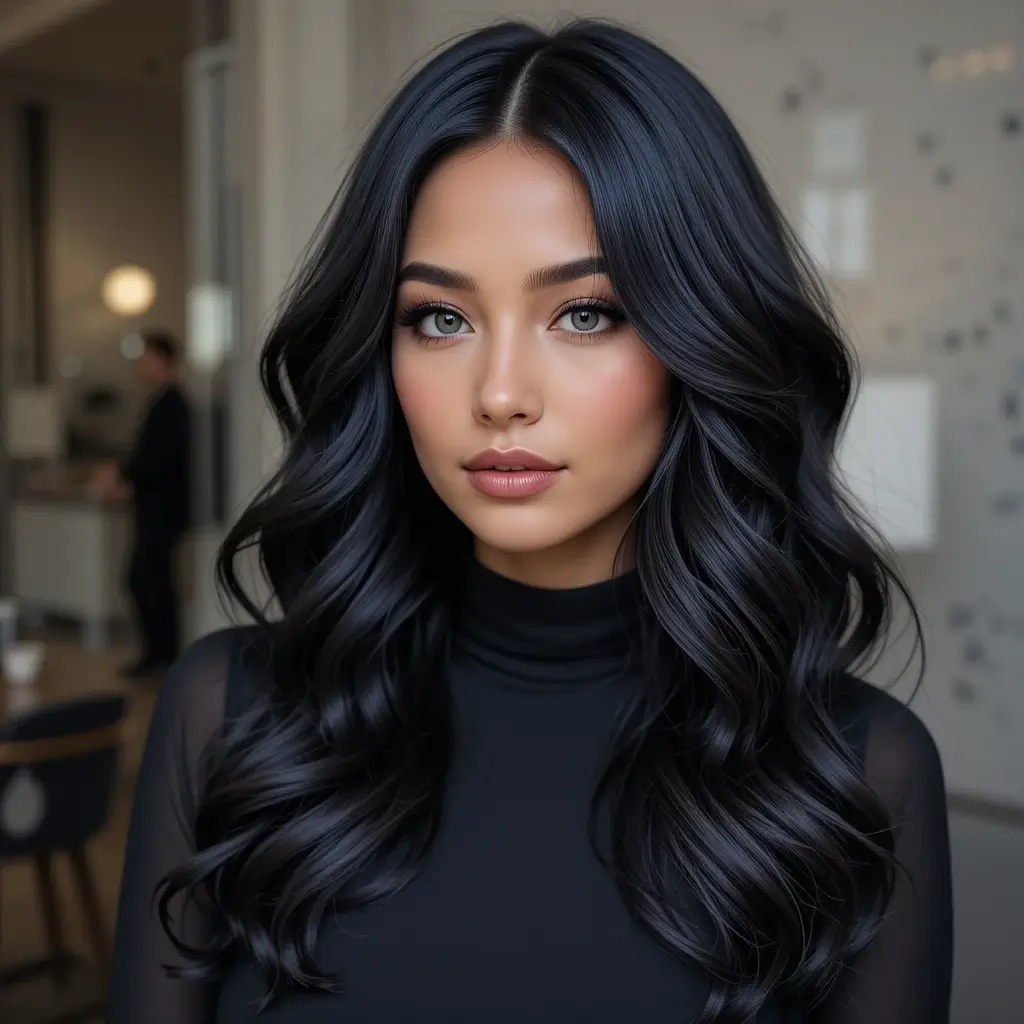
Choosing the best hair dye for black hair requires navigating unique structural challenges, including heavy natural eumelanin pigmentation, the risk of background warmth during lifting, and the demand for high moisture retention. Selecting the right product ensures vibrant, long-lasting results while preserving hair integrity, whether the goal is seamless gray coverage, a rich tonal shift, or a dramatic lightening transformation.
Understanding the Unique Chemistry of Black Hair
Black hair possesses distinct structural and chemical properties that dictate how color dyes interact with the fiber. Naturally black hair owes its depth to high concentrations of eumelanin, a dark, granular pigment packed tightly inside the cortex. When formulating or selecting a hair dye for black hair, cosmetic chemists must account for the natural underlying pigment that emerges during the oxidation process.
The Pigment Lifting Process and Underlying Warmth
When lightening black hair, the hair does not simply turn white or transparent. Instead, it transitions through a predictable spectrum of underlying warm pigments: black to dark brown, reddish-brown, red, red-orange, orange, yellow-orange, and finally yellow.
Understanding this sequence is essential for anyone applying permanent color or bleach. If a dye lacks sufficient neutralizing ash or cool-toned pigments, lifting dark hair often results in unwanted brassy, orange, or red tones. Permanent dyes utilize alkalizing agents (such as ammonia or monoethanolamine) to swell the cuticle, allowing precursor molecules to penetrate the cortex where they react with hydrogen peroxide to form large, permanent color molecules.
Porosity, Elasticity, and Structural Integrity
The outermost layer of the hair, the cuticle, acts as a protective shield. Virgin black hair often features a tightly closed cuticle that resists chemical penetration, requiring higher-volume developers (such as 30-volume or 40-volume) or longer processing times. Conversely, chemically relaxed, texturized, or previously dyed black hair exhibits high porosity and compromised elasticity.
Applying harsh oxidative dyes to compromised hair can lead to severe protein loss and breakage. Consequently, matching the correct developer strength and chemical category—permanent, demi-permanent, semi-permanent, or botanical—to the hair’s current condition is a critical prerequisite for successful coloring.
Evaluating the 5 Top Color Dyes for Black Hair
Different coloring objectives require different chemical technologies. Below is an evaluation of the top five color dyes suited for various black hair needs, ranging from maximum gray coverage to ammonia-free conditioning.
1. Clairol Professional Nice 'n Easy Permanent Hair Dye
- Primary Purpose: All-over permanent color and seamless gray blending.
- Mechanism: Oxidative permanent dye utilizing liquid or creme formulas with standard developers.
- Suitability: Best for individuals looking to cover gray hair completely or darken/shift the tone of virgin black hair with reliable drugstore accessibility.
Clairol Professional Nice 'n Easy remains a benchmark in permanent home hair color due to its Tri-Care formula, which conditions at three different stages of the coloring process. For black hair, shades such as Natural Darkest Brown or Blue Black deposit rich, opaque pigments that resist fading.
The inclusion of conditioning agents helps mitigate the drying effects of the ammonia-based lifting process. However, because it is a permanent dye, users should anticipate root regrowth and manage potential accumulation of dark pigments on previously colored mid-lengths and ends.
2. L'Oréal Paris Superior Preference Fade-Defying Permanent Hair Color
- Primary Purpose: High-shine, long-lasting vibrancy that resists UV and washing fade.
- Mechanism: Gel-based permanent formula paired with a high-shine conditioning treatment enriched with vitamin E and camelina oil.
- Suitability: Ideal for those seeking deep, glossy black or luminous espresso tones that maintain reflective shine over multiple weeks.
L'Oréal Paris Superior Preference utilizes translucent gel technology rather than heavy opaque cremes. This allows the multidimensional undertones of the color to catch the light, preventing black hair from appearing flat or silhouetted like a helmet.
The accompanying Care Supreme Conditioner locks in the cuticle post-coloration, minimizing the porosity shifts common with permanent dark dyes. While highly effective, users with sensitive scalps must perform a patch test due to the presence of PPD (p-phenylenediamine) and strong developer agents.
3. Garnier Olia Ammonia-Free Permanent Hair Color
- Purpose: Maximum color payoff driven by natural oils rather than harsh chemical alkalizers.
- Mechanism: 60% oil-powered system (using flower oils) that propels colorants deep into the hair fiber without ammonia.
- Suitability: Recommended for individuals with dry, coarse, or sensitive black hair who want permanent coverage without the pungent chemical odor and aggressive drying of traditional permanent dyes.
Garnier Olia represents a significant shift in permanent hair coloring by replacing traditional ammonia with an oil delivery system. The oil blend helps smooth the hair cuticle during the coloring process, resulting in improved texture and a softer feel compared to standard permanent formulations.
For black hair, shades like Deepest Black or Soft Black provide rich, saturated results. The absence of ammonia reduces scalp irritation, making it a preferred option for home colorists prioritizing hair health.
4. Schwarzkopf Keratin Color Permanent Hair Dye
- Purpose: Anti-age styling, intensive structural reinforcement, and maximum gray coverage.
- Mechanism: Permanent oxidative system integrated with K-Bond-Plex technology to repair inner hair bonds and minimize breakage.
- Suitability: Excellent for mature, coarse, or structurally weakened black hair that requires both deep pigmentation and structural reinforcement during the coloring process.
As hair ages or undergoes mechanical and chemical stress, internal protein bonds degrade. Schwarzkopf Keratin Color addresses this by incorporating bond-strengthening technology directly into the color cream.
When applied to black hair, the formula fills porous gaps in the hair shaft, ensuring even color distribution from roots to ends without patchy absorption. The pre-treatment serum further equalizes porosity, making it exceptionally reliable for correcting uneven previous color jobs or covering stubborn grey hairs scattered through dark manes.
5. Manic Panic Classic High Voltage Semi-Permanent Hair Color
- Purpose: Vivid fantasy accents, peek-a-boo highlights, or non-damaging tonal enhancement on pre-lightened black hair.
- Mechanism: Direct-dye pigment suspended in a vegan, conditioning cream base; requires no developer or ammonia.
- Suitability: Best for users wanting vibrant undertones (such as Raven, Amplified Black, or jewel-toned highlights) without altering or damaging the underlying hair structure.
Unlike the previous four oxidative options, Manic Panic Classic High Voltage is a semi-permanent direct dye. It does not penetrate the cortex via chemical opening of the cuticle; instead, it coats the hair shaft and deposits large color molecules on the outer layer.
While direct dyes will not show up visibly on dark, virgin black hair without prior bleaching, they are unmatched for adding glossy black gloss, neutralizing unwanted warmth, or staining pre-lightened balayage sections. Because it contains no harsh chemicals, it can be applied frequently to maintain sheen without cumulative structural damage.
Comparison of Top Color Dyes for Black Hair
| Product Name | Dye Category | Ammonia Status | Primary Benefit for Black Hair | Best For |
|---|---|---|---|---|
| Clairol Nice 'n Easy | Permanent | Contains Ammonia | Reliable, opaque gray coverage | Consistent roots and grey blending |
| L'Oréal Superior Preference | Permanent | Contains Ammonia | High-shine gel formula that resists fading | Glossy, multidimensional dark tones |
| Garnier Olia | Permanent | Ammonia-Free | 60% oil blend minimizes dryness | Dry or sensitive scalps needing permanent depth |
| Schwarzkopf Keratin Color | Permanent | Contains Ammonia | Integrated K-Bond-Plex repairs internal structure | Coarse, mature, or structurally stressed hair |
| Manic Panic Classic | Semi-Permanent | Ammonia-Free | Zero chemical damage; vibrant direct deposit | Gloss finishes or pre-lightened accents |
Step-by-Step Application and Preparation Guide
Achieving salon-quality results at home requires strict adherence to preparation and execution protocols. Skipping preparatory steps often results in uneven pigmentation, scalp irritation, or premature fading.
Step 1: Patch Testing and Strand Testing
- Allergy Alert Test: Forty-eight hours prior to application, mix a small amount of the dye and developer and apply a coin-sized dot to the inner elbow or behind the ear. Leave unwashed for 48 hours to screen for allergic contact dermatitis.
- Strand Test: Isolate a small hidden section of hair beneath the crown. Apply the mixed dye for the full recommended processing time to verify that the final shade meets expectations, especially when transitioning over previously dyed dark hair.
Step 2: Sectioning and Protection
- Divide dry, unwashed hair into four distinct quadrants using professional-grade sectioning clips. Unwashed hair is preferred because natural sebum helps protect the scalp from chemical irritation caused by developers and alkalizers.
- Apply a barrier cream (such as petroleum jelly or a thick cold cream) along the hairline, ears, and neck to prevent skin staining. Put on professional latex or nitrile gloves.
Step 3: Mixing and Application
- Mix the colorant and developer in a non-metallic bowl or use the precision applicator bottle provided in the kit, shaking vigorously until uniform.
- For Virgin Hair: Begin application one inch away from the scalp, working the product through the mid-lengths and ends first. The heat generated by the scalp causes hair roots to process much faster; applying color to the roots immediately can result in "hot roots" (brighter or lighter roots than the rest of the hair).
- For Retouch Applications: Apply the product exclusively to the new growth area at the roots. Process for the recommended time, then pull the color through the mid-lengths and ends for the final 5 minutes to refresh faded tone.
Step 4: Timing and Emulsification
- Set a digital timer immediately upon finishing application. Do not exceed the maximum processing time specified by the manufacturer, as extended exposure does not deepen the color but causes unnecessary structural degradation.
- Before rinsing, add a small amount of warm water to the hair and massage the dye gently (emulsification). This loosens stubborn pigment from the scalp and ensures an even transition.
Step 5: Rinsing and Post-Color Care
- Rinse thoroughly with lukewarm water until the water runs completely clear. Avoid hot water, which forces the newly sealed cuticle back open.
- Apply the specialized post-color conditioner or stabilizing mask provided with the kit. Leave it on for 2 to 3 minutes to lock the color molecules into the cortex before rinsing with cool water.
Maintenance, Troubleshooting, and Common Mistakes
Maintaining deep, rich black hair color requires specialized post-color care routines to prevent premature fading, dullness, or unwanted warmth caused by environmental stressors and mineral buildup.
Managing Environmental and Chemical Fading
Black hair color frequently fades into reddish or brown undertones due to UV exposure, chlorine from swimming pools, and hard water minerals. To combat this:
- Use Sulfate-Free Shampoos: Sulfates strip the natural moisture barrier and lift the cuticle, washing out artificial color molecules rapidly.
- Incorporate UV-Protectant Sprays: Apply leave-in treatments containing UV filters before spending extended periods outdoors.
- Install a Shower Filter: Hard water deposits calcium and magnesium onto the hair shaft, which dulls dark reflections and alters color tone over time.
Troubleshooting Common Coloring Errors
- Hot Roots: Occurs when color is applied to the scalp area too early. Solution: Use a semi-permanent demi-glaze or toning rinse one shade darker to blend the root discrepancy without additional chemical lifting.
- Faded or Dull Mid-Lengths: Caused by porosity differences. Solution: Use a deposit-only demi-permanent gloss every 4 to 6 weeks to refresh the ends without re-processing the entire head with permanent chemicals.
- Skin Staining: Solution: Remove accidental dye marks from skin immediately using a damp cotton ball dipped in facial toner, rubbing alcohol, or specialized color-stain remover.
Frequently Asked Questions
Can I dye my black hair without using bleach?
Yes. You can easily dye black hair darker, alter its tone (such as adding blue, violet, or mahogany undertones), or cover gray hair without bleach using standard permanent or demi-permanent oxidative dyes. However, you cannot make black hair lighter (such as turning it blonde or light brown) without a chemical lightening agent or bleach to break down the natural eumelanin pigment.
How do I prevent my dyed black hair from turning red or brassy?
Brassy undertones emerge when the underlying warm pigments are exposed during fading or incomplete color neutralization. To prevent this, choose dyes formulated with cool or ash bases (such as blue-black or espresso with cool undertones) and use a blue-pigmented or purple-pigmented neutralizing shampoo once a week to counteract unwanted warm shifts.
Should I wash my hair before applying permanent black hair dye?
It is generally recommended to apply permanent hair color to unwashed hair that is 24 to 48 hours past its last wash. Natural sebum produced by the scalp forms a protective lipid layer that shields the skin from chemical irritation and potential sensitivity caused by developers and ammonia.
How often should I touch up my roots on black hair?
Root touch-up frequency depends on your natural hair growth rate and the contrast between your natural color and the dyed shade. On average, hair grows about half an inch per month. For high-contrast permanent black dye on lighter natural hair or severe gray regrowth, touch-ups are typically required every 4 to 6 weeks.
Is ammonia-free dye better for black hair than traditional permanent dye?
Ammonia-free dyes are generally gentler on the hair structure because they rely on alternative alkalizing agents or oil delivery systems to swell the cuticle, resulting in less protein degradation and reduced dryness. However, traditional ammonia-based permanent dyes may offer superior, longer-lasting gray coverage and more reliable lifting power on thick, resistant hair.
Final Recommendation
For optimal results when coloring black hair, assess your hair's current health, porosity, and gray percentage before purchasing a product. If your hair is healthy and you require stubborn gray coverage, opt for an oxidative permanent dye like Clairol Nice 'n Easy or Schwarzkopf Keratin Color. If your hair is dry or sensitive and you wish to avoid harsh chemicals, choose an oil-powered permanent formula like Garnier Olia. Always perform preliminary strand and patch tests to ensure predictable outcomes and safe application.