Borrowing from a 401(k) allows you to access up to 50% of your vested balance (capped at $50,000) as a tax-free loan, provided it is repaid within five years. While it offers quick liquidity and interest payments that go back into your own account, it risks significant opportunity costs and immediate tax liabilities if you leave your job.
Deciding whether to tap into your retirement savings is one of the most consequential personal finance choices an employee can make. In 2026, as the landscape of workplace retirement plans continues to evolve under the long-term impacts of the SECURE 2.0 Act, the 401(k) loan remains a popular but polarizing tool. This guide provides a technical deep dive into the five primary advantages and five critical drawbacks of borrowing from your 401(k), helping you determine if the short-term relief outweighs the long-term retirement risk.
Understanding the Mechanics of a 401(k) Loan
Before weighing the pros and cons, it is essential to understand the regulatory framework governing these loans. Unlike a 401(k) withdrawal, which is often a permanent removal of funds subject to income tax and a 10% early-withdrawal penalty (if under age 59½), a loan is a structured debt agreement.
Under Internal Revenue Service (IRS) guidelines, most plans allow you to borrow the lesser of $50,000 or 50% of your total vested account balance. If your balance is less than $10,000, many plans allow you to borrow up to $10,000 regardless of the 50% rule. These loans must generally be repaid within five years through level quarterly payments, typically handled via payroll deduction. If the loan is used to purchase a primary residence, the repayment term may be extended significantly, often up to 15 or 30 years depending on the specific plan document.
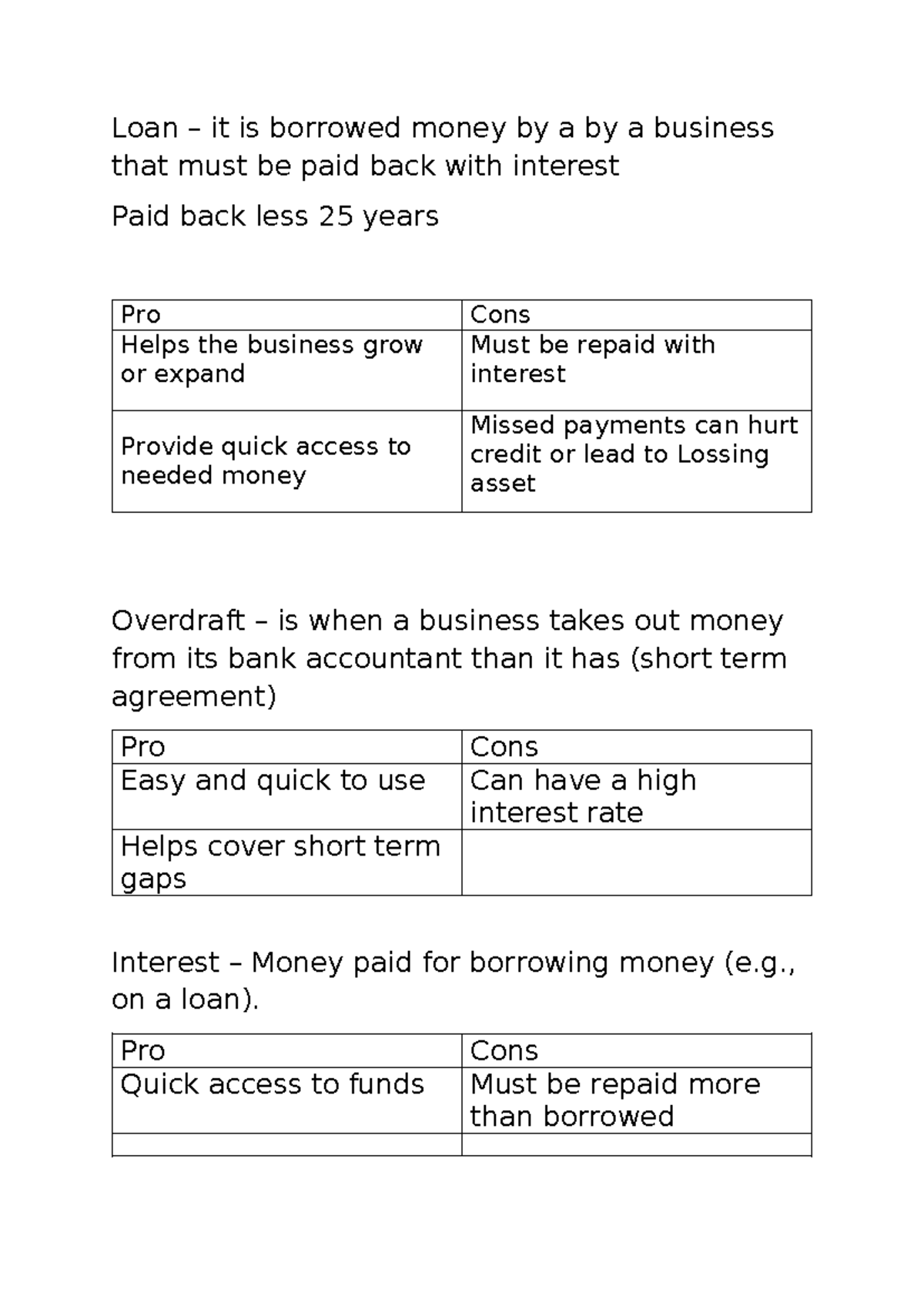
The interest rate is not set by the market but by the plan administrator, usually pegged at the Prime Rate plus 1%. It is important to note that you are not "borrowing" from the bank; you are effectively selling your mutual fund or ETF holdings within your 401(k) to generate cash, which you then pay back over time with interest.
5 Pros of Borrowing From Your 401k
1. Convenience and Speed of Access
One of the most compelling reasons individuals turn to their 401(k) is the lack of "red tape." Because you are essentially borrowing your own money, there is no formal credit check, no impact on your debt-to-income ratio for other loan applications, and no lengthy underwriting process.
In 2026, most plan administrators have fully automated the loan process. An employee can often request a loan through a mobile app and have the funds deposited into their bank account via ACH within two to three business days. This speed makes it a frequent fallback for emergency expenses, such as urgent home repairs or medical bills that require immediate payment. Furthermore, since the loan does not involve a hard inquiry on your credit report, it is an attractive option for those with lower credit scores who would otherwise face predatory interest rates from private lenders.
2. Interest Paid Back to Yourself
In a traditional personal loan or credit card scenario, the interest you pay is profit for the financial institution. With a 401(k) loan, the interest you pay is credited back to your own retirement account.
While the "Prime + 1%" rate might seem higher than some secured loans, every dollar of that interest increases your personal retirement nest egg. This "self-payment" mechanism can soften the blow of the interest expense. For individuals carrying high-interest credit card debt (which in 2026 remains significantly higher than the Prime Rate), consolidating that debt with a 401(k) loan can lead to massive savings in interest expense while simultaneously replenishing their own savings account.
3. Avoiding Taxes and Early Withdrawal Penalties
If you were to take a "hardship withdrawal" or a standard distribution from your 401(k) before age 59½, the IRS typically views that as taxable income. You would owe federal and state income taxes on the amount, plus a 10% early withdrawal penalty. On a $20,000 withdrawal, you might only see $13,000 or $14,000 after the government takes its share.
A 401(k) loan, by contrast, is not considered a taxable event as long as you adhere to the repayment schedule. This allows you to utilize the full value of the borrowed amount. For those who are certain they can repay the loan, it is a much more efficient way to access capital than a permanent distribution.
4. Flexible Use of Funds
Unlike a mortgage (which must be used for property) or an auto loan (which must be used for a vehicle), there are no restrictions on how you use the proceeds of a 401(k) loan. Whether you are funding a child’s tuition, consolidating debt, or starting a small business, the plan administrator does not require proof of the loan’s purpose.
This flexibility allows the 401(k) to act as a "last resort" emergency fund. While financial advisors generally recommend having a separate liquid emergency fund, the 401(k) loan provides a secondary safety net for those who haven't yet reached their liquid savings goals.
5. No Impact on Credit Scores
Standard loans involve a complex relationship with credit bureaus. A 401(k) loan is a "private" transaction between you and your retirement plan. It does not appear on your credit report as a liability.
This is particularly beneficial for individuals planning to apply for a mortgage in the near future. While the monthly 401(k) loan repayment might be considered by some mortgage underwriters when reviewing your bank statements, the loan itself does not lower your credit score or increase your reported total debt. This "invisible" nature of the debt provides a level of financial privacy and credit preservation that other loans cannot match.
5 Cons of Borrowing From Your 401k
1. Market Opportunity Cost
The most significant hidden cost of a 401(k) loan is the loss of investment growth. When you take a loan, the plan administrator sells your investments to provide the cash. While that money is out of the market, it is not earning dividends, interest, or capital gains.
If the stock market experiences a period of growth while your money is "on loan," you miss out on those compounding returns. Historically, the long-term average return of the S&P 500 often exceeds the interest rate you are "paying yourself." By removing $50,000 from the market for five years, you aren't just losing the $50,000; you are losing the potential growth that $50,000 could have generated over the next 20 or 30 years. This "compounding gap" can result in a significantly smaller retirement fund decades down the line.
2. The Double Taxation Trap
There is a common misconception that 401(k) loan interest is "free." In reality, the interest you pay back into your account is subject to a form of double taxation.
When you pay back the loan, you are using post-tax dollars (money that has already been taxed from your paycheck). Those post-tax dollars are deposited into your 401(k). However, when you eventually retire and take distributions from your traditional 401(k), those same dollars are taxed again as ordinary income. Unlike a standard 401(k) contribution, the interest portion of your loan repayment provides no tax deduction at the time of payment, yet it is fully taxable upon withdrawal. This makes 401(k) loans fundamentally less tax-efficient than other forms of borrowing.
3. Immediate Repayment Upon Termination
Perhaps the most dangerous risk of a 401(k) loan is its tie to your employment. If you quit, are laid off, or are terminated while a loan is outstanding, the plan usually requires the remaining balance to be paid back very quickly—often within 60 to 90 days.
While the 2017 Tax Cuts and Jobs Act extended the deadline for "offsetting" a loan until the tax filing deadline (including extensions) for that year, it still requires the borrower to come up with the full cash amount to "rollover" into an IRA or another 401(k). If you cannot pay the balance, the IRS treats the outstanding loan as a taxable distribution. You will owe immediate income tax on the balance plus the 10% early withdrawal penalty if you are under 59½. This can create a massive tax bill exactly when you are most vulnerable—during a period of unemployment.
4. Reduced Ability to Save
Many 401(k) plans prohibit employees from making new contributions to their retirement account until the loan is paid in full. Even if the plan allows continued contributions, many employees find they cannot afford to both repay the loan and continue their standard contributions.
By stopping or reducing your contributions, you lose out on the employer match. If your company matches 100% of the first 6% you contribute, stopping your contributions to pay back a loan is essentially turning down a 100% guaranteed return on your money. Over a five-year loan term, the combination of missed employer matches and missed personal contributions can derail a retirement timeline by several years.
5. Lack of Debt Protection
Assets held within a 401(k) are generally protected from creditors under the Employee Retirement Income Security Act (ERISA). This means if you face a lawsuit or bankruptcy, your retirement savings are usually off-limits to collectors.
However, once you take that money out as a loan, those funds lose their ERISA protection. If you put the 401(k) loan proceeds into a standard checking account or use them to buy an asset, those funds are now reachable by creditors. You are essentially moving money from a "protected fortress" into an "unprotected field," which can be a significant legal risk for individuals in high-liability situations.
Comparative Analysis: 401(k) Loan vs. Alternatives
The table below compares the 401(k) loan against common alternatives available in 2026.
| Feature | 401(k) Loan | Personal Loan | HELOC (Home Equity) |
|---|---|---|---|
| Credit Check | None | Required | Required |
| Interest Rate | Prime + 1% (Paid to Self) | Market Based (Paid to Bank) | Market Based (Variable) |
| Tax Impact | Double taxation on interest | None | None |
| Repayment Term | 5 Years (Usually) | 2–7 Years | 10–20 Years |
| Max Amount | $50,000 or 50% | Up to $100,000 | Varies by Home Equity |
| Risk | Retirement shortfall / Taxes | Credit damage / Collection | Foreclosure Risk |
| Speed | 2–3 Days | 1–5 Days | 2–4 Weeks |
FAQs About 401(k) Loans
Can I have more than one 401(k) loan at a time?
Whether you can have multiple loans depends entirely on your specific employer’s plan document. While the IRS allows for multiple loans as long as the total combined balance does not exceed the $50,000/50% limit, many employers restrict participants to only one outstanding loan at a time to simplify administration. If your plan does allow a second loan, the $50,000 limit is reduced by your highest outstanding loan balance over the previous 12 months.
What happens if I miss a payment?
If you miss a payment, the plan administrator typically offers a "cure period," which usually lasts until the end of the calendar quarter following the quarter in which the payment was missed. If you fail to make up the payment within this window, the loan goes into "default." At that point, the entire outstanding balance is treated as a deemed distribution. You will owe income taxes on the balance and a 10% penalty if you are under age 59½.
Is the interest on a 401(k) loan tax-deductible?
No. Unlike some mortgage interest or student loan interest, the interest paid on a 401(k) loan is not tax-deductible on your federal or state tax returns. Furthermore, if the loan is used for business purposes, the interest is generally still not deductible if the loan is secured by elective deferrals in a 401(k) or 403(b) plan.
Can I pay off my 401(k) loan early?
Most 401(k) plans allow for early repayment without any prepayment penalties. In fact, paying the loan back early is highly recommended to minimize the time your money is out of the market and to reduce the risk of a "deemed distribution" should you leave your employer unexpectedly. You should contact your HR department or plan provider to determine the specific procedure for making a lump-sum repayment.
How does a 401(k) loan affect my taxes in 2026?
As long as the loan is in good standing and being repaid according to the schedule, there is no impact on your annual tax filing. The loan is not reported as income. However, the 1099-R form will only be generated if you default on the loan or if the loan is "offset" due to termination of employment and not rolled over into another qualified plan or IRA within the allotted timeframe.
Final Recommendation: When to Borrow and When to Avoid
A 401(k) loan should never be the first option for liquidity. In the financial hierarchy of borrowing, it sits below a low-interest Home Equity Line of Credit (HELOC) or a low-rate personal loan, primarily due to the opportunity cost of missed market gains.
Consider a 401(k) loan only if:
- You have a stable job with no immediate risk of layoff.
- The funds are needed for a high-interest debt consolidation that will save you significantly more than the projected market growth of your 401(k).
- You lack access to other low-interest credit due to your credit score.
- You have a concrete plan to repay the loan within 12–24 months rather than the full five years.
Avoid a 401(k) loan if:
- You are within 10 years of retirement (the loss of compounding is most damaging here).
- Your job security is uncertain.
- The loan is for a non-essential luxury purchase.
- You would be forced to stop your 401(k) contributions and lose your employer match.
Before proceeding, check your latest 401(k) statement to model the potential loss in growth and consult with a tax professional to understand how the double taxation of interest might affect your long-term wealth.