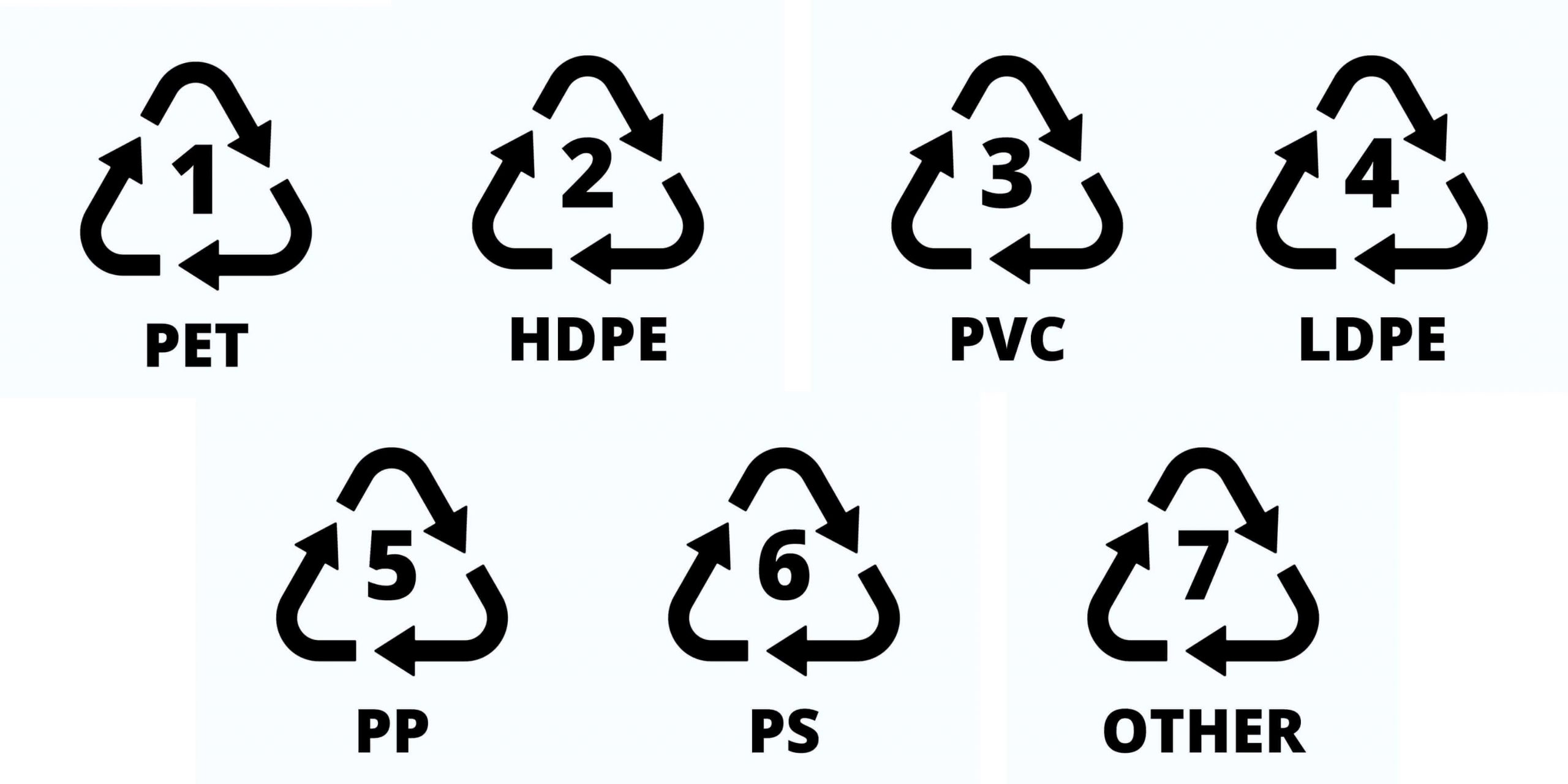
Polypropylene (PP), identified by the resin identification code #5, is a versatile thermoplastic polymer used extensively in food packaging, automotive parts, and consumer goods. To recycle it effectively, consumers must ensure containers are empty, clean, and dry before placing them in bins accepted by local Material Recovery Facilities (MRFs) or specialized drop-off programs.
As of 2026, the landscape of plastic management has shifted toward a more circular economy. Polypropylene, once considered a "marginal" plastic in many municipal programs, has seen a significant rise in recovery rates due to technological advancements in sorting and increased demand for recycled content in manufacturing. Understanding how to handle this specific material is crucial for reducing landfill waste and supporting sustainable industrial cycles.
Identifying Number 5 PP Plastic
Before a piece of plastic can be recycled, it must be correctly identified. Polypropylene is a "tough" plastic known for its high melting point, chemical resistance, and ability to act as a moisture barrier. These properties make it ideal for products that need to be microwave-safe or contain hot liquids.
Common household items made from #5 PP include:
- Food Containers: Yogurt cups, margarine tubs, syrup bottles, and microwaveable meal trays.
- Kitchenware: Reusable plastic containers (e.g., Tupperware), measuring cups, and kitchen utensils.
- Personal Care: Prescription medicine bottles, shampoo caps, and deodorant containers.
- Household Items: Bottle caps, drinking straws, storage bins, and luggage.
- Automotive: Battery cases, bumpers, and interior trim.
The "5" symbol is typically located on the bottom of the product, encased in a triangle of chasing arrows. However, the presence of the symbol does not always guarantee local recyclability. Consumers should check with their specific waste management provider, as infrastructure for PP varies by region.
The State of Polypropylene Recycling in 2026
In the early 2020s, PP recycling faced significant hurdles, often trailing behind PET (#1) and HDPE (#2) in terms of recovery volume. By 2026, the industry has reached a turning point. Major investments from organizations like The Recycling Partnership have funded the installation of advanced optical sorters in hundreds of MRFs across North America and Europe.
These technological upgrades allow facilities to distinguish PP from other plastics with near-perfect accuracy, even when the items are crushed or contaminated. Furthermore, the "Polypropylene Coalition" has successfully advocated for the reclassification of PP as "widely recycled" in many jurisdictions, provided the local facility has the requisite sorting technology.
The Rise of Advanced (Chemical) Recycling
While mechanical recycling remains the primary method for processing #5 plastic, 2026 has seen the commercial scaling of "advanced recycling" or chemical recycling. Unlike mechanical processes, which can degrade the plastic's quality over multiple cycles, chemical recycling breaks the polypropylene down into its original monomers. This allows the material to be purified and turned into "virgin-quality" resin, suitable even for sensitive medical or food-contact applications that were previously restricted for recycled content.
How to Correctly Recycle #5 Plastic: A Step-by-Step Process
Recycling #5 PP is not as simple as throwing it into a blue bin. To ensure the material actually gets processed and doesn't contaminate the stream, follow these technical guidelines.
1. Verification of Local Acceptance
The most critical step is confirming that your local municipality accepts #5 plastic. While many urban centers now do, some rural or smaller programs still lack the equipment to sort polypropylene effectively. You can verify this through local government websites or the How2Recycle labeling system found on many product packages.
2. Preparation: Clean and Dry
Contamination is the primary reason recycled plastic is sent to landfills. Food residue, oils, and liquids can degrade the quality of the plastic during the melting process.
- Rinse: Use a small amount of water to remove food particles from yogurt tubs or sauce bottles.
- Dry: Excess moisture can interfere with the optical sorting lasers. Ensure the item is dry before it enters the bin.
- Remove Liners: If a PP container has a foil seal (common in yogurt cups) or a paper label that isn't glued on, remove it.
3. The Cap Dilemma
For years, consumers were told to remove caps. In 2026, the standard advice for most modern facilities is to leave the caps on. Most bottle caps are made of PP, while the bottles themselves might be PET. During the "wash and float" stage of recycling, the different densities of the plastics allow them to be separated easily. Keeping the cap on the bottle ensures these small pieces of PP don't fall through the sorting grates and get lost.
The Technical Lifecycle of Recycled PP
Understanding what happens after the collection truck leaves can help clarify why certain preparation steps are necessary. The industrial process for recycling #5 plastic involves several high-tech stages.
| Stage | Process Description | Key Technology Used |
|---|---|---|
| Collection | Mixed recyclables are gathered and transported to a MRF. | Compactor trucks |
| Sorting | PP is separated from paper, glass, and other resin types. | Near-Infrared (NIR) Sorters |
| Cleaning | Shredded plastic is washed to remove adhesives and contaminants. | Hot caustic wash tanks |
| Separation | Materials are separated by density; PP floats while others sink. | Sink-float tanks |
| Extrusion | Clean flakes are melted and pushed through a die to create pellets. | Twin-screw extruders |
| Pelletizing | The plastic is cut into small "nurles" for manufacturing. | Underwater pelletizers |
Density Separation: The Science of Floatation
A defining characteristic of polypropylene is its density. PP has a density of approximately 0.90 to 0.91 grams per cubic centimeter (g/cm³). Since this is less than the density of water (1.0 g/cm³), PP will float. In a "sink-float" tank, recyclers can easily separate PP and HDPE (which also floats) from heavier plastics like PET and PVC, which sink. This mechanical property makes PP one of the more "separatable" plastics once it has been shredded into flakes.
Challenges and Economic Barriers
Despite technical improvements, #5 recycling faces unique challenges that prevent it from reaching 100% efficiency.
The Problem of Black Plastic
Many PP containers, especially in the "to-go" food industry, are black. Standard Near-Infrared (NIR) sensors often fail to detect black plastic because the carbon black pigment absorbs the infrared light rather than reflecting it back. While "sortable black" pigments have been developed, much of the legacy black PP still ends up in the "residue" pile destined for the landfill.
Economic Volatility
The price of recycled PP (rPP) is closely tied to the price of virgin plastic, which is derived from natural gas and petroleum. When oil prices are low, manufacturers often find it cheaper to buy virgin PP than to pay for the collection and processing of recycled material. To combat this, several regions have implemented "minimum recycled content" mandates by 2026, requiring manufacturers to use a certain percentage of rPP regardless of the cost of virgin resin.
Downcycling vs. Upcycling
Most mechanical recycling of PP results in "downcycling." Because the polymer chains can shorten or weaken when exposed to heat during the recycling process, the resulting plastic may not be as strong as the original. Consequently, a yogurt tub might be recycled into a park bench or a car bumper rather than a new yogurt tub. Advanced (chemical) recycling is currently the only viable path to true "upcycling" back into food-grade packaging.
Applications for Recycled Polypropylene (rPP)
The market for rPP has expanded significantly. In 2026, manufacturers are increasingly using it for durable goods rather than single-use items.
- Construction: Plastic lumber, composite decking, and drainage pipes.
- Automotive: Under-the-hood components, battery cases, and splash guards.
- Consumer Goods: High-end luggage, storage crates, and heavy-duty bins.
- Textiles: Recycled PP can be spun into fibers for industrial rugs, geo-textiles, and even certain types of performance apparel.
Using rPP instead of virgin material reduces energy consumption by approximately 88% and significantly lowers the carbon footprint of the manufacturing process.
Frequently Asked Questions
Is all #5 plastic microwave-safe?
While most #5 PP has a high heat tolerance (melting point ~160°C), not all items are designed for microwave use. Look for the "microwave-safe" symbol (wavy lines) in addition to the #5 resin code. Non-microwave-safe PP may contain additives that can migrate into food at high temperatures.
Can I recycle #5 plastic bags or films?
Usually, no. Even though some flexible films are made of polypropylene (BOPP), they cannot be processed by standard MRF machinery because they wrap around the rotating sorting drums, causing equipment failure. Plastic films and bags should generally be taken to specialized retail drop-off locations rather than placed in curbside bins.
Why is my local program not accepting #5 plastic yet?
The decision to accept PP is usually based on the "End Market" availability. If there is no local factory or buyer willing to purchase the bales of sorted #5 plastic, the municipality cannot afford to collect and sort it. As demand for recycled content increases due to 2026 sustainability regulations, more programs are expected to join.
What should I do with #5 plastics that aren't accepted curbside?
If your local bin doesn't take #5s, look for "hard-to-recycle" centers in your area. Organizations like TerraCycle offer specialized mail-back programs for specific PP items like medicine bottles or snack wrappers.
Are plastic straws made of PP?
Most traditional plastic straws are made of #5 polypropylene. However, due to their small size and light weight, they often fall through sorting equipment at recycling centers. Unless you can find a specific program that accepts "small format" plastics, straws are generally treated as trash.
Recommendations for Moving Forward
To maximize your impact on #5 PP recycling, prioritize a "Reduce and Reuse" strategy before relying on the "Recycle" step. When you must use #5 plastic, opt for clear or white containers over black or dark-colored ones, as these have a higher market value and are easier for facilities to sort.
For businesses, the next step is to audit packaging and transition toward "Mono-material" designs. Using #5 PP for both the container and the lid/label simplifies the recycling process and ensures the highest possible recovery rate. By staying informed about local guidelines and preparing materials correctly, consumers can ensure that polypropylene remains a resource rather than a pollutant in 2026 and beyond.