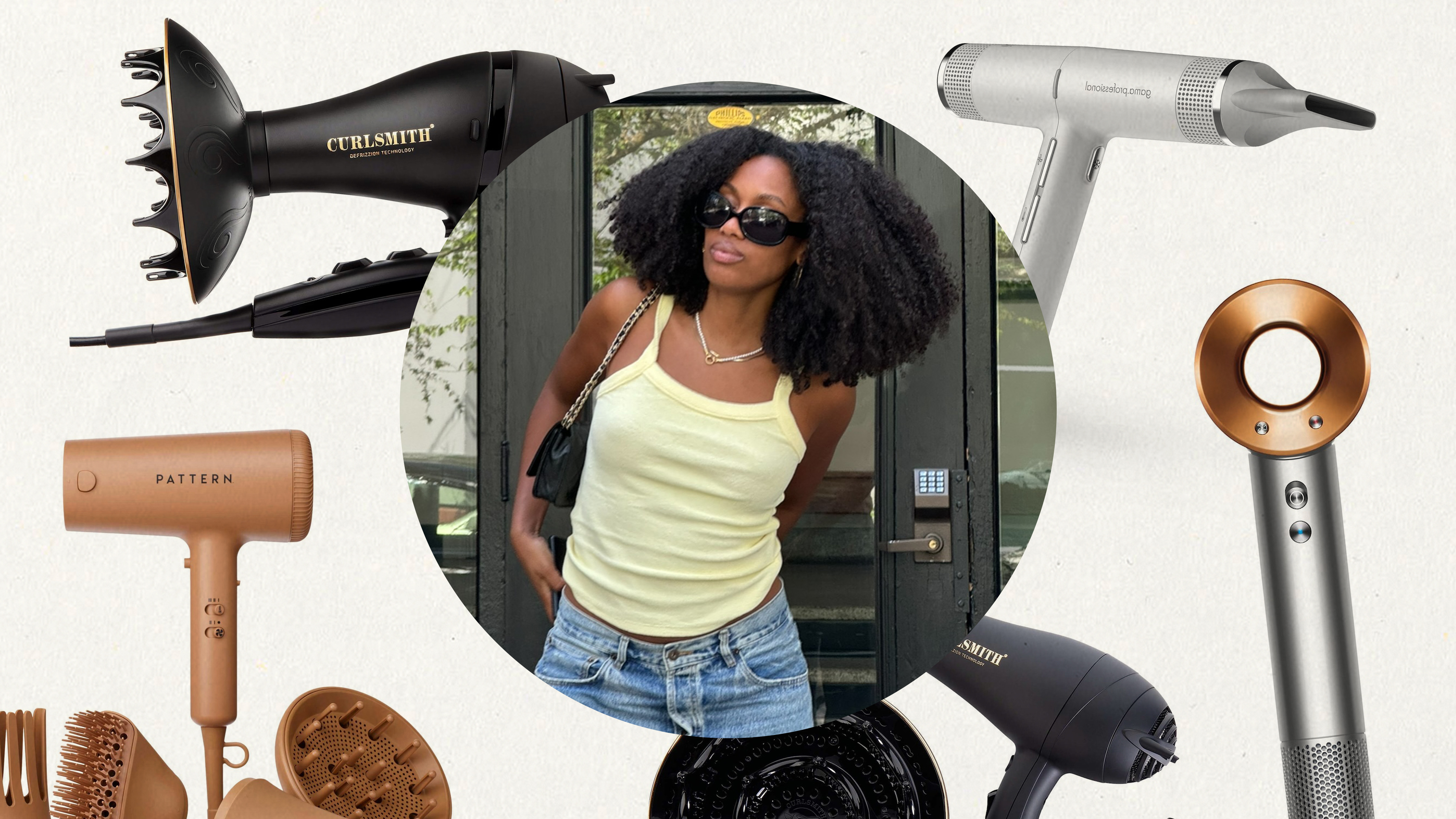
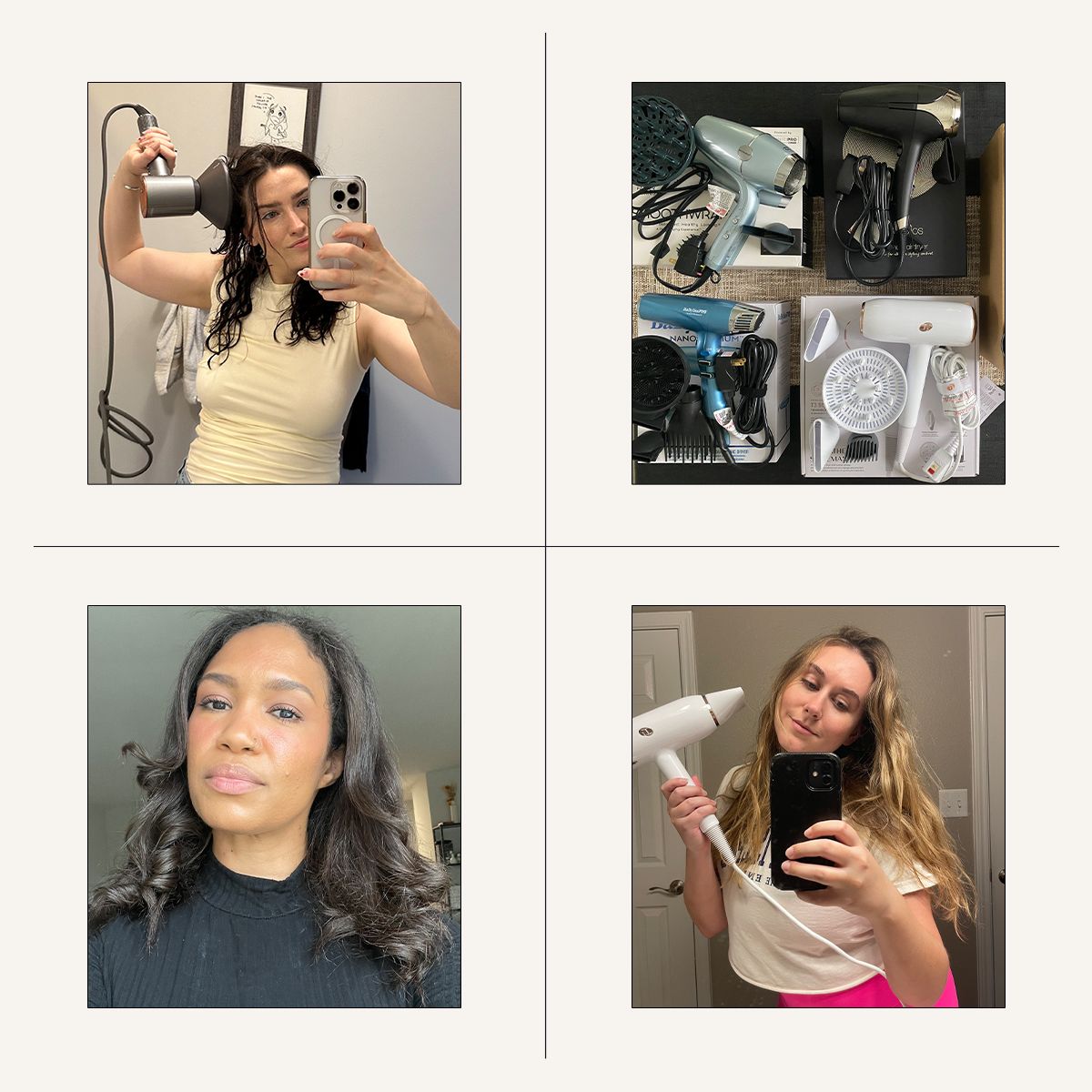
Finding the right blow dryer for afro and coily hair requires understanding heat distribution, airflow velocity, and attachment versatility, as tightly coiled textures are more prone to moisture loss, cuticle damage, and thermal breakage than straight hair types.
Managing afro hair safely with a blow dryer requires balancing drying speed with thermal protection. Because type 4 hair features tight coils and bends that make it difficult for natural scalp oils to travel down the hair shaft, these hair textures are naturally drier and more fragile. A quality hair dryer designed for textured hair must offer precise heat settings, powerful yet controlled airflow, and specialized attachments like high-density pik attachments or professional-grade diffusers. Selecting the right tool minimizes the need for multiple passes, reducing heat exposure and preserving curl elasticity or creating a smooth, stretched blowout safely.
Understanding Afro Hair Dynamics and Thermal Styling
Afro hair, structurally classified under Type 4, possesses a unique elliptical cross-section and distinct bend angles at every twist and turn. These structural characteristics create points of mechanical stress along the hair shaft. When applying heat during a blowout or a silk press preparation, thermal energy targets the water molecules trapped within the cortex. If the heat is applied unevenly or at excessive temperatures, the water inside converts to steam too quickly, leading to bubble hair—a permanent structural deformation—and severe cuticle rupture.
Effective drying and stretching for afro hair rely on aerodynamic efficiency and ionic technology. Negative ions help break down water droplets on the surface of the hair more rapidly, allowing moisture to infuse into the hair shaft rather than evaporating into the dry ambient air. Furthermore, ceramic or tourmaline heating elements emit far-infrared heat, which penetrates the hair shaft evenly from the inside out, reducing the surface-level thermal load. Understanding these scientific principles shifts the styling focus from simply applying maximum heat to optimizing airflow pressure and thermal control.
Key Features to Look for in a Blow Dryer for Coily Hair
When evaluating blow dryers for textured hair, several functional specifications dictate performance. Ignoring these parameters often results in prolonged drying sessions, tangled coils, and heat damage.
1. High-Performance AC or Brushless DC Motors
Budget-friendly blow dryers often utilize DC motors that produce high heat but weak airflow, forcing users to rely on excessive temperatures to dry thick, dense hair. Professional-grade AC motors or modern digital brushless motors generate high-velocity airflow that physically displaces water droplets away from the hair strands quickly, shortening exposure times and preventing localized hot spots.
2. Tailored Heat and Speed Settings
A minimum of three heat settings and two speed settings, accompanied by a dedicated cool-shot button, is essential. The cool-shot feature is critical at the end of a styling session; lowering the hair temperature rapidly sets the cuticle layer, locks in elongation, and adds natural-looking shine.
3. Comprehensive Attachment Ecosystem
Standard narrow concentrator nozzles are largely ineffective for dense afro hair because they can create localized heat stress and disrupt curl patterns. Look for dryers packaged with wide-tooth comb attachments made of heat-resistant materials (such as reinforced nylon or pik teeth with rounded tips) that distribute heat evenly through thick density, alongside large diffusers for defined drying without frizz.
Detailed Reviews of the 5 Best Blow Dryers for Afro Hair
The market features numerous styling tools, but only a select few meet the exacting demands of thick, coily, and tightly textured hair. The following selections represent the top-performing blow dryers evaluated for thermal stability, motor strength, ergonomic design, and textured-hair attachment compatibility.
1. Dyson Supersonic Hair Dryer
The Dyson Supersonic remains a benchmark in modern hair tool engineering due to its digital V9 motor housed entirely within the handle, shifting the center of gravity for exceptional ergonomics.
- Performance and Technology: Powered by intelligent heat control that measures air temperature over 40 times a second, it prevents extreme heat damage, preserving natural hair protein integrity.
- Textured Hair Integration: The inclusion of the specialized Wide-Tooth Comb attachment makes it exceptionally suited for afro hair. The comb features robust, evenly spaced teeth designed to lengthen coily hair as it dries without snagging or snapping fragile strands.
- Pros: Extremely fast drying time; lightweight balanced design; precise thermal regulation; highly durable attachments.
- Cons: Premium luxury price point; requires familiarization with magnetic attachment switching.
2. Revlon One-Step Volumizer Plus 2.0
While not a traditional blow dryer, this styling hot air brush has transformed wash-day routines for many individuals with afro hair seeking a stretched, voluminous finish in a single step.
- Performance and Technology: Combining a round brush barrel with built-in ionic and ceramic technology, the Plus 2.0 version features a narrower barrel base and lower temperature settings compared to its predecessor.
- Textured Hair Integration: It excels at stretching thick type 4 hair roots and smoothing the hair shaft simultaneously. However, because it comes into direct contact with the hair, users must pre-detangle thoroughly and apply a high-performance heat protectant.
- Pros: Combines drying and styling into one step; creates incredible root lift and volume; budget-friendly.
- Cons: Risk of mechanical tension breakage if used on improperly detangled hair; limited versatility for diffusion.
3. Shark HyperAIR Fast-Drying System
The Shark HyperAIR combines high-velocity ionized air with hyper-concentrated heat to deliver salon-quality drying speeds while maintaining intelligent styling control.
- Performance and Technology: The system features IQ Style-Packs that automatically adjust heat and airflow settings based on the specific attachment connected to the nozzle.
- Textured Hair Integration: When paired with its designated styling brush or concentrator accessories, it delivers smooth air streams that dry dense hair configurations quickly. For curly or coily routines requiring a diffuser, the system adapts to distribute even, gentle heat that defines curl patterns without causing frizz.
- Pros: Intelligent attachment recognition; rapid drying velocity; negative ion generator reduces static and frizz.
- Cons: Heavier than some competitors; bulkier profile for travel.
4. Conair InfinitiPRO 18350 Tourmaline Ceramic Dryer
For those seeking professional-grade performance without a luxury financial investment, the Conair InfinitiPRO provides robust reliability and proven hair-care technology.
- Performance and Technology: It utilizes tourmaline ceramic technology to generate infrared heat and millions of natural ions, reducing drying time and smoothing the hair cuticle.
- Textured Hair Integration: Equipped with a true cold shot button and multiple heat/speed combinations, it pairs well with universal wide-tooth comb attachments and diffusers, making it adaptable for both stretching afro hair and preserving natural curl definition.
- Pros: Highly affordable; reliable AC motor lifespan; lightweight construction.
- Cons: Included attachments may require upgrading to heavy-duty textured piks; louder operational noise than brushless alternatives.
5. T3 AireLuxe Professional HD Hair Dryer
The T3 AireLuxe utilizes custom-engineered ion generator technology and a wide airstream to dry hair rapidly while preserving moisture balance.
- Performance and Technology: Featuring 15 heat and speed combinations powered by an advanced fan design, it optimizes airflow volume to condition the hair cuticle during the drying process.
- Textured Hair Integration: The wide airflow coverage dries large sections of dense afro hair quickly, reducing the overall duration of heat exposure. Its custom drying modes prevent overheating at the hair ends, which are the oldest and most fragile parts of coily hair.
- Pros: Highly customizable airflow settings; sleek aesthetics; ergonomic grip.
- Cons: Premium price tier; specialized attachments sold separately depending on the retail package.
Comparative Analysis of Top Blow Dryers for Afro Hair
| Blow Dryer Model | Motor Type | Key Technology | Best Suited For | Price Tier |
|---|---|---|---|---|
| Dyson Supersonic | Digital V9 Brushless | Intelligent Heat Control | Ultimate precision and protected stretching | Luxury |
| Revlon One-Step Plus 2.0 | Standard DC | Ceramic / Ionic Hot Air Brush | Simultaneous drying and volumizing | Budget |
| Shark HyperAIR | High-Velocity DC | IQ Auto-Configuring Attachments | Fast drying with adaptive settings | Mid-Range |
| Conair InfinitiPRO | AC Motor | Tourmaline Ceramic | Reliable daily performance on a budget | Budget |
| T3 AireLuxe | Advanced Fan Engine | Custom Ion Generator | Versatile airflow control and moisture retention | Premium |
Step-by-Step Guide to Blow Drying Afro Hair Safely
Achieving a successful blowout on afro hair without compromising structural integrity requires a structured, multi-step routine.
- Thorough Cleansing and Conditioning: Start with a hydrating shampoo and a rich, penetrating deep conditioner. Coily hair must be properly moisturized and detangled while saturated with conditioner using a flexible wide-tooth comb or detangling brush.
- Moisture Sealing and Heat Protection: Apply a high-quality, silicone-based or polymer-based heat protectant evenly throughout damp hair. Follow up with a lightweight leave-in conditioner to maintain the moisture balance within the cortex.
- Sectioning: Divide the hair into four to eight distinct sections using sectioning clips. Working in smaller, manageable quadrants ensures that heat penetrates evenly and prevents the need to re-dry the same section repeatedly.
- Controlled Drying Technique: Begin drying at the roots using medium heat and high speed, holding the dryer approximately six inches away from the hair unless using a fitted comb attachment. Gently guide the comb attachment or a tension brush down the section from root to tip.
- The Cooling Phase: Finish each dried section by pressing the cool-shot button for five to ten seconds to seal the cuticle layer, lock out humidity, and maximize natural shine.
Common Mistakes to Avoid When Blow Drying Coily Hair
Even with the best tools on the market, improper technique can lead to heat damage, split ends, and irreversible curl pattern loosening (often referred to as heat damage).
- Drying Soaking Wet Hair: Applying high-velocity heat to hair that is dripping wet causes aggressive steam expansion inside the hair shaft. Always towel-blot or micro-fiber wrap hair until it is damp before introducing a blow dryer.
- Skipping Heat Protectant: Heat protectants create a microscopic thermal barrier that slows down heat transfer, mitigating moisture evaporation rates. Skipping this step leaves the hair cuticle directly exposed to extreme temperatures.
- Using Excessively High Heat Settings: There is a common misconception that maximum heat is required to stretch afro hair. Modern high-velocity dryers provide all the power needed through airflow speed rather than scorching temperatures. Always favor lower heat tiers combined with efficient airflow.
Frequently Asked Questions
Is it better to use a comb attachment or a diffuser for afro hair?
The choice depends entirely on your styling goals. If your objective is to straighten, stretch, or prepare your afro hair for a silk press, a high-density wide-tooth comb attachment is essential to stretch the coils from root to tip safely. If you want to maintain your natural curl pattern while drying quickly without frizz, a deep bowl diffuser is the superior choice.
How often should afro hair be blow-dried?
To maintain optimal hair health and minimize cumulative thermal stress, limit blow-drying routines to once every two to four weeks. Always prioritize deep conditioning treatments and protein-moisture balance checks between styling sessions.
Can blow-drying cause permanent damage to type 4 hair?
Yes, excessive heat, lack of thermal protection, or using unconditioned, tangled hair can lead to permanent structural modification, known as heat damage. This manifests as straightened, limp ends that fail to revert to their natural coily state when washed. Using regulated, high-velocity dryers significantly minimizes this risk.
Do ionic blow dryers dry afro hair faster?
Yes. Ionic technology generates negative ions that break down large water cluster molecules on the hair surface into micro-droplets, allowing them to evaporate at a much faster rate. This reduces the total time your hair is exposed to thermal energy.
Final Recommendation
For individuals seeking absolute precision, uncompromising thermal protection, and dedicated textured-hair accessories, the Dyson Supersonic with its engineered Wide-Tooth Comb attachment represents the pinnacle investment for afro hair care. If budget constraints are a primary factor, the Conair InfinitiPRO offers dependable motor performance and effective ceramic heat distribution to achieve safe, consistent styling results. Evaluate your specific styling goals, hair density, and maintenance schedule to select the tool that best supports your healthy hair journey.