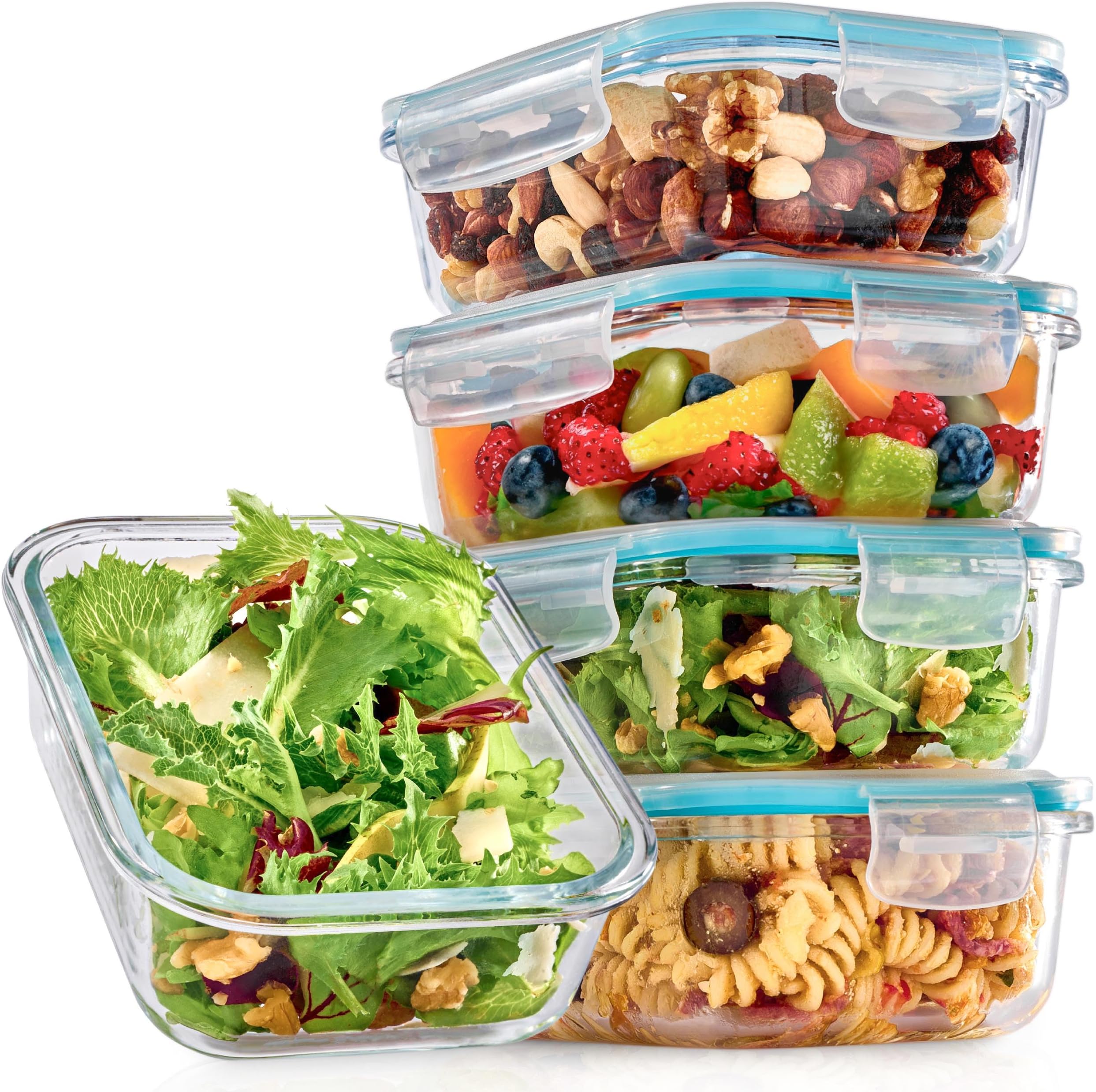
A 4 cup meal prep container, typically holding 32 fluid ounces or approximately 950 milliliters, is the industry standard for balanced, single-serving meals. These containers provide sufficient volume for bulky greens, protein-heavy entrees, or batch-cooked grains, making them the most versatile choice for fitness enthusiasts and busy professionals seeking organized nutrition.
Understanding the 4 Cup Capacity: Volume and Dimensions
When we discuss a 4 cup meal prep container, we are looking at a specific volume threshold that bridges the gap between small snack bowls and large family-sized storage. In the context of 2026 kitchen standards, 32 ounces is recognized as the "sweet spot" for several reasons. For the average adult, a satiating meal consists of roughly 2 to 4 cups of food by volume, depending on the caloric density of the ingredients.
Physically, these containers usually follow standard dimensions to ensure they fit within modern refrigerator shelving units. A rectangular 4-cup glass container typically measures approximately 8 inches in length, 6 inches in width, and 2.5 inches in height. Round variants generally feature a diameter of 6 to 7 inches. Understanding these dimensions is crucial for "fridge Tetris"—the art of stacking containers efficiently to maximize vertical space.
The volume itself is often measured to the brim. This is a critical distinction for meal preppers. If you are storing liquids like soup or stew, you cannot actually utilize the full 4-cup capacity without risking spills or lid interference. Practically, a 4-cup container safely holds about 3.5 cups of liquid or 4 cups of "loose" solids like roasted broccoli or sliced chicken breast.
Material Science: Choosing the Right Build for 2026
As of 2026, the market for meal prep containers has matured significantly, focusing on durability, chemical safety, and environmental impact. Selecting the right material depends on your lifestyle, specifically how you heat and transport your food.
Borosilicate vs. Soda-Lime Glass
Glass remains the gold standard for long-term meal prep. However, not all glass is created equal.
- Borosilicate Glass: This material contains boron trioxide, which allows for a very low coefficient of thermal expansion. In 2026, high-end 4 cup containers are almost exclusively borosilicate, meaning they can go directly from a cold refrigerator into a hot oven without shattering. This "thermal shock resistance" is vital for those who bake their meals directly in their prep containers.
- Soda-Lime Glass: This is the most common form of glass used in cheaper sets. While durable and dishwasher safe, it is more susceptible to breaking under extreme temperature shifts. If your meal prep involves only microwave heating, soda-lime is a cost-effective alternative.
BPA-Free Plastics and Advanced Polymers
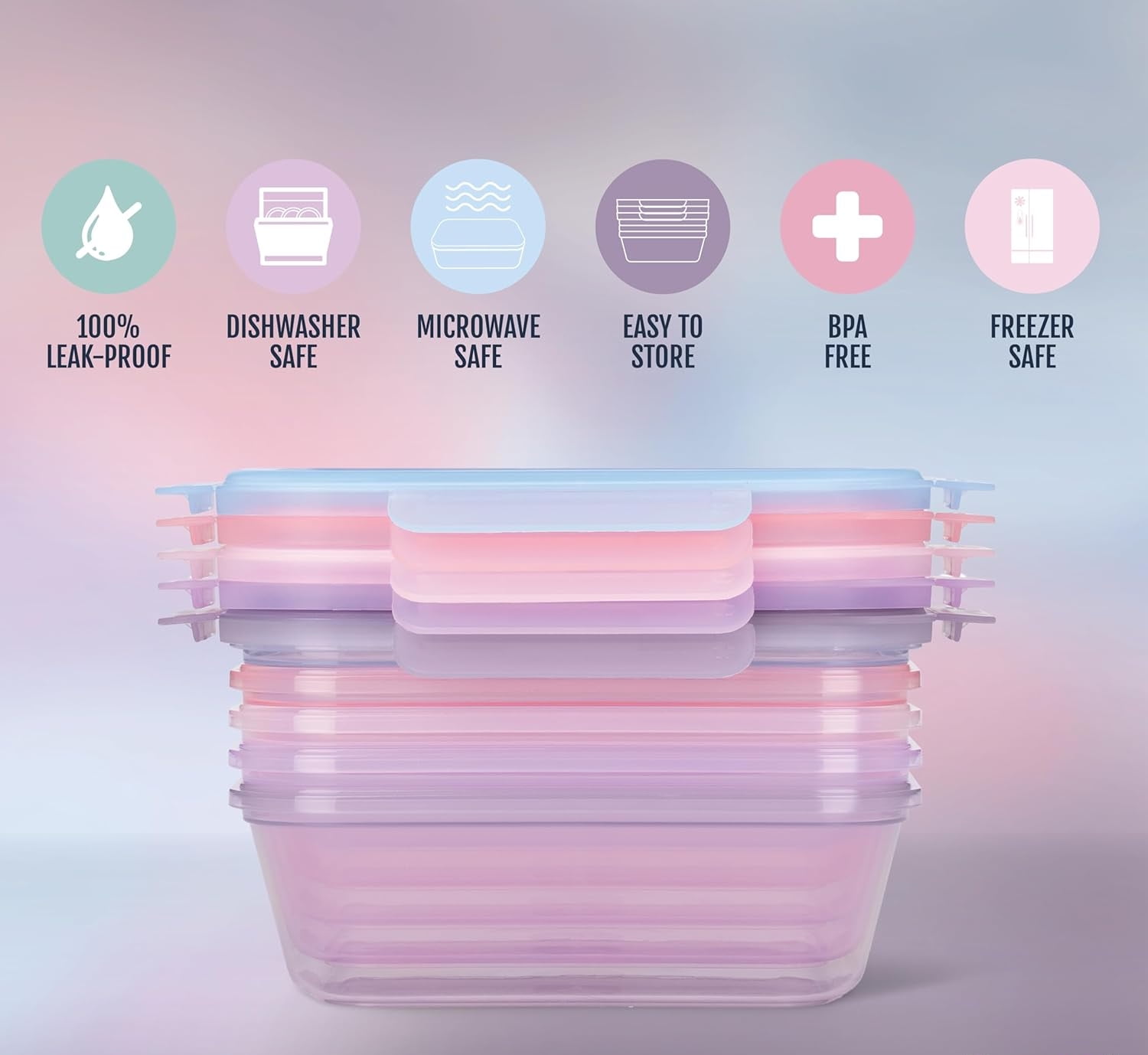
Modern plastics have moved far beyond the basic Tupperware of previous decades. Current 2026 regulations have tightened around endocrine disruptors, leading to the rise of Tritan plastic. Tritan is a BPA-free copolyester that offers the clarity of glass with the impact resistance of plastic. It does not retain odors or stains from tomato-based sauces, which was a primary complaint with older plastic models. Plastic is the preferred choice for commuters due to its lightweight nature and "unbreakable" profile.
Food-Grade Silicone
Silicone 4 cup containers are gaining popularity for their "collapsible" nature. These are ideal for those with limited cabinet space. Once the meal is consumed, the container can be flattened to less than an inch in height. Quality silicone is heat-resistant up to 450°F and is inherently non-stick, though it can sometimes absorb the scent of strong spices like curry or garlic over many uses.
The Benefits of Using a 32-Ounce Container for Meal Prep
The primary advantage of the 4 cup size is its alignment with portion control and nutritional balance. For someone following a standard 2,000-calorie diet, a 4-cup container allows for a "macro-balanced" meal structure:
- Two cups of vegetables: Providing essential fiber and micronutrients without excessive calories.
- One cup of protein: Such as grilled chicken, tofu, or lean beef.
- One cup of complex carbohydrates: Like brown rice, quinoa, or roasted sweet potatoes.
Beyond nutrition, the 4-cup size is the most efficient for batch cooking. Most standard recipes (like a pot of chili or a tray of roasted vegetables) divide evenly into 4-cup increments. Using uniform container sizes simplifies the logistics of cooking; you know exactly how many "units" of food you have prepared for the week ahead, reducing decision fatigue during busy workdays.
Comparing Lid Technologies and Seal Integrity
A container is only as good as its lid. In 2026, the focus on "leak-proof" technology has led to three dominant lid styles for 4 cup containers:
- Snap-Lock Lids: These feature four plastic hinges that clip onto the rim of the container. They utilize a silicone gasket to create an airtight seal. These are generally the most secure for transporting liquids like soups or dressings.
- Press-Fit/Suction Lids: Common in glass sets, these lids rely on a wide silicone lip that creates a vacuum seal when pressed down. While sleek and often more aesthetically pleasing, they can lose their "grip" if the rim of the container is oily or wet.
- Screw-Top Lids: Often found on round 4-cup containers (frequently referred to as "quart jars" or their plastic equivalents), these provide the highest level of security against leaks but are less convenient for quick access or stacking.
According to the ASTM International standards for food storage, the longevity of these seals depends heavily on washing habits. High-heat dishwasher cycles can degrade silicone gaskets over 2-3 years, leading to a loss of airtightness.
Practical Comparison of 4 Cup Meal Prep Containers
The following table compares the most common configurations of 4 cup containers available in 2026.
| Feature | Borosilicate Glass | Tritan Plastic | Collapsible Silicone | Stainless Steel |
|---|---|---|---|---|
| Durability | High (Scratch resistant) | Medium (Impact resistant) | High (Flexible) | Very High |
| Microwave Safe | Yes | Yes (BPA-Free) | Yes | No |
| Oven Safe | Yes (up to 500°F) | No | Yes (up to 450°F) | Yes (No lids) |
| Weight | Heavy (~1.2 lbs) | Light (~0.4 lbs) | Medium (~0.6 lbs) | Light (~0.5 lbs) |
| Stain Resistance | Excellent | Good | Fair | Excellent |
| Airtight Seal | Excellent (Snap-Lock) | Excellent | Good | Fair to Good |
Best Practices for Maintenance and Longevity
To ensure your 4 cup meal prep containers last for years rather than months, specific maintenance protocols should be followed.
Avoid Thermal Shock: Even borosilicate glass has limits. Never take a container from the freezer and place it directly into a preheated oven. Allow it to sit at room temperature for 15 minutes, or place it in a cold oven and let it heat up gradually with the appliance.
Gasket Care: The silicone gasket inside the lid is the most common point of failure. Remove the gaskets once a month and soak them in a mixture of vinegar and warm water to kill any trapped bacteria or mold. Ensure they are completely dry before reinserting them to prevent "musty" odors.
Stain Prevention: If using plastic or silicone containers, rinse them with cold water immediately after use, especially if they contained acidic or highly pigmented foods like tomato sauce or turmeric. For stubborn stains, a paste of baking soda and water left overnight can lift most discolorations without scratching the surface.
Common Mistakes in Selecting Meal Prep Containers
One of the most frequent errors is prioritizing price over modularity. Buying mismatched 4 cup containers from various brands often leads to a "lid graveyard" where parts are not interchangeable. It is highly recommended to buy in sets of 5 or 10 from a single manufacturer. This ensures that every lid fits every container, saving significant time during the packing process.
Another mistake is ignoring the rim design. Containers with thick, rolled rims are easier to grip but can trap food particles in the dishwasher. Containers with "flush" rims are more hygienic and easier to clean but can be slippery when condensation forms on the outside.
Furthermore, many users fail to check if their 32-ounce containers are truly "airtight" or merely "water-resistant." For long-term meal prep (meals eaten 4-5 days after cooking), an airtight seal is mandatory to prevent oxidation and "fridge smells" from permeating the food.
Troubleshooting Leakage and Staining
If your 4 cup container begins to leak, the issue is usually not the container itself but the silicone gasket. Over time, these gaskets can flatten or lose their elasticity. You can often "revive" a gasket by placing it in boiling water for 30 seconds, which helps the material regain its original shape. If the lid hinges become white or stressed, the plastic is reaching the end of its fatigue life and the lid should be replaced.
For cloudiness in glass containers (often caused by hard water minerals), a soak in a 50/50 solution of white vinegar and water will restore the clarity. Avoid using abrasive steel wool, as micro-scratches in glass can become breeding grounds for bacteria and weaken the structural integrity of the container.
FAQ
Can I put a 4 cup glass container in the freezer? Yes, most glass containers are freezer-safe, but you must leave at least 10% "headroom" if you are freezing liquids. Liquids expand as they freeze, and without enough space, the pressure will crack the glass or pop the lid.
Is a 4 cup container too large for a standard lunch? It depends on the food. For a dense meal like lasagna, 4 cups might be two servings. However, for a high-volume meal like a salad or a grain bowl with lots of roasted vegetables, 4 cups is the ideal size to ensure you are full until dinner.
Are these containers safe for the bottom rack of the dishwasher? Glass and stainless steel are perfectly safe on the bottom rack. However, plastic lids and silicone containers should generally stay on the top rack where the heating element is less likely to warp the material or degrade the seals.
How do I know if my container is truly BPA-free in 2026? Look for the resin identification code on the bottom. While "BPA-free" is a common label, checking for the "Tritan" trademark or specific certifications from bodies like the FDA or EFSA ensures the product meets current safety standards.
What is the difference between a 4 cup container and a "quart" container? They are functionally the same. One U.S. quart is exactly 4 cups (32 fluid ounces). However, "quart" usually refers to vertical storage jars, while "4 cup container" usually refers to the flat, rectangular shapes used for meal prepping.
Practical Recommendation
For the best balance of health, durability, and convenience in 2026, invest in a 6-pack of 4 cup borosilicate glass containers with snap-lock lids. This set size allows for a full work week of lunches plus one extra for dinner or leftovers. Glass ensures your food tastes exactly as you cooked it without chemical leaching, and the snap-lock lids provide the security needed for worry-free transport in a gym bag or briefcase. If you are a frequent commuter, consider keeping one or two Tritan plastic variants for days when weight and portability are your top priorities.