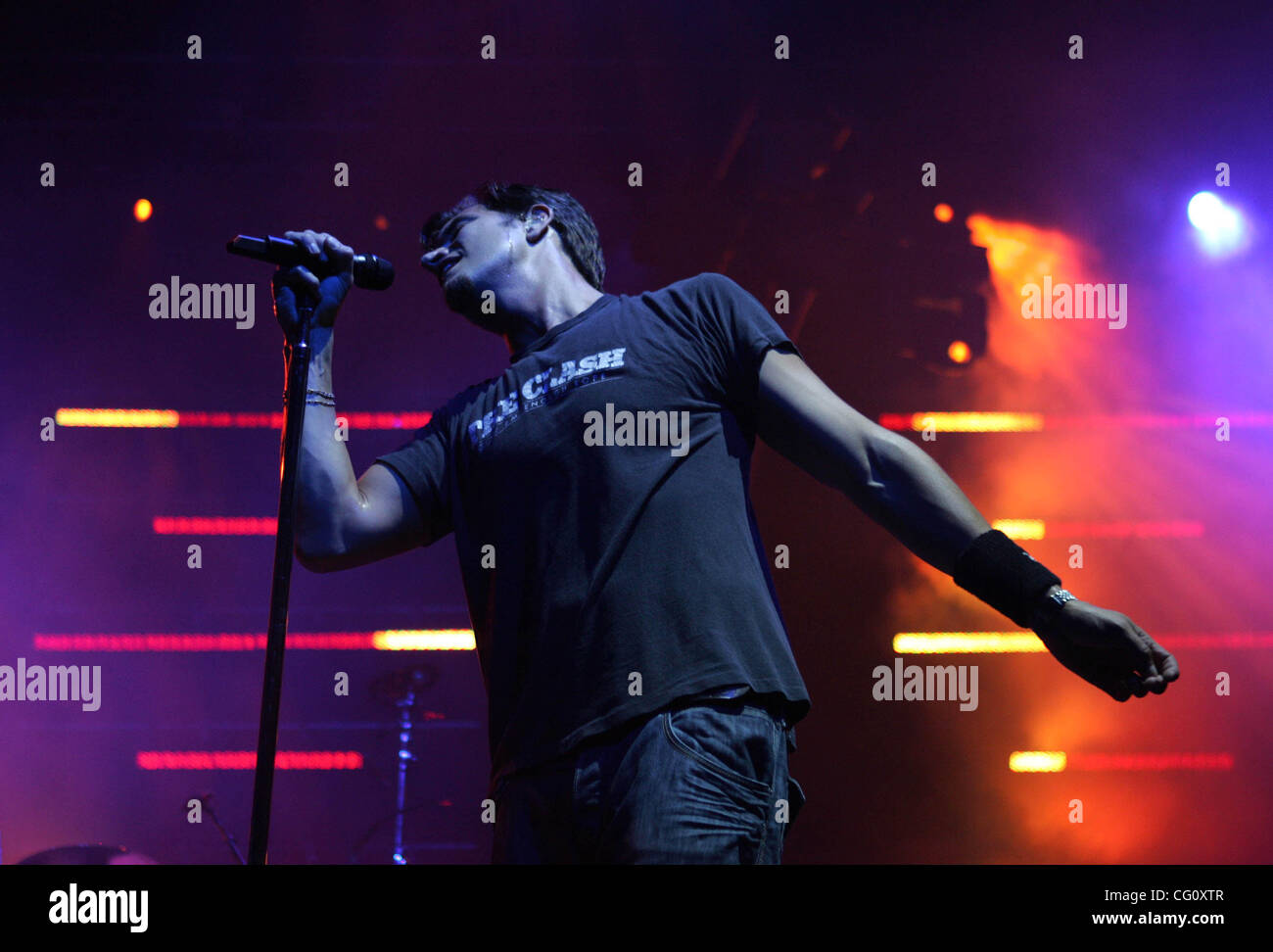
The multi-genre alternative rock band 311 features a distinctive vocal partnership between primary singer and rhythm guitarist Nick Hexum and rapper/vocalist Doug "SA" Martinez. This dual-frontman approach blends melodic harmonies with rapid-fire hip-hop rhymes, defining the band's signature fusion of rock, reggae, funk, and rap since their formation in 1990.
The Origins and Foundation of 311's Vocal Dynamic
The band 311 originated in Omaha, Nebraska, in 1990, founded by vocalist and guitarist Nick Hexum, original guitarist Jim Watson, bassist Aaron "P-Nut" Wills, and drummer Chad Sexton. From the earliest basement jam sessions and independent cassette releases, the band leaned into an eclectic mix of musical styles.
Nick Hexum brought a smooth, melodic vocal delivery heavily influenced by classic rock, alternative icons, and a relaxed reggae cadence. His phrasing established the primary melodic anchors for the band's compositions, giving tracks an accessible, radio-friendly appeal while retaining an underground edge.
However, the vocal identity shifted significantly when Doug "SA" Martinez joined the fold shortly after the band's initial formation. Martinez introduced a high-energy rap delivery, toasting (a style of chanting or lyrical delivery originating in Jamaican dancehall music), and counter-melodies that transformed 311 from a standard alternative rock outfit into a multifaceted sonic collective.
The integration of Hexum’s melodic singing and Martinez’s rhythmic rapping created a dynamic interplay that separated 311 from the grunge and alternative heavyweights of the early 1990s. Rather than competing for sonic space, the two vocalists carved out complementary roles that allowed them to trade verses, harmonize on choruses, and drive the emotional and rhythmic pacing of every song.
Defining the Roles: Nick Hexum vs. Doug "SA" Martinez
To understand the mechanics of 311’s music, it is essential to examine how Nick Hexum and SA Martinez divide vocal responsibilities across studio albums and high-energy live performances.
Nick Hexum: Melodic Anchor and Songwriting Architect
Nick Hexum serves as the primary songwriter, lead melodic vocalist, and rhythm guitarist. His role encompasses:
- Melodic Delivery: Crafting the core vocal melodies of the verses and choruses, often utilizing a breezy, laid-back tone that evokes coastal California vibes despite the band's Midwestern roots.
- Harmonic Layering: Providing rich vocal harmonies, frequently overdubbing his own voice in the studio to create lush, multi-part vocal arrangements.
- Lyrical Thematics: Penning lyrics that frequently explore themes of unity, positive mental attitude (PMA), introspection, romance, and cosmic philosophy.
- Instrumental Integration: Balancing guitar duties—ranging from clean, syncopated reggae skanks to heavy distortion riffs—while executing his vocal lines.
Doug "SA" Martinez: Rhythmic Catalyst and Counterpoint
Doug "SA" Martinez brings a kinetic energy and distinct street-level cadence to the group. His role encompasses:
- Rapid-Fire Delivery: Executing complex, syncopated rap verses that push the tempo and inject hip-hop and dancehall aesthetics into the mix.
- Toasting and Chanting: Utilizing Jamaican-inspired vocal toasting to bridge the gap between heavy rock grooves and dub reggae breakdowns.
- High-Energy Stage Presence: Acting as a primary hype man and dynamic stage performer during live concerts, utilizing vocal runs to engage crowds and elevate the intensity of the performance.
- Harmonic Counterpoint: Providing high-register backing vocals and counter-melodies that weave around Hexum's lead lines, creating a thick, layered vocal wall.
Evolution of the Vocal Style Across Eras
Throughout a career spanning over three decades, the vocal approach of Hexum and Martinez has adapted to shifting musical landscapes while maintaining its core identity.
The Formative Underground Era (1990–1992)
During the independent cassette years—such as Dammit! and Unity—the vocal style was raw and experimental. Martinez’s rapping was more aggressive and unpolished, while Hexum’s vocals leaned heavily into raw alternative rock shouting and early reggae inflections. The chemistry was nascent, yet the blueprint of the dual-frontman attack was clearly established.
The Breakthrough and Multi-Platinum Years (1993–1999)
With major-label releases like Music, Grassroots, 311 (The Blue Album), and Transistor, the vocal dynamic matured. Tracks like "Down" and "All Mixed Up" showcased a refined interplay where Hexum handled the melodic hooks while Martinez delivered punchy, rhythmic verses. This era cemented their reputation for seamless genre-crossing, balancing melodic accessibility with rap-rock aggression.
The Experimental and Mature Phase (2000–Present)
On subsequent albums like From Chaos, Don't Tread on Me, Universal Pulse, Mosaic, and Voyager, the vocal partnership achieved maximum efficiency. Hexum’s voice acquired a warmer, more reflective tone, while Martinez continued to experiment with cadence, space, and vocal effects. Their maturity allowed for more nuanced songwriting, where verses flowed effortlessly between singing and rapping without feeling forced or dated.
Comparative Overview of the 311 Vocalists
| Vocalist | Primary Role | Key Vocal Techniques | Typical Lyrical Focus | Primary Instruments Played |
|---|---|---|---|---|
| Nick Hexum | Lead Melody & Rhythm | Melodic singing, multi-track harmony, light falsetto | Positivity, romance, introspection, philosophy | Rhythm guitar, keyboards, synthesizer |
| Doug "SA" Martinez | Rhythmic Counterpart | Rap verses, dancehall toasting, chanting, counter-melodies | Social unity, energy, street poetry, spiritual awakening | Turntables, auxiliary percussion, samples |
Collaborative Dynamics and Songwriting Process
The collaborative nature of 311 extends directly into how their vocal tracks are composed and recorded. Unlike bands with a single autocratic lyricist, Hexum and Martinez often bring separate ideas to the table, which are then integrated during studio sessions.
In many 311 songs, the verse structure is split intentionally. A song might open with a driving rap verse from Martinez to establish the groove and rhythmic momentum, followed by a sweeping, melodic chorus delivered by Hexum that opens up the arrangement. Alternatively, tracks like "Amber" showcase a predominantly melodic performance by Hexum, with Martinez providing subtle, atmospheric backing vocals and harmonies that add depth to the background mix.
This division of labor prevents vocal fatigue during grueling touring schedules and ensures that the band's sound never becomes monotonous. By trading the spotlight back and forth, Hexum and Martinez keep listeners engaged, shifting effortlessly between introspective balladry and high-octane rap-rock anthems.
Frequently Asked Questions
Who sings lead for 311?
311 features two primary vocalists: Nick Hexum, who handles the majority of the melodic lead vocals and choruses, and Doug "SA" Martinez, who delivers rap verses, toasting, and counter-melodies. Both share frontman duties equally.
How did Nick Hexum and SA Martinez start working together?
Nick Hexum formed the band in Omaha in 1990, and Doug "SA" Martinez joined shortly thereafter when the band relocated and expanded its sonic vision to incorporate hip-hop and reggae elements alongside alternative rock.
Does SA Martinez play any instruments in addition to singing?
Yes, alongside his vocal duties, SA Martinez frequently plays turntables, operates samplers, and utilizes auxiliary percussion during live performances and studio recordings.
Why is 311's vocal style considered unique?
The band bridges the gap between melodic alternative rock and hip-hop/reggae toasting. Unlike traditional rap-rock bands where a singer raps and sings alone, 311 utilizes two distinct vocalists whose contrasting tones and delivery styles blend into a unified front.
Conclusion and Next Actions
The enduring success of 311 is anchored by the unique vocal partnership between Nick Hexum and Doug "SA" Martinez. By combining melodic alternative rock singing with dynamic rap-toasting, they created a blueprint that influenced generations of genre-blending bands. To fully appreciate their history, listen chronologically from Music (1993) through their later catalog to hear how their vocal interplay matured while retaining its signature chemistry.