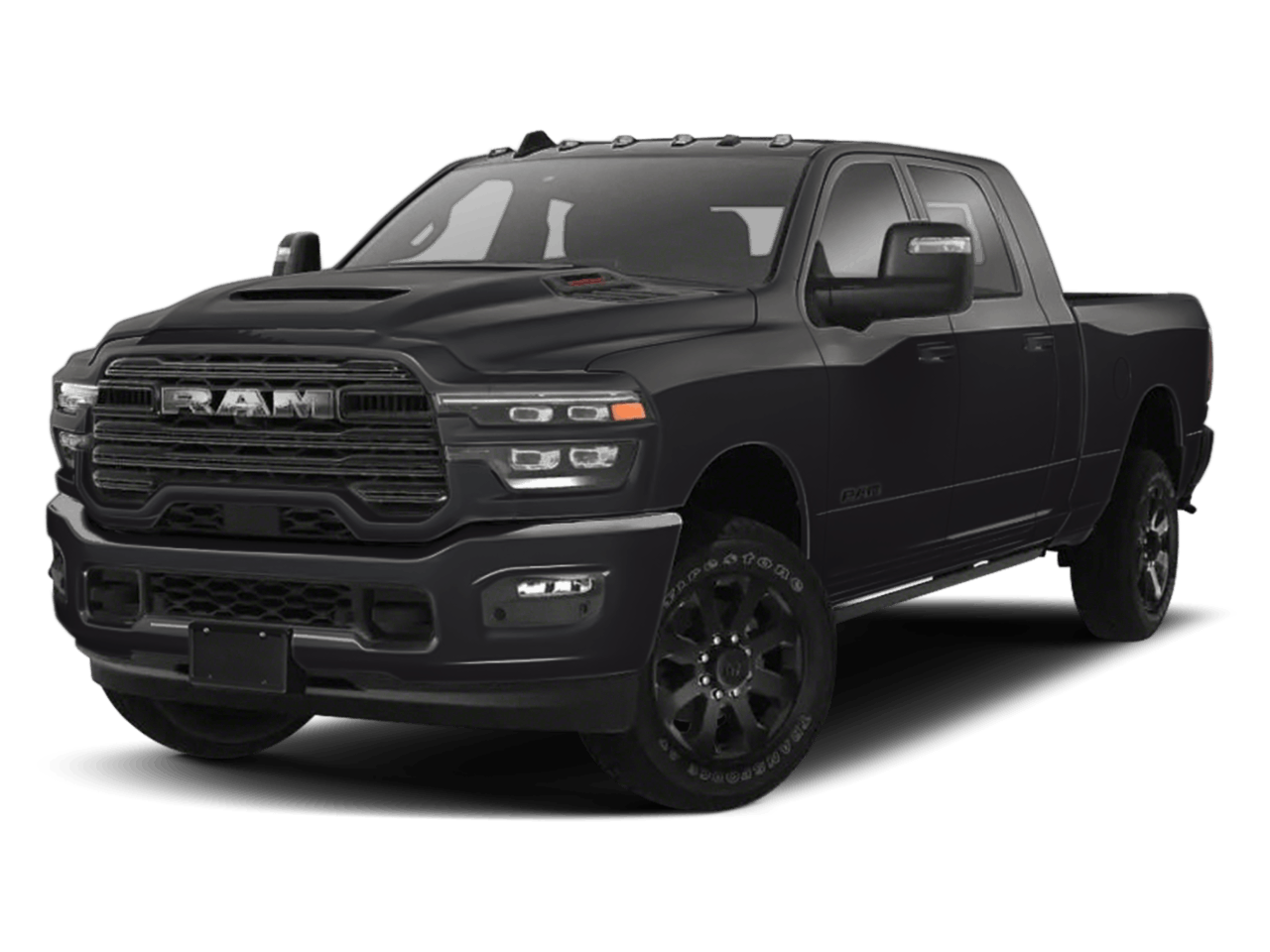
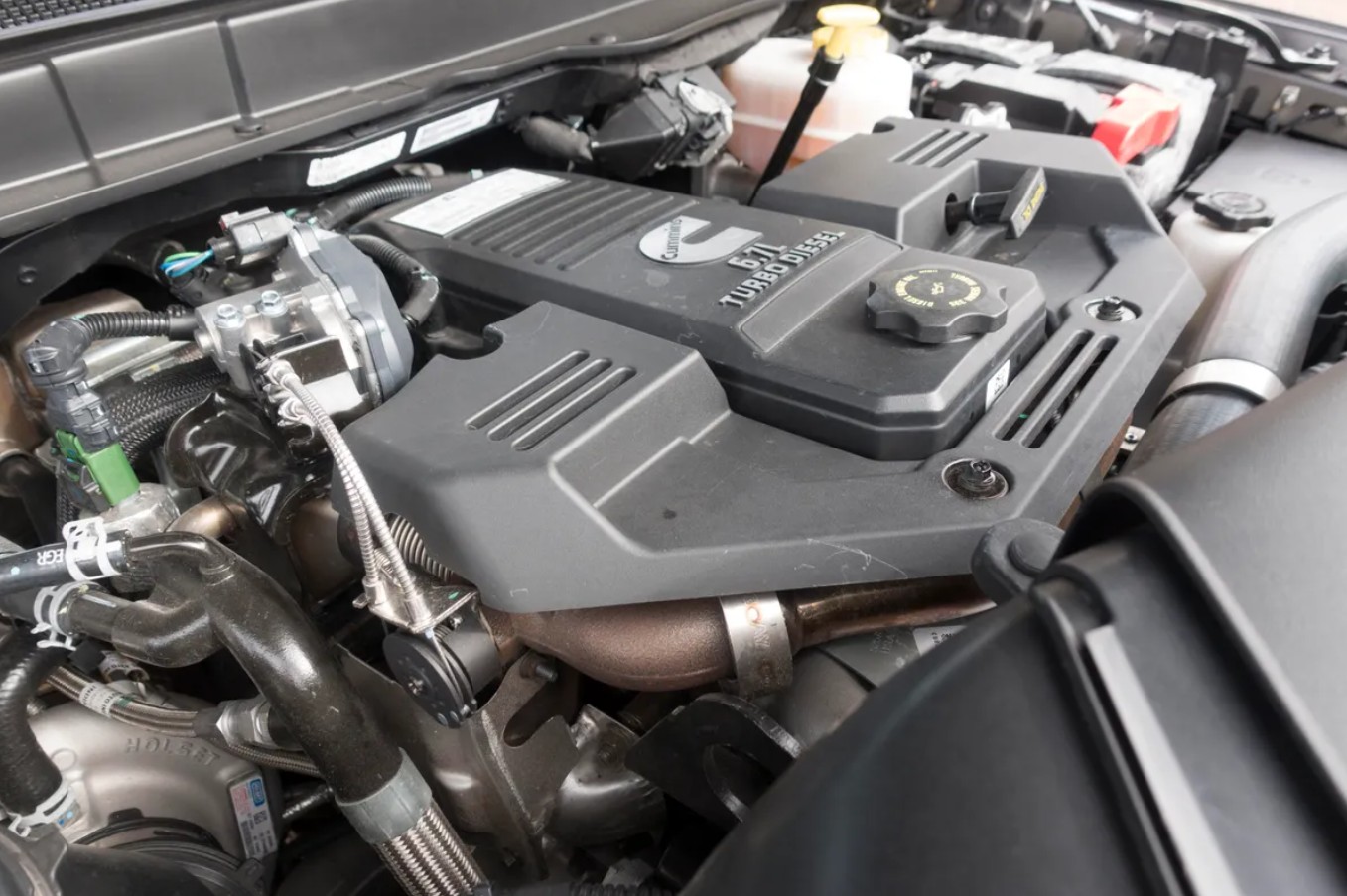
The 2026 Ram 3500 offers three primary engine configurations: the standard 6.4L HEMI V8 gasoline engine, the 6.7L Cummins Turbo Diesel (Standard Output), and the 6.7L Cummins High-Output (HO) Turbo Diesel. For 2026, these powertrains focus on enhanced thermal management and class-leading torque figures, specifically targeting a maximum towing capacity of up to 37,090 pounds when properly equipped with the High-Output diesel variant.
As the heavy-duty truck market becomes increasingly competitive, the 2026 Ram 3500 remains a cornerstone for hotshot haulers, agricultural operations, and luxury recreational towing. Selecting the right engine is not merely about horsepower; it is about matching the torque curve and transmission pairings to your specific payload and trailering requirements. This guide breaks down the technical specifications, performance capabilities, and maintenance considerations for each 2026 Ram 3500 engine option.
The 6.7L Cummins High-Output Turbo Diesel
The 6.7L Cummins High-Output (HO) remains the flagship engine for the 2026 Ram 3500. This engine is specifically engineered for the most demanding "max-tow" applications and is exclusive to the 3500 series, as the 2500 chassis is not rated to handle the cooling and structural requirements of this high-torque output.
Technical Architecture and Durability
The 2026 iteration of the Cummins HO utilizes a Compacted Graphite Iron (CGI) cylinder block. CGI provides significantly higher strength and stiffness compared to traditional grey cast iron while actually reducing overall weight. This material choice is critical for the 2026 model year, as it allows the engine to withstand higher cylinder pressures generated by the revised Variable Geometry Turbocharger (VGT).
Internally, the HO features high-strength forged connecting rods and a unique piston design with a heat-resistant bowl coating. These components are designed to manage the extreme heat generated when pulling 30,000+ pounds up a 6% grade. The 2026 model also benefits from an updated fuel injection system capable of 2,000 bar pressure, ensuring precise combustion and compliance with current emissions standards without sacrificing the "low-end grunt" that Cummins is known for.
Performance and Towing
For 2026, the High-Output Cummins delivers 420 horsepower and a staggering 1,075 lb-ft of torque. While the horsepower may seem modest compared to gasoline engines, the torque—available as low as 1,800 RPM—is what defines the driving experience. This engine is paired exclusively with the AISIN AS69RC six-speed automatic transmission, a commercial-grade gearbox designed specifically to handle the high-torque loads that would overwhelm standard light-duty transmissions.
The 6.7L Cummins Turbo Diesel (Standard Output)
The Standard Output (SO) version of the 6.7L Cummins is the workhorse of the lineup, offering a balance between massive diesel capability and a slightly lower price point. While it shares the same 6.7-liter displacement as the HO, it is tuned differently and paired with a different transmission.
Key Differences from the High-Output
The primary difference in the 2026 SO engine lies in the turbocharging and fueling maps. It produces 370 horsepower and 850 lb-ft of torque. While these numbers are lower than the HO, they are more than sufficient for most fifth-wheel trailers and heavy equipment hauling.
A critical distinction is the transmission pairing: the Standard Output Cummins is mated to the 68RFE six-speed automatic transmission. This transmission has been refined for 2026 with updated hydraulic controls to improve shift feel and durability. However, it does not possess the same commercial-grade torque rating as the AISIN, which is why the engine's output is electronically governed to 850 lb-ft to ensure long-term reliability.
Efficiency and Daily Use
The SO diesel is often preferred by users who prioritize fuel economy over maximum raw towing capacity. In unladen highway driving, the SO typically achieves slightly better MPG than its HO counterpart due to the lower parasitic loss of the 68RFE transmission and the optimized engine tuning. For the 2026 model year, Ram has also improved the Diesel Exhaust Fluid (DEF) consumption rate, lengthening the intervals between refills.
The 6.4L HEMI V8 Gasoline Engine
As the standard engine for the 2026 Ram 3500, the 6.4L HEMI V8 provides a robust solution for fleet operators and buyers who do not require the extreme towing capacity of a diesel or who wish to avoid the higher upfront costs and maintenance requirements of a turbocharged diesel system.
Engine Specs and Utility
The 6.4L HEMI produces 410 horsepower and 429 lb-ft of torque. Unlike the diesels, which rely on heavy turbocharging, the HEMI is a naturally aspirated engine, meaning it delivers power linearly throughout the RPM range. For 2026, the HEMI continues to utilize Variable Cam Timing (VCT) and Fuel Saver Technology (cylinder deactivation), which shuts down four cylinders during light-load highway cruising to conserve fuel.
The HEMI is paired with the ZF 8HP75 eight-speed automatic transmission. This gearbox is a standout in the 2026 lineup, offering much smoother shifting and better gear spacing than the six-speed diesel options. The extra gears allow the HEMI to stay in its power band more effectively, which is essential when navigating steep grades with a heavy payload in the bed.
Why Choose Gasoline in a 3500?
- Payload Capacity: Because the gasoline engine is significantly lighter than the Cummins diesel (which adds approximately 800-900 lbs to the front axle), HEMI-equipped Ram 3500s often have a higher maximum payload rating. This makes the HEMI the superior choice for slide-in campers or heavy service bodies.
- Cold Weather Performance: Gasoline engines warm up faster and do not require block heaters as urgently as diesels in sub-zero climates.
- Maintenance Costs: Gas engines do not require DEF, expensive fuel filters, or the specialized emissions equipment (DPF/SCR) that can be costly to repair out of warranty.
2026 Ram 3500 Engine Comparison Table
| Feature | 6.4L HEMI V8 | 6.7L Cummins (SO) | 6.7L Cummins (HO) |
|---|---|---|---|
| Horsepower | 410 hp | 370 hp | 420 hp |
| Torque | 429 lb-ft | 850 lb-ft | 1,075 lb-ft |
| Transmission | ZF 8-Speed Auto | 68RFE 6-Speed Auto | AISIN 6-Speed Auto |
| Fuel Type | Gasoline (87-89 Octane) | Ultra-Low Sulfur Diesel | Ultra-Low Sulfur Diesel |
| Max Towing (est.) | 18,210 lbs | 22,670 lbs | 37,090 lbs |
| Best For | High Payload / Fleet | General Heavy Towing | Max Towing / Commercial |
| Block Material | Cast Iron | Compacted Graphite Iron | Compacted Graphite Iron |
Transmission and Drivetrain Integration
The performance of the 2026 Ram 3500 engines is inseparable from the transmissions they are paired with. For 2026, Ram has optimized the software across all three gearboxes to provide better grade-braking and smarter shift points when "Tow/Haul" mode is engaged.
AISIN AS69RC (HO Diesel Only)
The AISIN transmission is the "heavy hitter." It features a wide gear ratio spread and a highly robust torque converter lock-up. In the 2026 model, the AISIN includes a Power Take-Off (PTO) capability, allowing owners to run hydraulic equipment (like a dump bed or crane) directly from the truck's powertrain. Its ability to handle the 1,075 lb-ft of torque makes it the only choice for the High-Output engine.
ZF 8HP75 (Gas Only)
The 8-speed ZF transmission is often cited by owners as the most "car-like" in its operation. Its quick shifts and wide ratio spread help the 6.4L HEMI feel more energetic than its torque numbers might suggest. For 2026, it features improved thermal cooling to prevent overheating during prolonged climbs.
68RFE (Standard Diesel Only)
The 68RFE is a Ram-designed transmission that has seen numerous incremental updates over the last decade. While it lacks the ultimate strength of the AISIN, it offers a comfortable middle ground for users who want diesel torque without the commercial-grade harshness or cost of the HO/AISIN combination.
Maintenance and Long-Term Ownership
Maintaining a 2026 Ram 3500 requires an understanding of the specific needs of your chosen engine. Diesel engines generally have higher maintenance costs but longer lifespans, while the gas engine is simpler but works harder under load.
Diesel Maintenance (Cummins)
The Cummins engines require high-quality 10W-30 or 5W-40 synthetic oil (depending on ambient temperature). For 2026, oil change intervals can extend up to 15,000 miles under ideal conditions, though heavy towing "severe duty" cycles should see changes every 7,500 miles.
- Fuel Filters: The Cummins uses a dual-filter system (a primary filter/water separator and a secondary nano-net filter). Both must be changed regularly to protect the high-pressure common rail system.
- Emissions: Ensuring the Diesel Particulate Filter (DPF) undergoes proper regeneration is key. Short city trips can clog the DPF; these engines are happiest when run at operating temperature on the highway.
Gasoline Maintenance (HEMI)
The 6.4L HEMI uses 0W-40 synthetic oil. Maintenance is relatively straightforward, involving standard oil and filter changes and spark plug replacements at the 100,000-mile mark. The lack of a turbocharger and emissions after-treatment (DEF) makes the HEMI a favorite for those planning to keep their truck for 15+ years.
Selecting the Right Engine for Your Use Case
To determine which engine fits your needs, evaluate your primary use for the truck:
- The Fleet/Utility Buyer: If the truck will be used for municipal work, snow plowing, or light construction, the 6.4L HEMI V8 is the logical choice. Its lower purchase price and simplified maintenance make it the most cost-effective for high-mileage fleets that don't tow over 15,000 lbs regularly.
- The Recreational RV-er: If you are towing a 15,000 to 20,000-lb fifth-wheel trailer across the country, the Standard Output 6.7L Cummins offers the best balance. It provides the exhaust braking benefits of a diesel (crucial for mountain descents) and plenty of torque without the added expense of the HO package.
- The Professional Hauler: For those pulling car haulers, heavy livestock trailers, or massive gooseneck flatbeds approaching the 30,000-lb mark, the High-Output 6.7L Cummins is the only viable option. The combination of the CGI block and the AISIN transmission is built to withstand 100% duty cycles in a way that the other engines are not.
For more information on configuring your vehicle, visit the official Ram Trucks website or consult the Cummins engine specification portal.
FAQ
Does the 2026 Ram 3500 require DEF?
Yes, all diesel versions (Standard and High-Output) of the 2026 Ram 3500 require Diesel Exhaust Fluid (DEF) to meet EPA emissions standards. The 6.4L HEMI gasoline engine does not require DEF.
Can I get the High-Output Cummins in a Ram 2500?
No. For the 2026 model year, the High-Output Cummins and the AISIN transmission remain exclusive to the Ram 3500 and higher (4500/5500 chassis cabs). The Ram 2500 is limited to the Standard Output diesel due to cooling and frame weight constraints.
Which 2026 engine has the highest payload?
Typically, the 6.4L HEMI V8 offers the highest payload capacity. Because the gasoline engine is much lighter than the diesel, more of the truck's Gross Vehicle Weight Rating (GVWR) can be dedicated to cargo in the bed rather than supporting the engine's weight.
What is the warranty on these engines?
The 2026 Ram 3500 Cummins diesel engines typically come with a 5-year/100,000-mile powertrain limited warranty. The 6.4L HEMI gasoline engine typically carries a 5-year/60,000-mile powertrain limited warranty.
Is the 2026 Cummins engine louder than previous years?
No, the use of the Compacted Graphite Iron (CGI) block and refined fuel injection timing for 2026 has actually reduced the NVH (Noise, Vibration, and Harshness) levels compared to older cast-iron Cummins engines, making the 2026 cabin remarkably quiet.