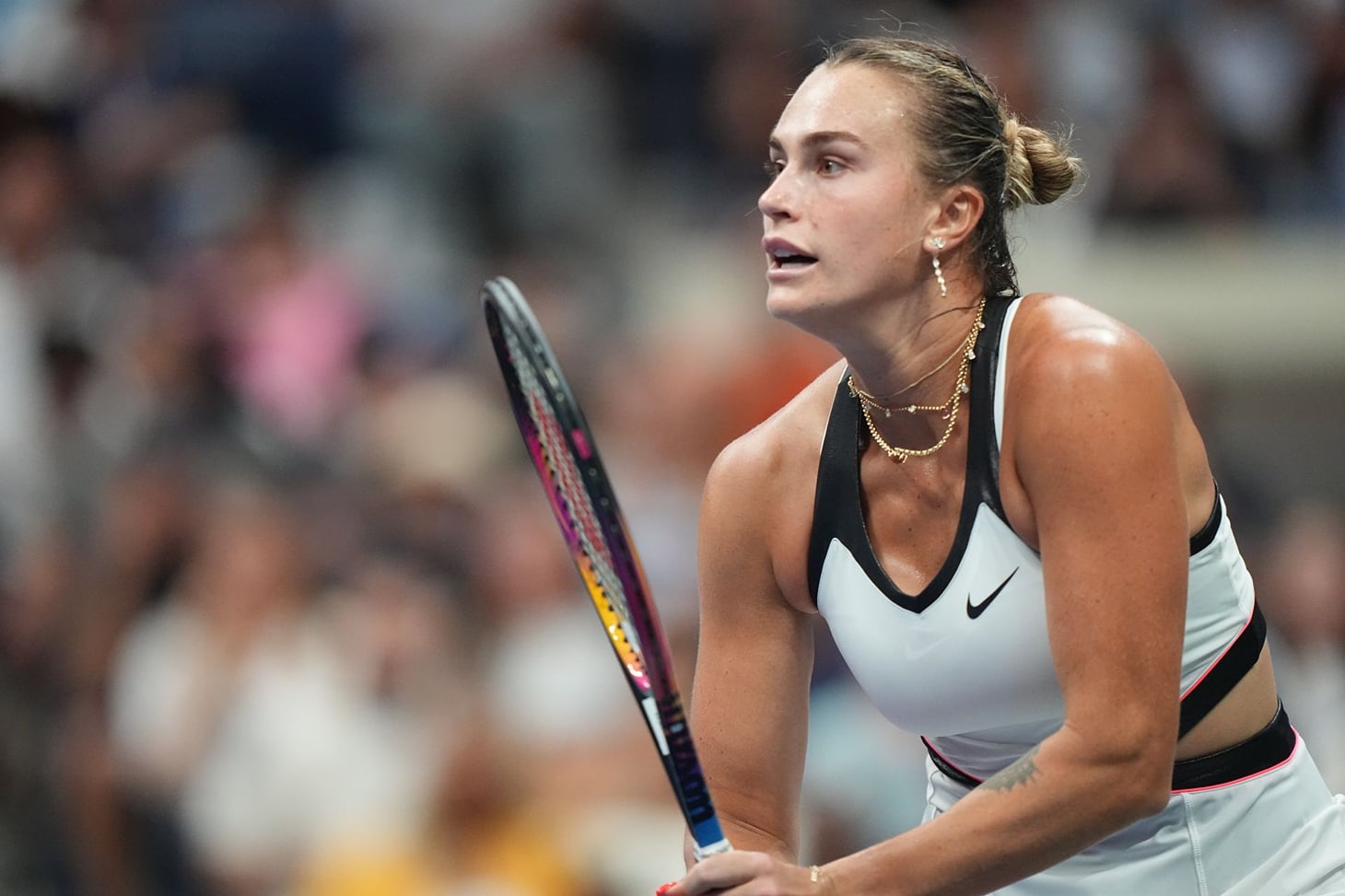
Navigating the professional tennis calendar requires following athletes as they move from hard-court majors to the clay and grass swing, and ultimately toward the end-of-season championships. For fans tracking Aryna Sabalenka during her 2025 competitive campaigns, understanding her tournament trajectory involves examining the Women's Tennis Association (WTA) Tour structure, mandatory events, and strategic rest periods. Because tennis schedules remain fluid due to potential injuries, deep tournament runs, and strategic withdrawals, mapping out an elite player's year demands a close look at both anticipated Grand Slams and crucial WTA 1000 tune-up events.
The Structure of the WTA Tour and Elite Player Scheduling
The professional women’s tennis ecosystem is organized in a hierarchical tier system that dictates ranking points, prize money, and mandatory participation requirements for top-tier athletes. For a player of Aryna Sabalenka's stature—consistently ranked among the top players in the world—her annual roadmap is anchored by the four Grand Slam tournaments: the Australian Open, Roland Garros, Wimbledon, and the US Open. These major events award the maximum number of ranking points (2,000 to the champion) and command the highest level of physical and mental preparation.
Beyond the Grand Slams, the WTA 1000 tournaments serve as the most consequential stepping stones on the calendar. Events such as the BNP Paribas Open in Indian Wells, the Miami Open, the Madrid Open, and the Italian Open are mandatory for top-ranked players, meaning Sabalenka’s schedule automatically integrates these weeks. Furthermore, WTA 500 events are occasionally added to fine-tune match fitness or adapt to changing surfaces, though elite players carefully balance these appearances to avoid overplaying and subsequent physical burnout.
| Tournament Tier | Ranking Points (Winner) | Mandatory for Top Players | Key Examples |
|---|---|---|---|
| Grand Slam | 2,000 | Yes | Australian Open, US Open |
| WTA Finals | 1,500 (maximum) | Qualified Players Only | Season-Ending Championships |
| WTA 1000 | 1,000 | Mostly Mandatory | Indian Wells, Madrid, Beijing |
| WTA 500 | 500 | Optional | Brisbane, Adelaide, Berlin |
Kicking Off the Season: The Australian Hard-Court Swing
The professional tennis year traditionally begins in Australia, where players test their early-season form in warm-weather conditions. For Sabalenka, the early months of the year represent a defense of major ranking points, particularly at Melbourne Park, where the Australian Open stands as the premier fixture of the January calendar. Preparation for this major typically involves participating in an official WTA 500 event in Brisbane or Adelaide, allowing players to acclimate to the heat, humidity, and hard-court bounce before the fortnight begins.
Following the conclusion of the Australian Open, the tour splits into different geographical streams. While some players head immediately into domestic team competitions like the Billie Jean King Cup, top singles specialists often take a brief scheduled rest before preparing for the demanding Middle Eastern swing. Tournaments in the Middle East—specifically the WTA 1000 event in Doha and the WTA 1000 event in Dubai—hold massive ranking significance and require elite physical conditioning to navigate successfully against deep, competitive draws.
The Spring Hard-Court Masters and Transition to Clay
As winter transitions into spring, the focus shifts to North America for the prestigious "Sunshine Double." This stretch encompasses the BNP Paribas Open in Indian Wells, California, followed immediately by the Miami Open in Florida. These two events are among the largest outside of the Grand Slams, featuring two-week draws that test an athlete’s endurance, tactical adaptability to slow hard courts, and mental resilience over nearly a month of high-stakes competition.
Once the North American hard-court swing concludes, players must undergo a rapid physical and technical adjustment to transition onto European red clay. This surface demands entirely different movement patterns, sliding techniques, and point construction strategies. Sabalenka’s clay-court journey typically features stops at key preparatory events like the Porsche Tennis Grand Prix in Stuttgart, followed by the rigorous European clay-court block consisting of:
- The Mutua Madrid Open, a high-altitude WTA 1000 event where heavy topspin and aggressive baseline power dictate success.
- The Internazionali BNL d'Italia in Rome, providing the final major test before the clay-court major.
- Roland Garros in Paris, the ultimate fortnight of the clay season, requiring peak tactical patience and physical stamina.
The Grass-Court Season and Wimbledon Preparation
The grass-court season represents the shortest phase of the professional tennis calendar, lasting roughly four to five weeks between the conclusion of Roland Garros and the start of Wimbledon. Because grass is a fast, low-bouncing surface that rewards aggressive serving, low center of gravity, and swift transition to the net, players must quickly pivot from the sliding, extended rallies of clay to quick-strike, first-strike tennis.
Sabalenka’s grass-court schedule typically includes a warmup tournament in Germany or the United Kingdom—such as the bett1open in Berlin or the Rothesay International in Eastbourne—to regain comfort on the lawns. This preparation culminates at the All England Lawn Tennis Club for Wimbledon. Success on grass requires precise footwork adjustments to prevent slipping, making early-round match sharpness vital before facing the deeper rounds of the tournament.
The Late-Summer North American Swing and the US Open
Following Wimbledon, the tour pivots back to hard courts for an intensive late-summer stretch in North America. This phase is designed to build momentum toward the final Grand Slam of the year. The schedule includes crucial tune-up events such as the National Bank Open (alternating between Montreal and Toronto) and the Cincinnati Open (Western & Southern Open), both of which carry WTA 1000 status.
The culmination of this summer swing is the US Open in New York City. Held at the USTA Billie Jean King National Tennis Center, the tournament is characterized by vibrant night sessions, vocal crowds, and fast-playing hard courts. For top contenders like Sabalenka, managing energy levels through the grueling heat and humidity of Flushing Meadows is essential for making a deep run into the second week.
The Asian Swing and Qualification for the Season Finale
The final months of the professional tennis season are highlighted by the Asian swing, returning elite-level competitive tennis to markets in China and surrounding regions after a multi-year hiatus in previous cycles. Key fixtures in this segment include the China Open in Beijing and the Wuhan Open, both carrying significant WTA 1000 ranking points that directly influence qualification standings for the year-end championships.
The ultimate objective for top players during this autumn stretch is securing enough race points to qualify for the WTA Finals. This elite, season-ending event features only the top eight singles players and doubles teams in the world. Competing in this prestigious tournament caps off the competitive year, after which players enter a brief off-season recovery window before pre-season training blocks begin for the subsequent year.
Frequently Asked Questions
Where can I find Aryna Sabalenka's official confirmed schedule?
The most reliable sources for an athlete's official schedule are the Women's Tennis Association (WTA) official website, Sabalenka's verified social media profiles, and her management team's announcements. Because players frequently adjust their calendars based on physical status and tactical needs, checking the official tournament entry lists published weeks in advance of each event provides the most accurate verification.
Are WTA 1000 tournaments mandatory for top-ranked players?
Yes, under the rules of the WTA Tour, players ranked within a specific tier at the commitment cutoff dates are required to enter mandatory WTA 1000 events. Failure to participate without a valid, approved medical exemption or injury status can result in ranking penalties or zero-point tournament commitments being assessed against the player's total tally.
How do tennis players decide which smaller tournaments to enter?
Elite players like Aryna Sabalenka carefully select optional WTA 500 or WTA 250 events based on their need for match practice, surface adaptation, and physical recovery. If a player experiences an early-round exit at a major, they may selectively add a smaller event to regain rhythm, whereas players who routinely reach the latter stages of major tournaments prioritize rest to avoid overplaying.
What is the significance of ranking points earned during the season?
Ranking points accumulated over a rolling 52-week period determine a player's seeding at Grand Slams and other elite tournaments. Higher seedings generally help players avoid facing other top-tier competitors in the early rounds of a draw, providing a more advantageous pathway toward the quarterfinals, semifinals, and finals of major events.
How does a player qualify for the year-end WTA Finals?
Qualification for the WTA Finals is determined strictly by the "Porsche Race to the WTA Finals," a leaderboard tracking ranking points earned exclusively during the current calendar year. At the conclusion of the regular season, the eight singles players with the highest cumulative point totals earn qualification to compete in the season-ending championship.
Final Recommendations for Tracking Match Updates
For fans seeking real-time updates regarding match timings, draw pairings, and tournament withdrawals, relying on official sports news networks and live-scoring applications is essential. Always cross-reference schedule announcements with official tournament draws, which are typically conducted the Friday or weekend prior to main-draw competition beginning. Monitoring verified tennis journalism and official governing body bulletins ensures you remain informed of any late-breaking adjustments to an elite player's competitive itinerary.