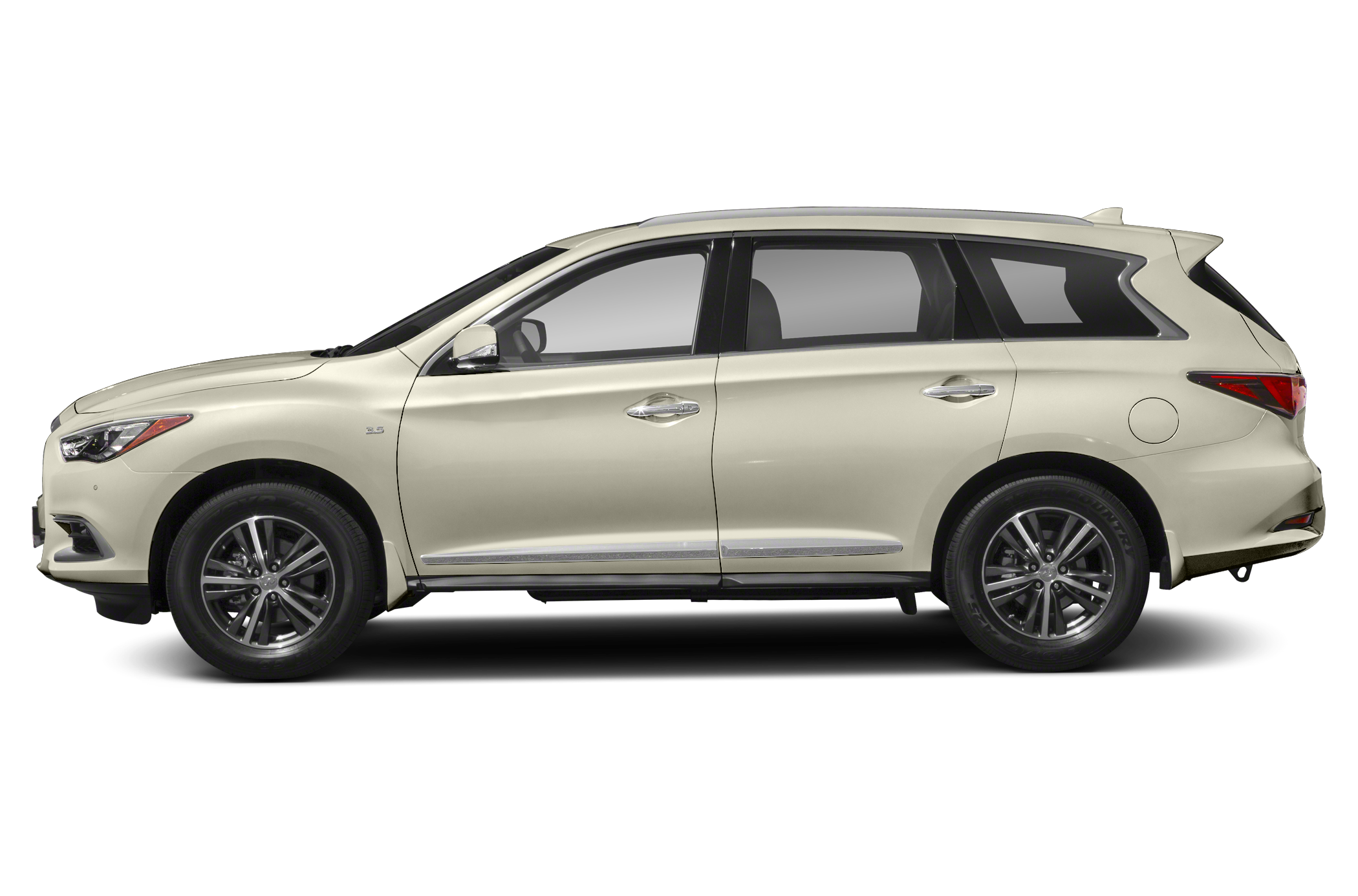
The 2019 Infiniti QX60 is equipped with a 3.5-liter V6 engine that produces 295 horsepower and 270 lb-ft of torque. This powertrain is designed to balance smooth power delivery for family hauling with fuel efficiency, utilizing a Continuously Variable Transmission (CVT) to optimize engine RPMs across varying driving conditions and load requirements.
Understanding the 3.5-Liter V6 Engine Architecture
At the heart of the 2019 Infiniti QX60 lies the VQ35DD engine, a member of the venerable Nissan VQ engine family. This specific iteration—the 3.5-liter displacement—has been a cornerstone of Infiniti’s luxury SUV lineup for years. The "DD" designation signifies the use of Direct Injection Gasoline (DIG) technology, which improves combustion efficiency by spraying fuel directly into the combustion chamber rather than the intake manifold.
The 295 horsepower output is achieved at 6,400 RPM, while the 270 lb-ft of torque peaks at 4,800 RPM. This torque curve is intentionally tuned to provide mid-range power, which is essential for a three-row crossover weighing over 4,000 pounds. Unlike high-performance engines that require peaky power bands, the QX60’s powerplant focuses on linear acceleration, ensuring that merging onto highways or climbing steep grades with a full load of passengers remains a composed experience.
The Role of the Continuously Variable Transmission (CVT)
A frequently misunderstood component regarding the QX60's performance is its transmission. The 2019 model utilizes an electronically controlled Continuously Variable Transmission (CVT). Unlike a traditional automatic transmission, which uses a set number of physical gear ratios, a CVT uses a system of belts and pulleys to provide an infinite range of "gear" ratios.
This design allows the engine to operate at its most efficient speed regardless of vehicle velocity. For drivers, this results in a sensation of seamless acceleration without the "shift shock" associated with traditional stepped transmissions. However, because the engine RPMs may remain constant or fluctuate differently than what drivers are accustomed to during acceleration, some perceive the engine note as drones or hesitation. In reality, this design choice is deliberate, prioritizing fuel economy and smooth power delivery over the aggressive, sporty shifting found in dual-clutch or heavy-duty planetary automatic gearboxes.
Horsepower and Drivetrain Configuration
The 2019 Infiniti QX60 was offered in two primary drivetrain configurations: Front-Wheel Drive (FWD) and All-Wheel Drive (AWD). It is a common point of confusion whether these configurations alter the horsepower rating; they do not.
Whether you select the FWD or the Intelligent All-Wheel Drive (AWD) model, the 295-horsepower output remains identical. The distinction lies in the delivery of that power to the pavement. The AWD system is designed for road-going stability and traction in adverse weather, such as rain or light snow. It can automatically shift up to 50% of the available power to the rear wheels when sensors detect wheel slippage. While this increases the curb weight of the vehicle by approximately 150–200 pounds, it does not tax the engine's output rating, though it does marginally impact the vehicle's overall power-to-weight ratio and fuel efficiency.
Comparing Performance Metrics
To put the 2019 Infiniti QX60 horsepower into context, it is helpful to look at its direct competition during the 2019 model year. The following table provides a comparison of how the QX60's engine power aligns with other luxury three-row crossovers of that period.
| Vehicle Model | Engine Type | Horsepower | Torque (lb-ft) |
|---|---|---|---|
| 2019 Infiniti QX60 | 3.5L V6 | 295 hp | 270 lb-ft |
| 2019 Acura MDX | 3.5L V6 | 290 hp | 267 lb-ft |
| 2019 Lexus RX 350L | 3.5L V6 | 290 hp | 263 lb-ft |
| 2019 Volvo XC90 (T6) | 2.0L I4 Turbo | 316 hp | 295 lb-ft |
As illustrated, the QX60 sits at the top of the naturally aspirated V6 class for its category. While the Volvo XC90 achieves higher numbers through turbocharging, the QX60 maintains the traditional, smooth, and reliable power delivery profile that many luxury buyers in this segment prefer for long-distance family travel.
Factors Affecting Real-World Power
While 295 horsepower is the official rating, several factors can influence how that power feels and performs during daily operation:
- Fuel Quality: Infiniti recommends premium unleaded gasoline (91 octane or higher) for optimal performance. While the engine management system is sophisticated enough to adjust timing if lower-octane fuel is used, the engine will likely pull timing to prevent knock, resulting in a slight, albeit often imperceptible, reduction in power output and responsiveness.
- Curb Weight and Payload: The QX60 is a heavy vehicle. When fully loaded with passengers and cargo, the impact of its 295 horsepower is diluted compared to when the vehicle is driven solo. Owners should consider that the "explaining" of the power must account for a gross vehicle weight rating that exceeds 6,000 pounds.
- Elevation: Like all naturally aspirated engines, the VQ35DD loses efficiency at high altitudes. Thinner air means less oxygen for combustion, which can lead to a noticeable drop in power when driving in mountainous regions. Drivers in high-altitude environments may find that the CVT keeps the engine at higher RPMs longer to compensate for the loss of density altitude power.
Maintenance and Horsepower Longevity
To ensure the 295 horsepower rating remains consistent over the lifespan of the vehicle, specific maintenance tasks are critical. The VQ35DD is a sophisticated engine that relies on precise timing and clean air intake.
- Air Intake Systems: A dirty engine air filter can restrict airflow, effectively "choking" the engine and preventing it from reaching its peak output. Replacing this filter every 15,000 to 30,000 miles is essential for maintaining power.
- Fuel System Cleanliness: Because this engine uses Direct Injection, fuel injectors are susceptible to carbon buildup over time. Using high-quality "Top Tier" gasoline helps keep injectors clean. If you notice a drop in responsiveness or "stuttering" under load, it may indicate a need for a professional fuel system service.
- Transmission Health: The health of the CVT is just as important as the engine output. The CVT fluid should be inspected and changed according to the manufacturer's severe-driving schedule, especially if the vehicle is used for towing (the QX60 has a maximum towing capacity of 5,000 pounds when properly equipped). Degrading fluid can cause the transmission to behave inconsistently, masking the engine's true capabilities.
Frequently Asked Questions
Does the 2019 Infiniti QX60 require premium gas to reach its rated horsepower? Yes, Infiniti recommends premium unleaded fuel (91 octane) for maximum engine performance. While the engine will run on lower-octane gasoline thanks to its knock sensors, you may experience a reduction in performance and fuel efficiency as the engine computer compensates for the lower grade of fuel.
Is the QX60’s horsepower enough for towing? With 295 horsepower and 270 lb-ft of torque, the 2019 QX60 is rated to tow up to 5,000 pounds. This is sufficient for small travel trailers, boats, or utility trailers, but owners should be mindful that heavy loads will significantly increase engine load and decrease fuel economy.
Why does the engine sound "loud" during hard acceleration? The CVT design often holds the engine at a constant, high RPM to provide maximum torque during rapid acceleration. This differs from the shifting sensation of a traditional transmission, leading some drivers to interpret this as noise or strain. It is a standard operational characteristic of the CVT system.
Did the 2019 model year receive any horsepower updates? No, the 2019 Infiniti QX60 retained the same engine specifications as the 2017 and 2018 models. The power output of 295 hp was stabilized during this part of the vehicle’s production lifecycle.
Can I modify the engine to get more horsepower? While aftermarket cold-air intakes or performance tunes exist, they often void manufacturer warranties and can interfere with the complex, software-heavy integration between the engine and the CVT. Most experts advise against such modifications, as the QX60 is tuned primarily for reliability and luxury-grade comfort rather than track performance.
Final Recommendation
The 2019 Infiniti QX60 delivers a reliable and well-measured 295 horsepower, which is expertly suited for the vehicle's primary intent as a luxury family hauler. For the best ownership experience, maintain a strict schedule of high-quality synthetic oil changes and use premium gasoline to ensure the engine performs as intended. If you are shopping for a used model, prioritize those with documented service history, particularly regarding CVT fluid care, as this ensures the power generated by the engine is effectively transferred to the road.