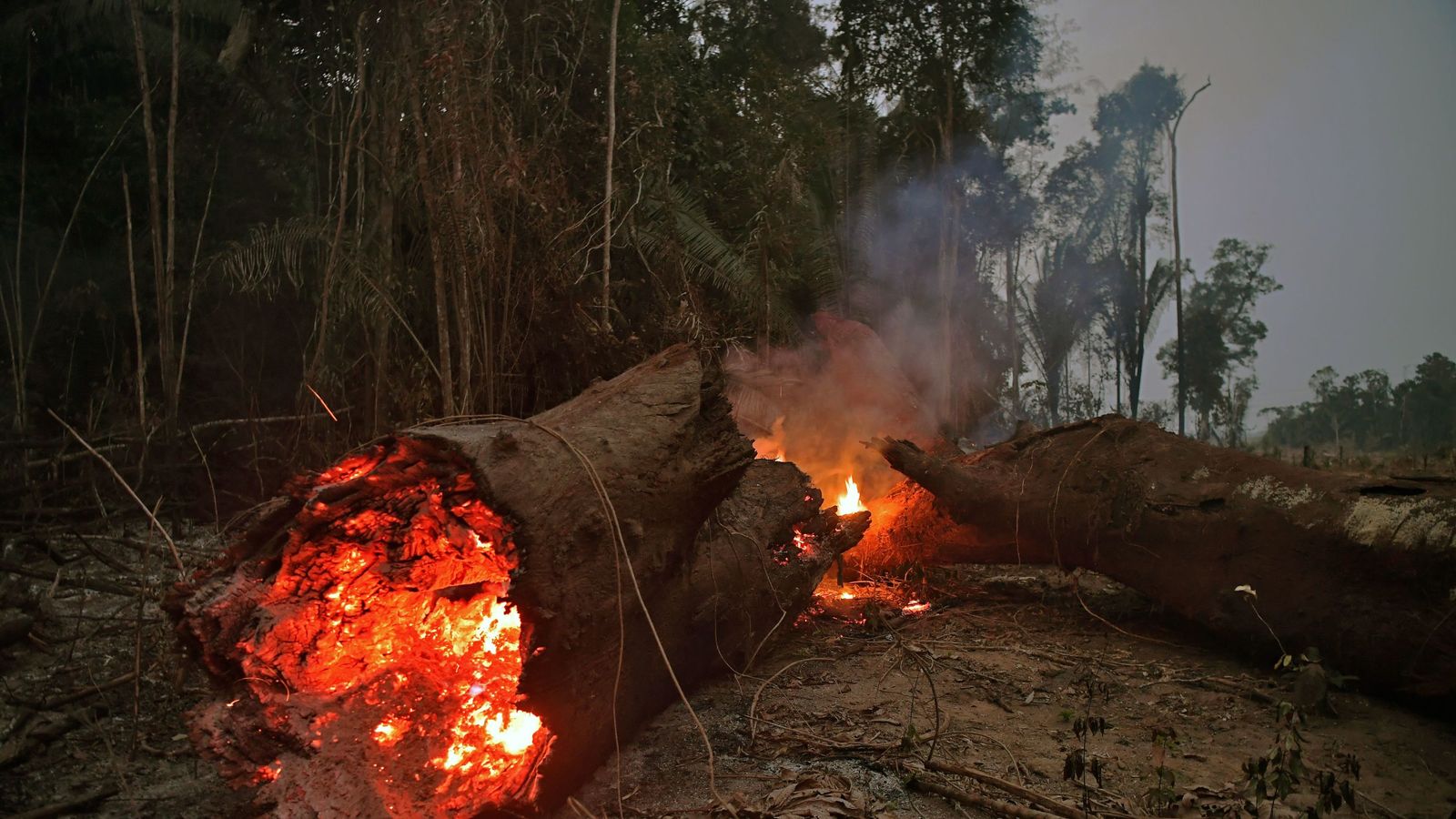
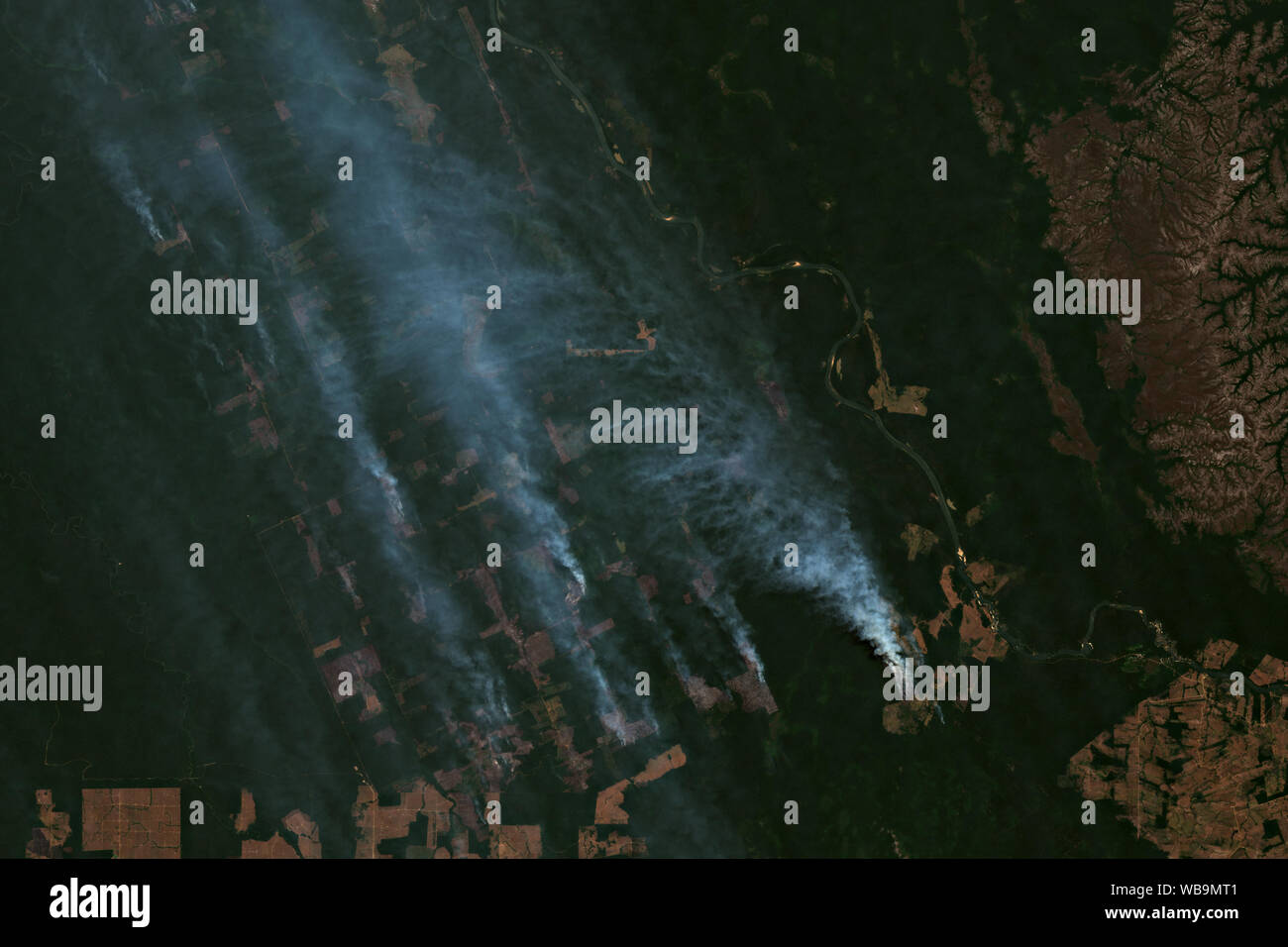
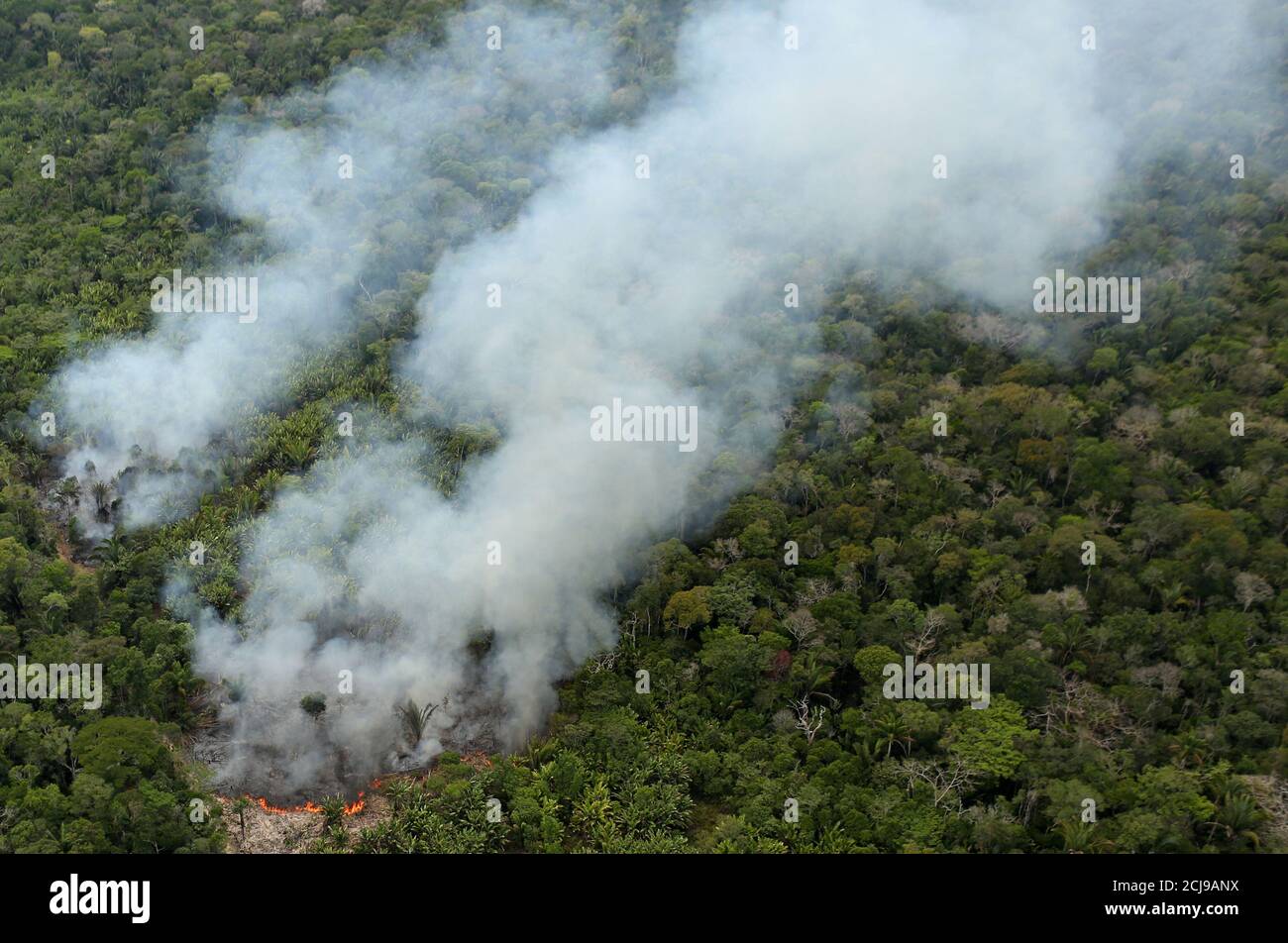
The 2019 Amazon rainforest wildfires were a period of intense fire activity that garnered global attention due to a significant spike in detection, particularly during the dry season. These fires were primarily driven by anthropogenic land-clearing practices, exacerbated by deforestation and regional climate conditions, leading to widespread ecosystem disruption and international policy debates regarding forest conservation and sovereignty.
The Context and Scale of the 2019 Events
The Amazon, often referred to as the "lungs of the planet," plays a critical role in global climate regulation, carbon sequestration, and biodiversity preservation. In 2019, satellite monitoring systems—notably those operated by the Brazilian National Institute for Space Research (INPE)—recorded a substantial increase in fire counts compared to the preceding decade.
While fire is a naturally occurring phenomenon in many ecosystems, the Amazon is not fire-adapted in the same manner as temperate forests. Lightning strikes rarely ignite the dense, humid rainforest interior. Consequently, the vast majority of the 2019 fire events were the result of human activity. The "fire season," which typically aligns with the dry months of July through October, saw an escalation in the use of fire as a tool for agricultural management, clearing land for cattle ranching, and expanding soybean cultivation.
The 2019 crisis was characterized by the convergence of economic development pressures and climatic stressors. During this year, the combination of widespread deforestation—where vegetation is felled and subsequently burned to clear plots—and a moderate drought created optimal conditions for fire to escape control and penetrate primary forest borders.
Primary Drivers: Why Did the Fires Occur?
To understand the 2019 wildfires, one must distinguish between natural forest fires and the human-led process of slash-and-burn agriculture. The latter is the dominant driver of fire in the Amazon basin.
Deforestation and Agricultural Expansion
The Amazon experiences a cycle of land conversion. First, trees are felled and left to dry. Once the organic material is sufficiently dehydrated, it is set ablaze. This practice is favored by many because it is the most cost-effective method to convert dense forest into grazing land for cattle or fields for commercial crops. In 2019, reports indicated a significant uptick in the rate of legal and illegal deforestation, which provided the fuel load necessary for the resulting widespread burning.
Climatic Influences
While human activity served as the ignition source, climatic conditions dictated the spread. The Amazon basin functions as a giant biotic pump, recycling moisture through transpiration. As forest cover is removed, the local climate becomes drier and hotter, creating a feedback loop where the ecosystem becomes increasingly susceptible to fire. In 2019, reduced rainfall patterns in certain sectors of the Amazon basin intensified the dry conditions, allowing fires that were intended for specific pastures to burn beyond their designated boundaries into secondary and even primary forest.
Policy and Regulatory Environment
The year 2019 also marked a period of significant transition in environmental governance in Brazil. The regulatory landscape faced shifts, with increased pressure from the agricultural sector to prioritize economic expansion. The enforcement of environmental protection laws, such as those overseen by IBAMA (the Brazilian Institute of the Environment and Renewable Natural Resources), experienced challenges in capacity and mandate, which observers noted led to a perception of increased impunity for land clearing.
Environmental and Global Consequences
The consequences of the 2019 fires were multi-layered, affecting local biodiversity, public health, and global climate metrics.
Biodiversity Loss
The Amazon is home to approximately 10% of the world's known biodiversity. Unlike savanna species, which have evolved to survive seasonal fire, the complex web of plants and animals in the tropical rainforest is highly sensitive to heat and smoke. Even "low-intensity" fires that remain in the understory can kill large trees, altering the forest structure for decades and reducing the habitat's capacity to support specialized wildlife.
Atmospheric Impacts
The smoke plumes from the 2019 fires traveled thousands of kilometers, significantly impacting air quality in major urban centers such as São Paulo. Beyond local respiratory health concerns, the fires released significant amounts of stored carbon into the atmosphere. This transformed the Amazon from a carbon sink—a system that absorbs more CO2 than it releases—into a potential carbon source, a shift that carries long-term implications for global climate change goals.
Comparison of Fire Impacts: 2018–2020
Monitoring fire activity involves analyzing data from sources like the Moderate Resolution Imaging Spectroradiometer (MODIS) and the Visible Infrared Imaging Radiometer Suite (VIIRS). The table below outlines the relative context of the 2019 fire season compared to the surrounding years.
| Year | Fire Context | Primary Driver |
|---|---|---|
| 2018 | Baseline activity | Seasonal agricultural clearing |
| 2019 | Significant increase | High deforestation + dry season |
| 2020 | Persistent high activity | Climate conditions + land clearing |
Note: Data represents trends observed through satellite-based fire detection alerts; individual year-over-year figures can fluctuate based on cloud cover and sensor sensitivity.
Challenges in Monitoring and Verification
One of the greatest difficulties in addressing Amazon wildfires is the challenge of real-time detection and verification. Satellite sensors detect thermal anomalies—heat signatures that suggest fire. However, differentiating between a controlled burn (e.g., a small pile of brush) and a catastrophic forest fire is complex.
- Spectral Confusion: Satellite sensors may confuse cleared, sun-baked soil with active fires if the thermal thresholds are not calibrated correctly.
- Cloud Cover: The Amazon is prone to extensive cloud cover, which can hide fires from optical satellites, leading to under-reporting during the peak of the season.
- Accessibility: Investigating fires on the ground requires significant logistical support and, in many cases, collaboration with local agencies that may lack the resources to patrol vast, remote areas.
The International Response
The 2019 wildfires triggered a major international diplomatic response. Organizations including the G7, the United Nations, and various global NGOs raised concerns about the management of the Amazon. These discussions centered on the "sovereignty vs. global interest" debate, with many international actors arguing that the Amazon's health is a global common resource essential for the stability of the planetary climate.
Efforts were made to provide financial and technical aid to assist with firefighting efforts and satellite monitoring capacity. However, these initiatives often faced challenges related to the coordination of multinational aid and the implementation of effective land-use policies that could reconcile local economic needs with global environmental demands.
FAQ: Frequently Asked Questions
Why was the 2019 fire season considered so severe? The 2019 season was notable because the increase in fire detections correlated with a documented rise in deforestation rates. It wasn't just that there were more fires, but that these fires were burning in areas where the forest had been recently cleared, leading to a massive increase in the total area affected.
Were these fires actually in the Amazon rainforest? Yes, but it is important to clarify that many detections occur in the "arc of deforestation," a region bordering the core rainforest where the forest meets agricultural land. The fires destroyed both previously cleared land and pushed into the remaining forest edge.
Can natural fires start in the Amazon? Rarely. While lightning exists, the high humidity levels within the dense forest canopy usually extinguish potential ignitions before they become widespread. Almost all significant fires in the Amazon are human-initiated.
How does the Amazon recover from fire? Recovery is slow. While secondary growth (pioneer species) may appear quickly, it takes decades or centuries to restore the complexity and carbon-sequestering capacity of a mature primary forest. Frequent fires can prevent this recovery, leading to the "savannization" of the landscape.
What is the role of satellite imagery in tracking these events? Satellites are the primary tool for monitoring, as they provide a wide-angle, objective view of the basin. They allow researchers and governments to identify hotspots, track the expansion of clearing, and measure the impact on smoke emissions.
Practical Next Steps for Informed Engagement
For individuals, policymakers, and organizations interested in the ongoing status of the Amazon, the most effective next step is relying on transparent, data-driven sources. Rather than relying on aggregate headlines, stakeholders should:
- Consult Official Data: Utilize the reports generated by INPE or the Brazilian Ministry of the Environment for verified data on deforestation and fire alerts.
- Support Verified Conservation Efforts: Prioritize engagement with long-standing organizations that focus on sustainable land use and the protection of indigenous territories, which have been statistically proven to be the most effective bulwark against deforestation.
- Monitor Policy Developments: Stay informed on local land-use legislation, as the legal framework in Brazil is the primary determinant of how land is managed and protected.
The 2019 fires serve as a critical case study in the intersection of economics, land-use policy, and climate science. Understanding this event requires looking past the immediate visuals of the fire and addressing the underlying drivers of deforestation that continue to shape the future of the region.