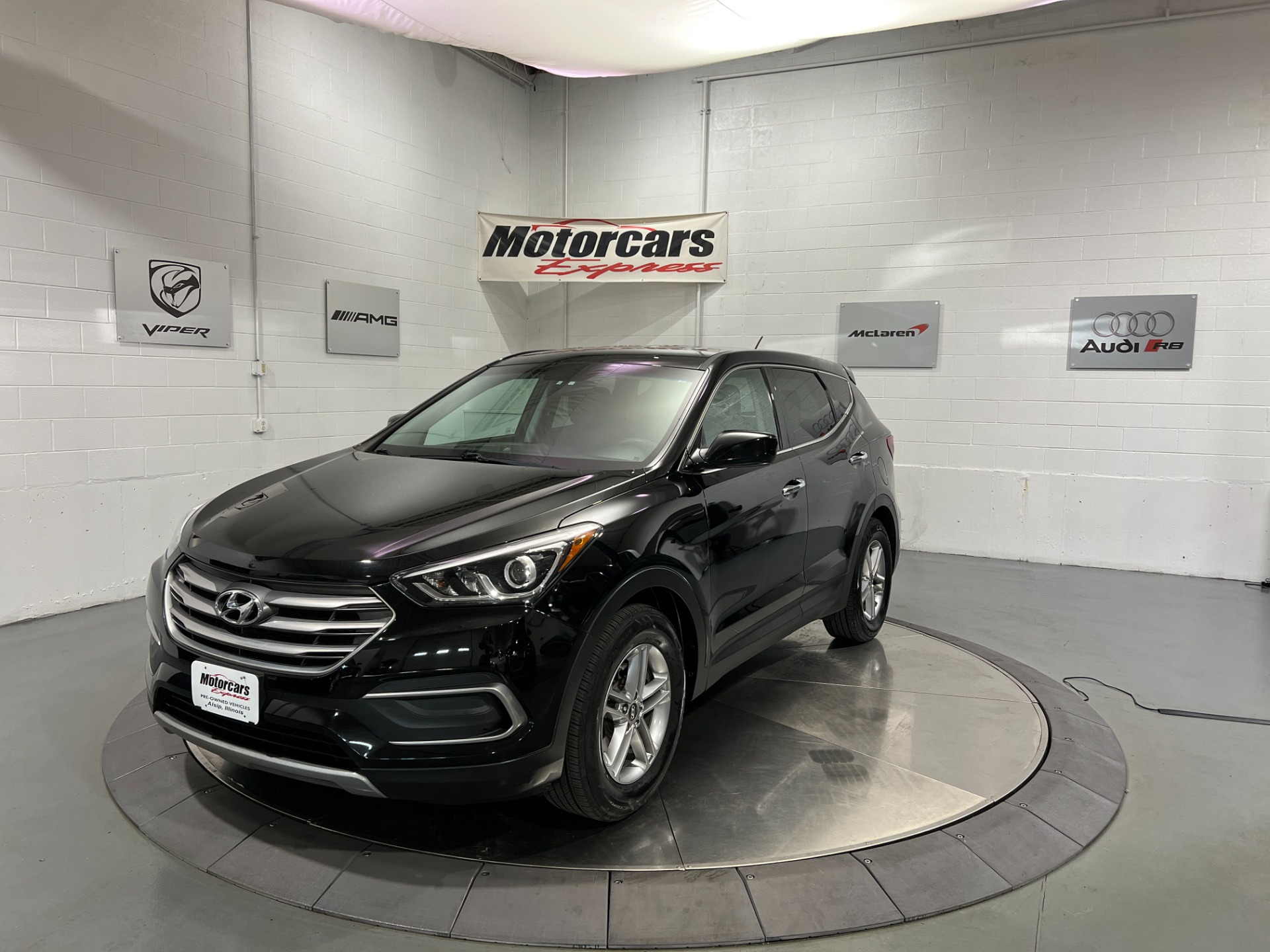
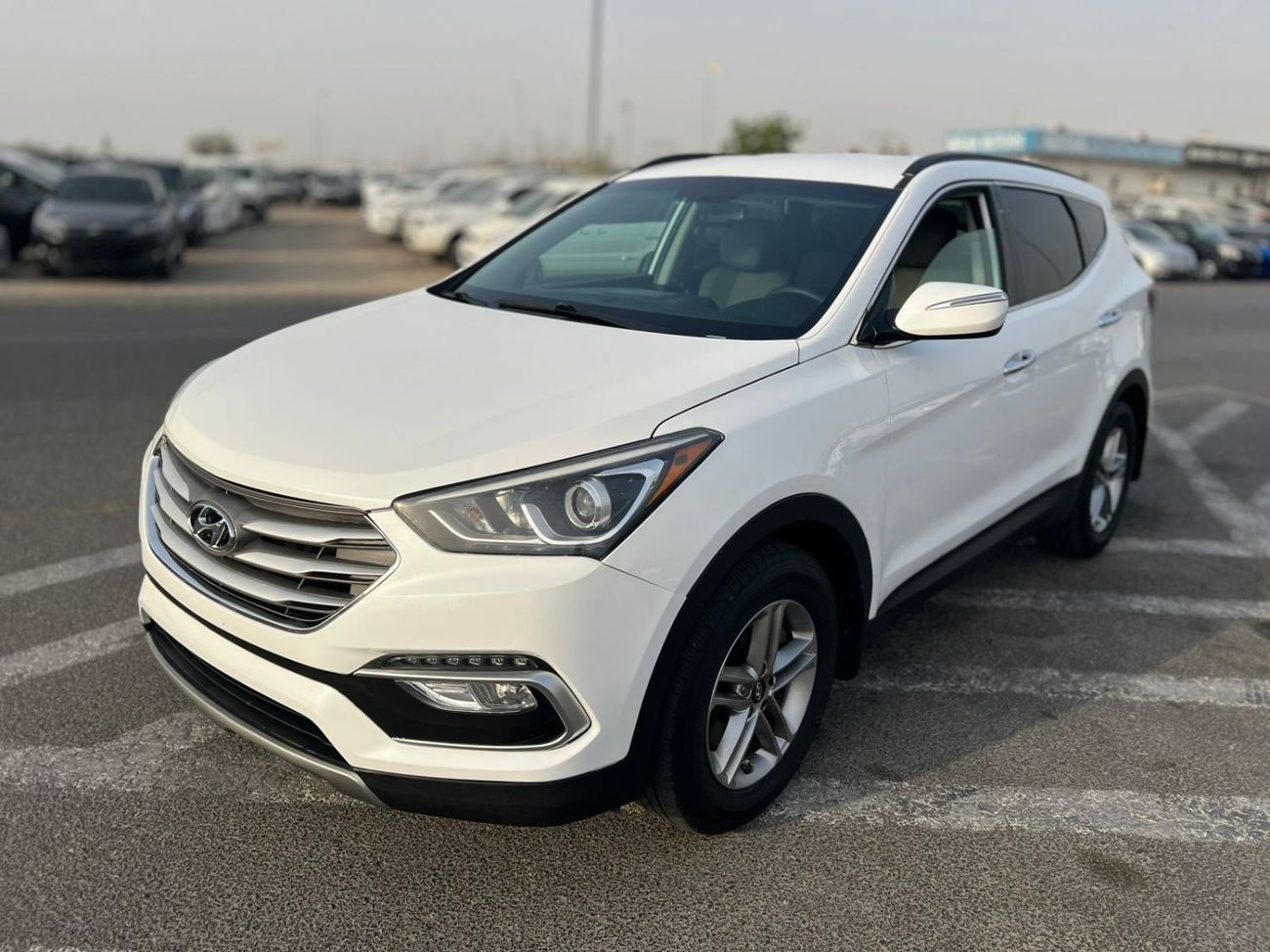
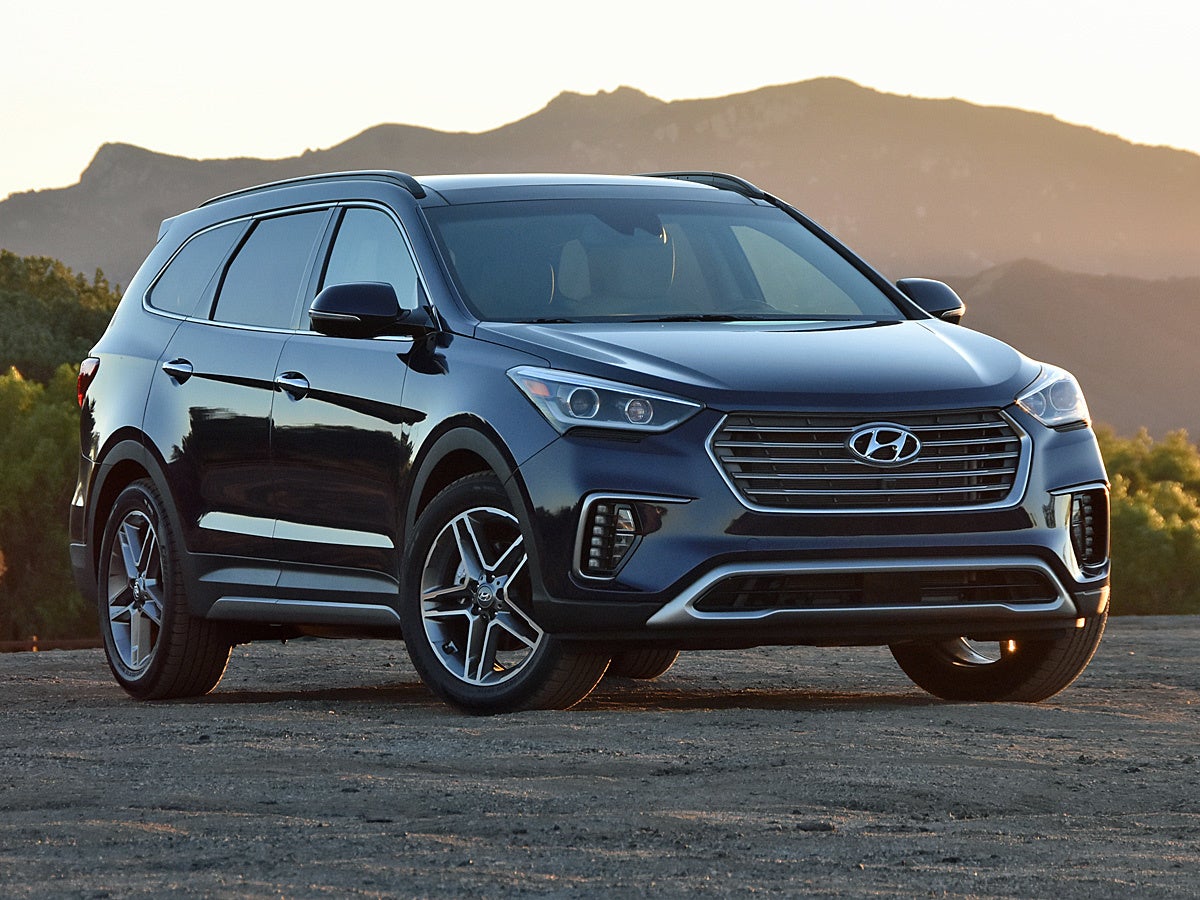
The 2018 Hyundai Santa Fe Sport is generally praised for its comfortable ride, feature-rich interior, and stylish exterior, but it also carries documented reliability concerns. The most critical issues involve excessive oil consumption, engine failure due to premature bearing wear, and recurring problems with the electrical and braking systems. Understanding these mechanical vulnerabilities is essential for anyone evaluating a used model or troubleshooting an existing vehicle.
Introduction to the 2018 Hyundai Santa Fe Sport
The 2018 Hyundai Santa Fe Sport represents the final model year of the third-generation Santa Fe Sport platform before Hyundai redesigned the lineup and introduced the larger Santa Fe and Tucson naming structure adjustments. Positioned as a two-row, midsize crossover SUV, it offered buyers a choice of two primary four-cylinder engines: a naturally aspirated 2.4-liter GDI (Gasoline Direct Injection) engine producing 185 horsepower, and a more potent 2.0-liter turbocharged GDI engine generating 240 horsepower. Both powerplants were paired with a six-speed automatic transmission and were available in either front-wheel drive (FWD) or all-wheel drive (AWD).
While the vehicle earned praise from automotive journalists and consumers alike for its smooth ride quality, intuitive infotainment setup, and competitive pricing, it has since attracted scrutiny regarding its long-term durability. Owners and automotive technicians have flagged several persistent issues, ranging from minor interior electronics glitches to catastrophic engine failures. For potential buyers, current owners, and automotive technicians, analyzing these specific mechanical vulnerabilities provides vital clarity on maintenance requirements, warranty coverage, and overall vehicle ownership costs.
Engine Reliability and Premature Failure
The most severe and widely reported concern regarding the 2018 Hyundai Santa Fe Sport involves its powerplant options. Both the 2.4-liter naturally aspirated engine and the 2.0-liter turbocharged engine belong to Hyundai's Theta II engine family, which has been the subject of numerous technical service bulletins, consumer complaints, and class-action lawsuits over the past decade.
Rod Bearing Wear and Engine Seizure
The most critical issue affecting Theta II engines in the 2018 Santa Fe Sport is premature connecting rod bearing wear. In affected vehicles, machining debris left during the manufacturing process or irregular oil clearance can cause the connecting rod bearings to wear out prematurely. When these bearings fail, the engine loses oil pressure, resulting in severe knocking noises, sudden loss of power, and, in many cases, complete engine seizure while driving.
Hyundai addressed these widespread failures by implementing manufacturing process improvements, extending powertrain warranties for eligible vehicles to 10 years or 100,000 miles, and releasing Knock Sensor Detection System (KSDS) software updates. This software is designed to alert drivers to early signs of bearing failure by monitoring engine vibrations, allowing the vehicle to enter a protective "limp mode" before catastrophic damage occurs. Owners should verify whether their vehicle has received the KSDS software update and whether it remains covered under any active manufacturer settlements or extended warranty programs.
Excessive Oil Consumption
Another prevalent engine-related complaint involves high oil consumption. Owners frequently report needing to add a quart of oil every 1,000 miles or less between scheduled oil changes. This issue is typically attributed to stuck, worn, or poorly tensioned piston rings that allow engine oil to bypass the combustion chamber and burn off through the exhaust system.
Left unaddressed, excessive oil consumption can lead to oil starvation, which accelerates the aforementioned rod bearing wear. Drivers of the 2018 Santa Fe Sport are strongly advised to check their engine oil levels manually on a bi-weekly basis, regardless of whether the low oil pressure warning light has illuminated. Dealerships often perform official oil consumption tests—requiring sealed oil changes and verified mileage logs—to determine if a vehicle qualifies for an engine replacement or piston ring service under warranty.
Summary of Major 2018 Hyundai Santa Fe Sport Problem Areas
| Problem Category | Affected Component | Typical Symptoms | Severity & Resolution |
|---|---|---|---|
| Engine | Connecting Rod Bearings | Engine knocking, loss of power, seizure | Critical. Requires dealership inspection, KSDS update, or engine replacement. |
| Engine | Piston Rings / Cylinders | Rapid oil depletion, blue smoke, fouling | High. Requires oil consumption testing and potential warranty rebuild. |
| Electrical | Infotainment & Display | Screen freezing, backup camera failure | Moderate. Often resolved with software updates or head unit replacement. |
| Brakes | ABS Module / Hydraulic Unit | Brake pedal sponginess, warning lights | High. Requires ABS module inspection or replacement due to potential fire risks. |
| Body/Exterior | Panoramic Sunroof | Glass shattering spontaneously, leaks | Moderate to High. Requires structural inspection and glass replacement. |
Transmission and Drivetrain Complications
While the six-speed automatic transmission coupled to the 2018 Santa Fe Sport is generally more robust than modern continuously variable transmissions (CVTs) found in competing crossovers, it is not without operational flaws.
Owners have reported hesitation, rough shifting, and delayed engagement when shifting between Park, Reverse, and Drive. These symptoms are sometimes caused by outdated transmission control module (TCM) software, which can be recalibrated by an authorized Hyundai service center. In rarer instances, harsh shifting or slipping gears indicate internal mechanical wear, valve body contamination, or clutch pack degradation. Regular fluid changes—even though manufacturer maintenance schedules may categorize transmission fluid as a lifetime fill—can significantly prolong the operational life of the unit and mitigate rough shifting behavior.
Electrical and Infotainment System Malfunctions
Electrical complaints in the 2018 Hyundai Santa Fe Sport span a wide range of interior accessories and safety systems. The most common minor grievances involve the touchscreen infotainment system. Drivers frequently report intermittent freezing, Bluetooth pairing failures, unresponsive touch controls, and sudden rebooting while using navigation or media apps.
More concerning are issues related to exterior lighting and safety sensors. Headlight bulbs in certain trims have been noted to burn out prematurely due to wiring harness resistance or moisture intrusion within the headlight assembly. Additionally, blind-spot monitoring sensors and rear cross-traffic alert systems can intermittently fail or display false warnings, particularly when road salt, mud, or snow accumulates on the rear bumper fascia where the radar sensors are mounted behind the plastic bumper cover.
Braking System and Safety Recalls
Safety-related recalls and Technical Service Bulletins (TSBs) are a critical part of researching the 2018 Hyundai Santa Fe Sport. The National Highway Traffic Safety Administration (NHTSA) has issued several recalls for this model year that require verification via the vehicle identification number (VIN).
ABS Module Electrical Short Risks
One notable safety recall involving certain Hyundai and Kia vehicles, including select Santa Fe models, pertains to the Anti-lock Braking System (ABS) module. An electrical short circuit within the ABS module can occur over time, potentially leading to an engine compartment fire, even when the vehicle is turned off. To mitigate this risk, Hyundai dealerships install a dedicated fuse kit to limit electrical current to the ABS module. Owners should immediately check the NHTSA recall database using their VIN to confirm whether this and all other safety recalls have been completed.
Panoramic Sunroof Shattering
Vehicles equipped with the optional panoramic sunroof have experienced incidents of spontaneous glass shattering. This phenomenon, which can occur due to micro-fractures in the tempered glass or excessive stress on the frame during body flex, startles drivers and drops glass shards into the cabin. Owners experiencing unusual cracking noises from the roof area should have the glass assembly inspected immediately.
Routine Maintenance and Troubleshooting Guidance
Managing the risks associated with a 2018 Hyundai Santa Fe Sport requires proactive vehicle maintenance and diligent observation. Adhering to strict preventative measures can prevent minor mechanical glitches from escalating into costly major repairs.
- Verify Recall Status: Access the official NHTSA recall lookup tool or contact a local Hyundai dealership with your 17-digit VIN to ensure all safety campaigns and software updates, particularly the KSDS update, have been performed.
- Monitor Fluid Levels Weekly: Check the engine oil dipstick every two weeks or every 500 miles. Keep a quart of the manufacturer-recommended oil in the trunk to top off levels immediately if consumption is detected.
- Inspect the Cooling System: Ensure coolant is clean and check for any signs of external leaks around the water pump and thermostat housing, as overheating can rapidly damage Theta II engines.
- Scan for Pending Diagnostic Trouble Codes (DTCs): Use an OBD2 scanner periodically to check for pending fault codes, even if the Check Engine light has not yet illuminated on the dashboard.
Frequently Asked Questions
Is the 2018 Hyundai Santa Fe Sport a reliable SUV?
The 2018 Hyundai Santa Fe Sport offers strong utility, comfort, and safety features, but its reliability is heavily dependent on whether the vehicle received proper maintenance and necessary warranty repairs. Because Theta II engines in this model year are prone to excessive oil consumption and premature bearing wear, thorough pre-purchase inspections and service history verifications are critical.
What is the extended warranty for 2018 Hyundai Santa Fe Sport engines?
Hyundai extended the powertrain warranty for original and subsequent owners of select vehicles equipped with Theta II engines to 10 years or 100,000 miles from the original in-service date, specifically covering connecting rod bearing failure. However, eligibility often depends on whether the vehicle received the mandatory Knock Sensor Detection System (KSDS) software update.
How can I check if my 2018 Santa Fe Sport has open recalls?
You can check for open safety recalls by visiting the official National Highway Traffic Safety Administration (NHTSA) website and entering your vehicle's 17-digit VIN into their recall lookup tool. Alternatively, you can contact any authorized Hyundai dealership service department to run your VIN through their internal database.
What are the main signs of engine bearing failure in this vehicle?
The primary indicators of impending connecting rod bearing failure include a rhythmic knocking or ticking sound originating from the engine compartment (often described as a metallic tap that increases in frequency with engine RPM), a sudden drop in oil pressure, illumination of the oil pressure warning light, or the vehicle entering limp mode triggered by the KSDS software.
Should I buy a used 2018 Hyundai Santa Fe Sport?
Buying a used 2018 Santa Fe Sport can be a sound financial decision if you verify that the engine has a clean maintenance history, all safety recalls have been completed, and an independent mechanic performs a thorough pre-purchase inspection focusing on compression, oil consumption, and bearing health. Avoid models with incomplete service records or active engine noise complaints.
Conclusion and Next Actions
The 2018 Hyundai Santa Fe Sport remains an attractive option in the used midsize crossover market due to its comfortable interior, capable handling, and comprehensive feature set. However, its mechanical history—specifically concerning Theta II engine reliability, oil consumption, and electrical recalls—demands careful scrutiny. Buyers and current owners must prioritize verifying maintenance logs, checking VIN-specific recall statuses, and monitoring fluid levels consistently. If you are currently shopping for this vehicle, insist on a comprehensive pre-purchase inspection by an independent technician who is familiar with Hyundai powertrain characteristics.