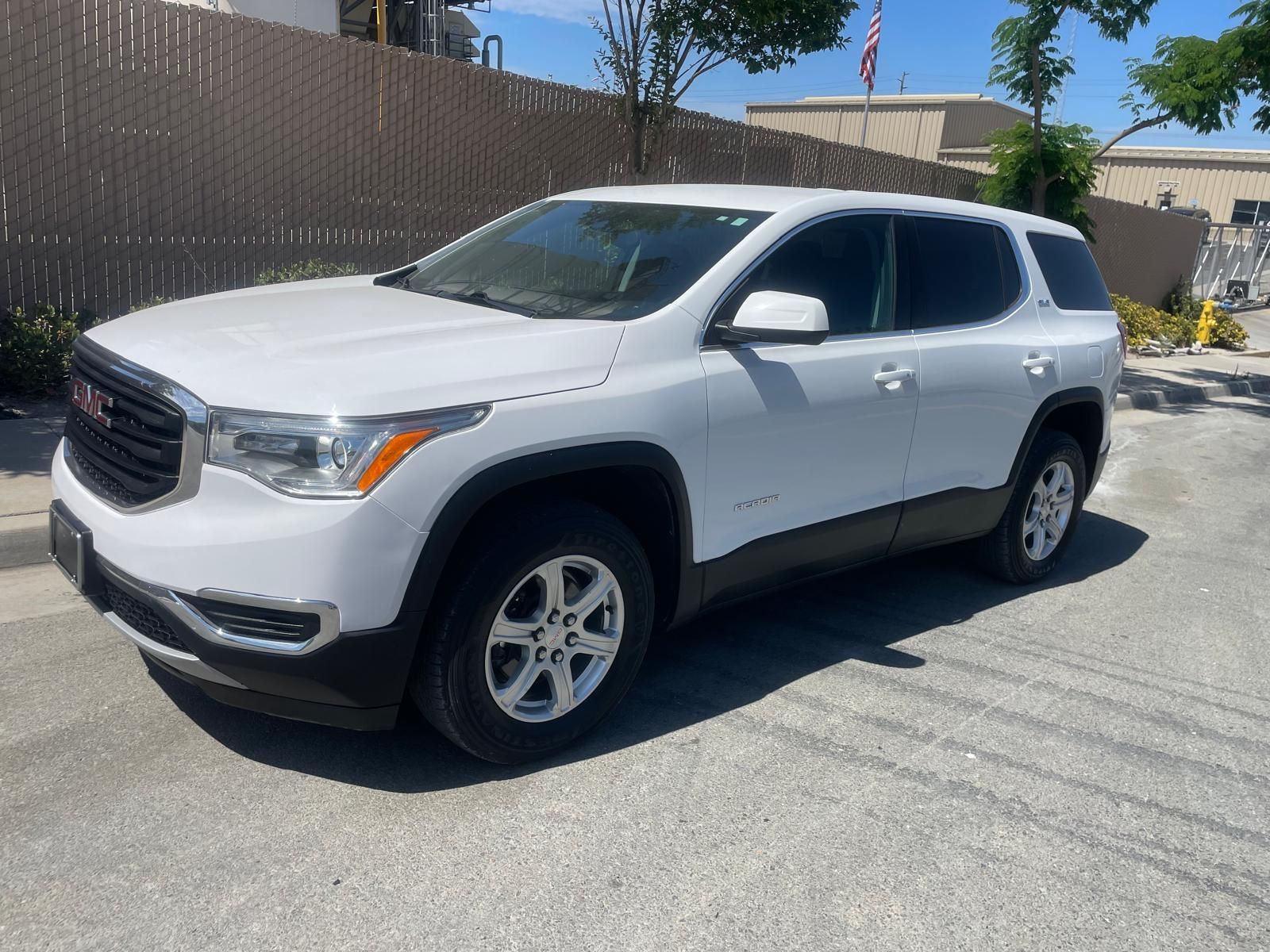
The 2018 GMC Acadia is a midsize crossover SUV that stands out for its manageable exterior dimensions, upscale Denali trim, intuitive technology, and efficient base four-cylinder engine, making it an appealing option for families looking for versatility without the bulk of a full-size SUV.
Introduction and Vehicle Identity
When General Motors redesigned the GMC Acadia for the 2017 model year, it transitioned from a bulky, truck-like full-size crossover into a trim, nimble midsize utility vehicle. The 2018 GMC Acadia builds directly on that successful formula, shedding hundreds of pounds compared to its first-generation predecessor. This size reduction vastly improved fuel economy and maneuverability while maintaining a flexible interior layout capable of seating up to seven passengers.
Positioned squarely in the competitive midsize three-row crossover segment, the Acadia competes against established rivals like the Honda Pilot, Toyota Highlander, Ford Explorer, and Mazda CX-9. However, the Acadia carves out a unique niche by offering a more rugged exterior design language in trims like the All Terrain, alongside an exceptionally luxurious, near-luxury experience in the flagship Denali trim. Evaluating the 2018 model requires examining how its powertrains, interior packaging, safety scores, and trim levels hold up for buyers seeking a reliable used family hauler.
Exterior Design and Packaging Philosophy
The shift from the first generation to the second-generation Acadia brought a more sculpted, athletic appearance. Designers replaced the boxy, wagon-like profile with softer curves, a prominent grille, and wraparound headlights that give the vehicle a confident stance on the road.
One of the most notable aspects of the 2018 Acadia is its footprint. By shrinking its overall length and wheelbase, GMC made the vehicle significantly easier to park, maneuver in tight suburban driveways, and handle in city traffic. Despite the smaller exterior dimensions, clever interior packaging ensures that passenger space in the first two rows remains generous.
Buyers could choose from several distinct exterior treatments. The base SLE and SLT trims offer a clean, chrome-accented look, while the All Terrain package swaps brightwork for dark alloy wheels, black roof rails, and body-colored trim pieces, giving it a subtle off-road-inspired aesthetic. At the top of the lineup, the Denali trim adds a signature multidimensional chrome grille, chrome bodyside molding, and unique lighting elements that signal its upscale positioning.
Interior Comfort, Seating, and Cargo Versatility
Inside the cabin, the 2018 GMC Acadia balances utilitarian durability with modern comfort. Depending on the configuration, the Acadia seats five, six, or seven passengers. The front seats offer supportive bolstering and long-distance comfort, especially in higher trims that feature leather upholstery, heating, and ventilation.
Second-row options include a traditional three-person bench seat or dual captain’s chairs. A standout feature of the second-row setup is the Smart Slide system, which allows the roadside passenger seats to tilt and slide forward even with a child safety seat installed, granting effortless access to the third row.
While the third row is well-suited for children or smaller adults on shorter trips, legroom is more constrained than what was offered in the oversized first-generation Acadia or in larger full-size competitors. Cargo capacity reflects its midsize classification:
- Behind the third row: 12.8 cubic feet
- With third-row seats folded flat: 41.7 cubic feet
- Maximum cargo volume with all rear seats folded: 79.0 cubic feet
While these figures are lower than the massive cavern of the older Acadia, they remain competitive within the modern midsize crossover class, providing plenty of room for weekly grocery hauls, luggage, or sports equipment.
Powertrain Options and Performance Specifications
The 2018 GMC Acadia offers two distinct engine choices, each paired with a smooth-shifting six-speed automatic transmission. Front-wheel drive (FWD) is standard across most models, while all-wheel drive (AWD) is available as an option.
| Engine Type | Horsepower | Torque | Transmission | EPA Fuel Economy (FWD/AWD City/Hwy) |
|---|---|---|---|---|
| 2.5-Liter 4-Cylinder | 193 hp @ 6300 rpm | 188 lb-ft @ 4400 rpm | 6-Speed Automatic | 21 / 26 mpg (FWD) / 21 / 25 mpg (AWD) |
| 3.6-Liter V6 | 310 hp @ 6600 rpm | 271 lb-ft @ 5000 rpm | 6-Speed Automatic | 18 / 25 mpg (FWD) / 17 / 25 mpg (AWD) |
The 2.5-Liter Four-Cylinder Engine
The base 2.5-liter engine produces 193 horsepower and is designed primarily for efficiency. It features stop-start technology to save fuel in heavy urban traffic. While adequate for daily commuting and light errands with a light passenger load, it can feel strained when merging onto fast-moving highways or climbing steep grades with a full cabin.
The 3.6-Liter V6 Engine
For buyers requiring stronger performance, the optional 3.6-liter V6 is the clear favorite. Delivering 310 horsepower and 271 lb-ft of torque, this engine transforms the driving experience. Acceleration is brisk, passing maneuvers on two-lane roads are stress-free, and the V6 enables a maximum towing capacity of up to 4,000 pounds when properly equipped with the trailering package. Furthermore, the V6 features Active Fuel Management, which seamlessly deactivates cylinders under light loads to preserve fuel economy.
Ride Quality, Handling, and Driving Dynamics
On the road, the 2018 GMC Acadia punches above its weight class in terms of refinement. Because it shares a lighter platform, it feels much more like a large sedan or a nimble crossover than an unwieldy truck. Body roll is well-controlled through corners, and the steering offers respectable weight and feedback.
Higher-end trims, particularly the Denali, feature an adaptive suspension system with continuous damping control. This system reads the road surface every few milliseconds and adjusts the shock absorbers in real-time, soaking up highway expansion joints and rough surface imperfections with ease. Road and wind noise are kept to a minimum across all trims, though models equipped with larger 20-inch wheels on the Denali can transmit slightly more impact harshness over sharp potholes than models with standard 18-inch wheels.
Infotainment, Technology, and Connectivity
GMC equipped the 2018 Acadia with one of the most user-friendly infotainment systems in its class. The IntelliLink interface features a crisp touchscreen—either 7-inch or 8-inch depending on the trim level—characterized by clear graphics, quick response times, and an intuitive icon-based menu structure.
Standard technology features include:
- Apple CarPlay and Android Auto smartphone integration
- 4G LTE Wi-Fi hotspot capability (requires a data subscription)
- Bluetooth connectivity and multiple USB ports distributed across all three rows
- Teen Driver monitoring system, which allows parents to set speed alerts and review driving statistics
Higher trims add premium upgrades such as an 8-inch navigation-enabled touchscreen, a Bose surround-sound audio system, a configurable driver information center, and a head-up display on the Denali. Physical buttons and knobs are retained for core climate and audio controls, making them easy to adjust without diverting the driver's eyes from the road.
Safety Ratings and Driver Assistance Features
Safety is a paramount consideration for family crossover buyers, and the 2018 GMC Acadia delivers strong credentials. In crash testing conducted by the National Highway Traffic Safety Administration (NHTSA), the Acadia earned an overall five-star safety rating. The Insurance Institute for Highway Safety (IIHS) awarded the vehicle the highest designation of "Good" in most major crashworthiness evaluations.
Depending on the trim level and selected packages, the 2018 Acadia can be outfitted with an extensive suite of active safety and advanced driver-assistance systems:
- Rear Seat Reminder: A mandatory industry-standard safety feature that alerts the driver to check the rear seat for children or pets when exiting the vehicle after a rear door has been opened.
- Low Speed Forward Automatic Braking: Applies the brakes automatically in low-speed scenarios to mitigate or prevent rear-end collisions.
- Lane Keep Assist with Lane Departure Warning: Gently corrects steering if the vehicle drifts out of its lane without an active turn signal.
- Blind Zone Alert and Rear Cross Traffic Alert: Warns drivers of vehicles lurking in blind spots or crossing behind the vehicle when backing out of a parking space.
- Surround Vision Camera: Provides a 360-degree overhead view of the vehicle to simplify tight parking maneuvers.
Trim Level Breakdown and Value Analysis
The 2018 GMC Acadia lineup is divided into five core trim levels: SL, SLE, SLT, All Terrain, and Denali. Selecting the right trim depends heavily on individual budget and feature preferences.
- SL: The entry-level model is targeted at fleet buyers or budget-conscious shoppers. It is available only in front-wheel drive with the four-cylinder engine and a bench second-row seat. It lacks advanced tech options but includes basic essentials.
- SLE: Offered in two sub-trims (SLE-1 and SLE-2), this level introduces all-wheel-drive availability, second-row captain's chairs, and power-adjustable driver seating.
- SLT: Split into SLT-1 and SLT-2, this tier adds leather upholstery, heated front seats, premium audio systems, and a comprehensive suite of active safety technologies. This is widely considered the sweet spot for value-seeking families.
- All Terrain: Built on the SLE-2 or SLT-1 foundation, this trim features an advanced twin-clutch all-wheel-drive system designed for enhanced traction in snow, mud, and sand, alongside unique rugged exterior styling cues.
- Denali: The luxury flagship features unique chrome exterior trim, ventilated front seats, heated steering wheel, unique interior wood accents, the 3.6-liter V6 engine as standard equipment, and access to exclusive safety technology packages.
Pros and Cons
Evaluating the strengths and weaknesses of the 2018 GMC Acadia provides a clear picture of its real-world ownership proposition.
Pros:
- Sharp, modern exterior styling that avoids looking utilitarian
- Highly responsive and intuitive infotainment system with standard Apple CarPlay and Android Auto
- Strong performance, passing power, and towing capacity from the optional V6 engine
- Excellent maneuverability and ease of parking compared to larger full-size rivals
- Clever second-row Smart Slide seating that facilitates easy third-row access
Cons:
- Third-row legroom and cargo capacity are tighter than the first-generation Acadia and some class competitors
- Base four-cylinder engine feels underpowered under heavy loads
- Cabin materials in lower trims feature hard plastics that lag behind segment leaders
- Ride can become firm on rough pavement when equipped with 20-inch wheels
Frequently Asked Questions
Is the 2018 GMC Acadia reliable?
The 2018 GMC Acadia generally enjoys average reliability ratings. The 3.6-liter V6 engine has a proven track record within General Motors' lineup, though buyers should verify that all factory recall services—particularly concerning electronic stability control software or fuel pump issues—have been properly addressed by a certified dealer.
Does the 2018 GMC Acadia have a third row?
Yes, all standard models of the 2018 GMC Acadia feature a third-row seat, bringing total passenger capacity to six or seven depending on whether the second row consists of captain's chairs or a bench.
What is the towing capacity of the 2018 GMC Acadia?
When equipped with the 3.6-liter V6 engine and the factory trailering package, the 2018 GMC Acadia can tow up to 4,000 pounds. Models equipped with the base 2.5-liter four-cylinder engine are rated for a maximum towing capacity of 1,000 pounds.
What is the difference between the SLE and SLT trims?
The SLE trim serves as a well-equipped mid-tier option focusing on core utility, whereas the SLT trim introduces luxury comforts such as leather upholstery, heated front seats, upgraded audio components, and wider availability of advanced driver-assistance safety packages.
How does fuel economy compare between the four-cylinder and V6 engines?
The 2.5-liter four-cylinder achieves an EPA-estimated 21 mpg city and 26 mpg highway in front-wheel-drive configuration. The 3.6-liter V6 achieves 18 mpg city and 25 mpg highway. In real-world driving, the fuel penalty for upgrading to the V6 is relatively modest, while the performance gains are substantial.
Final Recommendation
The 2018 GMC Acadia represents a balanced, sensible choice for buyers seeking a three-row crossover that prioritizes daily drivability, intuitive technology, and upscale styling over maximum cargo haulage. For the best ownership experience, shoppers are strongly advised to seek out models equipped with the 3.6-liter V6 engine and the SLT or Denali trims, which deliver the power, comfort, and safety features that make this midsize SUV shine. Always review the vehicle history report and secure a pre-purchase mechanical inspection before finalizing any used vehicle purchase.