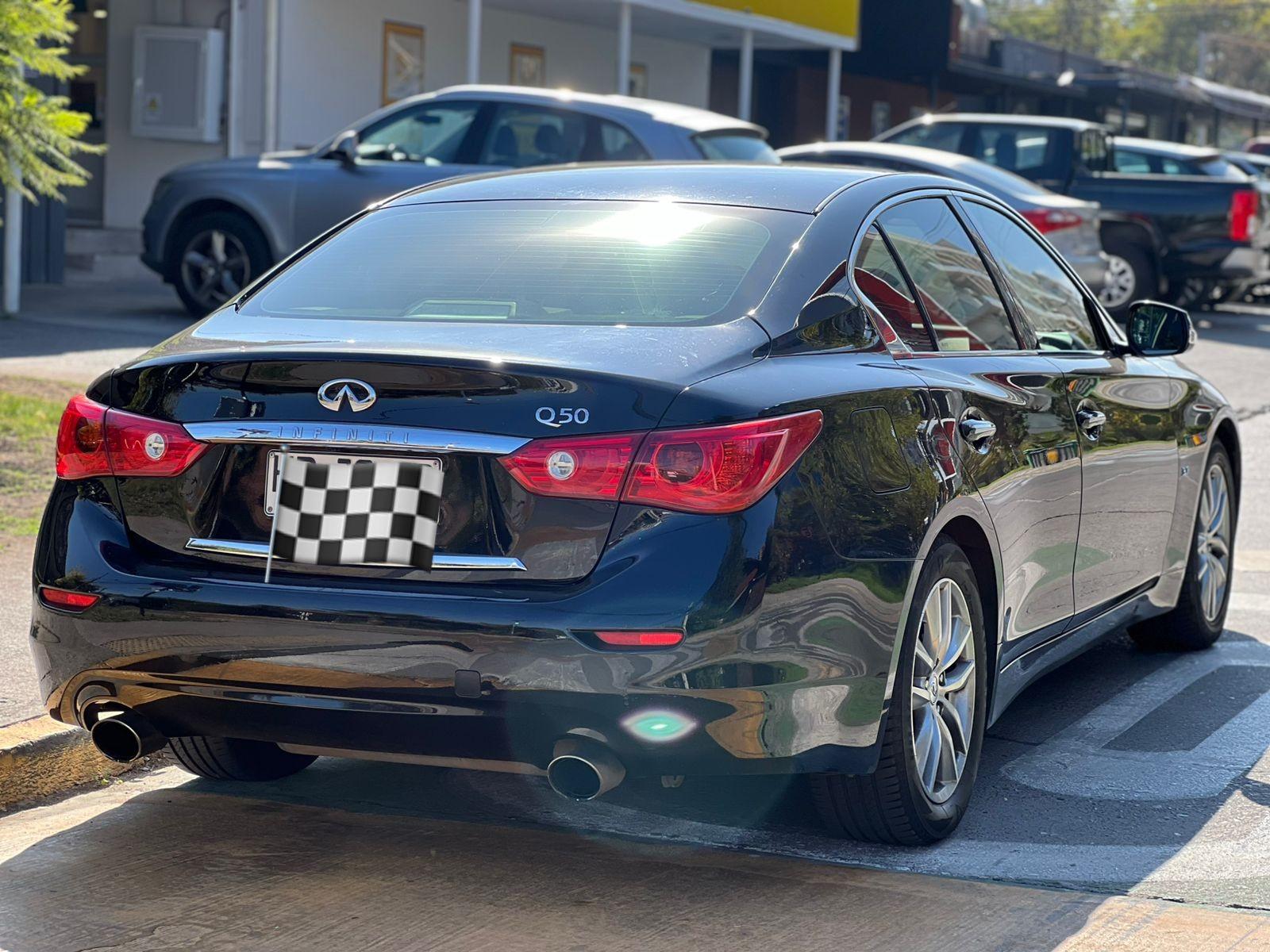
The 2015 Infiniti Q50 powered by the 3.7-liter V6 engine delivers 328 horsepower and 269 lb-ft of torque, utilizing the naturally aspirated VQ37VHR powerplant paired with a seven-speed automatic transmission. This configuration represents the final year of the iconic high-output Nissan V6 engine in the Q50 line before the introduction of smaller turbocharged alternatives.
Introduction to the 2015 Infiniti Q50 3.7
When Infiniti split its nomenclature in the mid-2010s, the former G37 sedan evolved into the Q50. For enthusiasts and everyday drivers alike, the 2015 model year holds a special place in the luxury sport sedan market. At the heart of this vehicle lies the renowned VQ37VHR engine—a 3.7-liter, naturally aspirated V6 that has built a reputation for bulletproof reliability, an aggressive exhaust note, and linear power delivery.
Disambiguating this model from later iterations is crucial for buyers and automotive enthusiasts. While subsequent years shifted heavily toward 2.0-liter turbo four-cylinders and 3.0-liter twin-turbo V6s (the VR30DDTT), the 2015 Q50 3.7 represents the culmination of a decade of engineering refinement for Nissan's VQ engine family. This comprehensive guide examines the specifications, performance capabilities, mechanical nuances, maintenance realities, and buying considerations for anyone evaluating a pre-owned 2015 Infiniti Q50 with the 3.7-liter engine.
Powertrain Specifications and Engineering Heritage
The defining feature of this specific Q50 variant is its powerplant. Understanding its mechanics requires looking closely at how the engine achieves its output without forced induction.
The VQ37VHR Engine Architecture
The VQ37VHR (Variable Valve Event and Lift / High Response) is an all-aluminum 3,696 cc V6 engine featuring a symmetric intake system, micro-finished camshaft journals, and a ladder-frame block design that enhances rigidity and reduces vibration.
- Horsepower: 328 hp at 7,000 RPM
- Torque: 269 lb-ft at 5,200 RPM
- Redline: 7,500 RPM
- Valvetrain: DOHC, 4 valves per cylinder with VVEL (Variable Valve Event and Lift)
The VVEL system combines hydraulic-controlled variable valve timing with electronically controlled cam-profile switching on the intake valves. This allows the engine to optimize air intake dynamically, resulting in crisp throttle response and broad powerbands. Unlike turbocharged engines that rely on boost pressure, the 3.7L requires higher RPMs to unlock its maximum potential, delivering an old-school sport sedan driving experience.
Transmission and Drivetrain Options
The engine is mated exclusively to a seven-speed automatic transmission featuring Adaptive Shift Control and a manual shift mode with magnesium paddle shifters on select trims (such as the Sport and S packages). Buyers could choose between rear-wheel drive (RWD) and Infiniti’s Intelligent All-Wheel Drive (AWD) system, which can send up to 50 percent of available torque to the front wheels when slip is detected.
| Specification | Rear-Wheel Drive (RWD) | All-Wheel Drive (AWD) |
|---|---|---|
| Engine | 3.7L V6 (VQ37VHR) | 3.7L V6 (VQ37VHR) |
| Horsepower | 328 hp @ 7,000 RPM | 328 hp @ 7,000 RPM |
| Torque | 269 lb-ft @ 5,200 RPM | 269 lb-ft @ 5,200 RPM |
| Transmission | 7-Speed Automatic | 7-Speed Automatic |
| Curb Weight | Approx. 3,674 lbs | Approx. 3,858 lbs |
| EPA Fuel Economy (City/Hwy) | 20 / 29 mpg | 19 / 27 mpg |
Trim Levels and Equipment Hierarchy
The 2015 Infiniti Q50 3.7 was offered across several distinct trim levels, ranging from well-appointed entry points to track-tuned variants.
Base and Premium Trims
The foundational Q50 and Q50 Premium models include dual-zone automatic climate control, the Infiniti InTouch dual-touchscreen infotainment system, Bluetooth connectivity, and 17-inch alloy wheels. The Premium trim adds a power moonroof and a Bose Studio on Wheels 14-speaker audio system, making it the most common sweet spot for daily drivers.
Sport and Hybrid (Non-Applicable) Trims
For driving dynamics, the Q50 3.7 Sport is the definitive choice. It adds:
- 19-inch split five-spoke aluminum-alloy wheels
- Sport-tuned front fascia and bolstered sport seats with manual thigh extensions
- Sport brakes with aluminum 4-piston front and 2-piston rear calipers
- Direct Adaptive Steering (DAS) or traditional hydraulic power steering depending on configuration packages
- Aluminum interior accents and solid magnesium paddle shifters
Driving Dynamics and Real-World Performance
The 2015 Q50 3.7 bridges the gap between luxury cruiser and aggressive sport sedan. Because it lacks turbo lag, power delivery is completely predictable. Pressing the accelerator results in an immediate, proportional surge that builds smoothly as the tachometer climbs toward its 7,500 RPM redline.
Acceleration and Braking
Independent testing from period automotive publications clocked the RWD Q50 3.7 from zero to 60 mph in approximately 5.3 to 5.5 seconds. The AWD variant matches this off-the-line traction in wet or snowy conditions, though it carries a slight weight penalty. The Sport brakes scrub speed efficiently, resisting fade during spirited driving sessions, though the pedal feel can feel slightly numb compared to pure European sports sedans.
Handling and Steering Controversies
The 2015 model year is notable for featuring Infiniti’s optional Direct Adaptive Steering (DAS) system. This steer-by-wire technology eliminates the mechanical connection between the steering wheel and the front wheels under normal driving conditions, utilizing digital actuators instead. While praised for isolating the cabin from road vibrations and allowing customizable steering effort and ratios, purists often criticized it for a lack of tactile road feedback. Models equipped with standard hydraulic steering offer a more traditional, communicative feel.
Common Issues, Reliability, and Maintenance
While the VQ37VHR engine is widely considered one of the most reliable modern V6 powerplants, prospective buyers and current owners must remain vigilant about a few well-documented trouble spots.
1. Gallery Gasket Failure
An infamous issue affecting early-to-mid production VQ37 engines is the internal timing chain gallery gasket. These paper-composite gaskets can degrade, crack, or blow out, leading to a loss of oil pressure. While Nissan updated the material to a tougher metal composite in late 2012, some late-build 2013–2015 models have occasionally reported pressure drops. Symptoms include a low oil pressure warning light and engine ticking. Monitoring oil pressure via diagnostic tools on higher-mileage vehicles is recommended.
2. Valve Body and Transmission Quirks
The seven-speed automatic transmission can occasionally exhibit harsh shifting, delayed engagement into reverse or drive, or a hesitation lag during aggressive kick-downs. Many of these issues were addressed via factory software TSBs (Technical Service Bulletins) released by Infiniti. Ensuring the transmission control module (TCM) has the latest software updates can resolve most drivability concerns.
3. Infiniti InTouch Infotainment Glitches
The 2015 model features a dual-touchscreen layout running an early generation of software. Users frequently report sluggish boot times, Bluetooth pairing drops, and occasional screen freezes. Software updates performed at a dealership can improve responsiveness, but owners seeking modern smartphone integration often look toward aftermarket CarPlay and Android Auto integration modules.
Frequently Asked Questions
What is the actual horsepower of the 2015 Infiniti Q50 3.7?
The 2015 Infiniti Q50 with the 3.7-liter V6 engine produces an official factory rating of 328 horsepower at 7,000 RPM and 269 lb-ft of torque at 5,200 RPM.
Is the 2015 Infiniti Q50 3.7 a reliable car?
Yes. The VQ37VHR engine is mechanically robust, capable of easily surpassing 150,000 to 200,000 miles with regular oil changes and routine maintenance. However, buyers should inspect for oil leaks, check service records, and verify that transmission software updates have been applied.
Does the 2015 Q50 3.7 have a turbocharger?
No. This engine is naturally aspirated, meaning it does not use a turbocharger or supercharger. Power is developed entirely through engine displacement and high-revving volumetric efficiency.
What is the fuel economy for the 2015 Infiniti Q50 3.7?
According to EPA estimates, the rear-wheel-drive (RWD) model achieves 20 mpg in the city and 29 mpg on the highway. The all-wheel-drive (AWD) model achieves slightly lower figures at 19 mpg city and 27 mpg highway. Real-world fuel economy heavily depends on driving habits due to the engine's high-RPM powerband.
Which is better: the 2015 Q50 3.7 or the later 2016 Q50 3.0T?
It depends on user preference. The 2015 3.7 offers superior long-term mechanical reliability, a linear power delivery, and a louder factory exhaust note. The later 2016 3.0T models offer much greater low-end torque and significantly higher tuning potential via aftermarket ECU remaps, but introduce complexities associated with twin-turbochargers.
Conclusion and Buying Recommendation
The 2015 Infiniti Q50 with the 3.7-liter engine stands as a compelling choice for enthusiasts seeking a reliable, rear-wheel-drive-based luxury sport sedan without the mechanical complexities and maintenance costs of modern forced-induction engines. When evaluating a used model, prioritize examples with comprehensive maintenance records, verified clean titles, and documented fluid changes. For the best driving experience, seek out the Sport trim equipped with standard hydraulic steering and sport-tuned suspension to fully appreciate the capability of the legendary VQ37 powerplant.