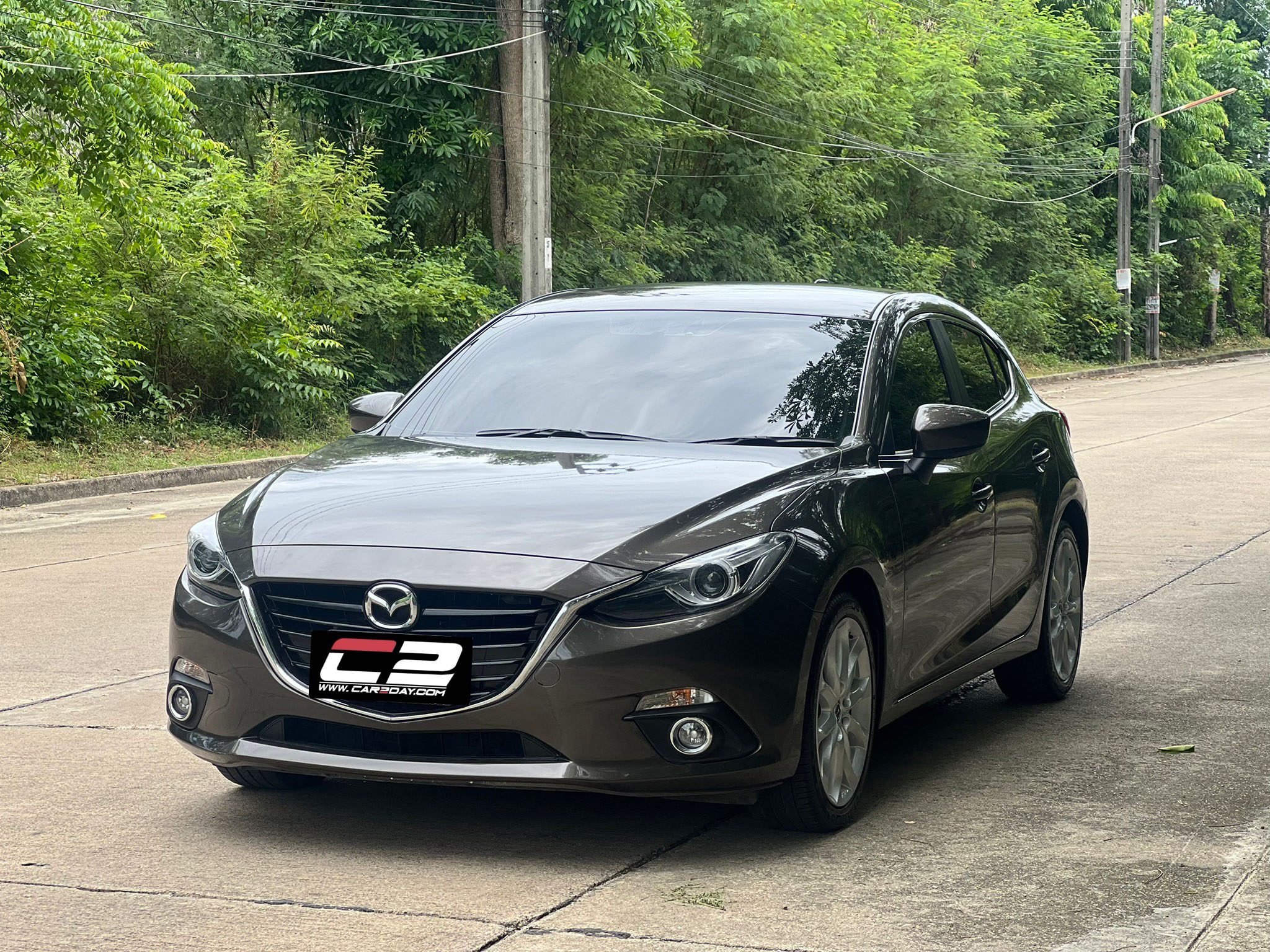
The 2014 Mazda 4 does not exist as an official production vehicle, as Mazda historically utilized the "Mazda3" and "Mazda6" monikers for its compact and mid-size vehicle segments, while skipping the number four due to cultural associations in certain Asian markets. When enthusiasts or prospective buyers search for a 2014 Mazda 4, they are almost universally looking for the contemporary 2014 Mazda3, which received a major structural and design overhaul for that model year.
Understanding the Moniker Disambiguation: Why There Is No Mazda 4
In the automotive industry, nomenclature is rarely accidental. Mazda, a Japanese multinational automaker headquartered in Hiroshima, has maintained a consistent naming convention for decades, using single-digit numeric designations (Mazda2, Mazda3, Mazda6, Mazda8) alongside alphanumeric crossover designations (CX-3, CX-5, CX-9). However, a distinct gap exists in the core passenger car lineup: the absence of a Mazda 4.
Cultural Number Superstition
In several East Asian cultures, including Japanese, Chinese, and Korean, the spoken number four sounds identical or closely similar to the word for "death." This linguistic phenomenon, known as tetraphobia, often leads manufacturers to bypass the digit in product line numbering, building codes, and floor designations. While Mazda has never officially codified tetraphobia as the sole reason for omitting the "Mazda 4" badge from its global passenger car roster, industry analysts widely attribute the missing numerical designation to this cultural tradition.
The Real Subject: The 2014 Mazda3
For practical purposes, anyone researching specifications, performance data, fuel economy, or common mechanical issues for a "2014 Mazda 4" is actually seeking information on the 2014 Mazda3. Released for the 2014 model year, the third-generation Mazda3 marked a monumental shift for the brand, introducing the full suite of SkyActiv technologies, the Kodo "Soul of Motion" design language, and an entirely revamped interior architecture. The following overview details the specifications, design philosophies, and powertrain configurations of the actual vehicle corresponding to this search intent: the 2014 Mazda3.
The 2014 Mazda3: Architecture and Design Philosophy
The 2014 model year represented the debut of the third-generation Mazda3, available in both four-door sedan and five-door hatchback body styles. This generation moved away from the Ford-influenced platforms of the past, utilizing a lightweight, rigid chassis designed completely under Mazda's independent engineering umbrella.
Kodo Design Language
The exterior styling abandoned the smiling, aggressive grille of the second-generation model in favor of the more mature Kodo design language. Characterized by sweeping body lines, a low-slung stance, and a prominent front grille outlined by a signature wing, the 2014 Mazda3 aimed to capture a sense of motion even while stationary. The hatchback offered a shorter overall length than the sedan while maximizing cargo flexibility, appealing to buyers prioritizing utility alongside fuel efficiency.
SkyActiv Chassis and Body Engineering
Underneath the skin, the vehicle utilized SkyActiv-Body construction. By incorporating high-tensile and ultra-high-tensile steel in critical load-bearing areas, engineers increased body rigidity by approximately 30 percent over the previous generation while simultaneously reducing curb weight. This weight reduction improved handling responsiveness, crash safety ratings, and fuel economy without sacrificing structural integrity.
Powertrain Options and Performance Specifications
The 2014 Mazda3 introduced North American and global markets to two primary engine choices, both engineered around high compression ratios and efficient combustion cycles.
| Engine Type | Displacement | Horsepower | Torque | Transmission Options | Fuel Economy (EPA Est. City/Hwy) |
|---|---|---|---|---|---|
| SkyActiv-G 4-Cylinder | 2.0 Liters | 155 hp @ 6,000 rpm | 150 lb-ft @ 4,000 rpm | 6-speed manual / 6-speed automatic | 30 / 41 mpg (Sedan Auto) |
| SkyActiv-G 4-Cylinder | 2.5 Liters | 184 hp @ 5,700 rpm | 185 lb-ft @ 3,250 rpm | 6-speed automatic only (2014) | 28 / 39 mpg (Grand Touring) |
The 2.0-Liter Engine
The base powerplant, a 2.0-liter naturally aspirated four-cylinder engine, produced 155 horsepower and 150 lb-ft of torque. This engine was designed for maximum efficiency, achieving up to 41 miles per gallon on the highway when paired with the SkyActiv-Drive six-speed automatic transmission and the available i-ELOOP regenerative braking system (on select trims).
The 2.5-Liter Engine
For drivers seeking more dynamic performance, higher trims (such as the s Touring and s Grand Touring) featured a larger 2.5-liter four-cylinder engine borrowed from the larger Mazda6. Generating 184 horsepower and 185 lb-ft of torque, this engine significantly improved acceleration times while maintaining competitive fuel economy figures, hovering around the high-30s on highway cycles.
Interior Technology and Ergonomics
The interior of the 2014 model year overhaul marked a dramatic departure from economy-car interior standards of that era, focusing on driver-centric controls and premium material selection.
Mazda Connect and HMI Commander Switch
The center console introduced a rotary controller known as the Commander switch, positioned near the gear selector to minimize driver distraction. This interface operated the Mazda Connect infotainment system, displayed on a 7-inch touchscreen mounted prominently atop the dashboard. While innovative for 2014, early software versions occasionally suffered from lag or Bluetooth pairing inconsistencies, which could be resolved via firmware updates provided by dealerships.
Active Driving Display
Select higher trim levels featured a unique transparent Active Driving Display—a head-up display (HUD) that projected vital information, such as vehicle speed and turn-by-turn navigation instructions, onto a small pop-up polycarbonate panel directly in the driver's line of sight.
Safety Ratings and Equipment
Safety was a primary focus for the third-generation platform, resulting in high marks from major safety authorities.
- Insurance Institute for Highway Safety (IIHS): The 2014 Mazda3 earned the organization's highest designation, Top Safety Pick+, scoring "Good" ratings in moderate overlap front, small overlap front, side, roof strength, and head restraint evaluations.
- National Highway Traffic Safety Administration (NHTSA): The vehicle received a 5-star overall safety rating, reflecting robust crash test performance across frontal, side, and rollover metrics.
- Active Safety Technologies: Depending on the trim package, the vehicle could be equipped with the i-Activsense suite, which included Blind Spot Monitoring (BSM), Rear Cross Traffic Alert (RCTA), Lane Departure Warning System (LDWS), and Smart City Brake Support (SCBS), an autonomous low-speed braking system designed to mitigate rear-end collisions in traffic.
Common Maintenance and Ownership Considerations
For buyers examining a used 2014 model today, several known wear points and mechanical characteristics warrant attention during a pre-purchase inspection:
- Infotainment Screen Delamination: Early production models of the 7-inch touchscreen experienced a failure mode where the outer digitizer layer separated or cracked ("ghost touch"), causing the system to register random inputs. Replacing the screen assembly or installing an aftermarket digitizer cures this issue.
- Drive Belt Tensioner and Pulleys: High-mileage examples may exhibit squeaking or chirping noises from the accessory drive belt area, typically requiring the replacement of the belt tensioner pulley assembly.
- Brake Component Wear: Due to the vehicle's dynamic handling characteristics, rear brake pads and rotors can occasionally wear prematurely if salt or debris causes the slide pins to seize in climates that utilize winter road treatments.
- Suspension Bushings: Lower control arm bushings should be inspected for tearing or rubber degradation, which can introduce vagueness into steering response over rough pavement.
Frequently Asked Questions
Is there an official Mazda model named the Mazda 4?
No. Mazda has never produced a production vehicle named the Mazda 4. Due to cultural tetraphobia in certain Asian markets where the number four is associated with bad luck or death, automotive manufacturers frequently skip the digit entirely in their core passenger car lineages.
What vehicle should I look for if I am searching for a 2014 Mazda 4?
You should look for the 2014 Mazda3. It serves as the compact sedan and hatchback offering from that model year and is the vehicle most frequently confused with a hypothetical "Mazda 4" due to numerical sequence expectations.
What transmission options were available on the 2014 Mazda3?
Depending on the trim level and engine choice, buyers could select either a responsive SkyActiv-MT six-speed manual transmission or a SkyActiv-Drive six-speed automatic transmission. The larger 2.5-liter engine was initially offered exclusively with the automatic transmission for the 2014 model year.
How reliable is the 2014 Mazda3 engine?
The SkyActiv-G engines (2.0L and 2.5L) are widely regarded by automotive technicians as durable, reliable powerplants capable of exceeding 200,000 miles when subjected to regular oil changes and scheduled maintenance intervals. They utilize direct injection, which requires periodic monitoring of intake valve carbon accumulation, though this is less severe than in some competing early direct-injection engines.
Recommendations for Prospective Buyers
If you are evaluating a used 2014 Mazda3 (often mistakenly sought as a 2014 Mazda 4), prioritize models equipped with the 2.5-liter engine if you prefer stronger highway acceleration, or the 2.0-liter if fuel economy is your paramount concern. Always verify that open safety recalls have been completed by checking the VIN via the National Highway Traffic Safety Administration database, and test the infotainment Commander switch and touchscreen to ensure the digital interface functions without erratic phantom inputs.