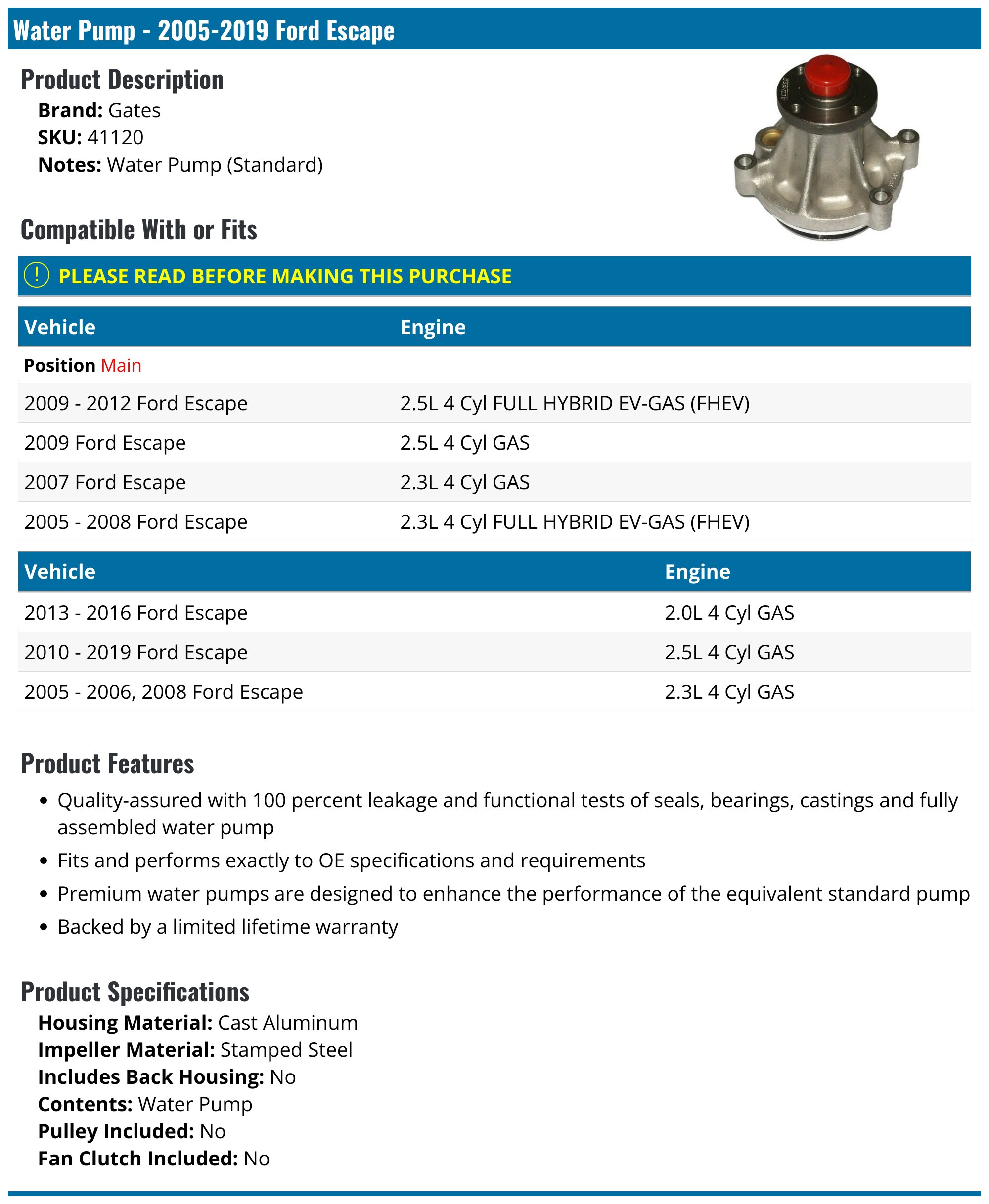
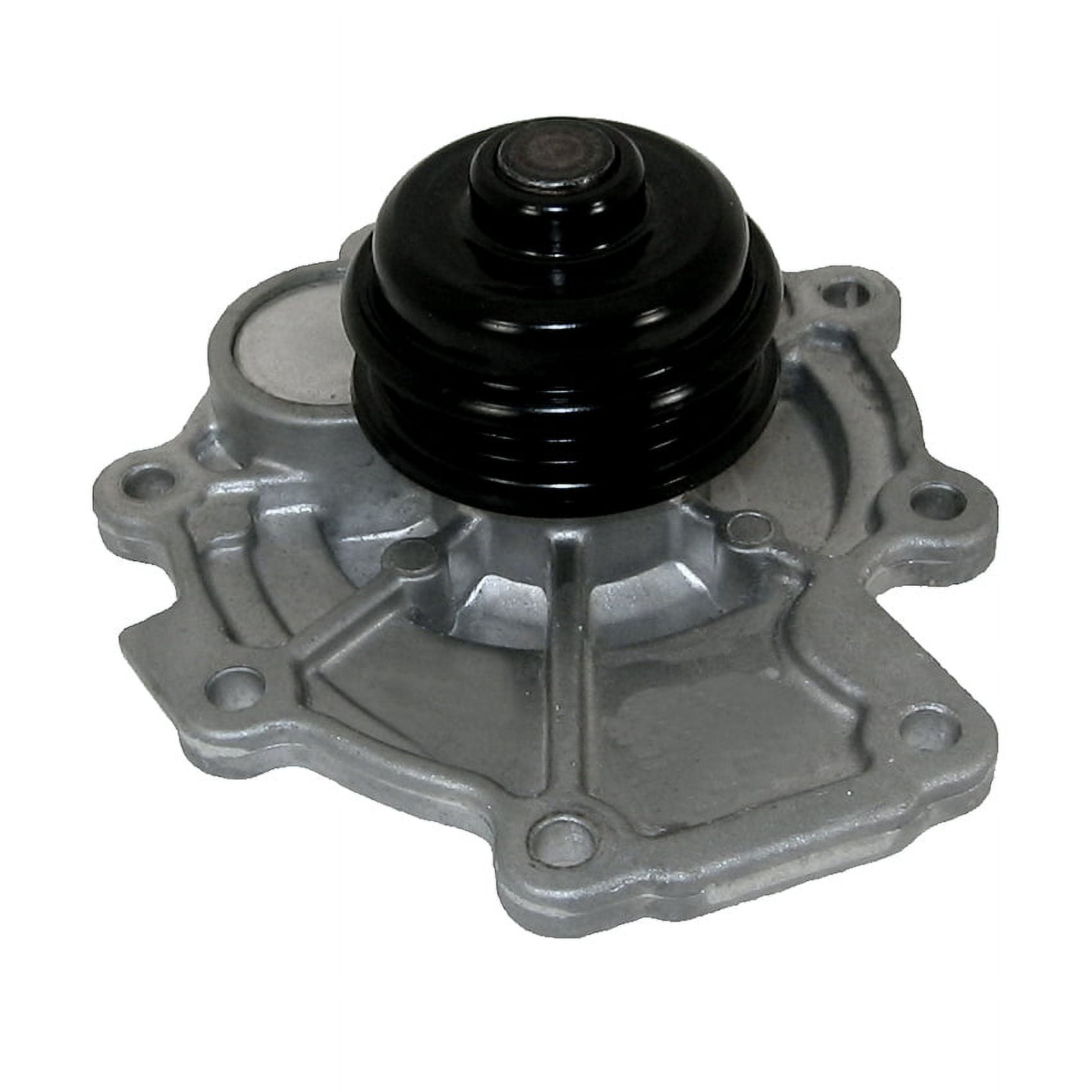
For owners and prospective buyers of the 2013 Ford Escape, the "water pump recall" is a frequently searched term that actually refers to a series of critical safety recalls involving the engine cooling system, particularly in models equipped with the 1.6L EcoBoost engine. While a specific recall solely for the water pump unit itself was not the primary focus, the water pump's role in the broader cooling system failures led to multiple NHTSA-mandated actions to prevent engine fires and catastrophic overheating.
The 2013 Ford Escape marked a significant redesign for the nameplate, introducing the EcoBoost engine lineup to the compact SUV segment. However, the first year of this generation was marred by cooling system vulnerabilities that could lead to cylinder head cracking, oil leaks, and subsequent engine bay fires. Understanding the timeline of these recalls is essential for maintaining vehicle safety and ensuring that all factory-mandated repairs have been performed.
The Technical Context: Why the 2013 Escape Faced Cooling Issues
To understand the recall timeline, one must first understand the mechanical failure at the heart of the 2013 Ford Escape’s troubles. The issues were most prevalent in the 1.6L EcoBoost four-cylinder engine.
The primary technical failure involved "localized overheating" of the engine cylinder head. In these instances, the cooling system—which includes the water pump, coolant expansion tank, and various bypass valves—failed to adequately manage the thermal load. When the engine ran low on coolant, or if the coolant did not circulate properly, the cylinder head could overheat to the point of cracking. A cracked cylinder head allows pressurized oil to leak onto hot engine components, which is a direct precursor to an engine fire.
While many owners experienced water pump failures (leaking seals or bearing failure), these were often categorized as mechanical wear. However, because the 1.6L engine was so sensitive to coolant levels, a failing water pump could quickly escalate from a minor leak to a total engine loss. This led to a series of recalls designed to add safeguards, such as coolant level sensors and software updates, which the vehicle lacked at the time of its initial 2012 release.
Chronological Timeline of Major Recalls and Actions
The following timeline details the progression of Ford’s response to these cooling system and fire risk issues from the vehicle’s launch through its legacy status in 2026.
2012: The Immediate Response (Recall 12S35 / NHTSA 12V352000)
Almost immediately after the 2013 Escape hit the market in the summer of 2012, reports of engine fires began to surface.
- The Issue: Ford identified that the engine compartment fuel line could leak, but simultaneously, they discovered that the 1.6L engines were overheating.
- The Action: In July 2012, Ford issued a "Stop Sale" and a recall for approximately 11,500 vehicles. This was one of the fastest recalls in modern automotive history following a product launch.
- The Fix: Dealers replaced the fuel line, but this was only the beginning of the cooling-related concerns.
Late 2012: The First Major Cooling/Fire Recall (Recall 12S41 / NHTSA 12V545000)
By November 2012, Ford realized the fuel line wasn't the only fire risk.
- The Issue: Continued reports of fires in the 1.6L EcoBoost engines. It was determined that the cylinder head could crack due to overheating, leaking oil into the engine bay.
- The Scope: This affected roughly 73,000 Escapes in the U.S. and Canada.
- The Fix: Ford implemented a software update to the cooling system to better manage temperatures and provided owners with instructions on how to monitor coolant levels more strictly.
2013: Expanding the Scope (Recall 13S12 / NHTSA 13V584000)
As the 2013 model year drew to a close, the severity of the cooling system's design flaws became more apparent.
- The Issue: Even with previous software updates, the 1.6L engines were still susceptible to overheating that led to cylinder head cracking.
- The Action: This recall was a massive expansion, covering over 139,000 vehicles including the 2013 Escape and the Ford Fusion.
- The Fix: Another round of software updates aimed at the "cooling system strategy." This update was designed to trigger a dashboard warning and pull back engine power (limp mode) if the sensors detected a specific temperature threshold or low coolant levels.
2017: The "Final" Cooling Solution (Recall 17S09 / NHTSA 17V209000)
Years after the 2013 Escape left the showroom, Ford issued what many technicians consider the most comprehensive fix for the 1.6L cooling issues.
- The Issue: Ford admitted that the previous software-only fixes were insufficient. Vehicles were still experiencing fires because they lacked a physical way to monitor real-time coolant levels effectively.
- The Scope: 230,000 vehicles across the 2013-2015 model years.
- The Fix: This was a hardware-intensive recall. Dealers were required to install a coolant level sensor and the associated wiring and hardware. This gave the car the ability to warn the driver of a leak (such as from a failing water pump) before the engine reached the critical overheating point.
2018–2026: Legacy Maintenance and Long-Term Reliability
In the years following the 17S09 recall, the 2013 Ford Escape has transitioned into the high-mileage used car market. As of 2026, the primary concern for owners is no longer new recalls, but ensuring that these historical recalls were actually completed.
Many water pump failures reported by owners in this period are standard mechanical failures due to age and mileage. However, because of the engine's history, a simple water pump leak remains a high-stakes repair. If the 17S09 hardware (the coolant sensor) is not functioning, a standard water pump failure can still result in a destroyed engine.
2013 Ford Escape Recall Summary Table
| Recall Number | NHTSA ID | Primary Component | Engine Type | Remedy |
|---|---|---|---|---|
| 12S35 | 12V352000 | Fuel Line / Engine Fire | 1.6L EcoBoost | Replacement of fuel line |
| 12S41 | 12V545000 | Cylinder Head / Fire | 1.6L EcoBoost | Software update & cooling check |
| 13S12 | 13V584000 | Cooling System | 1.6L EcoBoost | Enhanced software management |
| 17S09 | 17V209000 | Coolant Level Sensor | 1.6L EcoBoost | Hardware installation (Sensor/Tank) |
| 14S05 | 14V284000 | Door Latch (Secondary) | All Models | Replacement of door latches |
Comparing the 1.6L, 2.0L, and 2.5L Engines
It is a common misconception that all 2013 Ford Escapes are under the same "water pump" or cooling recall. The engine choice significantly changes the vehicle's reliability profile.
1.6L EcoBoost
This engine is the subject of almost all the cooling-related fire recalls. It uses a complex cooling circuit with a bypass valve that was prone to failure. If you own this engine, verifying the completion of Recall 17S09 is the single most important maintenance step you can take.
2.0L EcoBoost
While the 2.0L engine had its share of minor coolant sensor issues and a separate recall for fuel delivery (14V526000), it did not suffer from the same cylinder head cracking or fire risk as the 1.6L. Water pump failures on the 2.0L are generally treated as standard maintenance items rather than safety recall events.
2.5L Duratec (Naturally Aspirated)
The 2.5L engine, often found in S-trim models and fleet vehicles, is the most robust of the 2013 lineup. It did not feature the complex turbocharging cooling requirements of the EcoBoost line and was largely exempt from the fire-related cooling recalls.
Identifying Symptoms of Water Pump and Cooling Failure
Even with all recalls performed, the 2013 Ford Escape’s cooling system requires vigilance. Owners should be aware of the following symptoms, which may indicate that the water pump or related components are failing:
- The "Engine Overheating - Stop Safely" Message: This is the most critical warning. Thanks to the 17S09 recall software, the car should now provide this warning before the engine is destroyed.
- Low Coolant Levels: If you find yourself topping off the orange (or yellow) coolant reservoir frequently, there is a leak. Common sources include the water pump weep hole, the coolant bypass valve, or the plastic coolant "degas" tank.
- Sweet Smell from the Engine Bay: Engine coolant has a distinct, sugary odor. If you smell this after a drive, it indicates coolant is escaping the pressurized system and evaporating on hot engine parts.
- Visible Leaks: Look for orange or pinkish crusty residue around the passenger side of the engine bay, which is where the water pump and serpentine belt are located.
How to Verify Recall Status in 2026
As of 2026, many 2013 Ford Escapes have passed through several owners. It is possible that a vehicle was "lost" in the system and never received its 17S09 hardware update.
- Locate the VIN: The 17-digit Vehicle Identification Number is found on the driver-side dashboard (visible through the windshield) or on the driver-side door jamb sticker.
- NHTSA Recall Search: Visit the NHTSA Recalls Portal and enter your VIN. This database will show "Incomplete" recalls.
- Ford Owner Portal: Ford maintains an official database where owners can check for outstanding Field Service Actions (FSAs) or Customer Satisfaction Programs (CSPs) that may not appear on the NHTSA site.
- Physical Inspection: For the 17S09 recall, a technician can easily verify if the coolant level sensor has been installed on the expansion tank. If there are no wires leading to the coolant tank, the recall likely hasn't been done.
Professional Advice: Managing the 2013 Escape in 2026
If you are currently driving or considering purchasing a 2013 Ford Escape, it is vital to treat the cooling system as a primary maintenance point. While the recalls addressed the safety risk of fires, they did not necessarily make the water pump or hoses "lifetime" parts.
Water Pump Replacement: On the 1.6L and 2.0L engines, the water pump is driven by the accessory belt (serpentine belt), not the timing belt. This makes it a slightly easier repair than on some other vehicles, but it remains labor-intensive. If your Escape has over 100,000 miles and the water pump is original, proactive replacement is highly recommended.
Coolant Maintenance: Use only the Ford-specified Motorcraft Orange or the newer superseded Motorcraft Yellow coolant. Mixing generic coolants can lead to "corrosion" and "gelling," which can clog the small passages in the EcoBoost cylinder head, potentially leading to the very overheating the recalls were meant to prevent.
Disclaimer: Automotive safety information can change. Always consult with a certified Ford technician or the NHTSA for the most current information regarding your specific vehicle's safety status.
Frequently Asked Questions
Was there a specific "water pump" recall for the 2013 Ford Escape?
No, there was not a recall specifically for the water pump component itself. However, there were multiple recalls (12S41, 13S12, 17S09) for the engine cooling system and fire risks that were directly impacted by how the water pump circulated coolant. If a water pump fails, it triggers the conditions these recalls were designed to manage.
Can I still get the cooling recall fixed for free in 2026?
Yes. Safety recalls mandated by the NHTSA do not have an expiration date. If your 2013 Ford Escape has an open recall for the cooling system or coolant level sensor, any authorized Ford dealership is required to perform the repair at no cost to you, regardless of the vehicle's mileage or age.
What happens if my engine was already damaged by overheating?
In the early years of these recalls, Ford offered programs to replace engines that had suffered cylinder head cracking due to the recall-related cooling issues. By 2026, these "Customer Satisfaction Programs" for engine replacement have generally expired. If the engine fails now, the owner is typically responsible for replacement costs unless a specific extended warranty is still in effect.
Is the 2013 Ford Escape safe to drive now?
The 2013 Ford Escape is considered safe to drive provided that all safety recalls, especially 17S09, have been completed. This recall adds the necessary sensors to warn you of a cooling failure before it becomes a fire hazard. Without these updates, the vehicle remains at a higher risk for catastrophic engine failure.
Which 2013 Ford Escape engine is the most reliable?
The 2.5L naturally aspirated engine is widely considered the most reliable for the 2013 model year. It avoided the complex cooling and fire-related recalls that plagued the 1.6L EcoBoost engine.
Final Recommendation
For anyone operating a 2013 Ford Escape in 2026, your first priority should be VIN verification. Ensure that the 17S09 recall has been performed. Beyond the recalls, maintain your cooling system with the same rigor as you would an oil change. Replace aging plastic coolant hoses and the water pump proactively if you notice any signs of leakage. By addressing these known vulnerabilities, you can continue to operate this vehicle safely despite its complex recall history.