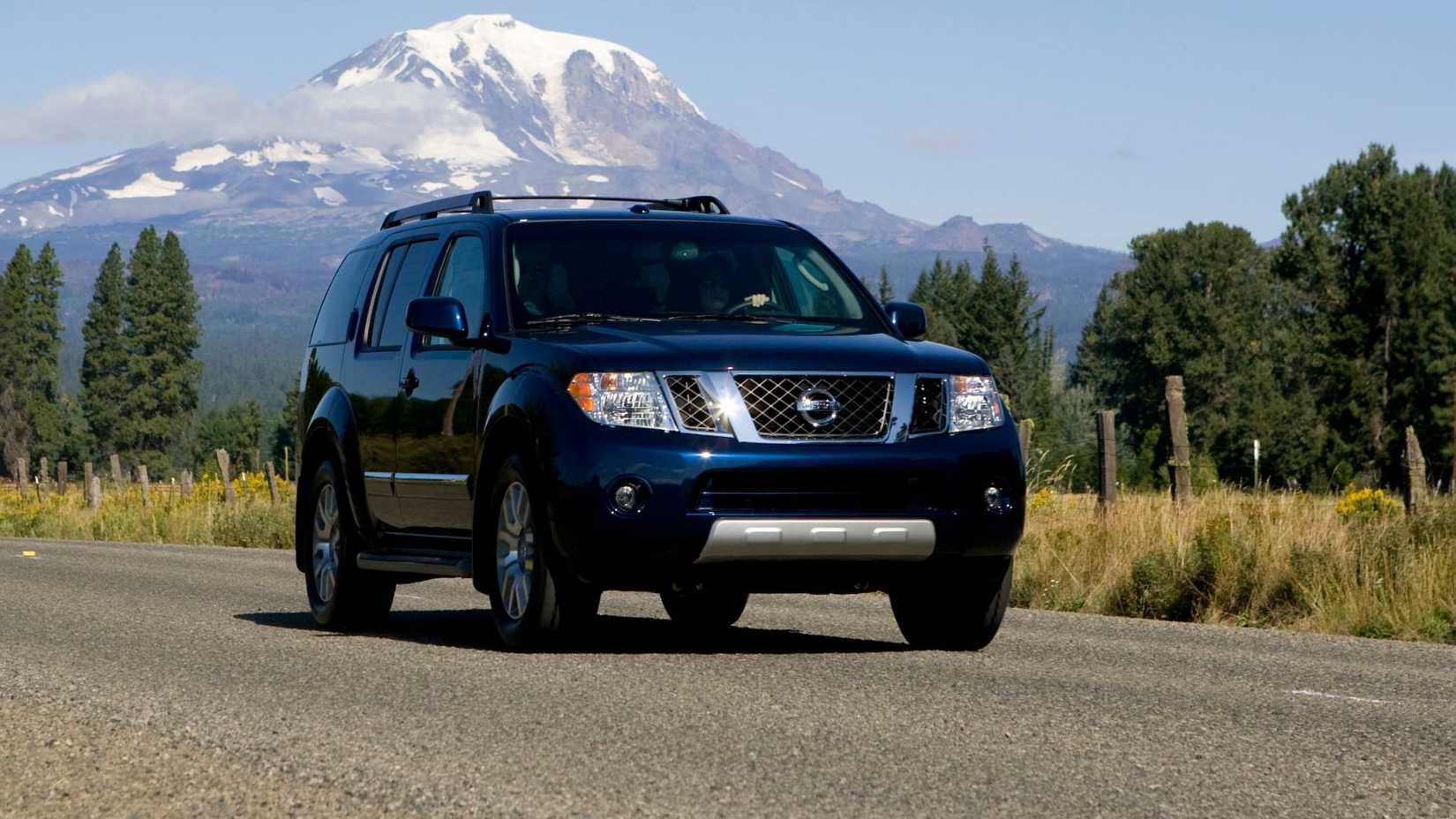
The 2012 Nissan Pathfinder is generally considered a robust SUV, representing the final year of the rugged R51 generation. While it avoided the most severe transmission failures of earlier years, owners in 2026 frequently encounter issues with timing chain guide wear, fuel level sensor malfunctions, and suspension fatigue due to the vehicle's age and heavy-duty body-on-frame design.
Understanding the R51 Legacy: The 2012 Context
By the time the 2012 model year arrived, Nissan had refined many of the catastrophic failures that plagued the 2005–2010 R51 Pathfinders. As the final iteration of the "truck-based" Pathfinder before the nameplate transitioned to a unibody crossover in 2013, the 2012 model remains highly sought after by off-road enthusiasts and those needing significant towing capacity. However, as these vehicles cross the 14-year mark in 2026, the distinction between "design flaws" and "age-related degradation" becomes critical for owners and secondary-market buyers.
The 2012 Pathfinder was offered primarily with two powerplants: the ubiquitous 4.0L V6 (VQ40DE) and the heavy-duty 5.6L V8 (VK56DE). While both engines are mechanically sound at their core, they carry specific maintenance requirements that, if ignored, lead to the "issues" commonly cited in owner forums and technical service bulletins (TSBs).
Transmission and the SMOD Shadow
The most notorious issue in Pathfinder history is the "Strawberry Milkshake of Death" (SMOD). This occurs when the internal cooling tank for the transmission fluid, located inside the radiator, cracks. This allows engine coolant and automatic transmission fluid (ATF) to mix. The resulting slurry destroys the transmission's internal clutch packs and electronics.
Is the 2012 Model Vulnerable?
By 2012, Nissan had updated the radiator part numbers to a design less prone to this internal failure. However, in 2026, the risk reappears not due to a design flaw, but due to radiator fatigue. Any plastic-and-aluminum radiator with 150,000+ miles is a candidate for internal seal failure.
For 2012 owners, the primary concern is no longer a manufacturing defect but the sheer age of the cooling system. Many experts recommend a "preventive strike" by replacing the original radiator or installing an external transmission cooler to bypass the radiator entirely. This bypass ensures that even if the radiator fails, the transmission remains isolated and protected.
Engine Performance and Timing Chain Concerns
The 4.0L V6 (VQ40DE) used in the 2012 Pathfinder is a member of the VQ engine family, known for its longevity. However, it possesses a specific vulnerability regarding the secondary timing chain guides.
The "Whining" Symptom
The plastic shoes on the secondary timing chain tensioners can wear down over time. When the plastic wears through, the metal chain begins to rub against the metal tensioner piston. This creates a distinct high-pitched "whine" that sounds similar to a supercharger or a failing power steering pump.
In 2026, many 2012 Pathfinders have either had this repaired or are just reaching the mileage (typically 120,000 to 160,000 miles) where the guides fail. Ignoring this sound can lead to timing jumps and catastrophic engine damage. The repair is labor-intensive, often costing between $1,500 and $2,500 depending on regional labor rates, as it requires removing the front timing cover and most of the engine's accessories.
The 5.6L V8 Alternative
The LE trim of the 2012 Pathfinder offered the VK56DE V8. While this engine avoids the specific timing chain guide issues of the V6, it is prone to cracked exhaust manifolds. Owners often report a "ticking" sound upon cold starts that fades as the metal expands. Replacing these manifolds is expensive because of the cramped engine bay, often prompting owners to switch to aftermarket headers.
Electrical and Sensor Failures
Nissan vehicles from this era frequently struggle with small but frustrating electrical components. The 2012 Pathfinder is no exception, with three primary areas of concern.
1. Fuel Level Sensor Failure
One of the most common complaints is an inaccurate fuel gauge. The sensor (sending unit) inside the fuel tank often fails, causing the gauge to read "Empty" even when the tank is full, or causing the "Service Engine Soon" light to illuminate with code P0463.
By 2026, many of these units have failed at least once. The fix usually involves dropping the fuel tank to replace the sending unit. While the part itself is relatively inexpensive, the labor to access the tank can be significant.
2. EVAP System Clogs
The Vent Control Valve located near the rear charcoal canister is a frequent failure point. It often becomes clogged with dust or road debris, especially if the vehicle has been used off-road. This prevents the fuel tank from venting properly during refueling, causing the gas pump nozzle to "click off" repeatedly even when the tank isn't full. It also triggers the P0442 or P0455 "Evaporative Emission System Leak" codes.
3. IPDM (Intelligent Power Distribution Module)
The IPDM is essentially a "smart" fuse box located in the engine bay. In older Nissans, the relays within this module (specifically the ECM relay) were prone to failure, causing the vehicle to crank but not start, or stall unexpectedly. While the 2012 model received an updated IPDM design, moisture ingress or corrosion can still lead to erratic electrical behavior in 2026.
Chassis, Suspension, and Drivetrain
The 2012 Pathfinder is a heavy vehicle, weighing roughly 4,600 to 5,000 lbs depending on the trim. This weight, combined with its off-road-capable suspension, puts significant stress on the chassis components.
Suspension Fatigue
- Lower Control Arm Bushings: These are often the first to go, leading to "clunking" sounds over bumps and uneven tire wear.
- Rear Sag: The R51 generation is notorious for rear-end sag, especially when towing or carrying passengers. By 2026, the original leaf springs or coil-over setups (depending on specific modifications) are likely near the end of their life cycle.
- Wheel Bearings: Front hub assemblies are a frequent replacement item. If you hear a low-frequency "hum" that changes pitch with vehicle speed, the wheel bearings are the likely culprit.
4WD System Gremlins
The 2012 Pathfinder uses an electronic transfer case selector. Issues often arise from the 4WD switch or the transfer case actuator. If the vehicle is not shifted into 4LO regularly, the actuator can seize. Owners in 2026 should verify that the "4WD" warning light is not illuminated on the dashboard, as this often indicates an electronic fault in the transfer case control system.
Comparison of 2012 Pathfinder Powertrains
The following table outlines the key differences in common issues and specifications between the two engine options available for the 2012 model year.
| Feature / Issue | 4.0L V6 (VQ40DE) | 5.6L V8 (VK56DE) |
|---|---|---|
| Horsepower | 266 hp | 310 hp |
| Towing Capacity | 6,000 lbs | 7,000 lbs |
| Major Engine Issue | Secondary Timing Chain Guides | Cracked Exhaust Manifolds |
| Cooling System | Vulnerable to aged radiator failure | Vulnerable to aged radiator failure |
| Fuel Economy (Avg) | 15–20 MPG | 13–18 MPG |
| Common Leak Point | Valve Cover Gaskets | Rear Main Seal (rare) |
| Reliability Rating | High (if guides are serviced) | Very High (but thirstier) |
Maintenance Strategy for 2012 Pathfinders in 2026
To keep a 2012 Pathfinder on the road in 2026, owners must transition from reactive repairs to proactive maintenance. Because these vehicles are now in the "high mileage" bracket, the following steps are recommended:
- Radiator Replacement: If the radiator is more than 10 years old, replace it with a high-quality aftermarket unit or a Nissan OEM updated part to prevent SMOD.
- Fluid Intervals: The 5-speed automatic transmission is sensitive to fluid quality. Perform a "drain and fill" every 30,000 miles. Do not use a high-pressure flush on a high-mileage transmission, as this can dislodge debris and cause valve body issues.
- Drivetrain Lubrication: For 4WD models, the front differential, rear differential, and transfer case fluids should be inspected for moisture, especially if the vehicle has been used for water crossings.
- Exterior Door Handles: The R51 uses vertical rear door handles that are notorious for snapping off. Lubricating the internal latch mechanism can reduce the stress on the plastic handle.
FAQ: Common 2012 Nissan Pathfinder Questions
Is the 2012 Nissan Pathfinder a good car for towing?
Yes, the 2012 Pathfinder is an excellent towing platform for its size. The V6 can tow up to 6,000 lbs, while the V8 is rated for 7,000 lbs. Because it is a body-on-frame vehicle, it handles tongue weight much better than modern unibody crossovers. However, in 2026, ensure the cooling system is updated and consider a weight-distribution hitch for trailers over 4,000 lbs.
How do I know if my Pathfinder has the "SMOD" transmission issue?
Check the transmission dipstick. If the fluid looks like a pink/milky strawberry milkshake instead of translucent red/brown, the fluids have mixed. Additionally, if the vehicle stutters or feels like it is driving over "rumble strips" at speeds between 40 and 60 MPH, the transmission may already be damaged.
Does the 2012 Nissan Pathfinder have a timing belt or a timing chain?
Both the 4.0L V6 and the 5.6L V8 engines use timing chains. These are designed to last the life of the engine, but as noted, the plastic guides on the V6 models can wear prematurely, requiring a specialized repair. There is no scheduled interval for "replacement" like a timing belt, but they must be inspected if noise develops.
Why is my "4WD Error" light on?
This is often caused by a faulty wheel speed sensor or a bad transfer case position sensor. On the 2012 model, it can also be triggered by mismatched tire sizes. Ensure all four tires are the same brand, model, and wear level, as even a small difference in diameter can confuse the 4WD computer and disable the system.
What is the expected lifespan of a 2012 Nissan Pathfinder?
With proper maintenance, specifically addressing the timing chain and cooling system, these vehicles easily reach 250,000 to 300,000 miles. The engines and transmissions are physically stout; most Pathfinders are retired due to frame rust in northern climates or neglected cooling system failures rather than internal engine failure.
Final Recommendation
The 2012 Nissan Pathfinder remains a high-value choice in 2026 for those who need a "real" SUV without the premium price tag of a Toyota 4Runner. To ensure reliability, buyers should prioritize vehicles with documented radiator replacements and listen closely for the "supercharger whine" of failing timing chain guides. If these two major hurdles are cleared, the 2012 Pathfinder offers a level of durability and utility that is increasingly rare in the modern automotive market.
For current owners, the most cost-effective action is a cooling system overhaul. Replacing the radiator, hoses, and thermostat is a relatively small investment that protects the most expensive components—the engine and transmission—from the most common causes of catastrophic failure.