Auditing multi-cloud environments for security involves continuously evaluating and verifying the configuration, access controls, data protection mechanisms, and compliance postures across distinct cloud providers like Amazon Web Services, Microsoft Azure, and Google Cloud Platform. Organizations accomplish this by leveraging unified security posture management tools, reviewing identity and access management policies, and automating log analysis to detect misconfigurations before exploitation occurs.
Understanding the Multi-Cloud Security Paradigm
As enterprises accelerate their digital transformation strategies, the adoption of multi-cloud architectures has become a standard operating procedure. Distributing workloads across multiple cloud service providers (CSPs) prevents vendor lock-in, optimizes performance, and enhances redundancy. However, this architectural freedom introduces significant operational complexity. Each cloud provider utilizes distinct administrative models, security terminology, and native tooling. Consequently, security teams face a fragmented landscape where maintaining visibility and enforcing consistent security baselines represents a formidable challenge.
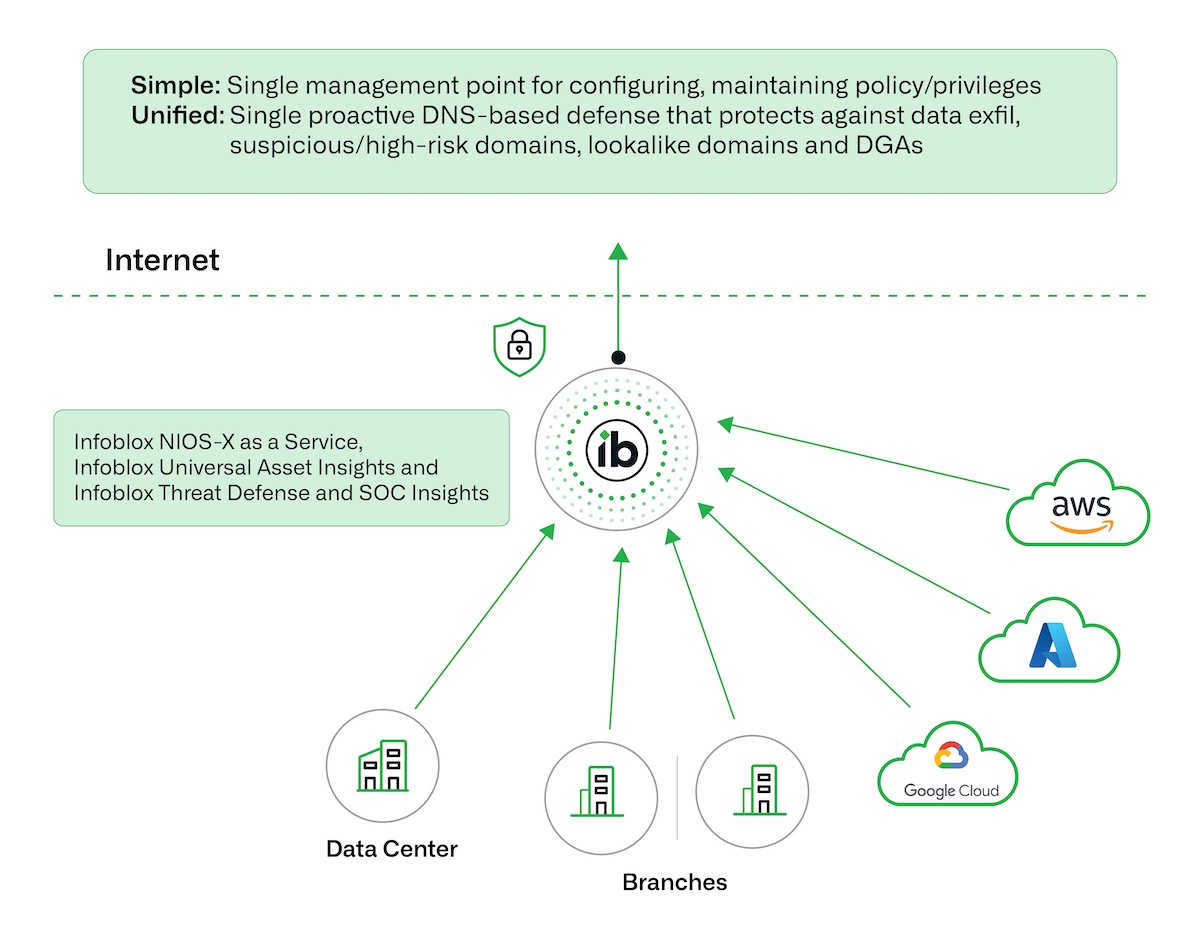
Auditing multi-cloud environments bridges the gap between diverse infrastructure stacks and organizational security policies. Unlike traditional single-cloud or on-premises audits, multi-cloud auditing requires an abstraction layer capable of interpreting distinct API responses, configuration schemas, and identity federation models. Security architects must establish a unified framework that translates provider-specific configurations into a normalized format for evaluation. This process uncovers blind spots, orphan resources, and unauthorized configuration drifts that malicious actors frequently exploit.
Core Objectives of Multi-Cloud Security Audits
The primary goal of a multi-cloud security audit is to establish a defensible, verifiable state of risk across all deployed services. To achieve this, audits systematically address several critical operational domains.
Configuration Drift and Misconfiguration Detection
Cloud environments are inherently dynamic. Infrastructure-as-Code (IaC) scripts, manual administrative changes, and automated deployment pipelines constantly alter the environment. Audits evaluate current resource states against pre-defined security benchmarks, such as those published by the Center for Internet Security (CIS) or the National Institute of Standards and Technology (NIST). Identifying open security groups, unencrypted storage buckets, and public database instances prevents unauthorized data exposure.
Identity and Access Management (IAM) Verification
Identity is the new perimeter in modern cloud architectures. Multi-cloud auditing scrutinizes IAM policies, role-based access control (RBAC) assignments, and multi-factor authentication (MFA) enforcement. Audits track service accounts with excessive permissions, inactive user credentials, and cross-account trust relationships that could allow lateral movement if compromised.
Data Governance and Encryption Standards
Data protection is paramount across distributed environments. Auditors verify that data at rest is encrypted using customer-managed keys (CMKs) rather than default provider keys, and that data in transit utilizes robust cryptographic protocols. Furthermore, audits ensure that data classification policies align with regional privacy regulations, such as the General Data Protection Regulation (GDPR) or the California Consumer Privacy Act (CCPA).
Key Components of a Multi-Cloud Audit Framework
A structured framework ensures that multi-cloud audits are comprehensive, repeatable, and aligned with industry standards. Implementing such a framework requires integrating multiple technological and procedural elements.
- Multi-Cloud Security Audit Framework
- Discovery & Mapping
- Asset Inventory
- API Integration
- Policy & Compliance
- CIS Benchmarks
- Regulatory Frameworks
- Analysis
- IAM Review
- Drift Check
- Remediation
- Automation
- Ticketing
- Discovery & Mapping
1. Automated Asset Discovery and Inventory
An auditor cannot protect what they cannot see. The initial phase involves utilizing Cloud Security Posture Management (CSPM) solutions to discover and map every asset across AWS, Azure, GCP, and secondary providers. This inventory must capture metadata, network associations, and ownership tags in real time.
2. Policy-as-Code Enforcement
Static audit checklists quickly become obsolete in dynamic cloud environments. Modern auditing relies on Policy-as-Code engines, which express security rules in human-readable code. These engines evaluate infrastructure changes during the CI/CD pipeline and continuously scan runtime environments, alerting security teams immediately upon policy violation.
3. Log Aggregation and SIEM Integration
Auditing extends beyond current state configuration into historical behavior analysis. Centralizing audit logs, cloud trail records, and network flow logs into a Security Information and Event Management (SIEM) platform or extended detection and response (XDR) tool enables forensic investigation and behavioral anomaly detection.
Comparing Major CSP Security Tools vs. Third-Party Solutions
Organizations must decide whether to rely on native cloud security tools or invest in third-party multi-cloud platforms. Each approach presents distinct advantages and limitations.
| Evaluation Metric | Native CSP Tools (AWS Security Hub, Microsoft Defender for Cloud, GCP Security Command Center) | Third-Party CSPM & Multi-Cloud Audit Platforms |
|---|---|---|
| Cross-Cloud Visibility | Limited primarily to the native cloud ecosystem; requires custom integration for multi-cloud views. | Unified, single-pane-of-glass visibility across AWS, Azure, GCP, and Kubernetes clusters. |
| Depth of Native Integration | Deep, granular visibility into provider-specific telemetry, advanced services, and hypervisor data. | Relies on provider APIs; may have slight latency in reflecting newly released CSP features. |
| Cost and Licensing | Often tiered pricing per resource or per region within the specific cloud provider. | Enterprise licensing agreements based on total asset count or compute units across all clouds. |
| Customization Flexibility | Rules are tailored to the provider's ecosystem; custom policy creation can be complex. | Highly customizable Policy-as-Code engines (e.g., Rego) allowing unified governance policies. |
| Compliance Mapping | Pre-built compliance frameworks optimized for the specific cloud provider's infrastructure. | Comprehensive cross-cloud compliance dashboards mapping single policies to multiple frameworks. |
Step-by-Step Methodology for Conducting a Multi-Cloud Audit
Executing a rigorous security audit requires a methodical approach that minimizes operational disruption while maximizing security insight.
Step 1: Define Scope and Establish Governance Objectives
Before executing technical scans, identify all cloud accounts, subscriptions, and organizational units included in the audit. Establish clear ownership for each environment and determine which regulatory standards and internal policies apply to specific data workloads.
Step 2: Implement Unified API Access and Read-Only Permissions
Provision secure, read-only service principals or cross-account IAM roles across all target clouds. Granting read-only access ensures that the auditing tool or team cannot inadvertently alter production configurations or cause service outages during the assessment phase.
Step 3: Execute Automated Configuration and Compliance Scans
Deploy CSPM tools to run baseline scans against established benchmarks. Review findings related to:
- Publicly accessible storage buckets and database snapshots.
- Unused security groups with overly permissive inbound rules (e.g.,
0.0.0.0/0on port 22 or 3389). - Disabled logging, monitoring, or alerting services (e.g., disabled CloudTrail or VPC Flow Logs).
Step 4: Conduct Deep Identity and Privilege Analysis
Examine human and machine identities. Verify that multi-factor authentication is enforced for all console users, rotate programmatic access keys older than 90 days, and audit IAM roles to ensure adherence to the principle of least privilege.
Step 5: Prioritize and Remediate Findings
Audit findings often generate a high volume of alerts. Security teams must prioritize remediation based on risk scoring, asset criticality, and exploitability. Automate ticketing integration (such as Jira or ServiceNow) to assign remediation tasks to appropriate cloud engineering teams.
Common Misconfigurations and Pitfalls in Multi-Cloud Audits
Organizations frequently encounter recurring security vulnerabilities during multi-cloud audits. Recognizing these patterns helps security leaders proactively harden their environments.
- Neglected Shadow IT Accounts: Business units often spin up unauthorized cloud accounts using corporate credit cards. These accounts remain unmonitored by central IT and lack baseline security controls.
- Over-Reliance on Default Settings: Accepting default configurations provided by cloud vendors often leaves environments exposed. Defaults frequently prioritize ease of use over strict security.
- Mismanaged Cross-Account Trust: Complex business partnerships require cross-account access. When configured incorrectly, these trust relationships create unintended attack paths that bypass perimeter defenses.
- Orphaned Resources: When virtual machines or storage volumes are deleted, associated elastic IP addresses, security groups, or storage volumes are frequently left behind. Attackers can hijack these unattached resources.
Frequently Asked Questions
How often should a multi-cloud security audit be performed?
While comprehensive manual audits and third-party penetration tests are typically conducted annually or bi-annually, continuous automated auditing must run in real-time. Cloud environments change constantly through automated deployments, making point-in-time audits obsolete almost immediately after completion.
What is the difference between CSPM and CWPP in multi-cloud auditing?
Cloud Security Posture Management (CSPM) focuses on high-level configuration management, compliance monitoring, and risk identification across cloud infrastructure. Cloud Workload Protection Platforms (CWPP) focus on securing the actual workloads running within the cloud, such as virtual machines, containers, and serverless functions, by scanning for vulnerabilities and runtime threats.
How do multi-cloud audits handle compliance across different regulatory jurisdictions?
Modern multi-cloud audit platforms allow security teams to tag resources based on data residency and sensitivity. Audit rules are then parameterized to evaluate whether data stored in specific geographic regions (e.g., EU-central vs. US-east) complies with local privacy laws like GDPR or HIPAA.
What are the main challenges of auditing multi-cloud storage buckets?
The primary challenge is inconsistent naming conventions, access control models, and public exposure settings across providers (e.g., AWS S3 bucket policies versus Azure Blob storage access tiers). Ensuring uniform public-access block settings requires distinct API queries and policy interpretations for each provider.
How can organizations reduce alert fatigue during multi-cloud audits?
Organizations can mitigate alert fatigue by tuning severity thresholds, suppressing known false positives, and leveraging contextual risk-prioritization tools. Contextual scoring evaluates whether an improperly configured resource is actually exposed to the public internet or contains sensitive data, allowing teams to focus on high-impact vulnerabilities first.
Conclusion and Next Actions
Auditing multi-cloud environments for security is an ongoing operational necessity rather than a one-time project. Organizations must move beyond manual reviews and embrace automated posture management, Policy-as-Code, and centralized visibility. To begin improving your multi-cloud security posture today, inventory all active cloud accounts, deploy read-only CSPM agents across your primary providers, and establish a prioritized remediation workflow for high-risk configuration drifts.