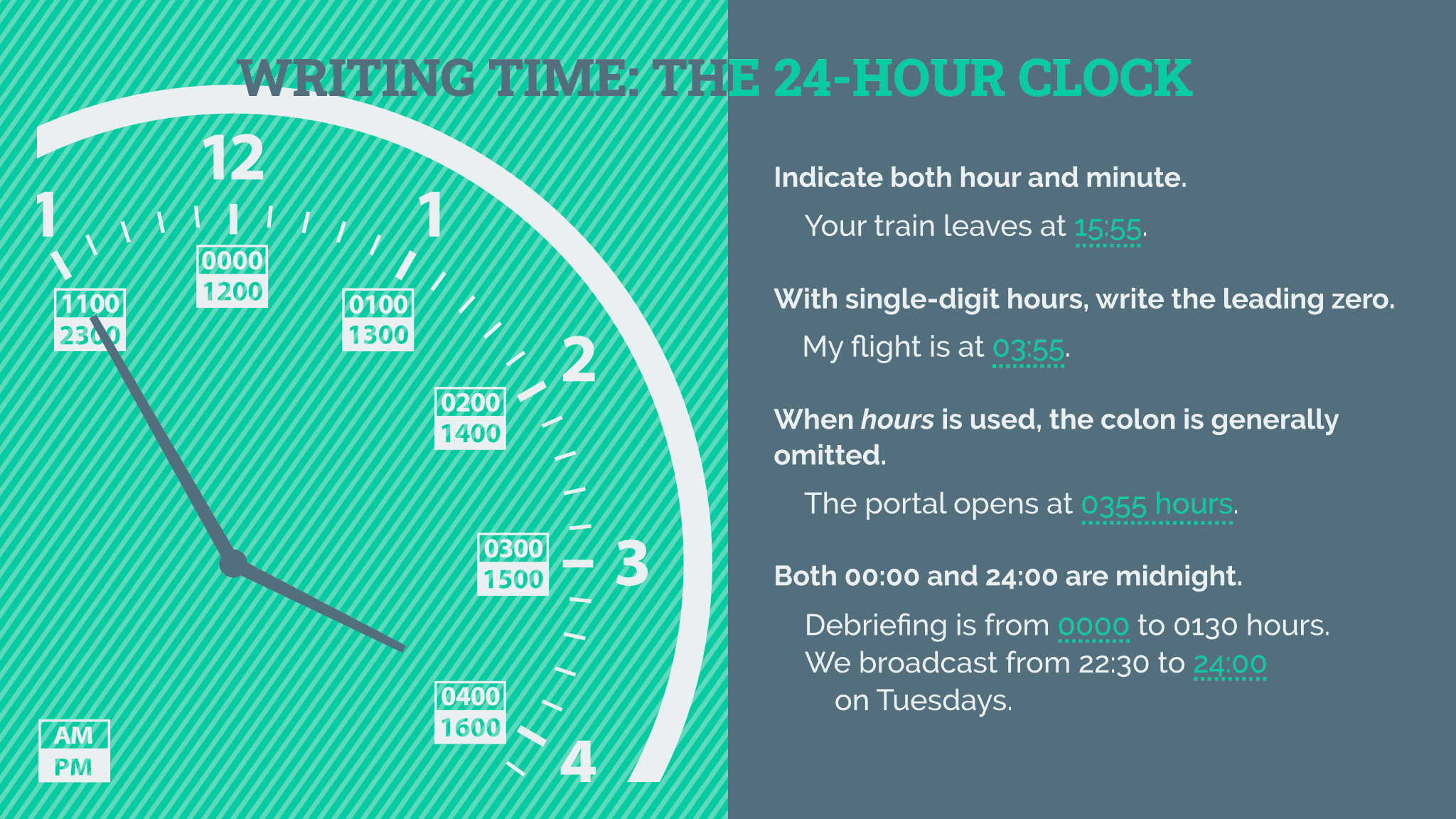
18:24 on a 24-hour clock corresponds to 6:24 PM on a standard 12-hour clock. This conversion bridges the gap between military or international timekeeping standards and the conventional morning-and-evening format used in everyday civil scheduling.
Mastering time conversions across different systems is a practical skill required in aviation, logistics, international business, digital programming, and global travel. While 12-hour time relies on "AM" and "PM" qualifiers to divide the day into two 12-hour cycles, the 24-hour clock eliminates potential confusion by running continuously from 00:00 to 23:59. Understanding how 18:24 fits into this continuum requires a closer look at the mathematics of time conversion, the historical evolution of time standards, and the operational environments where these formats intersect.
The Fundamentals of the 24-Hour Time System
The 24-hour time system, often referred to colloquially as military time in North America, provides an unambiguous method for tracking hours throughout a single calendar day. Instead of resetting after midday, the hours continue past noon.
How Hours Progress After Noon
In a standard 12-hour format, the cycle restarts at 1:00 PM after 12:00 PM. In a 24-hour format, midday is represented as 12:00. The hour immediately following noon is 13:00, which corresponds to 1:00 PM.
This progression continues sequentially until the end of the day:
- 13:00 = 1:00 PM
- 14:00 = 2:00 PM
- 15:00 = 3:00 PM
- 16:00 = 4:00 PM
- 17:00 = 5:00 PM
- 18:00 = 6:00 PM
The Mechanics of 18:24
When a timestamp reads 18:24, the first two digits represent the hours past midnight, and the last two digits represent the minutes.
- The Hour (18): Because 18 is greater than 12, it falls within the evening hours. Subtracting 12 from 18 yields 6, indicating 6:00 PM.
- The Minutes (24): The minutes remain unchanged during conversions between 12-hour and 24-hour formats because both systems divide hours into 60-minute increments.
Combining these elements confirms that 18:24 translates directly to 24 minutes past 6:00 in the evening, or 6:24 PM.
Mathematical Conversion Rules: 24-Hour to 12-Hour
Converting times greater than 12:59 from the 24-hour format to the 12-hour format follows a straightforward mathematical rule. Conversely, converting morning hours requires a different approach.
Afternoon and Evening Conversions (13:00 to 23:59)
For any time from 13:00 onward, the conversion formula is:
$$\text{12-Hour Hour} = \text{24-Hour Hour} - 12$$
Following this calculation, the PM suffix is applied. For example:
- 21:45: $21 - 12 = 9$, resulting in 9:45 PM.
- 18:24: $18 - 12 = 6$, resulting in 6:24 PM.
Morning and Noon Conversions (00:00 to 12:59)
Times from midnight up to 12:59 operate differently:
- Midnight to 00:59: These hours represent the start of the day. 00:24 becomes 12:24 AM.
- 01:00 to 11:59: These hours remain identical to their 12-hour counterparts, with the addition of the AM suffix. For instance, 08:15 is 8:15 AM.
- 12:00 to 12:59: These represent midday hours and are followed by PM. 12:40 is 12:40 PM.
Comparison Table: Evening Hours Conversion Reference
To better understand how 18:24 fits into the broader evening schedule, the following table maps out late-afternoon and evening 24-hour timestamps alongside their 12-hour equivalents.
| 24-Hour Time | 12-Hour Time | Period Description |
|---|---|---|
| 17:00 | 5:00 PM | Late afternoon / Early evening |
| 17:30 | 5:30 PM | Evening transition |
| 18:00 | 6:00 PM | Early evening |
| 18:24 | 6:24 PM | Target timestamp |
| 19:00 | 7:00 PM | Evening |
| 20:00 | 8:00 PM | Night |
| 21:00 | 9:00 PM | Late night |
| 22:00 | 10:00 PM | Late night |
Practical Contexts Where 18:24 and 24-Hour Time Are Used
The 24-hour clock is not merely a military convention; it is the global standard for professional fields where ambiguity in timekeeping could result in missed schedules, operational errors, or safety hazards.
Transportation and Logistics
Airlines, railways, and maritime shipping companies operate across multiple time zones and continuous schedules. Using a format like 18:24 for a flight departure or train arrival ensures that passengers and crew do not confuse morning and evening departures. A ticket reading departure at 18:24 leaves no room for misinterpretation as 6:24 in the morning.
Healthcare and Emergency Services
Hospitals, emergency medical services, and fire departments maintain round-the-clock operations. Patient chart logs, medication administration schedules, and incident reports utilize 24-hour time to establish precise event timelines. Administering a medication at 18:24 is unambiguously recorded as an evening dose.
Information Technology and Software Engineering
Digital systems, server logs, database timestamps, and international software protocols rely heavily on ISO 8601 standards, which utilize the 24-hour clock format (e.g., 18:24:00). This standardization prevents sorting and parsing errors that occur when mixing AM and PM designators across different locales.
Common Mistakes and Miscalculations
When converting times manually, several frequent errors can occur:
- Forgetting to Subtract 12: A common mistake is reading 18:24 and mistakenly assuming it is 18 minutes past 8:00 or misinterpreting the hour entirely. Remembering that any hour above 12 requires subtraction is essential.
- Confusing AM and PM for Noon and Midnight: Misapplying AM and PM to 12:00 transitions remains a frequent source of scheduling errors. 12:00 on a 24-hour clock is midday (12:00 PM), while 00:00 is midnight (12:00 AM).
- Misreading Minute Placements: Occasionally, individuals confuse the first two digits with minutes and the last two with hours—reading 18:24 as 24 hours and 18 minutes. The format strictly reads [Hours]:[Minutes].
Frequently Asked Questions
Is 18:24 considered morning or evening?
18:24 is firmly in the evening. Because the hour value (18) exceeds 12, the time occurs past midday, translating to 6:24 PM.
How do you write 18:24 in standard 12-hour format?
It is written as 6:24 PM. The lowercase or uppercase "PM" designator is necessary to distinguish it from 6:24 AM.
Why do some countries use the 24-hour clock exclusively?
Many countries adopt the 24-hour clock for civil use because it eliminates ambiguity entirely. In spoken and written communication across Europe, Latin America, and Asia, train timetables, business hours, and public announcements rely exclusively on this format.
Does 18:24 require a leading zero in 24-hour notation?
No. Because the hour is 18 (a two-digit number greater than 9), no leading zero is required. Times below 10 hours, such as 08:24, include a leading zero to maintain a uniform four-digit visual structure.
Conclusion and Summary of Action
Recognizing that 18:24 means 6:24 PM on a 24-hour clock allows for quick and accurate reading of international schedules, digital logs, and transport timetables. By applying the simple rule of subtracting 12 from any hour greater than 12, any evening timestamp can be instantly converted into familiar 12-hour civil time. When planning international travel, reviewing technical logs, or coordinating across time zones, keeping this conversion rule in mind ensures precise time management.