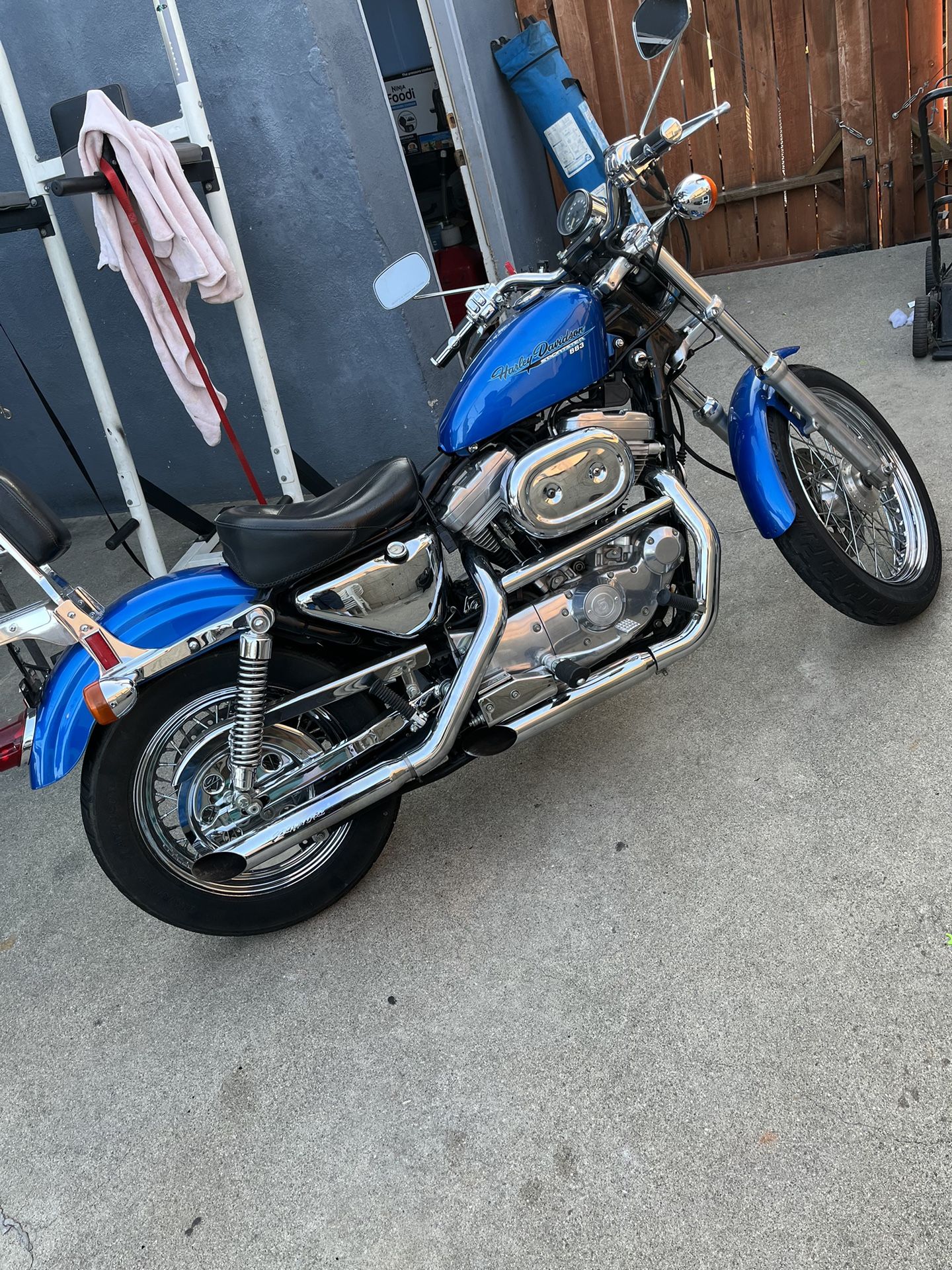
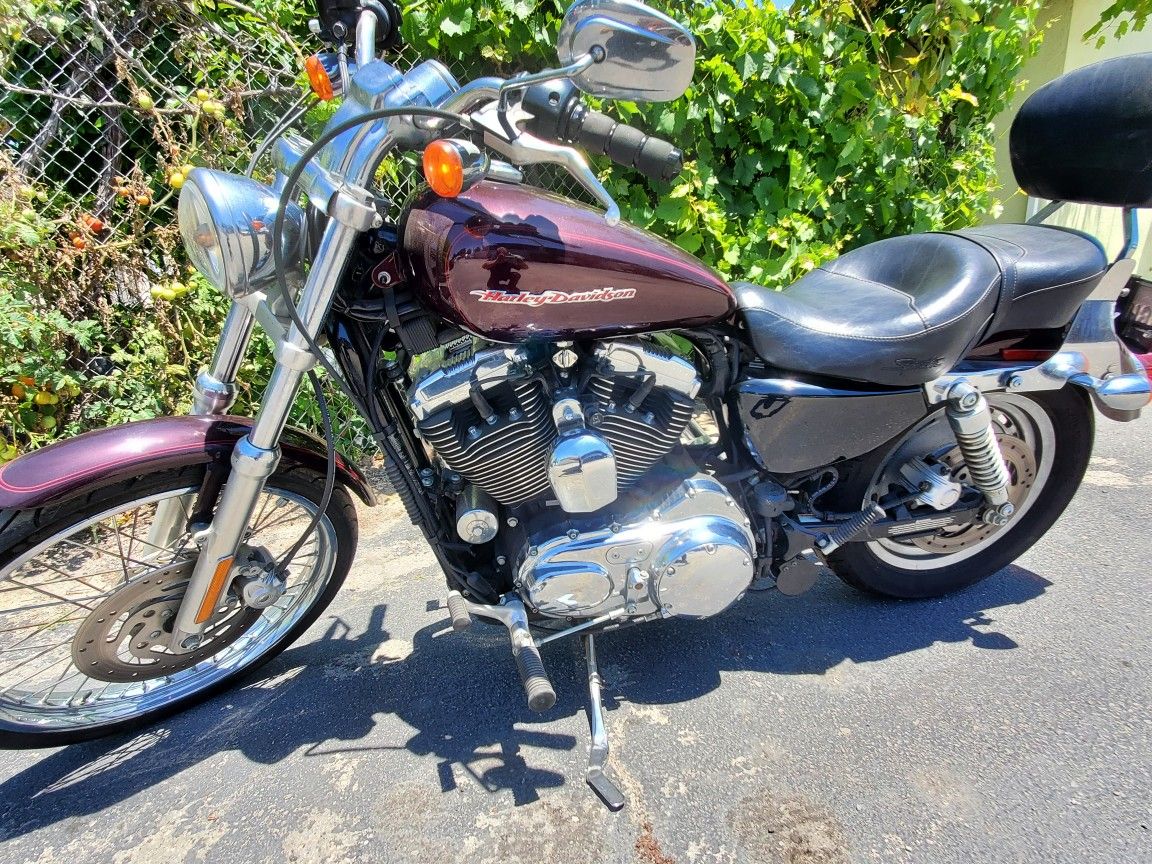
The Harley-Davidson 1200 Sportster achieves a 0 to 60 mph time typically ranging from 4.2 to 4.8 seconds, depending on the specific model variant, rider weight, altitude, and final drive gearing. As one of the most enduring motorcycle platforms in modern motorcycling history, the Evolution 1200cc engine provides strong low-end and mid-range torque that delivers brisk acceleration right off the line, making its off-the-line performance surprisingly competitive against various modern middleweight naked bikes and cruisers.
Evaluating the straight-line acceleration and real-world performance envelope of the 1200 Sportster requires looking past raw spec sheets. Understanding how weight, displacement, torque curves, and gearing interact helps riders and enthusiasts accurately gauge what this iconic air-cooled V-twin can accomplish on the street or strip.
Understanding the 1200 Sportster Platform and Engine Architecture
The Harley-Davidson Sportster line has roots tracing back to 1957, but the modern era of high-performance air-cooled Sportsters crystallized with the introduction of the 1200cc Evolution (Evo) engine in the late 1980s and its subsequent refinements through the decades. Unlike high-revving inline-four Japanese sportbikes that build power high up in the tachometer, the 1200cc Evo V-twin is an under-square, pushrod engine designed to produce maximum pulling power lower in the rev range.
The engine features a bore and stroke of 3.5 inches by 3.811 inches (88.9 mm x 96.8 mm), displacing 73.4 cubic inches. Induction is handled via electronic sequential port fuel injection (ESPFI), which replaced carburetors across the lineup by 2007. This setup allows the motor to churn out healthy torque—typically peaking around 70 to 73 foot-pounds—at relatively low engine speeds, usually under 4,000 RPM.
Because of this torque-heavy power delivery, the 1200 Sportster launches aggressively from a standstill. Riders do not need to slip the clutch at high revs to get the bike moving quickly; instead, twisting the throttle in the meat of the powerband yields an immediate, visceral shove. However, this engine architecture also imposes natural limits. Horsepower typically peaks between 60 and 70 horsepower, meaning that while the 0-60 mph sprint is quite rapid, acceleration tapers off significantly as the motorcycle approaches triple-digit speeds.
Breakdown of 0-60 Times Across Sportster 1200 Variants
Not all 1200 Sportsters are created equal. Over its production run, Harley-Davidson produced numerous iterations of the 1200 platform, each featuring distinct weights, suspension geometries, tire profiles, and factory tuning. These factors directly influence individual 0-60 mph acceleration metrics.
| Sportster 1200 Model Variant | Approximate Dry/Wet Weight | Factory Gearing & Setup | Estimated 0-60 mph Time |
|---|---|---|---|
| Sportster 1200 Roadster (XR/XL1200/Roadster) | 557 lbs (Wet) | Upside-down forks, dual front discs, aggressive stance | 4.2 – 4.4 seconds |
| Forty-Eight (XL1200X) | 555 lbs (Wet) | Fat front tire (16-inch), peanut tank, forward controls | 4.5 – 4.7 seconds |
| Sportster 1200 Custom (XL1200C) | 563 lbs (Wet) | Pull-back handlebars, forward controls, wire wheels | 4.6 – 4.8 seconds |
| Iron 1200 (XL1200NS) | 564 lbs (Wet) | Mini-ape hangers, café-style speed screen, mid controls | 4.5 – 4.7 seconds |
| SuperLow 1200T (XL1200T) | 598 lbs (Wet) | Touring bags, windshield, touring seat (heavier weight) | 4.8 – 5.2 seconds |
Examining these figures reveals that lighter variants with more aggressive riding positions—such as the Roadster or the Iron 1200—tend to post slightly faster acceleration times. The Roadster, in particular, benefits from taller suspension and slightly different ergonomic geometry that allows the rider to weight the chassis effectively during a hard launch, minimizing front-end lift and maximizing rear-wheel traction.
Real-World Factors Influencing Acceleration
Achieving factory-tested or magazine-tested 0-60 mph times on a motorcycle requires mastering several physical and environmental variables. On a Harley-Davidson 1200 Sportster, these variables play an outsized role due to the bike's mechanical layout and steel-heavy construction.
Rider Weight and Ergonomics
The power-to-weight ratio is the ultimate arbiter of acceleration. A Sportster with a full tank of fuel weighs roughly 550 to 600 pounds. Adding a 180-pound rider alters that ratio significantly more than it would on a liter-class sportbike. Furthermore, ergonomics matter: mid-controls allow a rider to brace their legs and shift their center of gravity forward, whereas forward controls (common on the Forty-Eight and Custom) can make it difficult to maintain ideal posture during aggressive acceleration, occasionally causing the rider to pull back on the handlebars inadvertently.
Tire Compound, Width, and Pressure
Traction is the bottleneck of any launch. Models like the Forty-Eight utilize a chunky 130mm front tire and a 16-inch rear tire, which provides a classic aesthetic but introduces different handling and rolling dynamics compared to the narrower, taller 19-inch front wheel found on the standard Custom or Roadster. Maintaining correct tire pressure and utilizing modern, high-grip rubber can shave tenths of a second off a launch by preventing rear-wheel spin on imperfect asphalt.
Altitude and Density Air
Because the 1200 Evolution engine is naturally aspirated, it relies entirely on ambient atmospheric pressure to force air into the combustion chambers. Riders testing acceleration at sea level will experience noticeably crisper throttle response and stronger pulling power compared to riders attempting the same run at high-elevation mountain passes, where thinner air reduces volumetric efficiency and overall engine output.
How the 1200 Sportster Compares to Other Motorcycles
Contextualizing the 1200 Sportster's 4.2 to 4.8-second 0-60 mph time requires comparing it to contemporary motorcycles across different categories.
Compared to entry-level metric cruisers (such as 650cc to 900cc V-twins), the 1200 Sportster is noticeably faster, often leaving smaller cruisers behind due to its favorable torque-to-weight ratio. Against modern middleweight naked standard motorcycles—such as the Yamaha MT-07 or Suzuki SV650, which routinely hit 0-60 mph in the 3.4 to 3.8-second range—the Sportster gives up ground due to its heavier steel frame, air-cooling thermal limitations, and lower redline.
However, riders do not purchase a 1200 Sportster purely for stopwatch-measured drag racing metrics. The appeal lies in the mechanical character, the deep exhaust note, and the analog riding experience. The acceleration feels immediate and authentic, providing plenty of thrust for passing cars at highway speeds or accelerating away from traffic lights with authority.
Maximizing Performance: Modifications and Upgrades
For owners looking to improve their 1200 Sportster's 0-60 mph times and overall throttle responsiveness, several aftermarket upgrades target the engine's inherent breathing and fueling bottlenecks.
- Stage 1 Upgrades (Exhaust, Air Cleaner, and Tuner): Factory Harley-Davidson motorcycles are famously tuned lean to meet strict EPA emissions standards. Installing a free-flowing exhaust system, a high-flow air cleaner, and a digital fuel tuner (such as a Dynojet Power Vision) unlocks hidden horsepower and torque, often yielding a noticeable improvement in mid-range punch and throttle crispness.
- Gearing Adjustments: Modifying the primary or final drive sprocket ratios can alter how the bike delivers power. A slight change in final drive gearing can make the initial gears feel punchier, though it may alter cruising RPMs on the highway.
- Weight Reduction: Stripping away heavy factory components—such as bulky steel passenger pegs, heavy stock exhaust headers, and superfluous chrome brackets—can incrementally improve the power-to-weight ratio.
- Suspension Upgrades: Upgrading front fork damping and installing higher-quality rear shocks does not directly increase engine power, but it stabilizes the chassis during hard acceleration, preventing squat and wheel hop when launching aggressively from a stop.
Common Mistakes When Launching a Heavy V-Twin
Attempting aggressive acceleration on a heavy cruiser like the 1200 Sportster requires proper technique to avoid mechanical damage or loss of control.
- Dumping the Clutch Abruptly: Unlike light dirt bikes or high-revving sportbikes that tolerate brutal clutch drops, aggressively dumping the clutch on a high-torque V-twin can shock the belt final drive, snap a clutch cable, or cause violent rear-wheel hop. Smooth, progressive clutch engagement combined with rolling on the throttle yields faster and safer acceleration.
- Neglecting Rear Brake Control: Advanced riders often use a slight drag on the rear brake while loading the drivetrain against the clutch to prevent rolling backward on an incline and to stabilize the chassis during the initial launch phase. Ignoring rear brake balance can lead to stalling or wheelspin.
- Over-Reving the Evo Engine: The Evolution engine is a long-stroke motor that achieves maximum efficiency in the low-to-mid RPM range. Bouncing the engine off the rev limiter in first gear does not yield faster times; shifting early into second gear where the torque curve remains broad is far more effective.
Summary of Operational Expectations
The Harley-Davidson 1200 Sportster bridges the gap between traditional American cruiser heritage and accessible middleweight performance. With a 0-60 mph time sitting comfortably in the mid-4-second range, it offers more than enough straight-line acceleration to satisfy everyday riders while maintaining the distinctive mechanical personality that has defined the platform for generations. Whether left in stock trim or enhanced with performance tuning, the 1200 Sportster remains a benchmark for raw, visceral V-twin motorcycling.