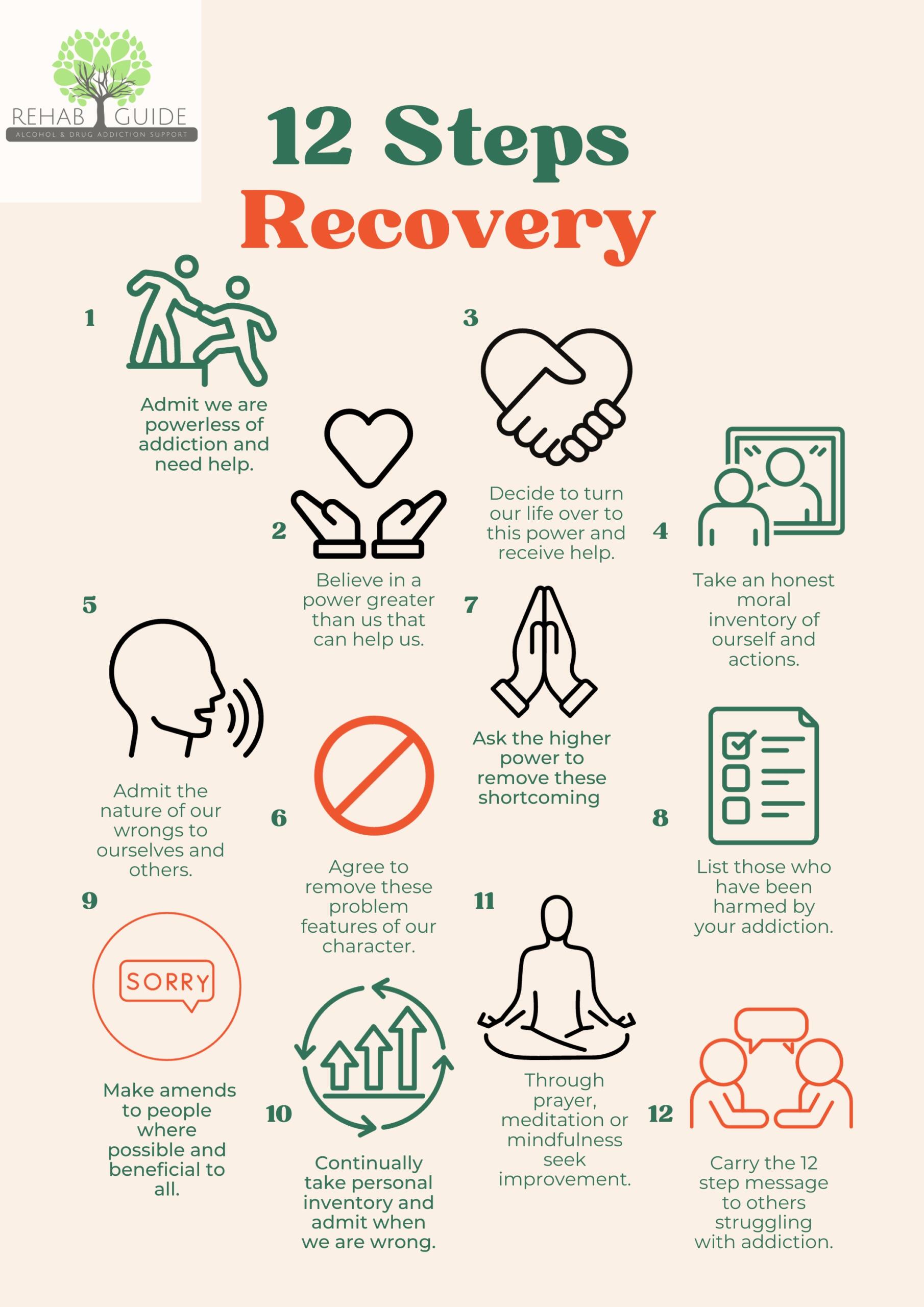
A 12-step substance abuse program is a structured, peer-led recovery framework designed to help individuals overcome addiction through mutual support, personal accountability, and a series of progressive psychological and spiritual principles. Originating with Alcoholics Anonymous (AA) in 1935, the model has since expanded to address various forms of chemical dependency, including narcotics, stimulants, and prescription medications, serving as a foundational pillar in modern behavioral healthcare.
Understanding the Foundation of the 12-Step Model
The 12-step model operates on the premise that addiction is a chronic, progressive condition that affects physical, mental, and spiritual well-being. Rather than treating addiction solely as a failure of willpower, the framework views it as a multi-dimensional challenge requiring comprehensive lifestyle transformation and community reinforcement.
At its core, the program relies on group dynamics and shared experiences. Participants meet regularly in fellowship settings—often referred to as meetings—where they share their struggles, triumphs, and insights without judgment. This peer-driven environment fosters a profound sense of belonging, dismantling the isolation that frequently accompanies active substance abuse. While the steps themselves contain spiritual undertones, contemporary adaptations accommodate agnostic, atheist, and secular participants by focusing the "higher power" concept on nature, the recovery group itself, or the inherent strength of the human community.
The Progression of the Twelve Steps
The twelve steps are not a rigid checklist, but rather a sequential, lifelong process of introspection, behavioral change, and interpersonal restoration. While individual pacing varies significantly, participants generally work through the steps with the guidance of a sponsor—a more experienced member who has already completed the process.
Steps 1 through 3: Surrender and Acceptance
The initial phase focuses on breaking through denial and establishing a foundation of humility and willingness.
- Step 1: Admitting powerlessness over the substance, recognizing that life has become unmanageable.
- Step 2: Coming to believe that a power greater than oneself could restore sanity.
- Step 3: Making a decision to turn one's will and life over to the care of that chosen higher power.
Steps 4 through 9: Introspection and Amends
This middle phase requires rigorous self-examination, accountability, and the active repair of damaged relationships.
- Step 4: Making a searching and fearless moral inventory of oneself.
- Step 5: Admitting to oneself, to another human being, and to a higher power the exact nature of wrongs.
- Step 6: Being entirely ready to have these character defects removed.
- Step 7: Humbly asking for shortcomings to be removed.
- Step 8: Making a list of all persons harmed and becoming willing to make amends to them all.
- Step 9: Making direct amends to such people wherever possible, except when doing so would injure them or others.
Steps 10 through 12: Maintenance and Service
The final phase emphasizes daily mindfulness, spiritual growth, and giving back to the community.
- Step 10: Continuing to take personal inventory and promptly admitting when being wrong.
- Step 11: Seeking through prayer and meditation to improve conscious contact with a higher power, praying only for knowledge of that power's will and the power to carry it out.
- Step 12: Having had a spiritual awakening as the result of these steps, carrying this message to other substance abusers, and practicing these principles in all affairs.
Comparing 12-Step Programs with Clinical Treatment Options
While 12-step programs are immensely popular, they are often integrated into broader clinical treatment continuums or compared with alternative recovery modalities. Understanding how these approaches differ helps individuals and families select the most appropriate level of care.
| Feature | 12-Step Fellowships (e.g., AA, NA) | Clinical Rehab Treatment | Evidence-Based Therapy (CBT/DBT) |
|---|---|---|---|
| Primary Leadership | Peer-led, volunteer sponsors | Licensed medical and clinical staff | Licensed psychotherapists |
| Cost Structure | Free; optional voluntary contributions | Substantial out-of-pocket or insurance-covered | Billed per session via private pay or insurance |
| Setting | Community halls, churches, online platforms | Residential facilities, outpatient clinics | Private offices, telehealth platforms |
| Medical Supervision | None; non-medical support only | Comprehensive medical and psychiatric care | Specialized psychological intervention |
| Core Focus | Spiritual principles and peer fellowship | Underlying trauma, co-occurring disorders, coping skills | Cognitive reframing, emotional regulation |
Integrating 12-Step Programs into Comprehensive Care
The Substance Abuse and Mental Health Services Administration (SAMHSA) notes that mutual-support groups significantly enhance long-term recovery outcomes when used in conjunction with professional treatment. Participating in a 12-step program alongside formal clinical care provides a dual layer of support: clinical interventions address the neurological and psychological aspects of addiction, while fellowship meetings offer continuous social reinforcement and practical coping strategies.
For individuals undergoing medically supervised detoxification or intensive outpatient programs (IOP), introduction to 12-step meetings often begins before discharge. This bridge-building minimizes the shock of transition back into daily life, giving patients an immediate community of peers who understand the vulnerabilities of early recovery.
Practical Steps to Getting Started
Attending a first 12-step meeting can provoke anxiety, but the entry barrier is intentionally kept minimal to encourage participation. Prospective attendees do not need to register, pay dues, or commit formally to join.
- Locate a Meeting: Search for local or virtual meetings through official service directories such as Alcoholics Anonymous or Narcotics Anonymous finders. Meetings are categorized as "open" (welcoming to family, friends, and observers) or "closed" (restricted to individuals seeking recovery from substance abuse).
- Attend the First Session: Arrive a few minutes early to introduce yourself to the greeter or meeting secretary. Listen to the shared experiences without pressure to speak during the sharing portion.
- Secure a Sponsor: Once comfortable with the group dynamics, identify a member whose recovery journey resonates with you and ask them to act as your sponsor through the steps.
- Establish Consistency: Commit to a regular meeting schedule—often summarized in early recovery as "90 meetings in 90 days"—to build stability and routine.
Common Misconceptions and Troubleshooting Challenges
Navigating a 12-step program involves managing common hurdles that can derail progress if left unaddressed. Recognizing these challenges ensures a more resilient recovery trajectory.
- Misconception About Religion: Many potential participants avoid 12-step groups out of fear that they are dogmatic religious organizations. In reality, the programs are spiritually focused rather than sectarian, allowing participants to define their higher power in personal terms.
- Personality Clashes: Fellowship groups are comprised of diverse individuals. If a specific meeting environment feels unsupportive or toxic, participants are encouraged to explore alternative groups or meeting formats until they find a community that fits their needs.
- Stalling on Steps: It is common to feel intimidated by steps requiring deep vulnerability, such as the moral inventory or making amends. Working closely with a sponsor and pacing oneself alongside clinical therapy helps overcome these psychological roadblocks.
For personalized medical advice, diagnosis, or treatment planning regarding substance use disorders, consult a qualified physician or licensed addiction specialist.