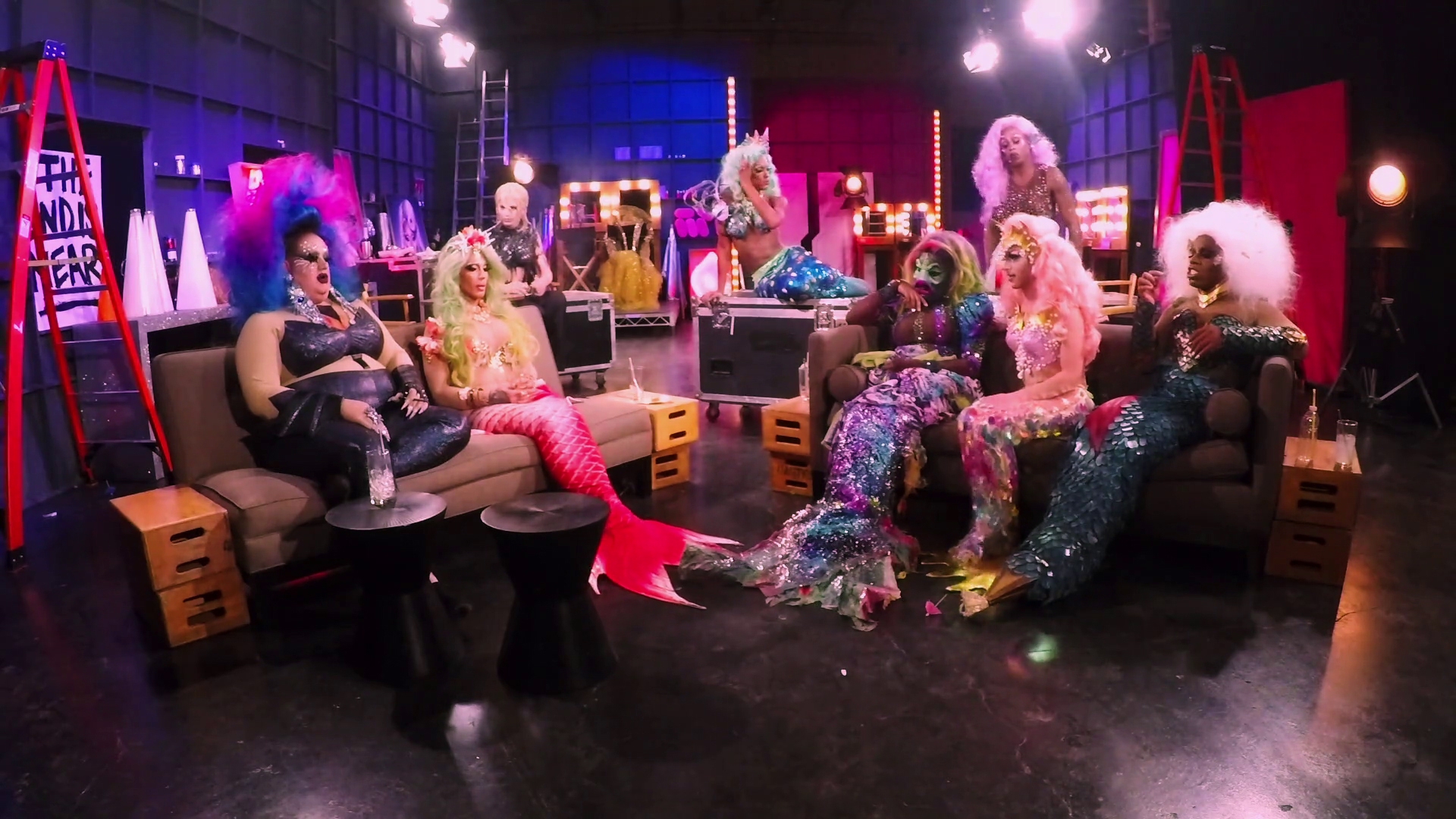
RuPaul’s Drag Race Season 10 marked a monumental milestone for the reality competition franchise, introducing a wave of production updates, format tweaks, and structural shifts designed to elevate the show's landmark anniversary year. These changes spanned expanded runtimes, high-profile guest judges, altered workroom dynamics, and unique challenge formats that redefined how the Emmy Award-winning series operated.
Introduction to the Landmark Tenth Season
When RuPaul’s Drag Race premiered its tenth regular season in March 2018, the cultural landscape of drag had shifted dramatically from the show's humble beginnings on Logo TV in 2009. By 2018, the series was a mainstream pop-culture juggernaut broadcasting on VH1, boasting massive ratings, a fiercely dedicated fan base, and international acclaim. To celebrate a decade of sickening fashion, charisma, uniqueness, nerve, and talent, production implementers rolled out a series of strategic modifications.
These adjustments were not merely superficial cosmetic changes; they directly influenced how queens competed, how storylines developed, and how the audience engaged with the content. Understanding these ten shifts provides crucial context for how the series modernized its format to maintain its edge in the competitive television ecosystem, setting a blueprint for subsequent seasons.
1. The Expansion to 90-Minute Episodes
One of the most celebrated structural updates for Season 10 was the permanent transition to supersized, 90-minute episodes (including commercial breaks). In previous seasons, fans often lamented that tight 60-minute windows left little room to breathe, frequently cutting vital workroom interactions, critique deliberations, and emotional vulnerability short.
By expanding the runtime, producers allowed room for:
- Deeper character development and more authentic workroom bonding.
- Extended runway presentations featuring high-fashion details.
- Uncut comedic interactions during the Untucked transition segments and judging panels.
This change permanently altered the pacing of the franchise, setting a new standard where viewers could savor the artistic process rather than rushing through an abbreviated edit.
2. The Return of Christina Aguilera and A-List Guest Judges
While Drag Race had always attracted notable guest stars, Season 10 elevated the star power on the judging panel to unprecedented levels, headlined by the monumental debut appearance of pop icon Christina Aguilera in the premiere episode. Aguilera's long-awaited arrival was a historic moment for the fandom, as queens and viewers alike had spent nearly a decade meme-ing and hoping for her arrival.
Beyond Aguilera, the season featured an eclectic mix of mainstream A-list celebrities and fashion royalty, including:
- Shania Twain
- Lena Dunham
- Kate Upton
- Audra McDonald
- Abbi Jacobson and Ilana Glazer
This infusion of mainstream icons validated the cultural impact of drag performance on a global scale.
3. The Introduction of the "Bossy Rossy" Show Challenge
In Season 10, Episode 4, the traditional acting challenge format received a chaotic, hilarious upgrade with "The Bossy Rossy Show." Parodying daytime tabloid talk shows like Maury and Jerry Springer, resident judge Ross Mathews stepped into the host seat to moderate absurd, unhinged fictional scenarios brought to life by the competing queens.
This format shift required contestants to lean heavily into improvisational comedy and character acting rather than relying purely on scripted dialogue. It proved to be a masterstroke in assessing a queen’s ability to think on her feet, handle live-action absurdity, and project high-energy comedy, creating one of the most memorable maxi-challenge templates in modern Drag Race history.
4. The Grand Finale Theatre Shift and Final Four Lip Sync Smackdown
Season 10 maintained the revolutionary grand finale format introduced in Season 9, where the final queens compete head-to-head in a live Lip Sync for the Crown tournament rather than relying solely on cumulative scores. Held at the historic Theatre at the Ace Hotel in Los Angeles, this format forced finalists to pull out every theatrical stunt, reveal, and emotional nuance to secure the crown.
The stakes of the tournament structure meant that a frontrunner with a stellar track record could be eliminated in the final moments if their opponent out-performed them on the lip sync stage. This high-stakes drama redefined viewer expectations for how a winner is crowned, placing raw performance capability above all else.
5. Vanessa Vanjie Mateo’s Iconic Exit and Viral Catchphrase
While not a deliberate production rule change, the cultural phenomenon sparked by Vanessa Vanjie Mateo's immediate elimination in Episode 1 fundamentally altered the lexicon of the show and its production legacy. As Miss Vanjie walked backward up the runway while chanting her own name with a deep, theatrical cadence, she created an instant viral meme that captured the internet and the cast's attention.
The ripple effects of this moment were immediate:
- RuPaul and fellow contestants referenced "Miss Vanjie" throughout the entire season.
- Production leaned into the meme, cementing it in Drag Race lore before bringing her back to compete in a subsequent season.
- It demonstrated how organic, unplanned moments could dictate the cultural footprint of a television season.
6. The Evolution of the Werk Room Entrance Protocols
Season 10 ushered in a refined approach to the legendary workroom entrances, emphasizing high-budget reveals, hyper-curated fashion statements, and clever callbacks to franchise history. Contestants arrived with an acute awareness of social media branding, treating their entrance look as their initial thesis statement to the world.
Furthermore, the casting pool represented a deliberate push toward diverse drag aesthetics—balancing traditional pageant queens, high-concept performance artists, Instagram-era makeup innovators, and comedy queens. This intentional casting mix ensured that the dynamics within the workroom were explosive, collaborative, and deeply reflective of the multifaceted modern drag community.
7. The Socially Conscious Drag-tastic Pharma-Parody and Commercial Challenges
Commercial and music video challenges have long been staples of the franchise, but Season 10's "Pharmarusical" (Episode 5) pushed the boundaries of political and social satire. By combining the tropes of pharmaceutical commercials with the high-energy demands of a live musical theatre production, the challenge mocked modern corporate advertising while showcasing the queens' singing, dancing, and acting versatility.
This challenge structure reflected a broader industry shift: modern drag performers are expected to be multi-hyphenate entertainers capable of writing lyrics, recording vocals, executing complex choreography, and delivering deadpan comedic timing simultaneously.
8. The Erasure of Old-School Nuances in Favor of High Fashion Runways
The runway themes in Season 10 showcased a massive leap forward in design complexity and execution budgets. Gone were the days of early-season sewing challenges utilizing basic craft store materials; Season 10 introduced sophisticated thematic categories such as "Feathered Queen," "Hat's Incredible," and "Last Ball on Earth."
| Runway Category | Core Aesthetic Challenge | Notable Design Elements |
|---|---|---|
| Feathered Queen | High-fashion avian and feather work | Intricate headpieces, winged silhouettes, and dynamic movement |
| Hat's Incredible | Millinery-focused high fashion | Oversized structural headwear paired with avant-garde garments |
| Last Ball on Earth | Post-apocalyptic couture | Upcycled materials, dramatic storytelling, and environmental decay themes |
This evolution raised the bar for what casting directors and fans expected from incoming contestants, cementing the show as a premier platform for avant-garde fashion designers.
9. The Heightened Emotional Vulnerability and Sisterhood Dynamics
While competition shows thrive on manufactured drama, Season 10 distinguished itself through unprecedented displays of genuine sisterhood, mentorship, and vulnerability. Queens openly discussed contemporary social issues, historical drag lineages, addiction, racial politics within the community, and the personal sacrifices required to pursue art authentically.
This shift away from toxic, early-season workroom altercations toward supportive emotional dialogues signaled a maturing franchise. Viewers responded warmly to mentorship moments, such as veteran queens guiding newcomers through emotional blocks, proving that high-stakes competition could coexist with deep community care.
10. The Re-Establishment of the Snatch Game as an Ensemble Masterclass
The Snatch Game—the ultimate test of celebrity impersonation and quick-witted improvisation—underwent a subtle philosophical shift in Season 10. Rather than focusing solely on safe, predictable celebrity impressions, the contestants leaned into deeply chaotic, high-risk character choices.
From Aquaria’s surprising structural navigation of Melania Trump to Eureka O’Hara’s larger-than-life portrayal of Honey Boo Boo, the episode tested the boundaries of satire. The success of this installment solidified the Snatch Game not just as a mid-season hurdle, but as the definitive litmus test for whether a contestant possessed the comedic chops required to wear the crown.
Comprehensive Comparison of Drag Race Eras
To better understand the structural leap taken during Season 10, the table below compares key production metrics across early seasons versus the modern milestone era.
| Production Element | Early Seasons (Seasons 1–4) | Milestone Era (Season 10) |
|---|---|---|
| Episode Runtime | Standard 60 minutes | Supersized 90 minutes |
| Prize Money | $75,000 to $100,000 | $100,000 cash grand prize |
| Platform | Logo TV / Niche cable | VH1 / Global mainstream broadcast |
| Runway Execution | Craft-store materials & basic sewing | High-end couture & bespoke millinery |
| Finale Format | Studio crowning based on track record | Live theatre Lip Sync for the Crown tournament |
Frequently Asked Questions
Who won RuPaul's Drag Race Season 10?
Aquaria was crowned the winner of Season 10, defeating runner-up Eureka O'Hara and co-finalists Kameron Michaels and Asia O'Hara in the live grand finale lip sync tournament. Aquaria entered the competition as a celebrated Instagram fashion queen and proved her versatility across comedy, acting, and performance challenges throughout the season.
Why were Season 10 episodes longer?
VH1 permanently expanded the show's runtime to 90 minutes (with commercials) starting in Season 10 to accommodate fan demand for deeper workroom interactions, extended runway presentations, and more comprehensive judging segments without sacrificing creative challenges.
What made the Season 10 finale unique?
The season utilized a live theatre format featuring a head-to-head Lip Sync for the Crown tournament. This format allowed finalists to compete directly on stage using theatrical props, reveals, and high-energy performance numbers to determine the ultimate winner.
How many queens competed in Season 10?
A total of 14 queens competed in Season 10, marking one of the largest starting casts in the franchise's history at that time. This expansive roster necessitated rigorous challenge formatting and intense workroom competition from the very first episode.
Which guest judge made their historic debut in Season 10?
Pop icon Christina Aguilera appeared as the guest judge in the Season 10 premiere episode, fulfilling a decade-long wish for both the fandom and the competing contestants who viewed her as a legendary music and style influence.
Conclusion and Next Actions
Examining the ten major changes and structural evolutions in RuPaul's Drag Race Season 10 reveals how a niche cable reality program successfully transitioned into a global cultural phenomenon. For viewers revisiting the season, pay close attention to how the expanded 90-minute format alters the pacing of narrative arcs and allows character dynamics to develop organically. To fully appreciate this milestone year, rewatch the season with a focus on the transition from traditional design challenges to modern, multi-hyphenate performance expectations, noting how the blueprint established here continues to influence subsequent seasons of the franchise.