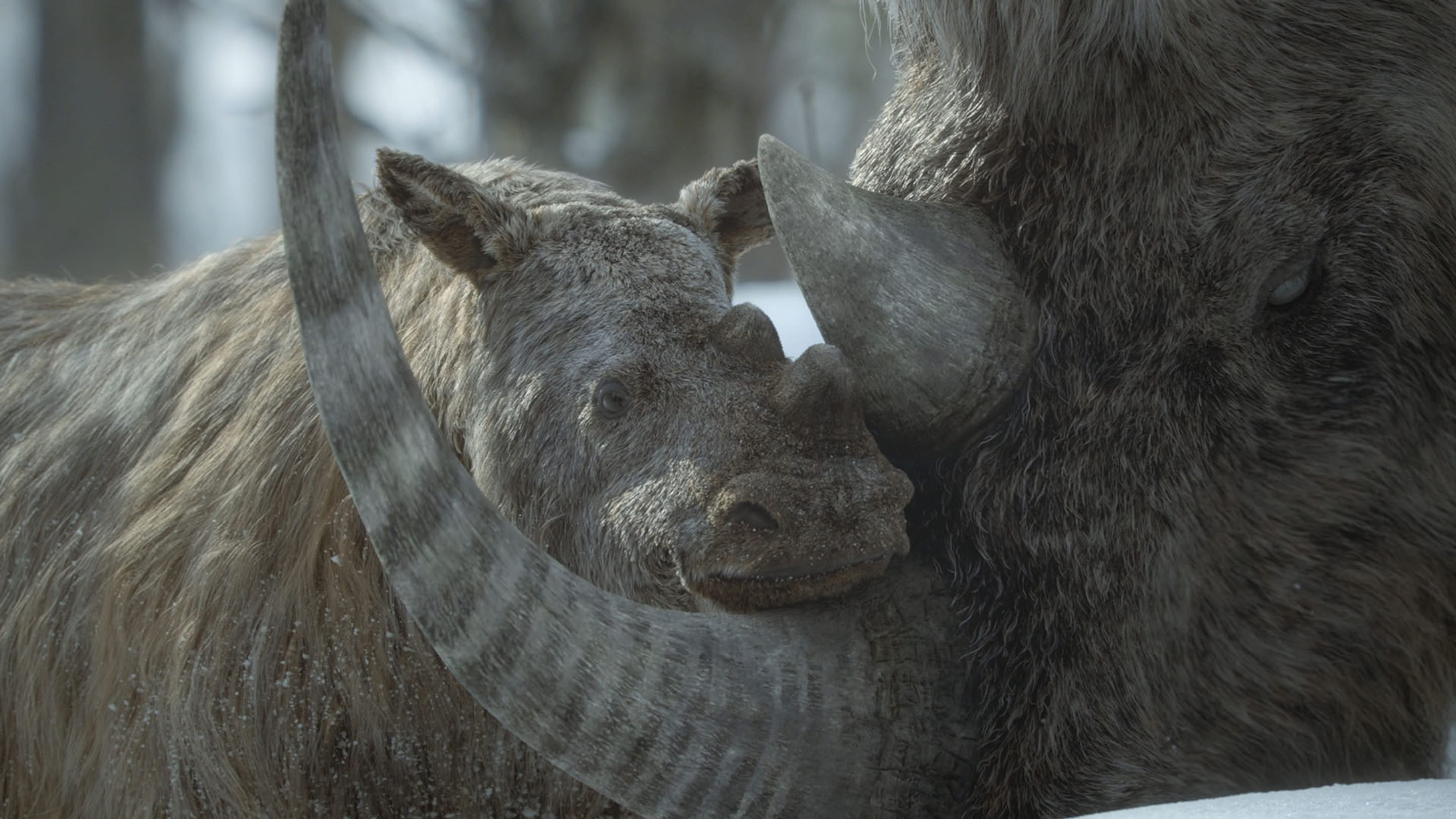
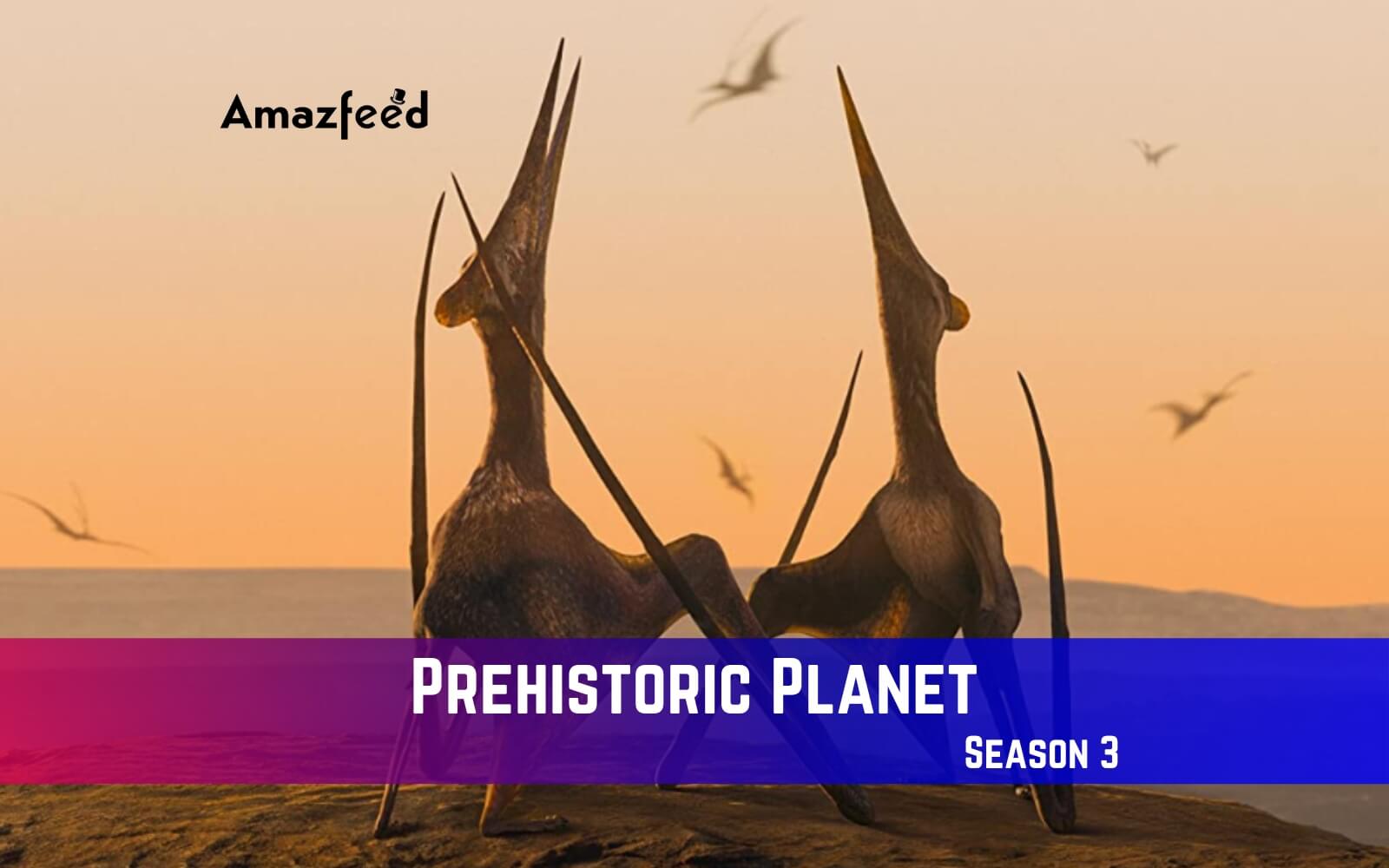
The release of the Prehistoric Planet Season 3 trailer marks a major expansion for the acclaimed natural history franchise, offering viewers a breathtaking look into Pleistocene Epoch ecosystems, megafauna survival strategies, and freezing prehistoric landscapes.
Evolution of the Franchise: From Cretaceous Coasts to Pleistocene Tundras
When Apple TV+ and BBC Studios’ Natural History Unit first launched Prehistoric Planet, the series revolutionized paleontological documentaries. Utilizing state-of-the-art visual effects by Moving Picture Company (MPC) alongside cutting-edge scientific consensus, the first two seasons focused heavily on the late Cretaceous period. Viewers were transported to coastlines, deserts, freshwater environments, and primeval forests, experiencing dinosaurs not as movie monsters, but as living, breathing animals interacting with complex ecosystems.
Moving the focus toward an ice age adventure represents a calculated evolution for the franchise. The Pleistocene epoch—spanning from roughly 2.58 million to 11,700 years ago—introduces a starkly different environmental backdrop. Rather than the warm, greenhouse climates of the Mesozoic, Season 3 plunges audiences into glacial expanses, permafrost steppes, and high-altitude alpine zones. This shift allows the production team to showcase familiar and lesser-known mammalian megafauna, alongside surviving avian and reptilian lineages, interacting with harsh freezing conditions that mirror modern conservation challenges.
Analyzing the Season 3 Trailer: Key Visuals and Discoveries
The newly unveiled trailer for Prehistoric Planet Season 3 wastes no time establishing its chilling atmosphere. Sweeping drone-style cinematography captures vast white expanses punctuated by sweeping winds and encroaching glaciers. The visual fidelity remains consistent with previous outings, blending hyper-realistic computer-generated creatures seamlessly with location-shot footage captured in some of the most remote, rugged regions of the modern Earth.
Among the standout moments in the trailer are sequences featuring woolly mammoths (Mammuthus primigenius) navigating blinding snowstorms, utilizing their massive curved tusks to clear away dense snow blankets in search of buried sedges and grasses. Unlike generic depictions of prehistoric mammals, the trailer emphasizes behavioral nuance: young calves huddling within the protective circle of the herd, and matriarchs testing wind directions for hidden predator threats.
Furthermore, the trailer highlights interactions between apex predators and their prey under extreme environmental stress. Quick cuts showcase saber-toothed cats (Smilodon fatalis) stalking through dense pine taiga, utilizing their binocular vision and low-slung bodies to remain concealed. Viewers also catch glimpses of woolly rhinoceroses, giant ground sloths, steppe bison, and bone-crushing dire wolves, all rendered with meticulous attention to anatomical detail, from thick coats adapted to sub-zero temperatures down to individual vibrissae.
Scientific Rigor and Paleontological Accuracy
A core hallmark of the Prehistoric Planet brand is its commitment to consulting leading paleontologists, paleoecologists, and comparative zoologists. The ice age adventure in Season 3 relies heavily on recent fossil discoveries, stable isotope analysis, and mummified remains recovered from permafrost layers in Siberia and North America.
| Animal Featured in Trailer | Proposed Behavior / Adaptation | Scientific Basis / Source Material |
|---|---|---|
| Woolly Mammoth | Herd defense and snow-sweeping via tusks | Fossil wear patterns, cave art, and permafrost tissue preservation |
| Saber-Toothed Cat (Smilodon) | Woodland and thicket ambush hunting | Skeletal biomechanics, limb proportions, and prey-to-predator ratios |
| Woolly Rhinoceros | Grazing in deep snow using horns to clear paths | Intact carcasses recovered from Siberian ice with preserved stomach contents |
| Dire Wolf | Pack coordination in deep winter conditions | Dental wear studies and modern canid behavioral ecology analogies |
This dedication to empirical evidence ensures that speculative behaviors remain grounded in sound evolutionary biology. For instance, the depiction of seasonal molting in woolly mammoths reflects modern genetic findings regarding hemoglobin adaptations to cold stress. By bridging hard science with cinematic storytelling, the series provides an educational resource that appeals to both casual viewers and academic researchers.
Production Team and Creative Continuity
Behind the scenes, the creative team responsible for the success of earlier seasons returns to helm this new chapter. Executive producer Jon Favreau and the BBC Studios Natural History Unit maintain their meticulous approach to framing prehistoric creatures through the traditional lens of blue-chip wildlife filmmaking.
The musical score, composed by Hans Bleich, Anže Rozman, and Kara Talve for Bleeding Fingers Music, matches the scale of the visuals. The trailer’s audio design weaves low-frequency orchestral swells with authentic environmental acoustics—howling gales, cracking ice sheets, and deep vocalizations synthesized from modern elephant and feline vocalizations—immersing the audience fully in the Pleistocene atmosphere.
Anticipated Release Details and Streaming Information
As with previous iterations, Season 3 of Prehistoric Planet streams exclusively on Apple TV+. While exact episode counts and weekly release schedules are subject to platform announcements closer to the premiere window, subscribers can expect a multi-episode event structure.
Viewers planning to watch the new ice age adventure should verify their subscription status and device compatibility. The series streams in high-definition and 4K Dolby Vision with Dolby Atmos spatial audio support, making compatible home theater setups ideal for experiencing the intricate sound design of the glacial landscapes.
Frequently Asked Questions
When will Prehistoric Planet Season 3 be available to stream?
The trailer serves as the primary promotional rollout for the upcoming season, with Apple TV+ confirming the rollout schedule via its official press channels. Subscribers should check the platform's "Coming Soon" tab for exact premiere dates and trailer updates.
Does Season 3 abandon dinosaurs entirely?
While the primary focus shifts to Pleistocene megafauna and mammals of the ice age, avian dinosaurs—the direct descendants of theropod dinosaurs—continue to make appearances in the form of specialized ice-adapted birds of prey and waterfowl native to Pleistocene wetlands.
How accurate are the depictions of prehistoric mammals?
Every creature featured in the series undergoes rigorous review by advisory panels of paleontologists. Soft tissue structures, coloration, fur density, and behavioral patterns are extrapolated from fossil evidence, modern animal analogs, and paleoclimatic data.
Can children and students watch this series for educational purposes?
Yes. The series is widely utilized in educational settings due to its high scientific accuracy, offering students a vivid visual representation of Earth's evolutionary history and climate shifts over geological timescales.
Are there physical media releases for the series?
Past seasons of Prehistoric Planet have seen digital releases on major storefronts, though physical media availability varies by region and licensing agreements managed by BBC Studios.
Final Recommendations for Viewers
To fully appreciate the scope of Prehistoric Planet Season 3, viewers should revisit the first two seasons to understand the stylistic language of the franchise. Pay close attention to how the documentary crew treats prehistoric animals not as action figures, but as biological entities shaped by environmental pressures. Ensure your display and audio equipment are optimized to handle high-dynamic-range video and spatial sound, as the immersive audio design is critical to recreating the desolate majesty of Earth's ancient ice ages.