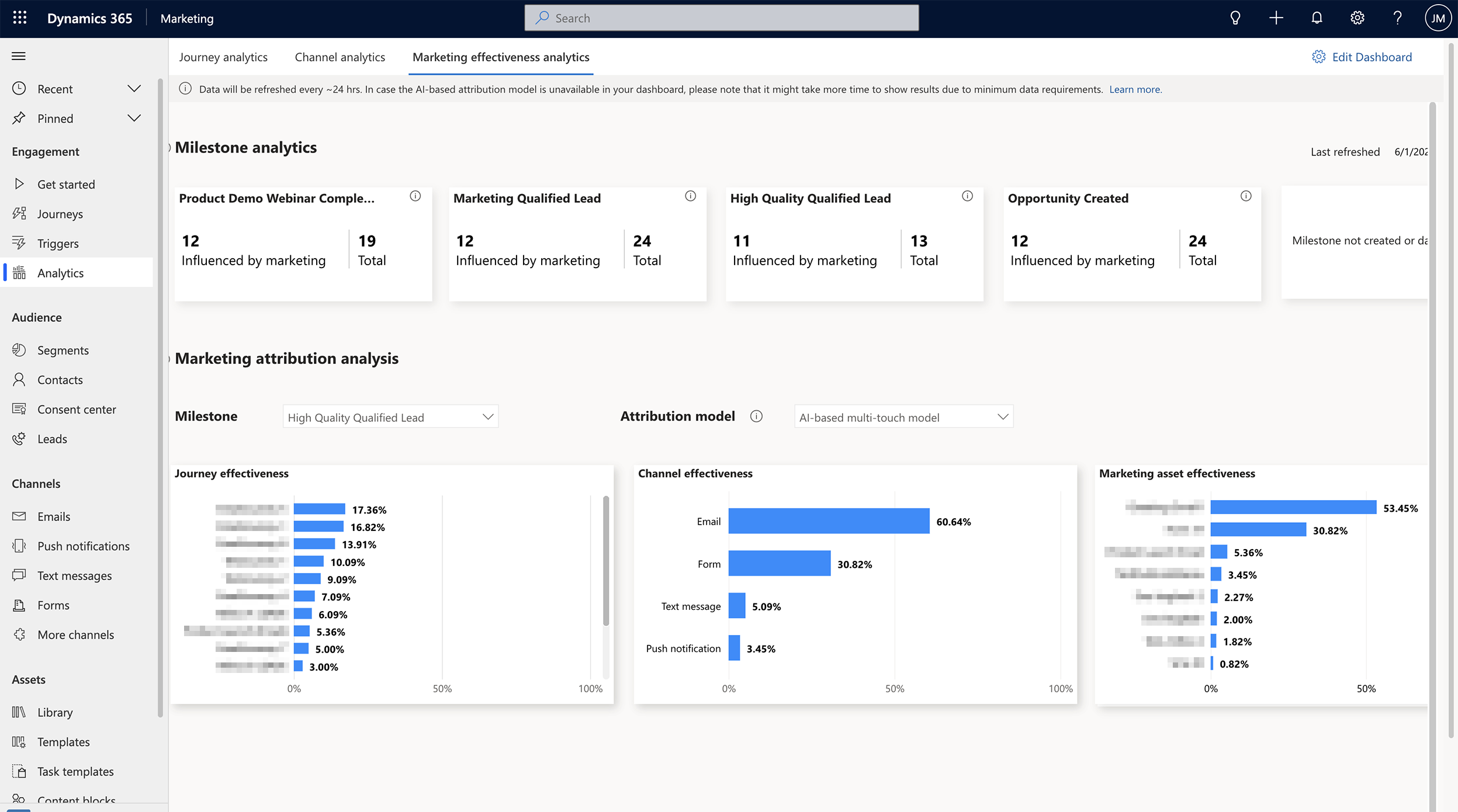
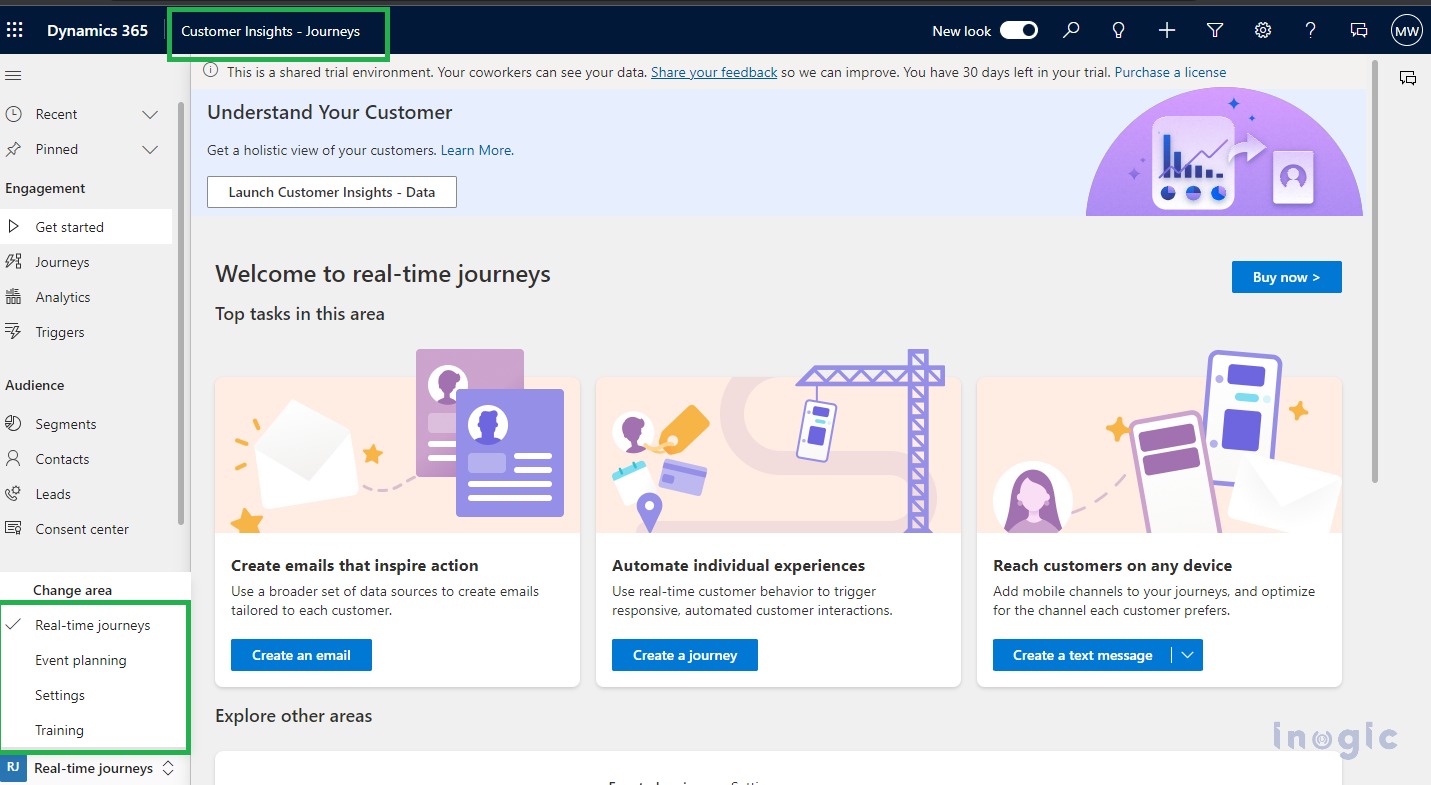
Microsoft Dynamics 365 Customer Insights is a comprehensive customer data platform designed to help organizations unify disparate customer data sources, unlock deep analytics, and drive personalized engagement across marketing, sales, and service channels. By consolidating transactional, observational, and behavioral data into a single, cohesive profile, businesses gain a 360-degree view of their customers.
Introduction to Microsoft Dynamics 365 Customer Insights
In an era where customer expectations shift rapidly, organizations frequently struggle with data silos. Information regarding a single buyer might be scattered across legacy enterprise resource planning (ERP) systems, e-commerce platforms, customer support ticketing applications, and marketing automation software. Microsoft Dynamics 365 Customer Insights was engineered specifically to address this fragmentation.
By unifying data from multiple touchpoints, the platform empowers enterprises to transition from reactive customer service to proactive, data-driven relationship management. Understanding this system requires examining its architectural foundations, its core capabilities, and the practical steps organizations must take to implement and leverage it effectively.
Core Architecture and Unified Customer Profiles
The foundation of Dynamics 365 Customer Insights rests on its ability to ingest, harmonize, and unify data without requiring a complete overhaul of existing IT infrastructure.
Data Ingestion and Connectors
Data ingestion serves as the entry point for the platform. Dynamics 365 Customer Insights provides pre-built connectors that interface seamlessly with Microsoft ecosystem products—such as Dynamics 365 Sales, Customer Service, and Marketing—as well as third-party solutions, including Salesforce, Google Analytics, major e-commerce platforms, and custom SQL databases.
These connectors support both batch processing and real-time streaming data ingestion. Organizations can pull transactional records, website interaction logs, mobile application events, and loyalty program data into a centralized staging environment.
Data Harmonization and Entity Mapping
Once data is ingested, it must be mapped and standardized. Raw data sources often use different naming conventions and formats for identical attributes; for example, "First Name" in one database might be labeled "fname" in another.
Dynamics 365 Customer Insights uses machine learning models and common data model (CDM) standards to map these disparate fields into a unified schema. Administrators define rules to match records across sources based on unique identifiers or probabilistic matching algorithms (such as fuzzy matching on names, email addresses, and physical addresses).
Profile Merging and Conflict Resolution
After mapping and matching, the system executes a merge process to create a single, master customer record—often referred to as the "golden record." When conflicting data appears across sources (such as an updated phone number in a support ticket versus an old phone number in an e-commerce profile), administrators can configure precedence rules to determine which data source takes priority. This unified profile serves as the single source of truth for downstream analytics and engagement tools.
Key Capabilities and Functional Modules
Dynamics 365 Customer Insights is divided into two primary functional areas: data unification and audience insights, and journey engagement. Working in tandem, these components allow businesses to analyze behavior and take immediate, automated action.
| Feature Area | Primary Function | Business Benefit |
|---|---|---|
| Data Unification | Combines disparate data sources into a single customer profile. | Eliminates organizational data silos and establishes a single source of truth. |
| AI and Predictions | Uses machine learning to forecast churn, lifetime value, and best product next-purchases. | Shifts strategy from reactive analysis to predictive decision-making. |
| Segments and Measures | Creates dynamic customer cohorts based on behavioral and transactional criteria. | Enables hyper-targeted marketing campaigns and tailored service workflows. |
| Engagement Hubs | Integrates with marketing and sales tools to orchestrate multi-channel journeys. | Delivers consistent, personalized experiences across web, email, and call centers. |
Predictive Analytics and Artificial Intelligence
Beyond basic demographic and transactional unification, the platform embeds artificial intelligence (AI) to deliver predictive insights. Out-of-the-box machine learning models analyze historical patterns to calculate critical metrics:
- Customer Lifetime Value (LTV): Projects the total revenue a business can expect from a single customer account throughout their relationship.
- Churn Risk: Identifies customers exhibiting behaviors indicative of impending cancellation or defection, allowing service teams to intervene early.
- Next-Best-Action Recommendations: Suggests specific products, services, or content most likely to appeal to an individual customer during their current interaction lifecycle.
Segmentation and Dynamic Measures
Marketers and analysts can build granular segments by defining rule-based queries against the unified customer profiles. Unlike static lists, these segments are dynamic; as customer behaviors change, individuals automatically enter or exit specific cohorts.
Measures allow users to define Key Performance Indicators (KPIs) at both the individual and aggregate levels. Examples include calculating total spend per customer over the last rolling twelve months or tracking the average time elapsed between support ticket creation and resolution.
Prerequisites and Technical Implementation Requirements
Implementing Dynamics 365 Customer Insights requires careful planning, administrative provisioning, and cross-functional alignment. Organizations cannot simply deploy the software without first mapping their underlying data strategy.
Licensing and Provisioning
Dynamics 365 Customer Insights is typically licensed on a tenant basis, with capacity scaling based on the number of people profiles processed monthly. Administrators provision the environment through the Microsoft Power Platform Admin Center, linking the instance to an active Azure subscription for data storage and processing resources.
Data Governance and Compliance
Because customer profiles aggregate sensitive personally identifiable information (PII), organizations must establish robust data governance frameworks prior to ingestion. Key considerations include:
- Data Minimization: Ingesting only the data fields necessary for business objectives.
- Consent Management: Ensuring that tracking and data consolidation comply with regional regulations such as the General Data Protection Regulation (GDPR) and the California Consumer Privacy Act (CCPA).
- Access Control: Leveraging Azure Active Directory (Microsoft Entra ID) role-based access control (RBAC) to restrict viewing and exporting of sensitive customer data to authorized personnel only.
Operational Benefits and Strategic Value
Organizations adopting Dynamics 365 Customer Insights typically realize operational improvements across multiple departments, transforming how customer-facing teams operate.
Marketing Personalization
Armed with unified profiles and dynamic segments, marketing teams can move away from broad, generic email blasts. Campaigns can be tailored based on real-time behavior, purchase history, and predicted preferences, resulting in higher engagement rates and improved return on ad spend (ROAS).
Enhanced Customer Service
When a customer contacts a support center, service representatives using Dynamics 365 can immediately view the customer's entire history—including recent web activity, open orders, past support issues, and predicted churn risk. This context significantly reduces average handle times and increases first-contact resolution rates.
Sales Enablement
Sales professionals gain visibility into buying signals gathered from marketing touchpoints and product usage metrics. This enables sales teams to prioritize high-value leads and approach prospects with relevant, timely proposals.
Common Implementation Challenges and Troubleshooting
While the platform offers powerful capabilities, organizations frequently encounter specific hurdles during rollout and daily operations.
Data Quality Issues
Garbage in results in garbage out. If source data contains excessive duplicates, formatting inconsistencies, or outdated information, the matching and merging algorithms will struggle to create accurate golden records.
- Remediation: Conduct a thorough data audit and cleaning initiative within source systems before attempting initial ingestion into Customer Insights.
Performance Bottlenecks with Massive Datasets
Processing millions of customer profiles with complex, multi-layered machine learning models can strain system resources and increase refresh times.
- Remediation: Optimize segment rules, schedule data refreshes during off-peak hours, and utilize incremental data loads rather than full batch reloads whenever feasible.
User Adoption Barriers
Technical implementation often outpaces cultural readiness. If sales, marketing, and support staff do not understand how to interpret unified profiles or act upon AI predictions, the platform's return on investment diminishes.
- Remediation: Invest in comprehensive, role-specific training programs and establish internal champions within each department to drive platform utilization.
Frequently Asked Questions
What is the primary purpose of Dynamics 365 Customer Insights?
The primary purpose is to unify data from multiple enterprise sources into a single, comprehensive customer profile, enabling organizations to generate real-time analytics, predictive insights, and personalized multi-channel engagement.
How does Customer Insights differ from a traditional CRM?
A traditional Customer Relationship Management (CRM) system manages direct interactions, sales pipelines, and service tickets. Customer Insights acts as a Customer Data Platform (CDP), aggregating data from the CRM alongside e-commerce platforms, marketing tools, and ERP systems to build a complete, cross-channel view of the customer.
What kind of data sources can be integrated into the platform?
The platform supports a vast array of data sources through pre-built connectors, including Microsoft Dynamics 365 applications, Salesforce, Azure SQL databases, CSV files, Google Analytics, major e-commerce engines, and custom APIs via Power Query.
Is technical coding required to set up customer segments and measures?
No. Dynamics 365 Customer Insights provides intuitive, wizard-driven user interfaces that allow marketers and analysts to build segments, define measures, and configure data mappings using low-code or no-code tools.
How are data privacy regulations handled within the platform?
The platform incorporates robust security features and compliance tools aligned with global privacy regulations like GDPR and CCPA. Organizations retain full control over data retention policies, consent management tracking, and user access permissions.
Conclusion and Next Actions
Microsoft Dynamics 365 Customer Insights bridges the gap between disparate data repositories and actionable business intelligence. By establishing a unified customer profile, leveraging predictive AI models, and breaking down departmental silos, organizations can deliver exceptional, personalized experiences at scale.
To begin your organization's journey, audit your current data architecture, identify key data silos that impact customer visibility, and engage with certified Microsoft partners or administrators to provision a pilot environment for proof-of-concept testing.