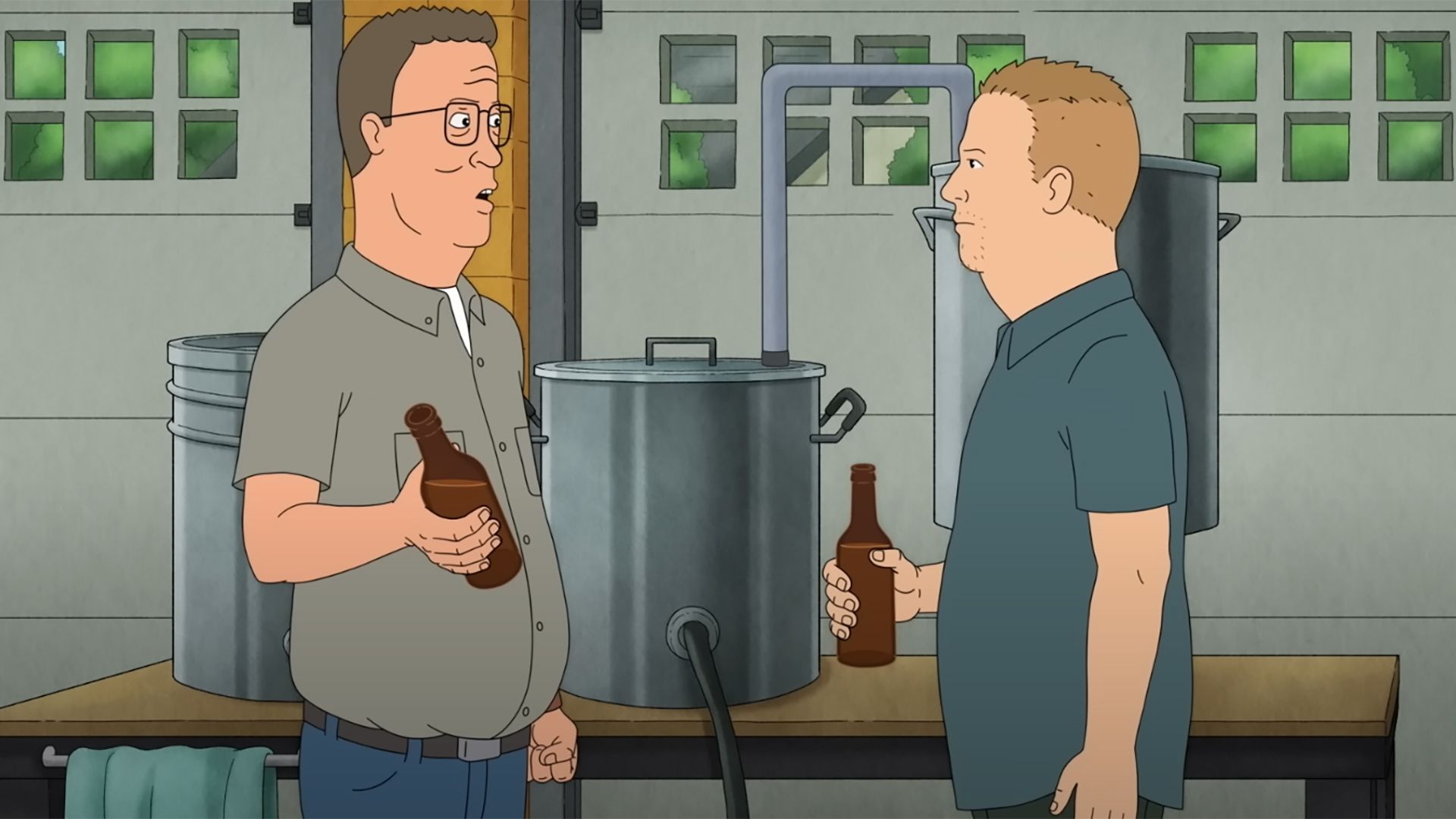
The King of the Hill revival, produced for Hulu, represents a landmark return for the iconic animated sitcom set in Arlen, Texas. As the production moves into its sophomore season, the series navigates the delicate balance of preserving the original show’s classic "Mike Judge and Greg Daniels" observational humor while adapting to the cultural and technological expectations of 2026. This transition has sparked significant audience discourse regarding animation style, character aging, and the evolution of the show’s underlying social commentary.
The Evolution of the Arlen Landscape
The primary creative hurdle for the King of the Hill revival has always been the passage of time. When the show concluded its original run in 2010, the characters were frozen in a specific cultural snapshot of the late 90s and 2000s. The revival’s decision to move the timeline forward—effectively aging the characters into the mid-2020s—serves as the primary engine for both its narrative arcs and its controversies.
For the production team, the passage of time is a technical requirement to keep the show relevant. Hank Hill, a man defined by his rigidity and adherence to traditional mid-century values, acts as the perfect foil for a world that has shifted rapidly around him. In season 2, the "changes" are not merely aesthetic; they represent a fundamental restructuring of the Hill family dynamic. Bobby Hill, once a pre-teen attempting to find his place in his father’s world, is now navigating adulthood, bringing the generational conflict into a contemporary space that feels both familiar and jarring to legacy fans.
Examining the Aesthetic Shift
One of the most immediate points of contention among the King of the Hill community is the updated visual language. Modern animation production techniques have moved away from the cel-shaded look of the late 90s, opting for digital precision that allows for cleaner lines and more fluid movement.
However, many long-time viewers argue that the "grittiness" of the original animation—the slight imperfections that gave Arlen its grounded, somewhat dusty aesthetic—is missing in the revival. While the production team has made efforts to retain the distinctive character designs, the smoothing of textures has led to accusations that the show feels "too polished." This change is a common point of friction in modern reboots; the goal of the art directors is to improve technical fidelity, while the audience often equates the original, dated production quality with the "soul" of the series.
Character Development and Legacy Controversies
The departure of original cast members and the necessity of re-casting certain roles have been sources of significant debate. Following the passing of key contributors like Brittany Murphy (Luanne Platter) and Tom Petty (Lucky Kleinschmidt), the production faced the difficult decision of how to handle their absence.
Season 2 continues the, at times, polarizing strategy of "off-screen transitions." Rather than attempting to replace these voices with sound-alikes, the writers have opted to write these characters out of the active narrative or handle their departures through dialogue. Fans remain divided on this approach. Some appreciate the respect shown by not attempting to mimic beloved performances, while others feel the absence of these characters leaves a void in the ensemble that makes the town of Arlen feel less populated and vibrant than it once was.
Addressing Cultural Resonance and Modern Sensibilities
The central conceit of King of the Hill has always been its ability to satirize the middle-class American experience without falling into mean-spirited caricature. As the show moves through its second season of the revival, the writers are tasked with capturing a version of the Texas panhandle that remains authentic while addressing topics that were not at the forefront of discourse in 1997.
Critics have noted that the show appears more self-conscious about its social commentary in this new era. In earlier seasons, the humor was often derived from Hank’s personal confusion in a changing world. In the revival, the world is arguably more polarized, and the writers must decide if Hank remains a passive observer or a participant in these modern debates. This has led to accusations from some sectors that the show is "modernizing" too aggressively, while others argue it is finally catching up to the reality of the characters' environment.
Comparative Overview of Original vs. Revival
The following table outlines the key areas where the revival has introduced structural changes compared to the original series run, based on observations through the 2026 production period.
| Feature | Original Series (1997–2010) | Revival Season 2 (2026) |
|---|---|---|
| Character Age | Frozen in time (Bobby ~12) | Real-time progression (Bobby in 20s) |
| Animation Style | Hand-drawn/Cel-style | High-definition digital |
| Cast Status | Original ensemble intact | Legacy casting with sensitive adjustments |
| Social Commentary | Subtly integrated in local events | Navigates broader 2026 cultural shifts |
| Narrative Pace | Episodic sitcom structure | Character-driven growth arcs |
The "New Audience" Paradox
A major challenge for the revival is managing the expectations of two distinct audiences: the original viewers who grew up with the show and a new generation discovering it through streaming services. For the former, the "controversy" is often a matter of nostalgia preservation; for the latter, the focus is on whether the show provides a compelling, coherent narrative in the current landscape.
The production team has addressed this by maintaining the "Arlen" environment as a constant. The Propane dealership, the alley where the neighbors drink beer, and the high school football culture remain central pillars. By keeping the setting unchanged, the show provides a "home base" for returning fans, allowing the character changes to feel like an evolution rather than a reboot.
Troubleshooting and Audience Feedback Loops
The production team behind the revival has been unusually active in monitoring fan sentiment on social platforms. This transparency is a hallmark of modern television production, though it can create a cycle where producers become overly reactive to critical reception.
For example, when criticism regarding the pacing of early episodes emerged, the mid-season adjustments in season 2 showed a clear return to the "slice-of-life" format that defined the original. This responsiveness suggests that while the show is adapting to new technology and times, it is ultimately prioritizing the "King of the Hill" identity over radical reinvention. Fans who were concerned that the show would turn into a fast-paced, meta-commentary comedy have largely seen those fears mitigated by the mid-season episodes of 2026.
Frequently Asked Questions
1. Why does the animation look different in the 2026 revival? The animation in the revival uses contemporary digital tools, which provide cleaner, higher-resolution imagery compared to the original's hand-painted cel animation. While this allows for more precise character movement and backgrounds, some viewers perceive the loss of the original's textured "feel" as a decrease in the show's artistic charm.
2. Are the original voice actors returning for season 2? The majority of the core cast—including Kathy Najimy, Stephen Root, and Pamela Adlon—returned for the revival. The production team has handled the absence of deceased actors with care, focusing on narrative adjustments rather than voice-replacement, which has been a point of consensus and respect among the fanbase.
3. Is the revival set in the same time period as the original? No. The revival explicitly moves the timeline forward to the 2020s. This is a deliberate creative choice that allows the writers to explore how the aging cast members interact with current technological and societal changes, such as the ubiquity of smartphones and changing generational work ethics.
4. How is the revival handling controversial topics? The show maintains its signature satirical style, where the humor is derived from the characters' perspectives rather than endorsing specific political views. It aims to remain a grounded observational comedy, focusing on the human element of the Hill family's relationships, which tends to soften the edge of the topics being addressed.
5. What is the biggest complaint about the revival? The most frequent criticism centers on the "aging" of the characters. Some fans feel that the show loses its magic when the core dynamic of "parent and adolescent child" is replaced by adult-to-adult relationships. However, others view this as the natural maturation of the series that began nearly thirty years ago.
Recommendation for Viewers
If you are a legacy fan struggling to connect with the revival, consider approaching the second season as a separate narrative arc rather than a direct continuation of the 2010 finale. The charm of King of the Hill has always been its focus on the mundane struggles of ordinary people, and despite the updated visual style and the aging of the ensemble, that core observation remains intact. For the best experience, watch the episodes in order, as the character growth across the season is intentional and rewards those who follow the narrative evolution closely.