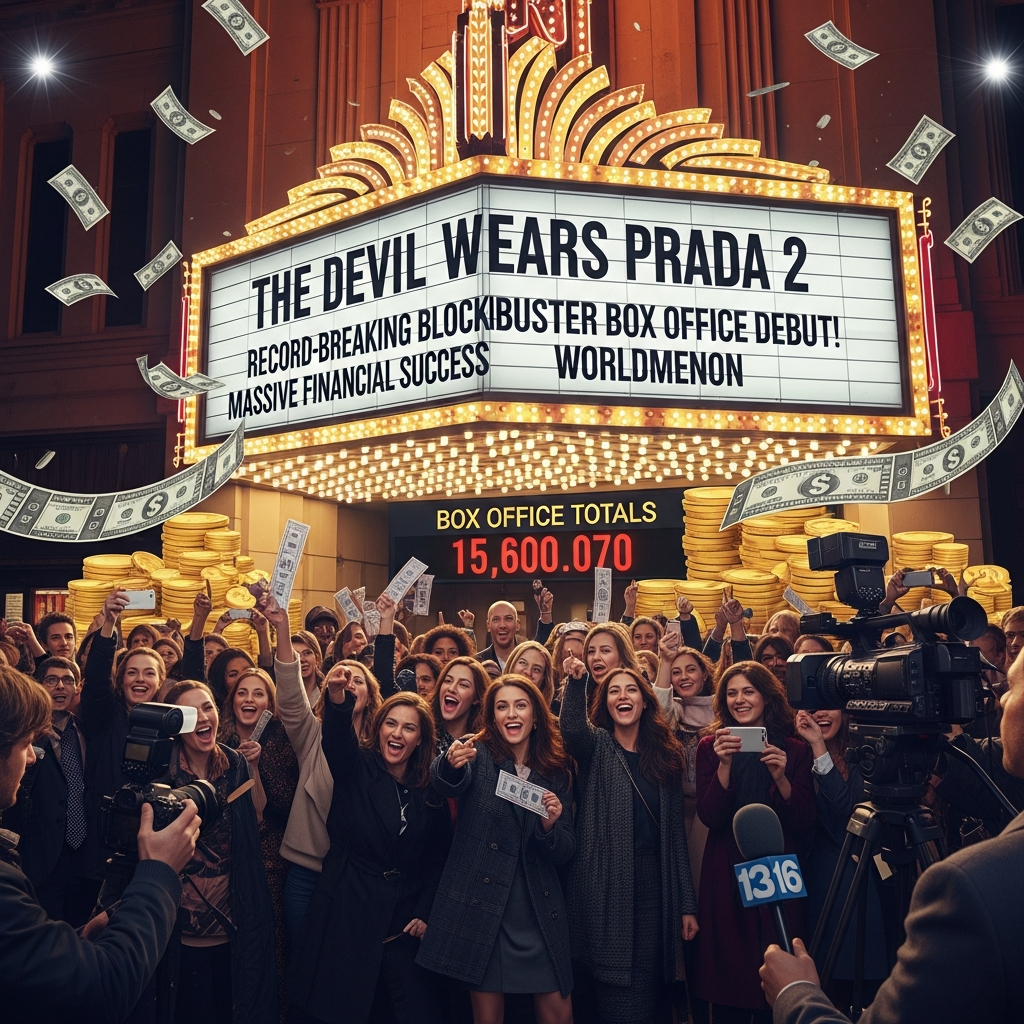
The singular, most critical takeaway regarding the potential box office performance of a hypothetical The Devil Wears Prada sequel is the industry-wide shift toward "legacy IP" and "comfort nostalgia" as a primary driver for theatrical stability. In an era where original mid-budget dramedies often struggle, the proven cultural footprint of the original 2006 property serves as a risk-mitigation strategy for studios.
The Financial Landscape of Legacy Sequels in 2026
In the current entertainment climate of 2026, the motion picture industry is heavily stratified. On one end, there are high-concept tentpole spectacles; on the other, niche streaming-first releases. A sequel to a cultural touchstone like The Devil Wears Prada occupies a specific, highly coveted middle ground: the "Legacy Sequel."
The primary takeaway from analyzing the box office numbers of similar properties—and the potential trajectory for a direct follow-up—is that audience engagement is no longer driven by pure novelty, but by the "comfort" of established brand familiarity. Studios have learned that reviving intellectual property (IP) from the early 2000s provides a predictable baseline for opening weekend ticket sales. Unlike an untested script, a sequel to this specific film benefits from nearly two decades of syndication, viral social media trends, and a multi-generational fanbase that spans from the original theater-goers to new viewers who discovered the film via streaming algorithms.
When we consider the financial viability of a potential The Devil Wears Prada 2, we are not looking at a high-risk gamble. We are looking at a calculated move to capture a demographic that feels underserved by the current slate of action-heavy blockbusters. The box office trajectory of recent legacy projects suggests that the "takeaway" is that nostalgia is not just a marketing tactic; it is a fundamental pillar of modern theatrical economics.
The Role of Brand Longevity and Cultural Persistence
Why does The Devil Wears Prada remain a financial prospect two decades after its premiere? The answer lies in its unique position as a cultural phenomenon that transitioned from a theatrical release to a permanent fixture of popular culture.
In 2006, the film grossed approximately $326 million worldwide against a budget of roughly $35 million. This 9x return on investment is the benchmark by which all contemporary "prestige comedy" projects are measured. However, the box office numbers are only half the story. The "key takeaway" for analysts is that the movie’s long-tail value—its ability to generate revenue through licensing, streaming, and ongoing cultural relevance—creates a "halo effect."
When a studio evaluates the prospects of a sequel in 2026, they are calculating that the box office gross will be bolstered by:
- The "Iconography Dividend": The visual style and quotes from the film have become memes. Marketing a sequel requires less effort than a new franchise because the brand recognition is already at saturation.
- The "Pre-sold Audience": Unlike in the mid-2000s, where marketing had to build desire from zero, a sequel today relies on the existing, vocal community that has kept the film alive through social media advocacy.
- The Multi-generational Appeal: Parents who saw the film in their twenties are now introducing it to their own children, expanding the potential audience demographic beyond the initial 2006 core.
Market Realities: Mid-Budget Films vs. Modern Blockbusters
The most significant challenge for any sequel to a mid-budget comedy is the current theater environment. In 2026, the exhibition industry is hyper-focused on event cinema. Smaller films often find themselves sidelined in favor of longer-running tentpoles.
The key takeaway here is that if a sequel were to hit theaters, it would require a specific release strategy. It would need to avoid the "middle-of-the-road" trap by leaning into its status as an "event" for its specific demographic. The box office history of recent years proves that audiences will turn out for mid-budget films if they are framed as "must-see" cultural reunions.
| Metric | 2006 Original Performance | 2026 Projections (Hypothetical) |
|---|---|---|
| Production Budget | Low ($35M) | Moderate ($60M-$75M) |
| Target Audience | Young Adults / Women | Broad Multi-generational |
| Market Venue | Traditional Theatrical | Hybrid Theatrical/Premium VOD |
| Success Driver | Word of Mouth | Nostalgia/Brand Power |
The Financial Risk of High-Expectation Sequels
While the potential for high box office returns exists, we must acknowledge the financial risks inherent in legacy revivals. The primary concern is "diminishing returns on nostalgia." If a sequel fails to capture the precise tone or thematic depth of the original, the brand damage can be significant.
In the case of this specific franchise, the key takeaway is that the box office success of a sequel is inextricably linked to the involvement of the original creative team. Audiences in 2026 are highly sensitive to "cash-grab" sequels. If the film is perceived as lacking the authentic voice that made the first film a success, the box office numbers will suffer early. The financial performance of recent sequels proves that the "legacy" label is a double-edged sword: it guarantees an opening weekend, but the long-term box office performance is dictated entirely by quality and cultural alignment.
Strategic Considerations for Investors and Producers
For those tracking the financial pulse of major studio projects, the takeaway is clear: the industry has moved toward a "safe-haven" model of filmmaking.
When a studio considers a Devil Wears Prada sequel, they aren't just looking at the potential ticket sales. They are looking at the synergy between theatrical exhibition and long-term streaming valuation. A successful box office run for a legacy sequel in 2026 provides a powerful "anchor" for a streaming library. It proves that the brand is still active, which keeps the original film in high demand for years to come.
Consequently, the "box office numbers" themselves are often treated as a secondary metric by large corporations. The primary metric is the "retention value" that the sequel adds to the parent media conglomerate's portfolio.
Frequently Asked Questions (FAQ)
1. Does a movie’s box office performance from 2006 still dictate its sequel potential today? Yes, but in a modified capacity. While the 2006 figures serve as a proof of concept, modern studios look more closely at current "engagement metrics"—such as ongoing viewership on streaming platforms and social media sentiment—to determine if the audience demand exists in 2026.
2. Why are studios prioritizing sequels over new, original films? In the 2026 market, studios prioritize risk mitigation. A sequel to a known property has a pre-built audience, reducing the massive advertising spend typically required to introduce a new story to the public. It is a formulaic approach to ensuring a baseline of profitability in a crowded marketplace.
3. What is the most important financial metric for a 2026 film? The most important metric is the "Total Value" of a property, which includes the domestic and international box office, but extends significantly into licensing, streaming exclusivity rights, and merchandising. A theatrical run is often seen as the "marketing launchpad" for the asset's longer life on streaming platforms.
4. Can a sequel to a cult classic succeed without the original cast? Historically, legacy sequels that do not retain key original talent struggle to reach the box office heights of their predecessors. The "key takeaway" regarding success is that the intellectual property is tied to the performance and persona of the actors; removing them often negates the "nostalgia value" that drives the box office in the first place.
Practical Recommendation for Industry Observers
If you are tracking the financial feasibility of this potential project, do not look solely at the gross revenue from 2006. Instead, monitor the "IP-utilization strategy" of the parent studio. Keep a close watch on announcements regarding talent retention and theatrical distribution windows. If a sequel is announced, the primary indicator of its potential success will be the studio's willingness to invest in a premium theatrical marketing campaign, which signals that they view the property as a "tentpole" rather than a secondary streaming filler.
For those interested in the broader economic trends, the key takeaway remains consistent: we have entered an age where established cultural capital is the most valuable currency in Hollywood. Whether the numbers translate into a massive box office hit will depend entirely on whether the film can bridge the gap between 2006’s cultural impact and the modern expectations of a 2026 audience.