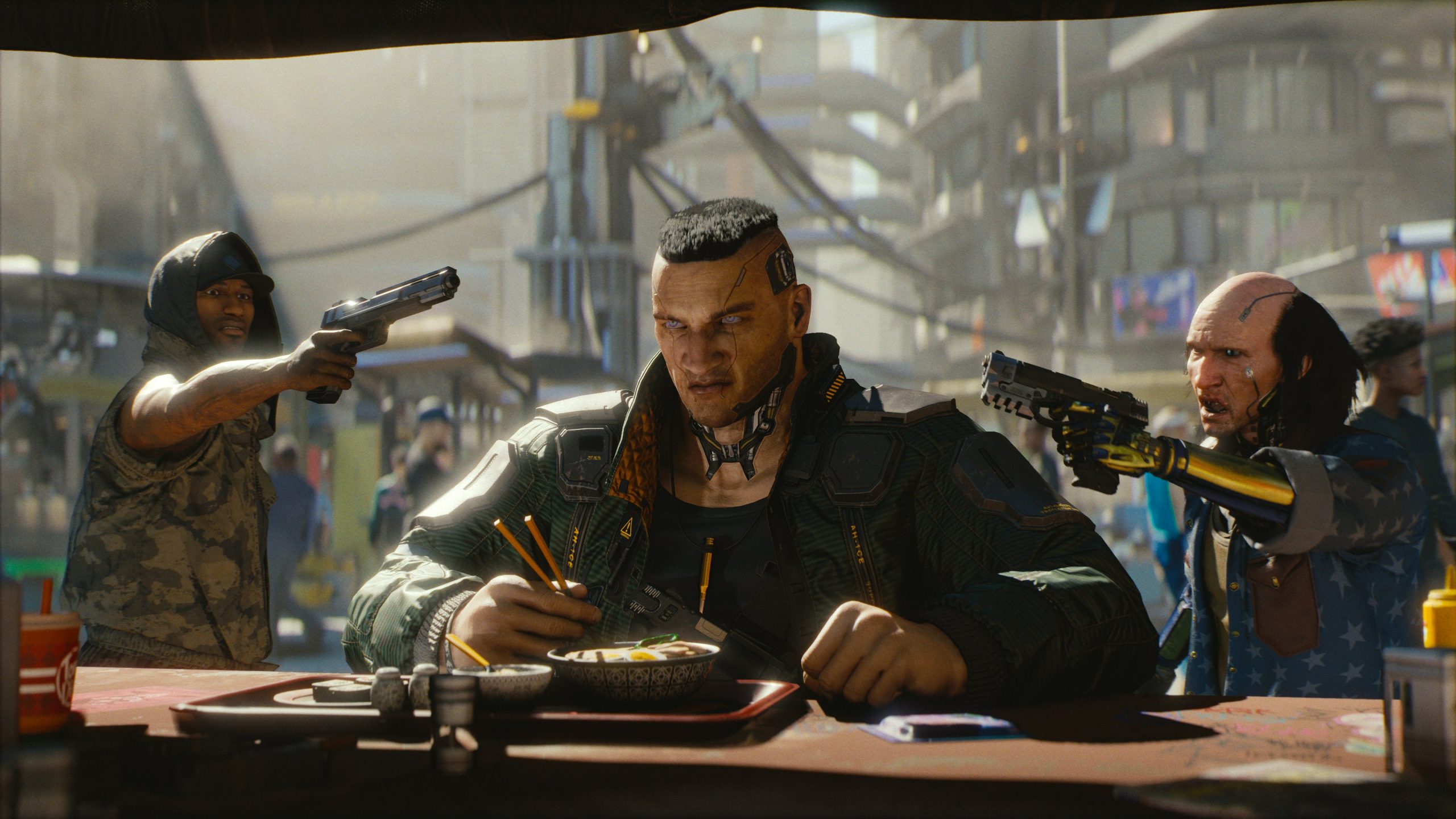
When news broke that Cyberpunk 2077 was delayed yet again, it sent shockwaves through the gaming community, symbolizing a turbulent development cycle defined by high ambitions, intense crunch culture, and repeated broken promises from CD Projekt Red.
The repeated delays of Cyberpunk 2077 highlighted the immense pressure facing modern AAA game development studios, illustrating how ballooning technical complexity, cross-platform optimization challenges, and shifting corporate release schedules collide to disrupt highly anticipated launches.
The Chronology of Delays: A Timeline of Broken Launch Dates
Understanding why Cyberpunk 2077 was delayed requires looking at the cascading series of setbacks that pushed the game's release from its initial early 2020 window into December 2020. The project was originally announced in 2012, spending years in conceptual phases before full production ramped up after The Witcher 3: Wild Hunt launched in 2015.
Initially, CD Projekt Red announced an official release date of April 16, 2020, during Microsoft's E3 2019 briefing. Fans rejoiced, believing the long wait was finally over. However, on January 16, 2020, CD Projekt Red leadership announced the first major delay, pushing the date to September 17, 2020. Developers stated that while the game was complete and playable, there was still balancing, bug fixing, and polish required to meet their internal quality standards.
| Announcement Date | Original/Previous Date | Revised Release Date & Stated Reason |
|---|---|---|
| January 16, 2020 | April 16, 2020 | September 17, 2020 (Polishing, bug fixing, balance) |
| June 18, 2020 | September 17, 2020 | November 19, 2020 (Content completion, system tuning) |
| October 27, 2020 | November 19, 2020 | December 10, 2020 (Day-one patch & multi-gen hurdles) |
As the September window approached, another delay struck. On June 18, 2020, management shifted the target to November 19, 2020, explaining that the sheer volume of content and complex interlocking gameplay mechanics required additional time to harmonize.
Finally, just weeks before the November launch—after gold status had even been prematurely announced—the studio pushed the date one last time to December 10, 2020. This final delay was primarily driven by the monumental challenge of simultaneously optimizing the game for nine different platforms, spanning current-gen consoles, next-gen hardware, Google Stadia, and high-end PCs.
Technical Complexity and Cross-Platform Optimization Challenges
At the heart of the "Cyberpunk 2077 delayed again" headlines was an unprecedented technical hurdle: building a sprawling, next-generation open-world role-playing game designed to run on aging hardware. CD Projekt Red utilized an updated version of their proprietary REDengine 4 technology, engineered specifically to handle dense urban environments, verticality, real-time lighting through ray tracing, and complex artificial intelligence routines.
The Last-Generation Console Bottleneck
The core technical dilemma facing developers was the massive performance gap between high-end personal computers and base-model eighth-generation consoles like the PlayStation 4 and Xbox One. These consoles, launched in 2013, featured outdated mechanical hard drives and limited processing memory (RAM).
- Streaming Assets: Night City was conceived as a seamless, vertically stacked metropolis. Streaming dense architectural geometry and crowded pedestrian crowds through slow console hard drives created severe performance bottlenecks.
- Memory Constraints: Base consoles struggled to store textures and asset states in real time, leading to severe pop-in, low-resolution textures, and streaming hitches.
- CPU Limitations: Complex physics engines, driving mechanics, and non-player character (NPC) pathfinding taxed the older Jaguar CPU architectures heavily, resulting in unstable frame rates that frequently dipped into the low 20s.
Multi-Platform Development Strain
Developing simultaneously for PC, PlayStation 4, PlayStation 5, Xbox One, Xbox Series X/S, and Stadia created a logistical nightmare for QA (Quality Assurance) teams. Every single gameplay tweak, patch, and balance adjustment had to be tested across disparate architectures. Management's insistence on releasing across all platforms on day one compounded internal pressures, preventing the studio from prioritizing optimal builds for modern hardware while scaling down older platforms appropriately.
Corporate Pressures, Studio Culture, and "Crunch"
The constant cycle of delays exposed deep fractures within CD Projekt Red's corporate communication strategy and labor practices. For years, studio executives cultivated an image of consumer-friendly transparency, contrasting themselves sharply with rival publishers who relied on aggressive monetization and rushed releases.
Breaking the "Ready When It's Done" Mantra
Historically, CD Projekt Red's unofficial motto was that their games would be "ready when they're done." When that ethos collided with the financial expectations of public shareholders and institutional investors, cracks appeared. Marketing campaigns had already ramped up, millions of physical steelbook cases had been printed, and global promotional partnerships—including tie-ins with automotive brands and fashion lines—were locked in. Each delay cost the company millions in marketing realignments and dented its stock market valuation significantly.
The Controversy Surrounding Mandatory Overtime
The most damaging fallout from the delays involved the studio's labor practices. Despite executive assurances in 2019 that mandatory overtime ("crunch") would not be enforced, studio co-founder Marcin Iwiński sent an internal email in September 2020 reversing that stance, requiring all developers to work six-day weeks ahead of the November launch window.
This revelation sparked global backlash regarding studio management, executive accountability, and the ethical toll placed on rank-and-file developers who endured months of burnout to salvage a fragmented production schedule.
Market Reaction, Investor Fallout, and Trust Deficit
When news that Cyberpunk 2077 was delayed yet again hit the wire, financial markets reacted swiftly. CD Projekt SA shares plummeted on the Warsaw Stock Exchange, reflecting investor anxiety over potential sales shortfalls and reputational damage.
Furthermore, the delays eroded the immense consumer goodwill the studio had built up following the critical acclaim of The Witcher 3: Wild Hunt. Pre-order numbers remained astronomical, but consumer sentiment shifted from euphoric anticipation to cautious skepticism. Fans worried that the constant shuffling of release dates signaled deeper, systemic development troubles that a simple patch could not easily fix.
Frequently Asked Questions
Why was Cyberpunk 2077 delayed so many times?
The game was delayed primarily due to the monumental technical difficulty of optimizing a massive, next-generation open-world game to run smoothly across nine different platforms simultaneously, alongside internal quality control adjustments and debugging needs.
Did the delays successfully fix the game before launch?
While the delays gave developers crucial extra months to improve the game, the December 2020 launch was still plagued by severe performance issues and bugs, particularly on base PlayStation 4 and Xbox One consoles, leading to temporary removal from digital storefronts and widespread refund offers.
How did the delays affect CD Projekt Red's reputation?
The repeated missed deadlines and the reversal on mandatory overtime severely damaged the studio's public image, forcing management to issue formal apologies and restructure their long-term development roadmaps.
What engine was used to build Cyberpunk 2077?
The game was built using REDengine 4, CD Projekt Red's proprietary game engine designed to support advanced graphical features such as ray tracing, complex audio systems, and dense urban streaming.
Were employees compensated for the crunch periods caused by the delays?
While CD Projekt Red stated that employees received standard overtime pay and a percentage of the studio's annual profit distribution, the practice drew heavy criticism from labor advocates and industry peers.
Next Actions and Long-Term Lessons for the Industry
The saga of Cyberpunk 2077 being delayed repeatedly serves as a cautionary tale for the modern interactive entertainment industry. For developers and publishers alike, the situation underscores the vital necessity of realistic timeline forecasting, transparent communication with consumers, and sustainable production pipelines that protect developer well-being.
For industry observers and consumers tracking similar high-profile releases, the lesson remains clear: premature announcements and rigid cross-platform release mandates often result in technical instability, forcing studios to choose between damaging delays or disastrous launches. Moving forward, stakeholders across the sector continue to examine these events as a turning point in how large-scale creative projects are managed, scheduled, and brought to market.