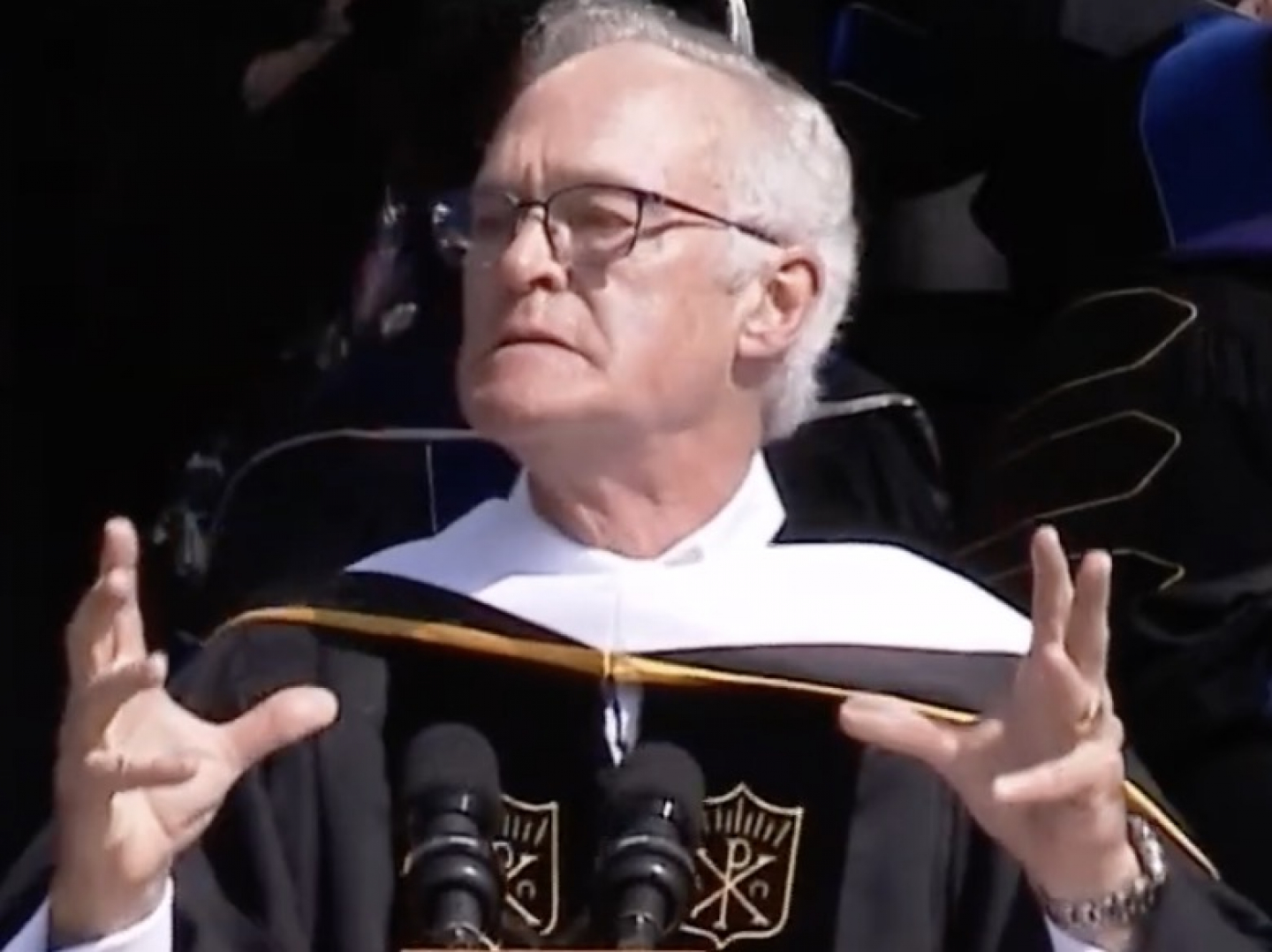
The first Black reporter to join the full-time cast of 60 Minutes was Ed Bradley, who became a correspondent for the program in 1981. Since then, the show has featured other prominent Black journalists, most notably Bill Whitaker, who joined in 2014 and remains a core member of the broadcast as of 2026.
For over half a century, CBS’s 60 Minutes has stood as the gold standard of investigative television journalism. However, for the first thirteen years of its existence, the "Ticking Clock" was accompanied exclusively by white male correspondents. The introduction of Black journalists into this prestigious circle was not merely a matter of representation; it fundamentally altered the types of stories the program told and the lens through which it viewed American and global society.
The Architectural Role of a 60 Minutes Correspondent
To understand the significance of a Black reporter on 60 Minutes, one must first understand the unique demands of the role. Unlike traditional news anchors or field reporters, a 60 Minutes correspondent acts as a producer-collaborator. They are responsible for the intellectual heavy lifting of an investigation, often spending months on a single twelve-minute segment.
The hiring process for these positions is famously rigorous. Candidates typically require decades of "hard news" experience, often serving as foreign correspondents or White House reporters before being considered. For Black journalists, the path to these roles involved navigating the systemic barriers of mid-20th-century media, making their eventual seats at the 60 Minutes table a landmark achievement in the industry.
Ed Bradley: The Trailblazer (1981–2006)
Ed Bradley was the first Black correspondent on 60 Minutes, and he remains one of the most decorated journalists in the history of the medium. Joining the program in 1981, Bradley brought a sense of "cool" and intellectual gravitas that redefined the show's aesthetic. Known for his signature left-earring and his ability to transition seamlessly from interviewing world leaders to jazz musicians, Bradley broke the mold of the "stuffy" network newsman.
A Career of High Stakes
Before 60 Minutes, Bradley proved his mettle in the most dangerous environments on earth. He covered the Vietnam War, where he was wounded by mortar fire in Cambodia. This background gave him an unimpeachable credibility when he eventually joined the 60 Minutes team. His reporting wasn't just about diversity; it was about excellence.
During his 26-year tenure, Bradley won 19 Emmy Awards. His interviews were legendary, particularly his 1986 profile of singer Lena Horne and his hard-hitting 2006 investigation into the Duke Lacrosse case, which was his final segment before his death. Bradley’s presence on the show proved that a Black man could be the definitive voice on any subject, from high-stakes politics to the nuances of the arts.
Bill Whitaker: The Modern Standard-Bearer (2014–Present)
As of 2026, Bill Whitaker is the most prominent Black journalist on the 60 Minutes roster. Joining in 2014 after a distinguished three-decade career at CBS News, Whitaker has become the program's primary international and political investigator.
The Whitaker Style
Whitaker is often described as a "reporter’s reporter." His style is characterized by meticulous preparation and a calm, persistent questioning technique. He does not rely on theatrics; instead, he allows the evidence and the subject's own words to drive the narrative.
In the 2020s, Whitaker’s reporting has been pivotal. He has led investigations into:
- The Opioid Crisis: Multiple segments detailing the culpability of pharmaceutical distributors.
- International Diplomacy: Critical interviews with world leaders in the Middle East and Asia.
- Social Justice: Nuanced coverage of the American criminal justice system.
Whitaker’s longevity and consistent output have solidified his position as a pillar of the broadcast, ensuring that the legacy started by Ed Bradley continues into the current era of media.
Other Black Correspondents and Contributors
While Bradley and Whitaker are the primary figures, other Black journalists have made significant contributions to the 60 Minutes legacy.
Byron Pitts (2009–2013)
Byron Pitts joined the program as a correspondent in 2009. Known for his emotional depth and storytelling ability, Pitts covered major events including the aftermath of the earthquake in Haiti and various domestic social issues. Though his tenure was shorter than Bradley’s, his work maintained the high standards of the broadcast before he moved to ABC News.
Oprah Winfrey (Special Correspondent, 2017–2018)
In a move that garnered significant media attention, Oprah Winfrey joined 60 Minutes as a special contributor in 2017. Her segments, which focused on the deep political divides in the United States, utilized her unique ability to facilitate conversation between people with diametrically opposed views. While she was not a full-time "reporter" in the traditional sense, her presence highlighted the show's ongoing effort to bring diverse, high-profile perspectives to the screen.
Comparison of Black Correspondents on 60 Minutes
The following table outlines the tenures and primary focus areas of the Black journalists who have held correspondent or contributor roles on the program through 2026.
| Correspondent | Tenure | Primary Focus Areas | Notable Achievement |
|---|---|---|---|
| Ed Bradley | 1981–2006 | Politics, War, Jazz, Social Issues | First Black correspondent; 19 Emmy Awards |
| Byron Pitts | 2009–2013 | Human Interest, Crisis Reporting | Covered the 2010 Haiti Earthquake recovery |
| Bill Whitaker | 2014–Present | Foreign Policy, Drug Crisis, Politics | Lead reporter for 2020 and 2024 election cycles |
| Oprah Winfrey | 2017–2018 | Social Commentary, Political Divides | Special Correspondent status; focus on "divided America" |
The Impact of Representation on Investigative Journalism
The presence of a Black reporter on 60 Minutes is not just about the person on camera; it affects the entire editorial process. In the world of investigative journalism, "subject matter" is often dictated by the life experiences and interests of the editors and correspondents.
Expanding the Editorial Lens
For decades, many issues affecting Black communities in the U.S. and the African diaspora were overlooked by mainstream investigative programs. Reporters like Bradley and Whitaker brought these stories to the forefront, not as "niche" interests, but as essential American news. They utilized the massive platform of 60 Minutes—which frequently ranks as the most-watched news program in the country—to educate a broad audience on systemic inequalities, cultural milestones, and international crises that might otherwise have been marginalized.
Mentorship and the Next Generation
Beyond their own reporting, these journalists have served as vital mentors. The "CBS News" pipeline has historically been difficult to navigate for minority journalists. The success of Bill Whitaker in 2026 is a direct result of the doors opened by Ed Bradley in the 1980s. This continuity is essential for maintaining a newsroom that reflects the diversity of the global audience it serves.
Technical Excellence and the "60 Minutes" Standard
It is important to note that the Black reporters on 60 Minutes are held to the same—if not higher—technical standards as their peers. A 60 Minutes story is defined by:
- The Interview: Often lasting hours, edited down to the most impactful minutes.
- The Writing: Concise, punchy, and designed to lead the viewer through a complex web of facts.
- The Visuals: High-quality cinematography that mimics documentary film rather than standard nightly news.
Bill Whitaker’s work in 2026 continues to exemplify these traits. Whether he is standing on a remote border or in a high-tech laboratory, the technical execution of his segments remains flawless, proving that the "1 Black reporter" mentioned in early queries has evolved into a lineage of excellence that is inseparable from the show's identity.
Frequently Asked Questions
Who was the very first Black reporter on 60 Minutes?
Ed Bradley was the first Black reporter to join the 60 Minutes cast. He was hired as a full-time correspondent in 1981 and remained with the show until his death in 2006. Before joining 60 Minutes, he was already a well-respected journalist who had covered the Vietnam War and served as a White House correspondent.
Is Bill Whitaker still on 60 Minutes in 2026?
Yes, as of 2026, Bill Whitaker remains a senior correspondent for 60 Minutes. He has been with the program since 2014 and continues to lead some of the show's most significant investigations into domestic policy and international affairs.
How many Black reporters have been on 60 Minutes?
There have been three primary Black correspondents in the show's history: Ed Bradley, Byron Pitts, and Bill Whitaker. Additionally, Oprah Winfrey served as a high-profile special contributor for a period between 2017 and 2018.
What is Ed Bradley's most famous 60 Minutes interview?
While he had many, his interview with Lena Horne in 1986 is often cited as a masterpiece of the craft, earning him an Emmy. He was also widely praised for his 2006 report on the Duke Lacrosse case, which was a landmark piece of investigative journalism regarding the justice system and racial tension.
Why did it take until 1981 for the show to hire a Black correspondent?
The delay reflected the broader lack of diversity in network news management and senior reporting roles during the 1960s and 70s. It wasn't until the 1980s that the pressure for better representation, combined with the undeniable talent of journalists like Ed Bradley, forced a change in the show's composition.
Final Recommendation for Viewers and Students
For those interested in the history of journalism or the evolution of the Black experience in American media, exploring the CBS News 60 Minutes archive is highly recommended. Pay particular attention to the "Ed Bradley" retrospectives and the current investigative work of Bill Whitaker. These segments provide a masterclass in how to conduct tough interviews while maintaining professional integrity. For aspiring journalists, the National Association of Black Journalists (NABJ) provides resources and historical context on the path these pioneers took to reach the pinnacle of their profession.