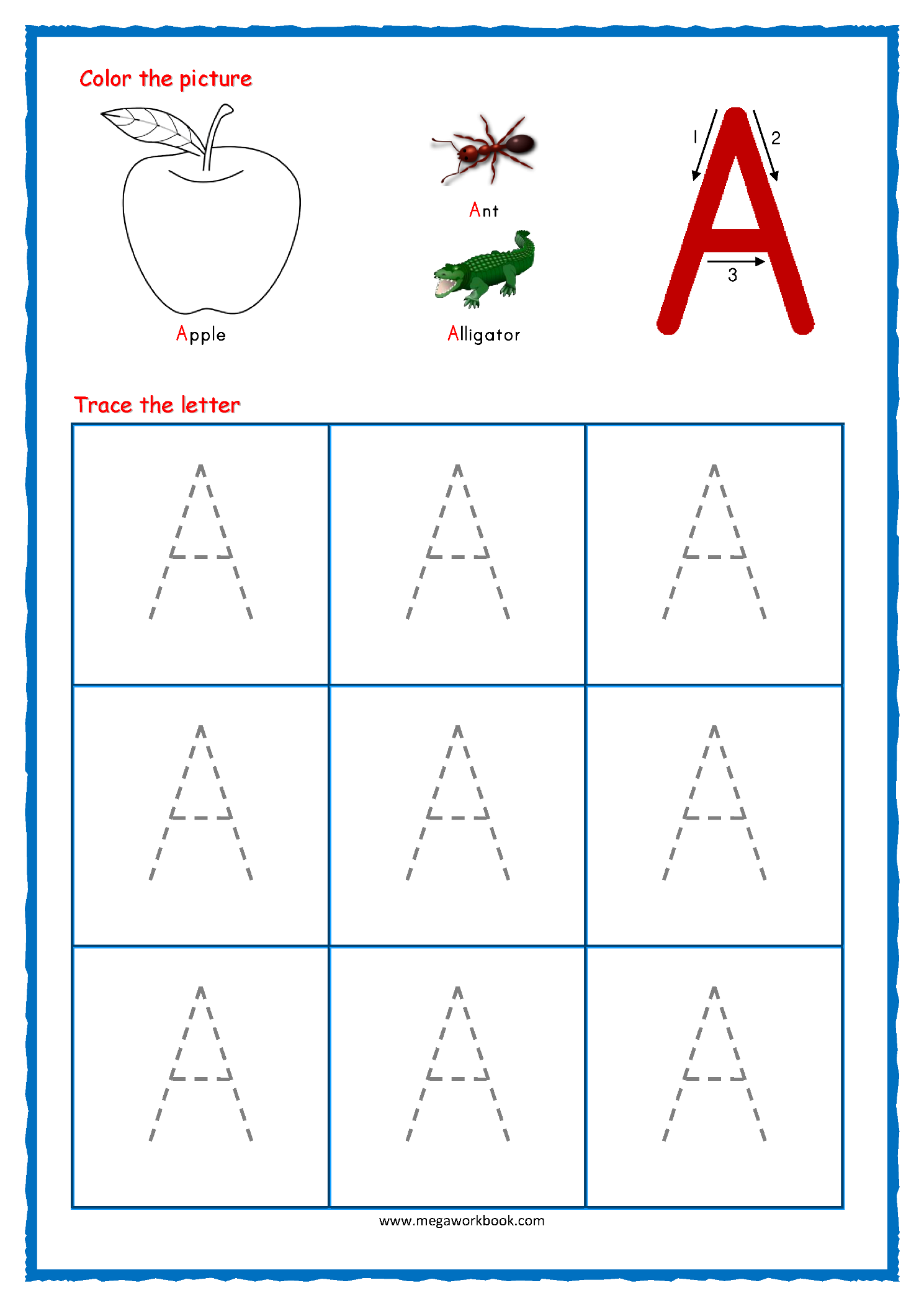
Toddler tracing worksheets can be genuinely helpful for building early fine motor skills, pencil grip awareness, and hand-eye coordination, provided they are used in short, engaging sessions that match a young child's developmental readiness. Rather than serving as passive academic drills, these sheets act as physical conditioning exercises for the small muscles in a child’s hands, fingers, and wrists.
Understanding Early Childhood Development and Fine Motor Skills
When evaluating educational tools for young children, parents and educators must first look at the underlying biology of human development. A toddler, generally defined as a child between the ages of one and three (with preschool extending up to age five), undergoes rapid neurological and physical maturation. Fine motor skills involve the coordination of small muscles in movements involving the hands and fingers, interacting with the eyes. These capabilities do not emerge overnight; they require progressive physical conditioning.
Before a child can cleanly trace a straight line or a circular loop on a worksheet, they must develop core stability, shoulder strength, elbow control, and wrist flexibility. This anatomical progression unfolds from the center of the body outward. A toddler typically begins with gross motor movements, such as sweeping their entire arm across a surface to scribble with a thick crayon. Only gradually do they refine these actions into localized finger and wrist movements, which are necessary for controlled pencil manipulation.
Tracing worksheets target this exact transition window. By presenting structured visual paths—ranging from simple horizontal vectors to wavy lines, zig-zags, and basic geometric outlines—these pages prompt children to synchronize their visual input with their manual output. However, viewing these worksheets as miniature writing lessons misunderstands their purpose. At the toddler stage, tracing is strictly a motor-planning and muscle-strengthening exercise, not an early literacy drill aimed at perfecting the alphabet.
The Cognitive and Physical Benefits of Tracing Worksheets
When integrated thoughtfully into a child's daily routine, structured tracing activities offer several distinct developmental advantages. These benefits extend well beyond simply keeping a child quiet or occupied at a table.
1. Strengthening Intrinsic Hand Muscles
The small muscles inside the hand (the intrinsic muscles) are weak in toddlers. Gripping chunky crayons, markers, or pencils and maintaining contact with a page against minor friction helps build endurance in these muscles. This physical conditioning prepares the hand for future tasks like writing, cutting with safety scissors, and buttoning clothing.
2. Improving Hand-Eye Coordination
Tracing requires the eyes to track a visual path while simultaneously guiding the hand to follow that path. This feedback loop trains the brain to process spatial relationships quickly. As children practice, they learn how visual information dictates physical correction, adjusting their hand position when the writing utensil strays from the line.
3. Fostering Concentration and Patience
Completing a tracing path from a starting point to a destination requires sustained focus. Toddlers naturally have short attention spans, but guided lines provide a clear, achievable objective. Successfully reaching the end of a line gives children a tangible sense of accomplishment, encouraging persistence.
4. Establishing Spatial Awareness and Directional Habits
In Western writing systems, literacy relies heavily on left-to-right and top-to-bottom progression. Tracing worksheets naturally reinforce these directional habits. Guiding a toddler to start on the left side of a page and move toward the right builds foundational motor habits that will later support reading and writing fluency.
| Skill Domain | How Tracing Worksheets Contribute | Observable Milestone |
|---|---|---|
| Fine Motor Control | Builds strength in finger, hand, and wrist muscles through gripping and dragging resistance. | Holding a crayon with a three-point finger grip rather than a full-fist grasp. |
| Visual-Motor Integration | Trains the brain to translate visual paths into physical hand movements. | Keeping a crayon within a broad path or attempting to connect two dots. |
| Spatial Awareness | Reinforces directional tracking (left-to-right, top-to-bottom). | Naturally starting to draw or look across a page from left to right. |
| Focus & Discipline | Provides a clear boundary and goal, encouraging the completion of a micro-task. | Sitting calmly for 3 to 5 minutes to complete a single sheet or section. |
Common Pitfalls and Developmental Limitations
Despite their utility, tracing worksheets come with notable limitations if misused. Understanding these drawbacks helps prevent frustration for both the child and the adult.
1. Premature Academic Pressure
One of the most frequent mistakes is forcing toddlers to trace letters, numbers, or complex shapes before their hands and brains are developmentally ready. Forcing a two-year-old to form an exact letter "A" often leads to hand fatigue, negative emotional associations with learning, and an awkward pencil grip. Toddlers lack the fine visual-spatial discrimination required to analyze letter shapes accurately.
2. Lack of Creative Freedom
Worksheets are inherently constrained; they dictate where the child must go and what shape they must make. If tracing sheets dominate a child's creative time, they can stifle free-form expression. Open-ended drawing, finger painting, and unstructured scribbling are equally vital because they allow children to invent shapes and explore textures without rigid boundaries.
3. Sensory Deprivation
Paper and pencil represent only one sensory modality. Toddlers learn best through multi-sensory experiences that engage touch, sound, movement, and sight simultaneously. Relying exclusively on flat worksheets ignores the tactile learning that happens when children mold clay, play with kinetic sand, thread large beads, or trace shapes in shaving cream.
Best Practices for Using Tracing Worksheets Effectively
To maximize the benefits of toddler tracing worksheets while minimizing the risks of burnout, caregivers should adopt a strategic, child-centered approach.
- Match the Complexity to the Child's Stage: Begin with gross motor paths, such as large horizontal lines, vertical lines, and simple curves. Avoid letters and numbers until the child is well into their preschool years and demonstrates an interest in symbols.
- Keep Sessions Brief: Toddlers thrive on short, high-energy interactions. Limit tracing activities to 3 to 5 minutes per session. Never force a tired or resistant child to finish a worksheet.
- Choose the Right Tools: Standard pencils or ballpoint pens are entirely inappropriate for toddlers. Opt for thick, triangular crayons, chunky markers, or dry-erase markers on laminated sheets. Triangular barrels naturally guide fingers into a correct tripod or pincer grasp.
- Incorporate Multi-Sensory Play: Use tracing sheets as a complement to, rather than a replacement for, physical play. Have children trace shapes in the air, use their fingers to trace textured cardboard letters, or build lines with playdough before putting a marker to paper.
- Focus on Process Over Perfection: Never scold a child for straying outside the lines. Celebrate the effort, the grip, and the attempt to follow the path, reinforcing a positive attitude toward learning.
Alternative and Complementary Fine Motor Activities
Tracing is only one tool in a broad developmental toolkit. To build robust hand strength and coordination, balance worksheet time with dynamic physical activities.
- Playdough and Clay Manipulation: Rolling snakes, pinching small pieces, and squeezing dough builds the exact intrinsic hand strength required for future writing tools.
- Tearing Paper: Allowing children to tear construction paper into strips or pieces strengthens opposing thumb and index finger muscles (bilateral coordination).
- Using Tongs and Tweezers: Picking up large pom-poms or cotton balls with oversized plastic tweezers refines pincer control.
- Threading and Lacing: Pushing large plastic needles or thick laces through holes in cards or large beads bridges hand-eye coordination and spatial awareness.
Frequently Asked Questions
Are tracing worksheets appropriate for one-year-olds?
Generally, no. One-year-olds are typically in the random scribbling phase, focusing on gross motor arm movements. Tracing worksheets require visual-spatial tracking and fine motor control that usually do not emerge until closer to age three or four. Free-form scribbling on plain paper is much more appropriate for a one-year-old.
What is the best writing utensil for toddler tracing?
Chunky, triangular crayons or thick washable markers are ideal. The thick barrel prevents hand cramping, while the triangular shape naturally encourages fingers to rest in a proper grip position rather than a clumsy fist grasp.
How many minutes a day should a toddler spend on worksheets?
No more than 3 to 5 minutes at a time, and not necessarily every day. Worksheets should be completely optional and driven by the child's curiosity. Play-based physical activities should make up the vast majority of fine motor development at this age.
Can tracing worksheets help prevent bad pencil grips later?
Yes, provided they are introduced at the right developmental stage and paired with ergonomically friendly writing tools. Using thick, triangular crayons helps children establish a comfortable grip early, reducing the likelihood of developing an awkward or painful fist grip as they transition to formal schooling.
Should I correct my toddler when they trace outside the lines?
No. Corrections at the toddler stage often create anxiety or resistance. The goal is engagement and muscle conditioning, not precision. If they wander off the line, praise their effort and encourage them to try another path when they are ready.
Conclusion and Next Actions
Toddler tracing worksheets are genuinely helpful tools when used with realistic expectations, appropriate physical tools, and a strict focus on fun rather than academic perfection. They provide structured practice for fine motor control, hand-eye coordination, and spatial awareness. However, they must serve as a small supplement to a rich diet of open-ended art, sensory play, and gross motor exploration.
To take the next step, evaluate your child's current fine motor interests. If your child readily grasps chunky crayons and enjoys structured games, introduce a few simple, large-line tracing sheets for just a few minutes a day. If they resist paper entirely, step back, put away the worksheets, and focus instead on building hand strength through playdough, building blocks, and outdoor play.