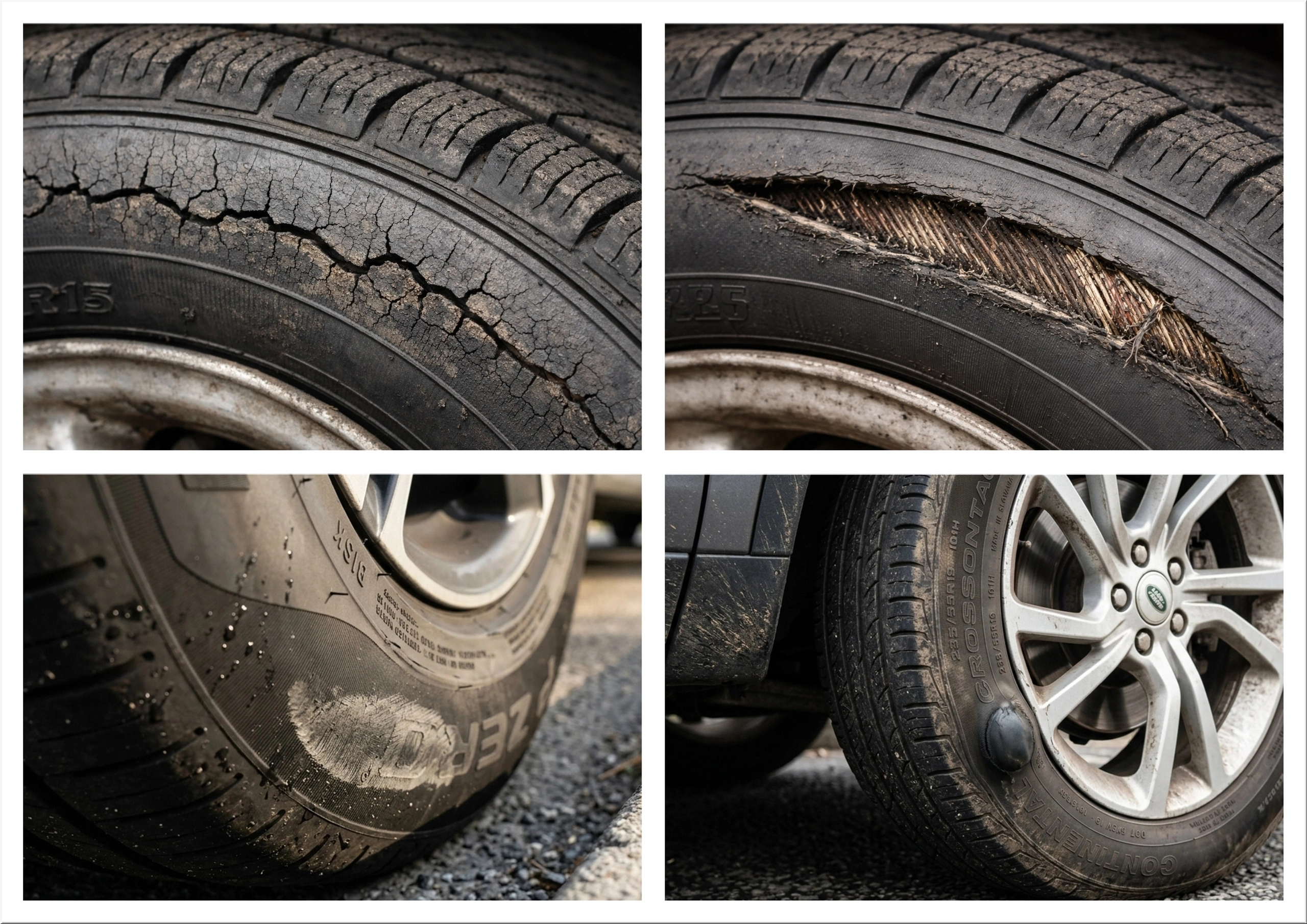
Used tires can be safe if they pass rigorous inspections by professionals, show adequate remaining tread depth, and are free from structural damage, dry rot, or age-related degradation. However, because their history is often unknown, they carry inherent risks regarding hidden internal damage and reduced lifespan compared to new tires.
Purchasing replacement tires is one of the most critical maintenance decisions a vehicle owner can make. Tires serve as the sole contact point between a multi-ton vehicle and the road surface, influencing braking distances, handling stability, hydroplaning resistance, and overall fuel efficiency. When faced with the high cost of a brand-new set of replacement tires, many budget-conscious drivers consider pre-owned or used tires as a cost-effective alternative.
Navigating the market for pre-owned automotive components requires a nuanced understanding of tire safety standards, manufacturing dates, structural integrity markers, and legal requirements. While some pre-owned components offer reliable service for low-mileage drivers or older vehicles, others pose severe safety hazards that can lead to sudden blowouts at highway speeds. Evaluating whether pre-owned options represent a smart economic choice or an unacceptable safety risk demands a methodical examination of physical inspection protocols, wear indicators, and industry guidelines.
The Core Safety Dilemma: Why Drivers Consider Used Tires
The primary driver behind the pre-owned market is economic. Premium new tires can easily cost several hundred to over a thousand dollars for a full set of four, creating a significant financial burden for families and individual motorists. For drivers operating older vehicles with low market values, investing in a brand-new set of premium tires may exceed the vehicle's residual worth, making discounted alternatives an attractive proposition.
Additionally, drivers facing unexpected tire failures—such as a sidewall blowout caused by a pothole—may only need to replace a single tire. Matching a single new tire to three worn tires can create drivetrain imbalances, particularly on all-wheel-drive (AWD) and four-wheel-drive (4WD) vehicles that require uniform rolling diameters. In these scenarios, finding a pre-owned tire with a matching tread depth can resolve the immediate mechanical dilemma without requiring an expensive, full-set replacement.
However, saving money upfront carries distinct trade-offs. Unlike a new product backed by a manufacturer warranty and a verified production date, a pre-owned tire represents an unknown variable. Understanding the balance between cost savings and risk exposure requires analyzing how these items enter the secondary market and how to identify critical failure points.
Sources and Types of Pre-owned Tires
Pre-owned tires typically enter the retail market through several distinct channels. Understanding where these items originate helps buyers gauge their potential condition and hidden risk factors.
Salvage Yards and Total-Loss Vehicles
Many pre-owned tires are salvaged from vehicles involved in collisions or those deemed total losses by insurance companies. While the tires themselves may have low mileage and deep tread, they may have sustained severe impacts during the accident. Internal structural components, such as the steel belts and polyester carcass plies, can be compromised or bent without showing obvious external damage.
Lease Returns and Trade-Ins
Some tires come from vehicles returned at the end of a lease or traded in by owners who preferred to upgrade their wheels and tires immediately after purchase. These are often the highest-quality options on the pre-owned market, as they frequently feature even wear, relatively low mileage, and a clear history of regular inflation maintenance.
Partial-Wear Replacements
When a driver experiences an unrepairable puncture in the tread area of one tire—such as a large tear from construction debris—they may replace all four tires to maintain balanced wear, leaving three perfectly functional tires behind. Tire shops frequently salvage these remaining items to resell individually.
Critical Safety Inspection Criteria
Determining whether a pre-owned tire is safe requires examining multiple physical and structural indicators. Professional tire technicians and safety organizations evaluate several core criteria before approving any pre-owned inventory for sale or installation.
1. Tread Depth Measurement
Tread depth is the most visible indicator of remaining tire life and wet-weather traction. New passenger car tires typically start with 10/32 to 11/32 of an inch of tread depth.
- Legal Limit: In most jurisdictions, the legal minimum tread depth is 2/32 of an inch. At this point, built-in tread wear indicators (small rubber bars running across the grooves) become flush with the tread surface.
- Safety Threshold: For pre-owned purchases, experts strongly advise against buying anything with less than 4/32 of an inch of tread depth. Tires worn below 4/32 lose significant capability to channel water away from the contact patch, dramatically increasing the risk of hydroplaning during heavy rain.
2. Age and the Department of Transportation (DOT) Code
Rubber is an organic compound that degrades over time due to exposure to ultraviolet (UV) radiation, oxygen, and temperature fluctuations. Even an unused tire stored in a warehouse will harden and lose its chemical elasticity over the years.
Every tire sold features a Department of Transportation (DOT) code molded into the sidewall. The final four digits of this code indicate the manufacturing week and year. For example, a code ending in 2422 means the tire was manufactured during the 24th week of 2022.
- The 6-to-10-Year Rule: Most major automotive manufacturers and safety authorities recommend replacing tires that are six to ten years old, regardless of remaining tread depth. Pre-owned tires approaching or exceeding this age threshold should be rejected immediately, as internal rubber degradation can cause tread separation.
3. Structural Integrity and Damage Assessment
A thorough visual and tactile inspection of both the interior and exterior surfaces is mandatory. Buyers must check for several dangerous warning signs:
- Bulges and Blisters: A bubble or bulge on the sidewall indicates that the internal structural cords have ruptured, allowing air pressure to push the rubber outward. This is an extreme blowout hazard and renders the tire instantly unsafe.
- Cuts, Cracks, and Dry Rot: Tiny cracks in the sidewall or tread grooves (known as weather cracking or dry rot) signify advanced rubber deterioration. Deep cuts that expose the underlying fabric or steel cords mean the tire must be discarded.
- Previous Repairs: Examine the inner liner for past punctures. Industry standards dictate that repairs must be restricted to the tread area using a combination patch-plug unit. Plug-only repairs inserted from the outside are unreliable and unsafe. Furthermore, repairs within the shoulder or sidewall area are strictly prohibited.
Comparison of New versus Pre-Owned Tires
To weigh the financial implications against safety outcomes, it helps to examine how new and pre-owned options contrast across key operational metrics.
| Feature / Metric | New Tires | Pre-Owned / Used Tires |
|---|---|---|
| Initial Cost | High ($400 – $1,200+ per set) | Low ($40 – $150 per tire) |
| Expected Lifespan | Maximum mileage warranty (40,000 to 80,000+ miles) | Limited remaining lifespan based on current wear and age |
| Warranty Protection | Comprehensive manufacturer defects and road hazard warranties | Usually sold "as-is" with minimal or no warranty (30-day dealer guarantees are common) |
| Known History | Full traceability from factory; driven by single owner under known conditions | Unknown history regarding past impacts, alignment issues, and inflation pressure |
| Safety Risk | Minimal, provided regular maintenance is performed | Moderate to high, depending on inspection rigor and age |
Potential Risks and Hidden Dangers
Opting for pre-owned rubber introduces risks that are often invisible to the untrained eye. Recognizing these dangers helps motorists make informed risk assessments.
Hidden Impact Damage
When a vehicle strikes a deep pothole, curb, or road debris at high speed, the tire's internal structure can experience severe trauma. While the outer rubber might absorb the blow without tearing, the internal steel belts can warp or delaminate. This damage frequently remains invisible until the vehicle is driven at sustained highway speeds, where heat buildup causes the compromised structure to fail catastrophically.
Improper Prior Maintenance
A tire's longevity depends heavily on proper inflation and alignment. If a pre-owned tire spent months operating under-inflated or on a vehicle with severe suspension misalignment, it may exhibit uneven shoulder wear or internal fatigue even if the center tread appears acceptable. Operating on such tires compromises vehicle handling and stability during emergency maneuvers.
Lack of Accountability
Unlike authorized tire retailers who stand behind their new products, many independent sellers of pre-owned tires operate with limited liability. If a pre-owned tire fails prematurely due to an undetected defect, the buyer rarely has recourse for a refund or compensation for potential vehicle damage.
Best Practices If You Choose Pre-Owned Tires
While new tires are universally recommended by safety experts, financial constraints often lead drivers to the pre-owned market. If you decide to purchase pre-owned tires, following strict vetting procedures can mitigate some of the associated risks.
- Purchase from Reputable Dealers: Avoid buying pre-owned tires from peer-to-peer online marketplaces where returns are impossible and accountability is zero. Instead, visit established, licensed tire shops that inspect, pressure-test, and stand behind their pre-owned inventory with a short-term warranty or exchange policy.
- Insist on Professional Mounting and Balancing: Have a certified technician inspect the tire both inside and out before mounting it on your wheel. Ensure they check the bead area for tears or distortion that could cause air leaks.
- Verify Matching Specifications: Ensure the pre-owned tire matches your vehicle manufacturer's required load index and speed rating. Mixing mismatched load ratings can lead to tire overloading and rapid failure.
- Monitor Inflation Religiously: Because pre-owned tires may have weakened structures, maintaining correct tire pressure is more critical than ever. Check pressures monthly using an accurate gauge.
Conclusion
Are used tires safe? The answer depends entirely on their age, structural condition, remaining tread depth, and how carefully they were inspected prior to purchase. While pre-owned tires offer undeniable financial relief and can serve as a practical stopgap for specific driving needs, they inherently carry higher risks than new alternatives due to their unknown operational history and age-related rubber degradation.
Drivers who prioritize thorough inspections, verify DOT manufacturing dates, and purchase exclusively from reputable professionals can minimize these hazards. However, whenever budget permits, investing in new tires remains the safest choice for long-term vehicle reliability and occupant protection on the road.