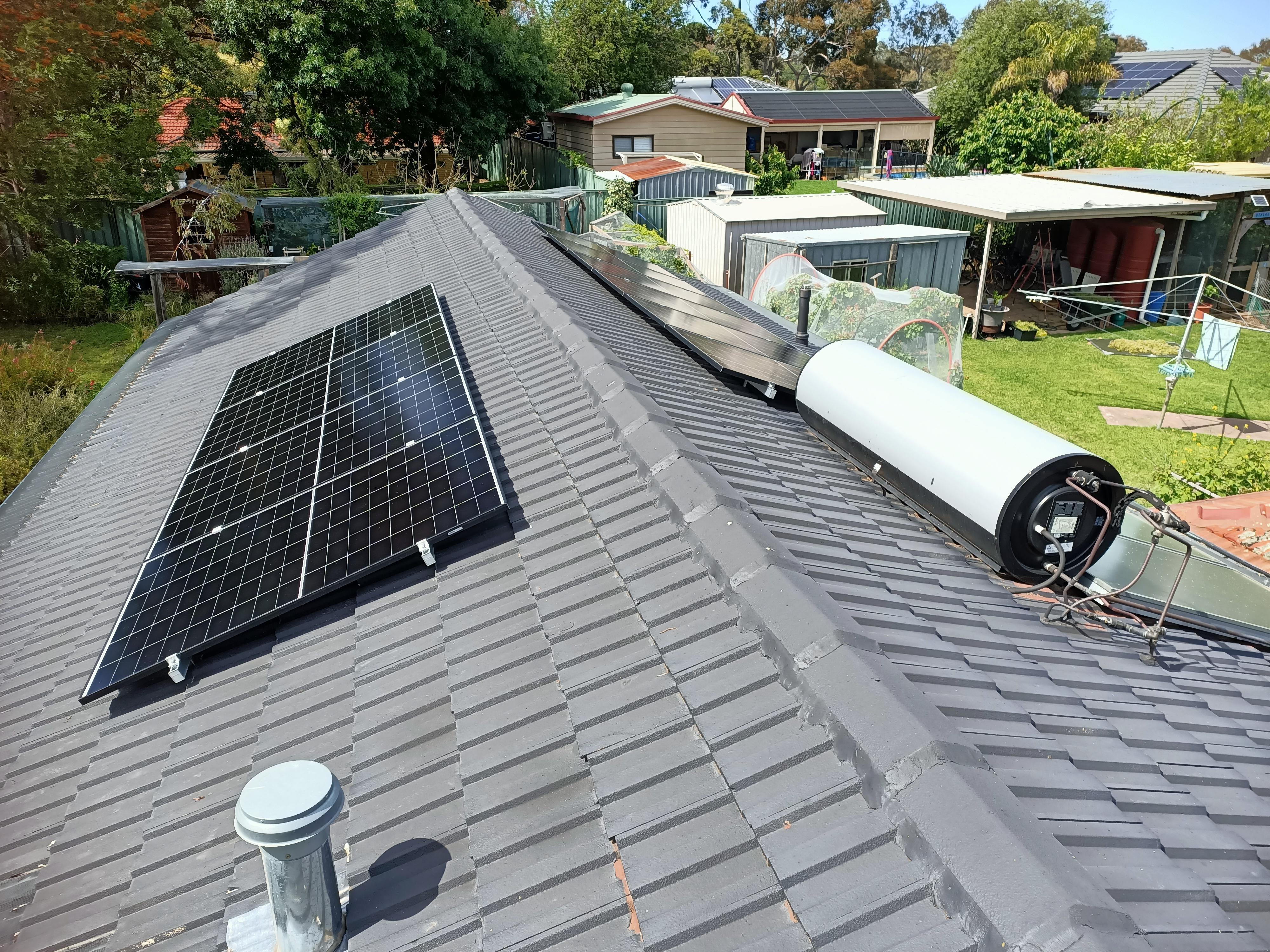
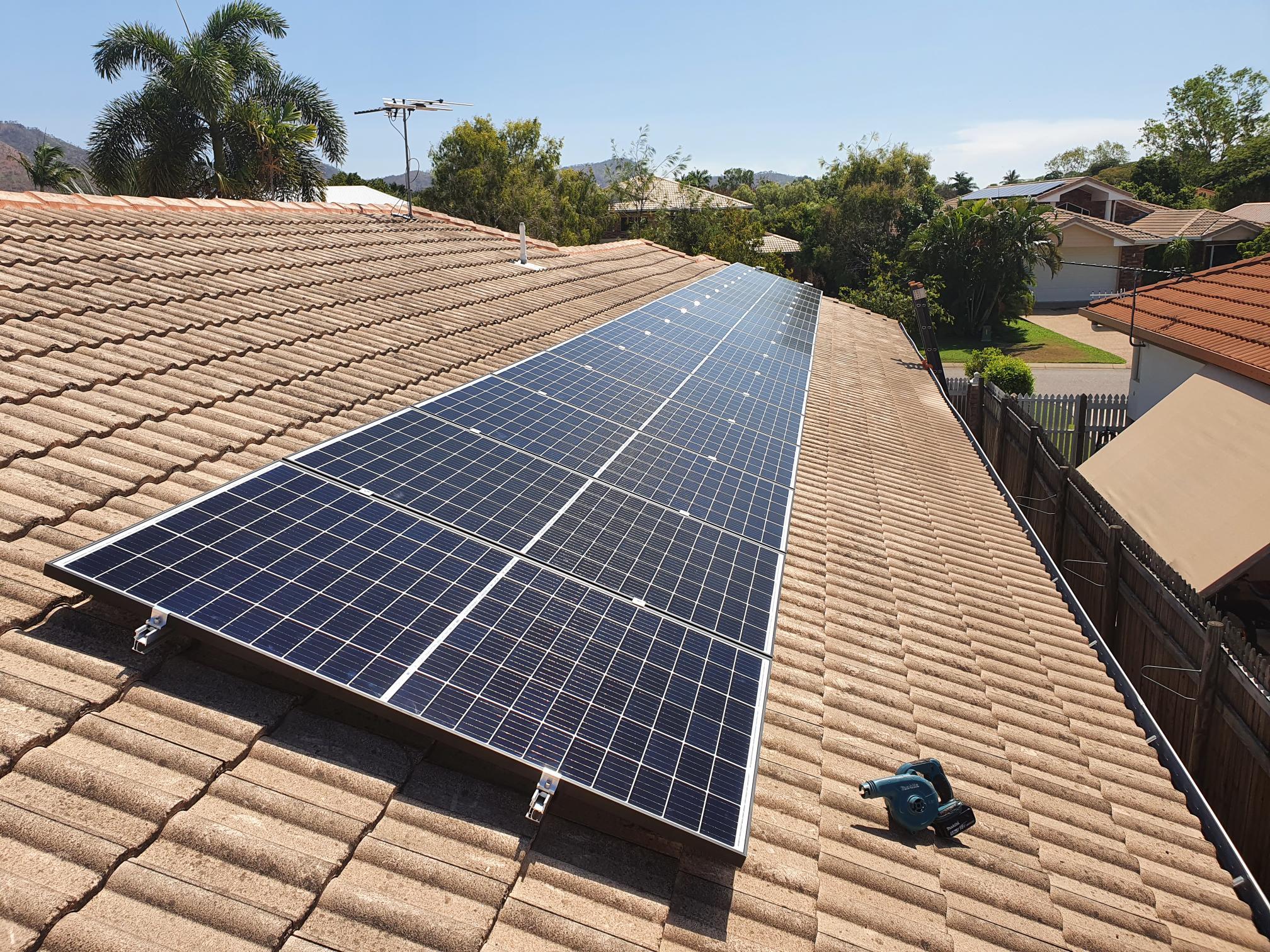
Hanwha Qcells solar panels are a leading choice for residential energy systems, recognized for their high efficiency, robust weather resistance, and industry-leading performance warranties. For homeowners looking to transition to renewable energy, these modules offer a reliable, cost-effective balance between advanced manufacturing technology and long-term durability, making them a staple in the modern residential solar market.
Understanding Hanwha Qcells Technology
Hanwha Qcells, a division of the South Korean conglomerate Hanwha Group, has solidified its position in the global solar industry through consistent investment in research and development. Unlike many competitors that rely solely on outsourced manufacturing, the company maintains high-level quality control protocols, particularly in its manufacturing hubs in Georgia, USA, and various global locations.
The core of their residential offering is the Q.ANTUM technology. This proprietary architecture utilizes Passivated Emitter and Rear Cell (PERC) technology. By adding a passivation layer to the rear of the solar cell, Hanwha enables light that would otherwise pass through the silicon to be reflected back into the cell for a second attempt at energy conversion. This increases the overall efficiency of the panel, allowing smaller roof footprints to generate significant electricity. In 2026, the current generation of these panels continues to demonstrate high efficiency ratings, typically ranging between 20% and 22%, which is competitive for standard residential applications.
Key Features of Residential Hanwha Solar Panels
When evaluating solar panels for your home, understanding the physical and technical specifications is essential for long-term satisfaction. Hanwha panels are engineered with several specific features intended to address the unique challenges of residential rooftop environments.
- Q.ANTUM DUO Technology: This involves a combination of half-cut cell technology and six-busbar (or higher) design. By cutting cells in half, the electrical resistance is reduced, which lowers thermal stress and minimizes power loss. The multi-busbar system ensures that even if a cell develops a micro-crack, the flow of electrons is maintained, preventing significant power drops.
- Weather Durability: These panels are built to withstand heavy snow loads and high wind pressures. Their framing is reinforced, and the glass surfaces are tempered to resist impact from hail and debris. This mechanical strength is verified through rigorous testing, including PIDE (Potential Induced Degradation) resistance, ensuring that the panels do not lose efficiency prematurely due to environmental factors.
- Low Light Performance: Residential rooftops often face partial shade or cloudy conditions. Hanwha cells are designed to maintain high output even during diffuse light conditions, providing a more consistent energy yield throughout the day compared to entry-level budget modules.
Performance and Durability Expectations
The reliability of a solar installation is defined by the degradation rate and the warranty coverage. Hanwha Qcells are known for their "End of Life" performance guarantees. Most residential products come with a 25-year performance warranty, which guarantees that the panels will produce a specific percentage of their original rated power output after two and a half decades.
In many cases, the degradation rate is limited to roughly 0.5% per year, ensuring that even after 25 years, the panel remains significantly effective. This is critical for homeowners because solar installations are long-term capital assets. The company's financial stability, backed by the broader Hanwha conglomerate, provides additional peace of mind that the warranty will actually be enforceable if a claim is necessary.
Comparison of Key Factors
To determine if Hanwha Qcells are the right fit for your home, it is helpful to compare their attributes against industry standards.
| Feature | Hanwha Qcells (Standard) | Industry Average | Impact for Homeowner |
|---|---|---|---|
| Efficiency Rating | 20% - 22% | 18% - 20% | More power in less space |
| Warranty Period | 25 Years | 10 - 25 Years | Longer financial protection |
| Degradation Rate | ~0.5% per year | 0.6% - 0.8% | Higher yield over time |
| Temperature Coeff. | -0.34%/°C | -0.40%/°C | Better performance in heat |
Cost Considerations and Financial Viability
The cost of a solar installation is not just the price of the panels, but the total "all-in" cost including inverters, mounting hardware, labor, and permits. Hanwha panels are widely considered a "tier-one" product that provides high value. While they are not the cheapest panels on the market—those slots are typically held by budget-tier imports—they offer a superior price-to-performance ratio.
In 2026, homeowners should consider the impact of federal tax credits and local incentives. Because Hanwha has significant domestic manufacturing capacity in the United States, many of their products may qualify for specific domestic content bonuses or state-level incentives that prioritize locally manufactured hardware. Always consult with your local installer to verify if your specific model selection qualifies for these financial levers, as they can reduce the total cost of your installation by 30% or more.
Practical Installation Challenges
Installation is a specialized trade. Even the highest-quality panel can underperform if it is installed incorrectly. When working with an installer, ensure they are certified to handle Hanwha equipment.
Common installation hurdles include:
- Shade Management: If your roof has significant obstructions (chimneys, trees, vents), ask your installer about using micro-inverters or power optimizers alongside the panels. This ensures that the shading of one panel does not bring down the performance of the entire array.
- Roof Integrity: Solar panels add weight and require roof penetrations. A reputable installer will perform a structural assessment to ensure your roof rafters can support the weight of the system for 25+ years.
- Local Utility Interconnection: Before finalizing your purchase, ensure the installer handles the "Permission to Operate" (PTO) process with your utility company. This is the legal milestone that allows you to connect your system to the grid and begin net-metering.
Common Questions About Hanwha Solar Panels
Are Hanwha solar panels efficient enough for small roofs? Yes. Because Hanwha uses high-efficiency monocrystalline PERC cells, their panels produce more wattage per square foot than standard polycrystalline modules. This makes them ideal for homes with limited roof space that need to maximize electricity generation.
Do Hanwha panels come with a warranty for labor? Typically, the product and performance warranty are provided by Hanwha, while the labor warranty is provided by the installation company. When choosing an installer, ensure they offer a robust workmanship warranty to cover any installation-related issues for at least 10 years.
How do they handle extreme heat? Hanwha panels have a low temperature coefficient. All solar panels lose some efficiency as they get hotter, but Hanwha's engineering minimizes this loss. This makes them a strong choice for regions with high summer temperatures where standard panels might see significant performance drops.
Can I install these myself? While solar installation involves electrical work that could be performed by a skilled individual, most jurisdictions require a licensed electrician and building permits to approve the system. Furthermore, self-installation usually voids the manufacturer's warranty and makes you ineligible for many federal and state tax incentives. Professional installation is highly recommended.
Is Hanwha a reputable brand in the solar industry? Hanwha Qcells is consistently ranked as a tier-one solar manufacturer. Their scale of operations, focus on solar-specific R&D, and consistent presence in high-regulation markets like the U.S. and Europe establish them as a reliable, long-term player in the industry.
Final Recommendations
For the average homeowner, Hanwha solar panels represent a "goldilocks" solution. They avoid the premium pricing of high-end boutique panels while offering performance and reliability metrics that far exceed generic budget alternatives.
To proceed with your installation, start by obtaining three separate quotes from certified installers in your area. Ask each installer specifically for a quote using Hanwha Qcells modules. Compare the proposed system size, the estimated annual production, and the total system warranty. By focusing on these factors, you can move forward with a solar installation that provides clean energy, long-term financial savings, and peace of mind for the next quarter-century.