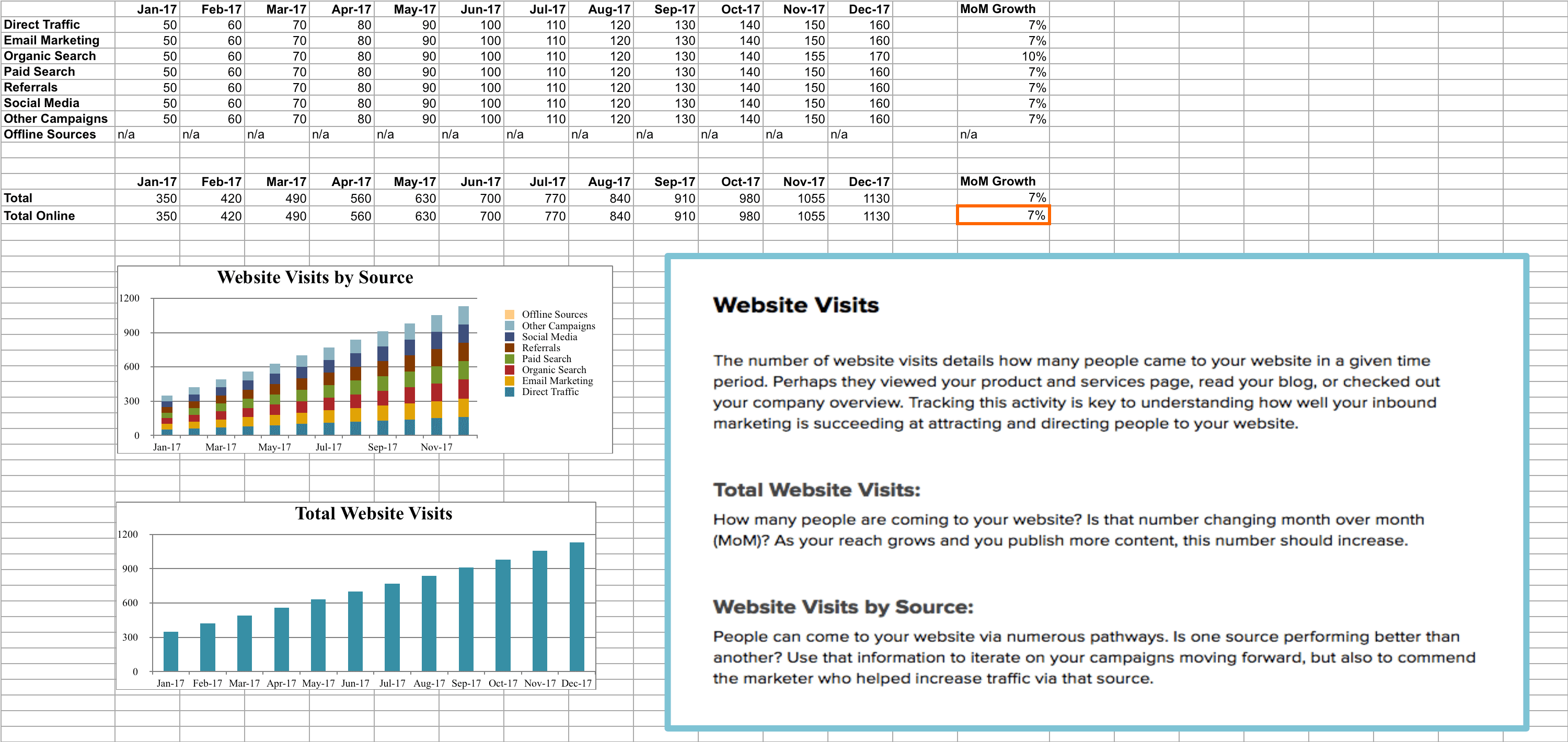
A market analysis report is a structured evaluation of a specific industry, target audience, and competitive landscape designed to guide strategic business decisions. By combining primary data, secondary research, and structured formatting, organizations can assess market viability, identify growth opportunities, and mitigate financial risks before launching new products or entering unfamiliar territories.
Understanding the Purpose of a Market Analysis Report
Before gathering data or drafting a single page, you must understand what a market analysis report achieves. At its core, this document translates raw economic indicators, customer feedback, and competitor metrics into actionable intelligence. Whether you are seeking venture capital, applying for a commercial loan, or mapping out a five-year corporate expansion, your report provides the empirical foundation for your strategic assumptions.
Many business leaders confuse a market analysis with a business plan. While a market analysis report often lives inside a larger business plan, it functions as a standalone investigative study. It asks critical questions: Who is buying? What are they paying? Who are the dominant players? What regulatory barriers exist? By answering these questions systematically, you reduce the likelihood of building a product or service that lacks genuine market demand.
To ensure your document is effective, you must distinguish between qualitative insights and quantitative data. Quantitative data—such as total addressable market size, compound annual growth rate, and pricing tiers—provides the mathematical framework. Qualitative data—such as customer pain points, brand perception, and shifting consumer preferences—explains the behavioral drivers behind those numbers. A complete market analysis report example balances both perspectives to paint an accurate picture of the economic environment.
Defining Your Scope and Objectives
Every successful report begins with a clearly defined scope. Attempting to analyze an entire global industry without boundaries leads to bloated, unfocused documentation that fails to answer specific business questions. You must narrow your focus based on your company's immediate operational goals, geographical footprint, and target demographic.
Start by writing down your core business objective. Are you evaluating the feasibility of a software-as-a-service application in the healthcare sector? Are you exploring the export of a physical manufacturing product to a neighboring country? Your objective dictates which metrics matter most. For instance, a retail expansion requires deep demographic and foot-traffic analysis, whereas a business-to-business enterprise software launch relies heavily on workflow integration metrics and industry-specific pain points.
Next, establish your operational timeline and geographic boundaries. Define whether your target market is local, regional, national, or international. Establish the timeframe for your historical data—typically the past three to five years—and your forecast period, which usually projects three to five years into the future. Setting these parameters early prevents scope creep and keeps your research team aligned with executive expectations.
Key Components of a Standard Market Analysis Report
While exact structures vary depending on organizational needs and industry standards, a comprehensive market analysis report follows a predictable logical architecture. Each section builds upon the previous one, guiding the reader from macro-level economic realities down to micro-level competitive positioning.
The following table outlines the standard structural components of a professional market analysis report, detailing the core focus and primary data sources for each section:
| Report Section | Core Focus | Primary Data Sources |
|---|---|---|
| Executive Summary | High-level synthesis of findings, key metrics, and strategic recommendations. | Derived from all subsequent sections of the completed report. |
| Industry Overview & Trends | Macroeconomic conditions, market size, growth rates, and regulatory changes. | Government statistics, trade association reports, macroeconomic databases. |
| Target Market & Segmentation | Demographic, psychographic, and behavioral profiles of ideal buyers. | Customer surveys, focus groups, CRM analytics, census data. |
| Competitive Analysis | Profiles of direct and indirect competitors, market share, and SWOT assessments. | Competitor websites, financial statements, product testing, review platforms. |
| Pricing & Distribution Analysis | Prevailing price points, margin structures, and supply chain logistics. | Industry benchmarks, supplier catalogs, retail audits. |
| Strategic Recommendations | Actionable next steps, risk mitigation strategies, and projected milestones. | Synthesis of research findings and organizational capabilities. |
Executive Summary
The executive summary is the most critical part of your report, yet it is written last. Many stakeholders—including investors, board members, and busy executives—will read only this section. It must condense a thirty-page document into a powerful, two-page overview.
Your summary should state the core problem or opportunity, highlight the most compelling data points regarding market size and growth, summarize your primary competitive advantage, and outline your ultimate strategic recommendation. Avoid vague generalizations; use precise figures, such as stating that the target market is valued at 450 million dollars with a projected compound annual growth rate of 6.2 percent through 2030.
Industry Overview and Trends
The industry overview sets the macroeconomic stage. In this section, you examine the broader sector in which your business operates. You should calculate or cite the Total Addressable Market (TAM), Serviceable Available Market (SAM), and Serviceable Obtainable Market (SOM).
- Total Addressable Market (TAM): The total revenue opportunity available for a product or service if 100 percent market share is achieved.
- Serviceable Available Market (SAM): The segment of the TAM targeted by your products and services and within your geographic reach.
- Serviceable Obtainable Market (SOM): The portion of the SAM that you can realistically capture given your marketing resources and competition.
Beyond market sizing, discuss current macroeconomic trends. Are technological advancements, such as artificial intelligence automation or shifting supply chain dynamics, disrupting the industry? Are new environmental regulations or tax policies altering cost structures? Citing reputable third-party sources, such as the U.S. Census Bureau, Eurostat, or established industry trade publications, lends immense credibility to your analysis.
Target Market and Segmentation
A common pitfall in market research is assuming that "everyone" is your customer. To build a credible report, you must segment your audience into distinct, measurable groups based on shared characteristics.
For consumer markets (B2C), segmentation typically relies on demographics (age, gender, income, education), geographic location, psychographics (lifestyle, values, social class), and behavioral patterns (brand loyalty, usage rate, purchasing triggers). For business markets (B2B), segmentation focuses on firmographics (industry, company size, revenue), operational practices, purchasing approaches, and technological infrastructure.
Once you have segmented your audience, develop detailed buyer personas for each primary group. Describe their daily frustrations, their purchasing criteria, and the specific channels they use to discover new products. Incorporate real data from customer interviews, surveys, or digital analytics rather than relying on internal assumptions.
Competitive Analysis
You cannot understand your position without evaluating your rivals. A rigorous competitive analysis goes beyond listing company names; it dissects their strengths, weaknesses, product offerings, pricing strategies, and market positioning.
Categorize your competition into three distinct tiers:
- Direct Competitors: Companies offering the exact same product or service to the same target audience.
- Indirect Competitors: Companies offering alternative solutions that solve the same underlying customer problem.
- Replacement Competitors: Status quo solutions, such as manual spreadsheets or internal workarounds, that customers use instead of purchasing a commercial product.
For each major competitor, conduct a SWOT analysis examining their Strengths, Weaknesses, Opportunities, and Threats. Review their customer feedback on public forums and review sites to identify gaps in their service delivery. These gaps represent your primary market entry points.
Pricing and Distribution Analysis
How much are customers willing to pay, and how do products actually reach their hands? The pricing and distribution section answers these questions by evaluating prevailing market rates and logistics channels.
Analyze the pricing models used within your industry—whether subscription-based, tiered, value-based, or cost-plus. Determine the price elasticity of your target audience; understand whether a minor price increase will drastically reduce demand or if consumers view the product as a premium necessity.
Simultaneously, map out the distribution channels. Do companies in your sector sell primarily through direct-to-consumer e-commerce websites, wholesale distributors, value-added resellers, or brick-and-mortar retail partnerships? Evaluate the margins associated with each channel to ensure your operational cost structure remains sustainable.
Step-by-Step Methodology for Building Your Report
Gathering information and structuring headings is only half the battle. You need a repeatable workflow to transform raw research into a polished final document. The following step-by-step methodology outlines how to execute a market analysis from conception to completion.
Step 1: Establish Objectives and Assign Roles
Define the scope of the project, assign specific research tasks to team members or external consultants, and establish a strict completion timeline. Ensure everyone understands whether the report is intended for internal strategic planning or external fundraising.
Step 2: Conduct Secondary Research
Begin with desktop research to gather macroeconomic data, industry reports, census figures, and competitor financials. Utilize public databases, academic journals, and subscription-based market intelligence platforms like Statista, IBISWorld, or PitchBook. Compile your findings into a centralized knowledge repository.
Step 3: Execute Primary Research
Fill the gaps left by secondary research by conducting original investigations. Design quantitative surveys distributed to your target demographic, organize focus groups, and interview industry experts or potential clients. Ensure your sample sizes are statistically significant to avoid skewed conclusions.
Step 4: Synthesize Data and Identify Patterns
Analyze the collected data to spot trends, anomalies, and correlations. Compare your primary survey results against broader secondary industry benchmarks. Look for unmet customer needs or market saturation points that validate your business hypothesis.
Step 5: Draft and Format the Report
Write the report following the standard structural components outlined earlier. Use clear headings, bulleted lists, and the Markdown table format to present complex comparisons cleanly. Ensure every major claim is supported by a cited data source.
Step 6: Review, Verify, and Refine
Subject the draft to rigorous editorial review. Fact-check all statistical figures, verify that URLs or citations point to genuine sources, and check for internal consistency. Have a stakeholder who was not involved in the research read the executive summary to confirm that the strategic narrative is clear and persuasive.
Common Mistakes to Avoid in Market Analysis Reports
Even experienced business analysts occasionally fall into traps that undermine the credibility of their reports. Being aware of these pitfalls allows you to maintain objective, high-quality standards throughout your research process.
- Confirmation Bias: The most dangerous error is selectively gathering data that supports your preconceived business idea while ignoring contradictory evidence. Your report must present an objective reality, including market threats and operational risks.
- Relying Solely on Secondary Data: While desktop research is efficient, relying entirely on generalized reports published years ago leaves your business blind to immediate, localized shifts in consumer behavior. Always supplement with primary research.
- Ignoring Indirect Competitors: Focusing exclusively on companies that look identical to yours causes you to miss disruptive alternatives. For instance, traditional tax software companies often failed to view automated financial apps as competitors until significant market share was lost.
- Vague Audience Definitions: Claiming your market is "small business owners aged 18 to 65" is far too broad. Precision in segmentation allows for targeted marketing and realistic financial projections.
- Outdated Statistics: Citing economic data from a decade ago invalidates your strategic conclusions, particularly in fast-moving technology or digital commerce sectors. Always verify the publication date of your sources.
Frequently Asked Questions
What is the difference between primary and secondary market research?
Primary research involves gathering original data directly from your target audience through surveys, interviews, and focus groups. Secondary research involves analyzing existing data, reports, and statistics published by third parties, such as government agencies, trade associations, or market research firms.
How far into the future should financial and market projections extend?
Most standard market analysis reports project trends and market sizing between three to five years into the future. Projections beyond five years carry an unacceptably high degree of uncertainty due to rapid technological and macroeconomic shifts.
Do I need expensive subscription databases to build a market analysis report?
No. While platforms like IBISWorld or Gartner provide deep industry insights, you can build a highly effective report using free public resources, including census bureaus, central bank economic data, public company financial filings, trade journals, and direct customer surveys.
How often should a market analysis report be updated?
A market analysis report is not a static document. In fast-paced industries, you should review and update your core assumptions quarterly, conducting a comprehensive overhaul of the entire report annually to reflect shifting competitor landscapes and macroeconomic conditions.
Can a market analysis report be used to secure business loans?
Yes. Commercial lenders and venture capitalists routinely require a rigorous market analysis report to verify that a viable customer base exists and that the borrower understands the competitive risks before issuing capital.
Conclusion and Next Actions
Building a comprehensive market analysis report requires disciplined research, objective data synthesis, and structured storytelling. By defining your scope, balancing primary and secondary data, and thoroughly evaluating your industry, target audience, and competitors, you transform raw information into strategic foresight. Begin your next report by clearly outlining your core business objectives, assembling your data collection sources, and drafting your executive summary around verified, empirical evidence.