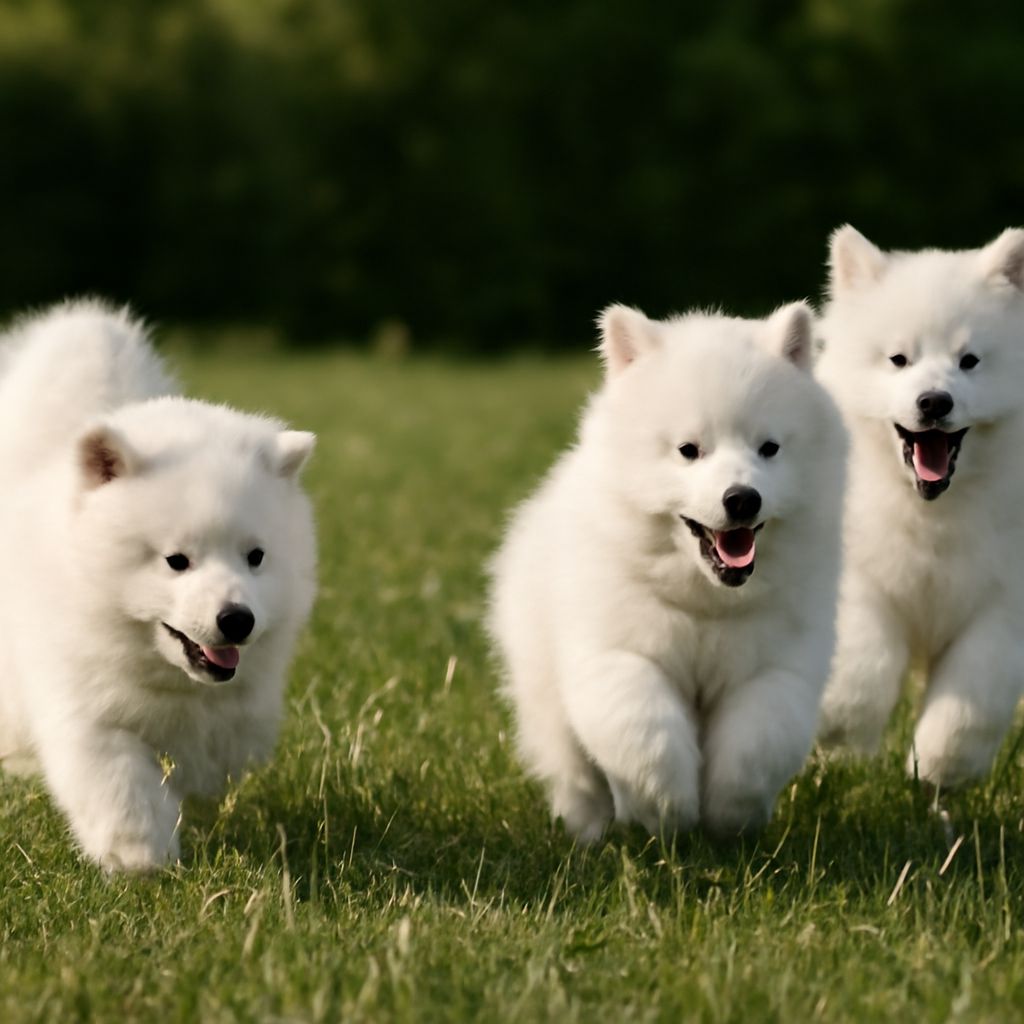
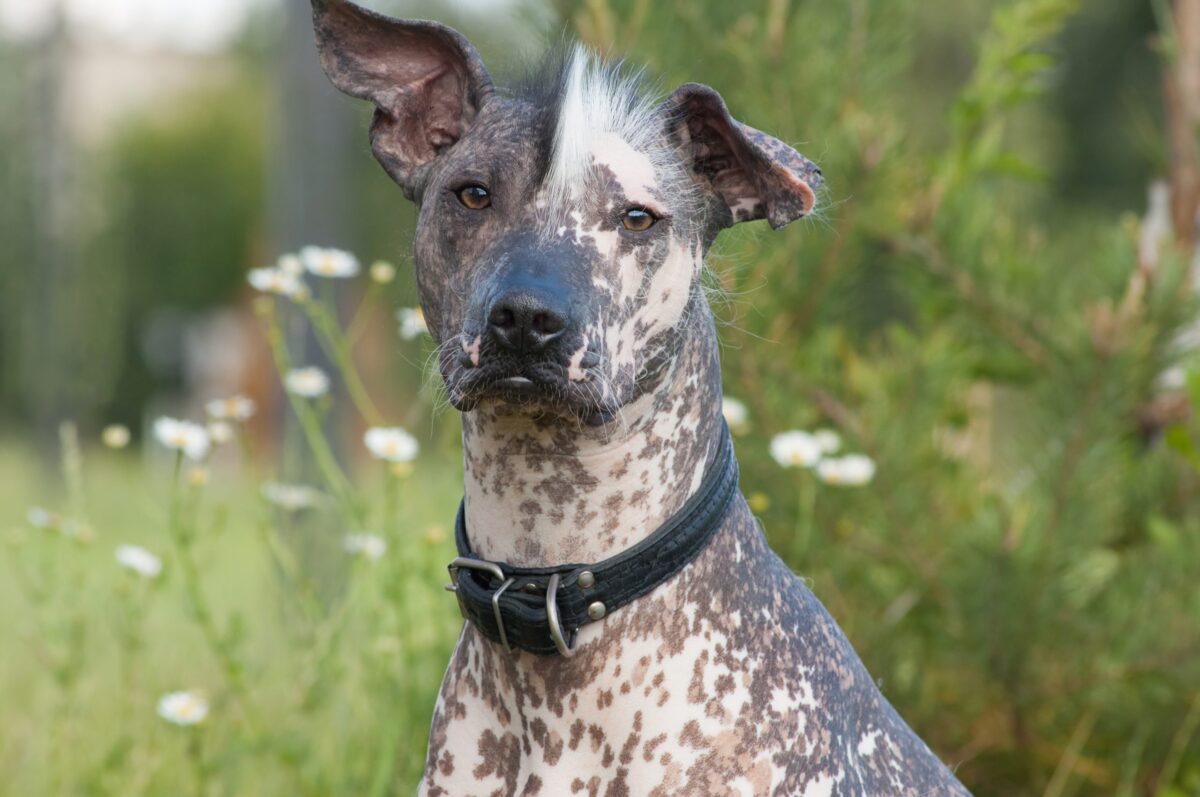
The Dogo Argentino is a large, white, muscular breed developed in Argentina primarily for big-game hunting and steadfast guardianship. Characterized by its immense strength, high intelligence, and unwavering loyalty, it requires an experienced owner capable of providing rigorous training, early socialization, and significant physical exercise to manage its powerful hunting instincts.
While South America is home to several unique canine varieties, the Dogo Argentino stands as the most internationally recognized and versatile representative of the continent’s breeding history. Created in the early 20th century, this breed was designed to be the ultimate pack-hunting dog, capable of taking down formidable prey like wild boar and pumas, while remaining a gentle protector of its human family. As of 2026, the Dogo Argentino continues to gain popularity globally, moving beyond its roots as a working dog in the Pampas to become a respected competitor in dog sports and a dedicated companion in households equipped to handle its specific needs.
The Vision of Dr. Antonio Nores Martínez: A Historical Blueprint
The history of the Dogo Argentino is not one of accidental evolution but of meticulous genetic engineering. In 1928, Dr. Antonio Nores Martínez, a young surgeon and dog enthusiast in the Córdoba region of Argentina, set out to create a dog that could handle the diverse and often dangerous terrain of his homeland. His goal was to produce a canine athlete that possessed the courage of a fighter, the nose of a hunter, and the temperament of a loyal family member.
The foundation of the breed was the now-extinct Old Cordoba Fighting Dog. While this local breed was known for its ferocity and willingness to fight to the death, it was problematic for hunting because it was often too aggressive toward other dogs in a pack. Dr. Martínez spent decades crossbreeding the Cordoba dog with nine other distinct breeds to refine specific traits:
- Great Dane: For height and physical stature.
- Boxer: For agility and a stable temperament.
- Spanish Mastiff: For raw power and endurance.
- Old English Bulldog: For a broad chest and tenacious "bite and hold" instinct.
- Bull Terrier: For fearlessness and a high pain tolerance.
- Great Pyrenees: For the stark white coat (visibility in the field) and hardiness.
- Pointer: For an enhanced sense of smell and tracking ability.
- Irish Wolfhound: For the speed necessary to chase down fleet-footed prey.
- Dogue de Bordeaux: For powerful jaws and protective instincts.
By 1947, the breed standard was formalized. Tragically, Dr. Martínez was murdered during a hunting trip in 1956, but his brother, Agustin Nores Martínez, took up the mantle. Through his efforts, the Dogo Argentino gained international recognition, eventually becoming the first and only Argentine breed to be accepted by the Fédération Cynologique Internationale (FCI) in 1973.
Physical Characteristics: The "White Gladiator"
The Dogo Argentino is often referred to as the "White Gladiator," a name that reflects both its appearance and its stoic nature. Physically, the breed is a study in functional power.
Size and Proportions
A mature Dogo Argentino typically stands between 24 and 27 inches (60 to 68 cm) at the shoulder, with males being slightly larger and more robust than females. Weight ranges from 80 to 100 pounds (36 to 45 kg). The body is slightly longer than it is tall, providing a low center of gravity that is essential for wrestling large animals. The musculature is prominent and "dry," meaning the muscles are clearly visible beneath the skin without excessive fat or loose folds.
The Head and Expression
The head is perhaps the most defining feature of the breed. It is massive, with a convex-concave profile that indicates powerful jaw muscles. The skull is solid, and the muzzle is slightly shorter than the skull, ending in a large black nose with wide nostrils. The eyes are dark or hazel, set well apart, and convey an expression of alertness and intelligence. Historically, the ears were cropped to prevent them from being torn during hunts, but as of 2026, natural, drop ears are increasingly common and even required in many jurisdictions where cosmetic docking and cropping are prohibited.
The Coat and Color
The coat is short, plain, and smooth to the touch. The only permissible color is pure white. This white coat was a tactical choice by Dr. Martínez; it allowed hunters to easily distinguish the dog from the dark-colored wild boar or the tawny puma in the dense brush of the Argentine wilderness. A single dark patch on the head (known as a "pirata" or pirate patch) is permitted by some kennel clubs, provided it does not cover more than 10% of the head, though pure white remains the ideal.
Temperament and Social Dynamics
Understanding the Dogo Argentino’s temperament requires acknowledging its dual nature: it is both a fierce hunter and a "Velcro dog" that craves human affection.
Loyalty and Affection
Within the home, the Dogo is famously devoted. They are known for following their owners from room to room and often believe they are lap dogs despite their size. They are generally patient and gentle with children from their own family, often assuming a protective "nanny" role. However, because of their size and strength, interactions with small children should always be supervised.
Guardian Instincts
The breed possesses a natural, territorial guardian instinct. They do not typically bark without reason; if a Dogo Argentino is vocalizing, it is usually because they have detected a genuine threat. While they are not inherently aggressive toward humans, they are wary of strangers. Proper introductions are essential to ensure the dog understands who is a welcomed guest.
Prey Drive and Animal Aggression
Because they were bred to hunt in packs, Dogos should ideally be socialized to work alongside other dogs. However, their high prey drive is a fundamental part of their DNA. This means they may view smaller pets, such as cats or small dog breeds, as prey unless they are raised with them from a very young age. Even then, their instincts can be triggered by fast movement. In 2026, many trainers emphasize that "prey drive management" is a lifelong commitment for Dogo owners.
Training and Exercise Requirements
This is not a breed for the casual owner. The Dogo Argentino requires a leader who is firm, consistent, and uses positive reinforcement techniques.
Early Socialization
The window for socialization is narrow. Between the ages of 8 weeks and 16 weeks, a Dogo puppy must be exposed to a wide variety of people, sounds, environments, and other animals. Failure to do so can result in a dog that is overly reactive or fearful, which—in a 90-pound powerhouse—can be dangerous.
Obedience Training
Standard obedience is just the beginning. The Dogo Argentino is highly intelligent and can become bored with repetitive tasks. Training sessions should be engaging and challenging. They excel in advanced activities like weight pulling, tracking, and protection sports (Schutzhund/IGP), provided the trainer understands the breed's independent streak.
Physical and Mental Stimulation
A bored Dogo Argentino is a destructive Dogo Argentino. They require at least 60 to 90 minutes of vigorous exercise daily. This should include more than just a walk; hiking, running, or fetch in a securely fenced yard are necessary to burn off their energy. Mental stimulation through puzzle toys and nose work is equally important to satisfy their working-dog heritage.
Health and Longevity
The Dogo Argentino is a generally hardy breed with a lifespan of 10 to 12 years. However, like all large breeds and particularly those with white coats, they are predisposed to certain genetic conditions.
| Condition | Description | Screening/Prevention |
|---|---|---|
| Congenital Deafness | Approximately 10% of Dogos are born deaf in one or both ears due to lack of pigment in the inner ear. | BAER (Brainstem Auditory Evoked Response) testing at 7-8 weeks. |
| Hip Dysplasia | A malformation of the hip joint that can lead to arthritis and mobility issues. | OFA (Orthopedic Foundation for Animals) or PennHIP evaluations. |
| Hypothyroidism | A hormonal imbalance that can affect metabolism, coat quality, and energy levels. | Routine blood panels and thyroid testing. |
| Skin Allergies | Sensitive skin that may react to certain environmental allergens or food ingredients. | High-quality diet and avoiding harsh grooming chemicals. |
| Gastric Torsion (Bloat) | A life-threatening condition where the stomach twists on itself. | Feeding smaller, frequent meals and avoiding exercise after eating. |
Comparing South American Breeds
While the Dogo Argentino is the most famous, it shares the continent with several other specialized breeds. Understanding the differences helps prospective owners choose the right fit for their lifestyle.
Dogo Argentino vs. Fila Brasileiro vs. Brazilian Terrier
| Feature | Dogo Argentino | Fila Brasileiro | Brazilian Terrier (Fox Paulistinha) |
|---|---|---|---|
| Origin | Argentina | Brazil | Brazil |
| Primary Role | Big Game Hunter / Guardian | Estate Guardian / Livestock Hunter | Vermin Hunter / Companion |
| Size | Large (80-100 lbs) | Extra Large (100-180 lbs) | Small (15-22 lbs) |
| Temperament | Active, Social, Tenacious | Solemn, Intensely Loyal, Wary | Energetic, Playful, Alert |
| Maintenance | High Exercise / High Training | High Space / Professional Handling | Moderate Exercise / Easy Grooming |
| Legal Status | Restricted in some countries | Heavily restricted/Banned in many | Widely permitted |
Legal Status and Breed-Specific Legislation (BSL)
In 2026, the Dogo Argentino remains a subject of Breed-Specific Legislation in various parts of the world. Because of its history and powerful appearance, it is banned or restricted in countries such as the United Kingdom (under the Dangerous Dogs Act), Australia, New Zealand, and Singapore.
In the United States, while the breed was officially recognized by the American Kennel Club (AKC) in 2020, some municipalities and housing complexes still include the Dogo on restricted breed lists. Prospective owners must check local ordinances and insurance policies before acquiring a Dogo Argentino. Responsible ownership—including secure fencing and leashed walking—is the best way to combat the stigma surrounding the breed.
Dietary and Maintenance Considerations
Feeding a Dogo Argentino requires a balance of high-quality protein and controlled calorie intake to prevent rapid growth in puppies, which can exacerbate joint issues. Many owners in 2026 opt for large-breed specific formulas that contain glucosamine and chondroitin for joint support.
Grooming is relatively low-maintenance. Their short coat sheds moderately year-round and requires weekly brushing with a rubber curry comb to remove dead hair. Because of their white coats and sensitive skin, they are prone to sunburn; owners should limit their time in direct, intense sunlight or use dog-safe sunscreen on exposed areas like the nose and ears.
Frequently Asked Questions
Is the Dogo Argentino a good family dog?
Yes, but with caveats. The Dogo Argentino is intensely loyal and affectionate toward its family members. However, its high energy and massive strength mean it can accidentally knock over small children. It is best suited for families with older children who understand how to interact with a large, powerful dog and for owners who have previous experience with guardian breeds.
Can a Dogo Argentino live in an apartment?
While it is possible if the dog receives several hours of intense exercise daily, it is not recommended. The Dogo Argentino thrives in an environment with a large, securely fenced yard where it can move freely. They are also vocal when they perceive a threat, which can lead to noise complaints in close-quarters living.
How do I find a reputable Dogo Argentino breeder?
Reputable breeders will prioritize health testing over appearance or "toughness." They should provide BAER test results for deafness and OFA/PennHIP clearances for hips and elbows. Avoid breeders who market their dogs as "extra-large," "aggressive," or "king-sized," as these are not traits of a well-bred Dogo Argentino.
Are Dogo Argentinos aggressive toward other dogs?
They can be. While they were bred to hunt in packs, their history involves the Cordoba Fighting Dog, which can manifest as same-sex aggression or a low tolerance for "rude" behavior from other dogs. Early, consistent socialization is the key to managing these tendencies, but many Dogo owners choose to have their dog be the only pet in the household to avoid potential conflict.
What is the average cost of a Dogo Argentino in 2026?
In 2026, a Dogo Argentino puppy from a reputable, health-tested breeder typically costs between $2,500 and $4,500. This price reflects the extensive health screenings, pedigree research, and care required to raise a healthy litter. Potential owners should also budget for high insurance premiums and significant food costs.
Final Recommendations for Potential Owners
The Dogo Argentino is a magnificent testament to South American breeding expertise, but it is a "specialist" dog that requires a "specialist" owner. If you are considering this breed, your next steps should be:
- Verify Local Laws: Ensure the breed is legal to own in your city and that your homeowner’s insurance covers "Working Group" breeds.
- Meet the Breed: Visit a Dogo Argentino specialty show or contact a regional breed club to spend time with adult dogs. Seeing their power and size in person is different from reading about them.
- Audit Your Schedule: Be honest about whether you can commit to 90 minutes of active exercise and 20 minutes of training every single day.
- Prioritize Health Testing: Never purchase a puppy without seeing a BAER test certificate. Deafness is a significant challenge in this breed that requires specialized training techniques.
For the right owner, the Dogo Argentino is more than just a pet; it is a tireless protector, a silent partner on the trail, and a devoted member of the family.