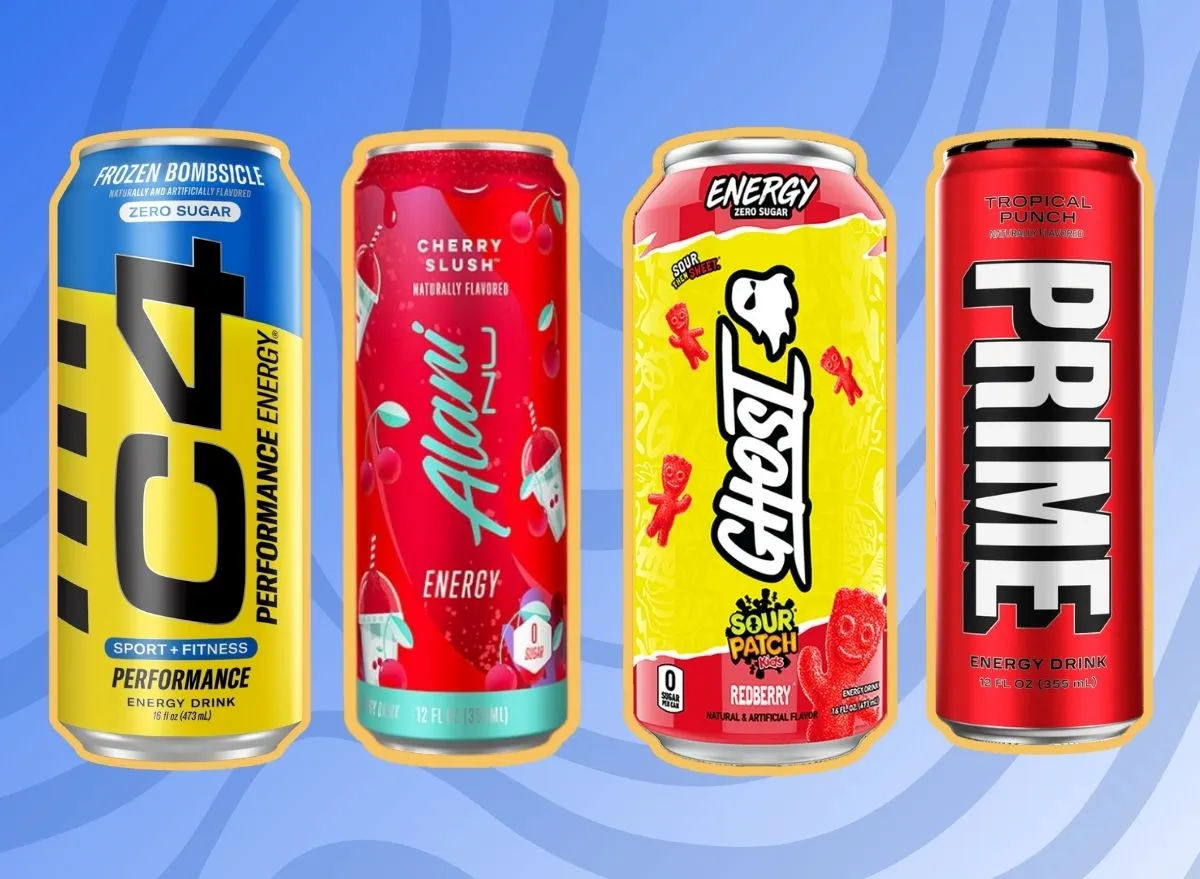
Energy drinks are functional beverages designed to provide a short-term boost in alertness and physical performance through a combination of stimulants, primarily caffeine, alongside amino acids, vitamins, and sugar or alternative sweeteners. With the market expanding significantly by 2026, navigating these options requires an understanding of their core ingredients, physiological effects, and the distinctions between various product categories.
Understanding the Energy Drink Landscape
The energy drink market has evolved from simple caffeinated sodas into complex formulations tailored to specific consumer segments, including athletes, gamers, and office professionals. In 2026, these beverages are categorized based on their intended use, ingredient profiles, and caloric density. While most rely on the mechanism of caffeine to block adenosine receptors in the brain—thereby reducing perceived fatigue—the supporting ingredients often dictate how that energy is perceived and sustained.
When choosing an energy drink, one must look beyond branding and focus on the standardized labeling of active ingredients. Most mainstream products utilize synthetic caffeine, though some "natural" energy lines have gained traction by sourcing caffeine from green coffee bean extract, guarana, or yerba mate. The efficacy of these products is largely dose-dependent, and understanding the concentration of these substances is essential for safe consumption.
Core Ingredients and Their Physiological Functions
Most popular energy drinks share a common chemical architecture. While specific dosages vary, the following components are foundational to the functional performance of these products:
- Caffeine: The primary stimulant. It acts as an antagonist to adenosine, a neurotransmitter that promotes sleep and relaxation. By inhibiting these receptors, caffeine induces a state of heightened alertness.
- Taurine: An amino acid that occurs naturally in the body. While often associated with energy, its primary role in energy drinks is frequently as a metabolic regulator and a counterbalance to the over-stimulation caused by high caffeine levels.
- B-Vitamins (B3, B6, B12): These are included to assist in the conversion of nutrients into energy. While they do not provide energy directly like calories do, they are essential cofactors for mitochondrial function.
- L-Theanine: Often found in modern "nootropic" energy blends, this amino acid is derived from tea leaves. It is frequently paired with caffeine to promote a state of "calm focus," potentially mitigating the jitteriness or crash associated with high-caffeine consumption.
- Sugar vs. Artificial Sweeteners: The caloric content of an energy drink is determined by its sweetener. Sugary versions provide a rapid glucose spike, while "zero sugar" variants use synthetic sweeteners like sucralose, acesulfame potassium, or stevia to maintain flavor profiles without a glycemic response.
Comparative Analysis of Leading Energy Drink Categories
The following table summarizes the general characteristics of the primary energy drink segments available in 2026.
| Category | Primary Focus | Typical Caffeine Range | Common Additives |
|---|---|---|---|
| Mainstream Sport | Rapid hydration/energy | 80mg – 160mg | Electrolytes, Sugar |
| High-Performance | Endurance/Training | 200mg – 300mg | Beta-Alanine, Citrulline |
| Nootropic/Focus | Cognitive sharpness | 150mg – 200mg | L-Theanine, Choline |
| Sugar-Free/Lifestyle | Daily consumption | 100mg – 200mg | Artificial Sweeteners |
The Role of Nootropics in Modern Formulations
By 2026, the industry has shifted toward "cognitive" energy drinks. Unlike traditional beverages that focus solely on physical stimulation, these products incorporate nootropics—substances that enhance executive function, memory, or creativity. Common inclusions include Alpha-GPC, Lion’s Mane mushroom extract, and Bacopa monnieri.
The target audience for these products is increasingly shifting from high-intensity athletes to students and remote workers who require sustained, crash-free focus rather than a physical heart-rate spike. However, consumers should be aware that clinical evidence for many of these "added" nootropics remains preliminary. Unlike caffeine, which has an extensive body of research supporting its performance-enhancing capabilities, the efficacy of newer herbal additives is often anecdotal and can vary significantly between individuals.
Safety Considerations and Regulatory Awareness
Energy drinks are considered dietary supplements or conventional foods depending on the jurisdiction and labeling. In 2026, regulatory agencies continue to emphasize the importance of caffeine limits. The general scientific consensus suggests that healthy adults can safely consume up to 400 milligrams of caffeine per day from all sources.
Because energy drinks are consumed in liquid form, it is physically easier to ingest high doses of caffeine rapidly compared to coffee or tea. This creates a risk of "caffeine toxicity," characterized by tachycardia (rapid heart rate), hypertension, anxiety, and gastrointestinal distress. It is critical for users to:
- Read the total caffeine content: This is often found on the back of the can, not the front.
- Monitor consumption time: Half-life of caffeine is typically 3 to 5 hours. Consuming drinks in the late afternoon can severely disrupt sleep architecture.
- Respect cardiovascular limits: Individuals with existing heart conditions or sensitivities to stimulants should consult a medical professional before introducing high-caffeine products into their regimen.
Note: This information is for educational purposes and does not constitute medical advice. If you have concerns about heart health, blood pressure, or stimulant sensitivity, consult with your primary care provider.
Common Mistakes When Choosing Energy Drinks
Consumers frequently fall into traps regarding marketing claims. Terms like "clean energy" or "all-natural" are often unregulated in this sector and may simply refer to the source of the caffeine rather than the overall safety profile of the drink. Another common error is failing to account for "hidden" caffeine. Some products include guarana or yerba mate extracts that contain additional caffeine not included in the primary "caffeine content" count on the nutrition label. Always look for the total caffeine specification if provided by the manufacturer.
Furthermore, relying on energy drinks as a primary source of hydration is ineffective. While many drinks contain electrolytes, the concurrent ingestion of high levels of stimulants can act as a mild diuretic, which is counterproductive during intense physical exercise. Water remains the superior choice for rehydration.
FAQ: Addressing Common Consumer Queries
Are "Zero Sugar" energy drinks healthier than regular versions? "Healthier" is relative. Zero-sugar drinks prevent the blood sugar spikes and caloric surplus associated with sugar-sweetened versions, which is beneficial for weight management and metabolic health. However, they still contain high doses of caffeine and artificial ingredients, which carry their own physiological considerations.
Can I drink energy drinks every day? While many people consume them daily, it is not medically recommended as a long-term habit. Chronic reliance on exogenous stimulants can lead to caffeine dependence, where the body requires a higher dose to achieve the same baseline alertness, potentially leading to withdrawal symptoms like headaches or fatigue when intake is skipped.
What is the "crash," and how can I avoid it? The "crash" is typically the result of a rapid drop in blood glucose levels following a sugar spike, or the body reaching the end of the caffeine’s half-life. To minimize this, opt for products with no sugar, or those that include L-Theanine to smooth out the transition as the caffeine effect tapers off.
Are there age restrictions for purchasing energy drinks? While there is no universal federal law prohibiting the sale of energy drinks to minors in many jurisdictions, many major retailers in 2026 have implemented internal policies restricting the sale of high-caffeine energy drinks to individuals under the age of 16 or 18. Always check local store policies.
Do energy drinks actually improve athletic performance? Yes, caffeine is an ergogenic aid. It has been shown in various studies to improve time-to-exhaustion and perceived exertion during endurance exercise. However, the benefits are most pronounced in those who do not have a high daily caffeine tolerance.
Final Recommendation for Consumers
To select the most appropriate energy drink for your needs, start by identifying your objective. If your goal is high-intensity athletic performance, look for products that offer a clean profile with minimal sugar and secondary ingredients like beta-alanine. If you require cognitive focus for tasks, seek out nootropic-enhanced blends. Above all, prioritize transparency—choose brands that clearly list their total milligram content of caffeine per serving. Always maintain your total daily caffeine intake within safe medical guidelines, and prioritize sleep and balanced nutrition as the primary pillars of your energy management strategy.