Ashburn Chemical Technologies specializes in the formulation and manufacturing of specialized industrial fluids, maintenance chemicals, and metalworking products designed to optimize manufacturing performance. The company provides essential coolants, lubricants, and cleaners that support heavy machinery, metal cutting, and plant maintenance operations across diverse industrial sectors.
Introduction to Industrial Chemical Formulations
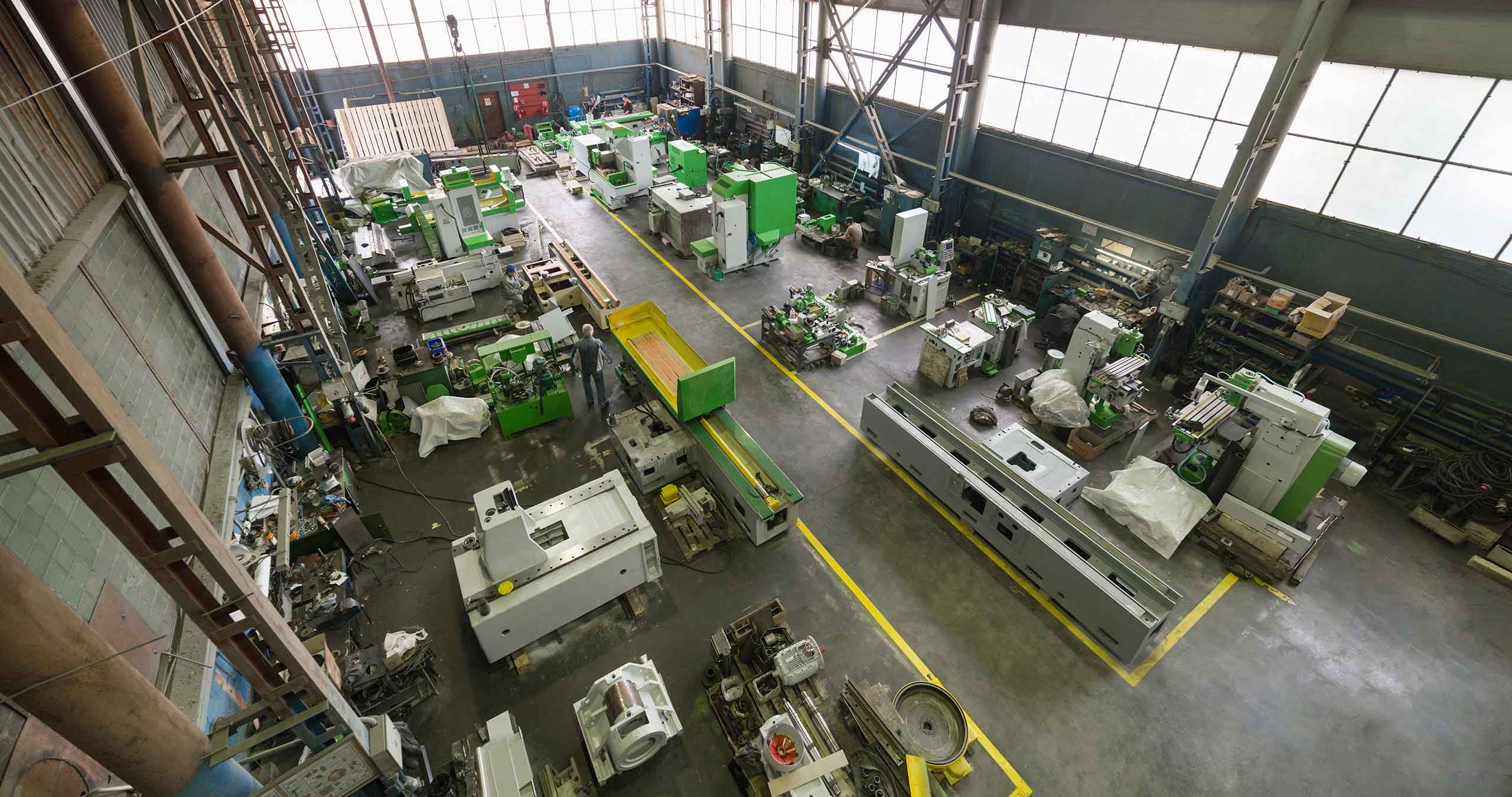
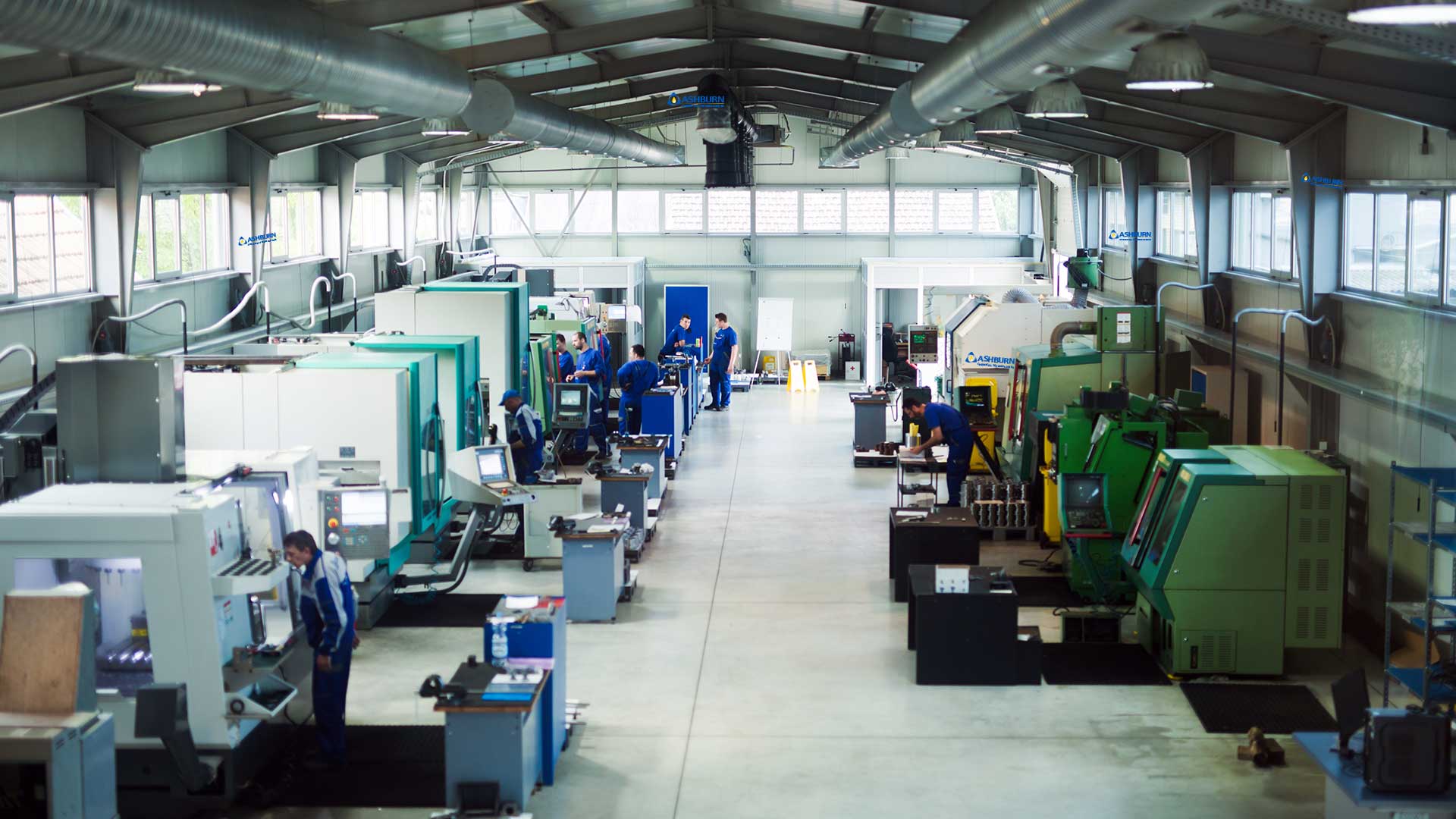
Industrial chemistry plays a critical role in modern manufacturing, heavy machining, and facility maintenance. Selecting the right chemical formulations ensures that mechanical systems run efficiently, equipment lifespan is maximized, and workplace safety standards are maintained. Ashburn Chemical Technologies has established a distinct presence in this sector by engineering specialized fluids that address the rigorous demands of modern machine shops and industrial plants.
Understanding the scope of these industrial formulations requires a close look at how specialized chemical solutions interact with various metals, machinery tolerances, and operational environments. Facility managers, purchasing agents, and maintenance engineers often evaluate these chemical products based on fluid longevity, corrosion protection, operator safety, and waste disposal requirements. This overview examines the core product lines, technical specifications, safety protocols, and operational benefits associated with Ashburn chemical products.
Core Product Categories in Industrial Manufacturing
Industrial chemical portfolios generally divide into distinct categories based on their functional application within a manufacturing environment. Ashburn organizes its offerings around fluid management solutions that address metal removal, surface preparation, equipment lubrication, and general facility sanitation.
Metalworking Fluids and Coolants
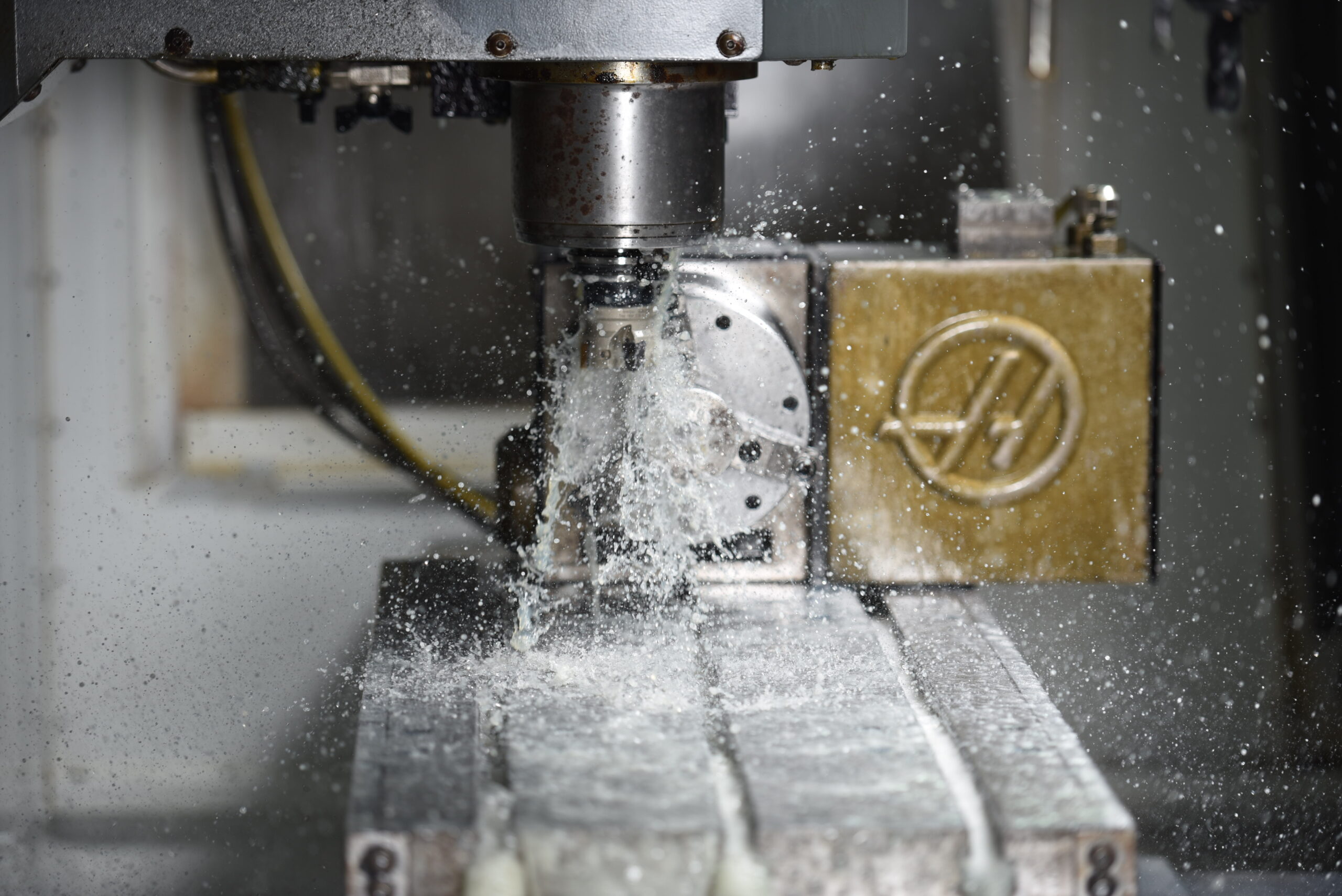
Metalworking fluids represent the largest segment of industrial fluid consumption. These specialized concoctions are engineered to cool and lubricate the interface between the cutting tool and the workpiece, thereby reducing friction, preventing thermal distortion, and flushing away metallic chips.
- Water-Dilutable Coolants: Formulated to mix with water, these emulsions provide superior cooling capabilities. They are widely used in high-speed turning, milling, and drilling operations where heat dissipation is critical.
- Straight Oils: Composed of mineral or petroleum oils with specialized additive packages, these fluids offer maximum lubricity. They are typically employed in heavy-duty broaching, gear hobbing, and screw machining where surface finish is paramount.
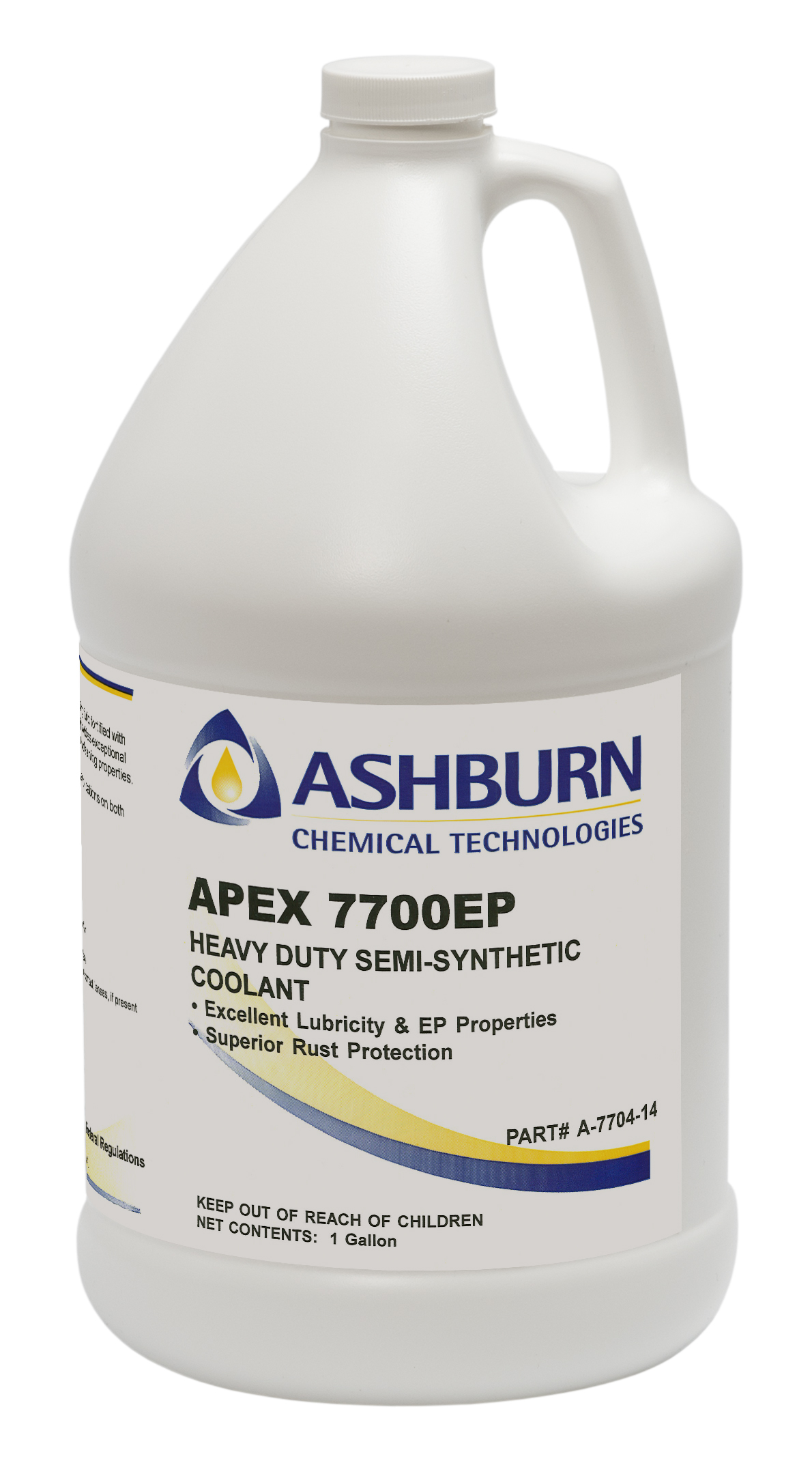
- Semi-Synthetic and Synthetic Fluids: Combining chemical lubricants with synthetic additives, these fluids offer a balance of cooling performance and clean operation, reducing the formation of sticky residues on machine beds.
Cleaners and Degreasers
Maintaining clean components and machinery is essential for quality control and preventative maintenance. Industrial cleaners must strip away heavy greases, manufacturing oils, and particulate contamination without damaging underlying metallic or composite substrates. Aqueous cleaners, solvent-based degreasers, and ultrasonic cleaning solutions make up this vital segment, formulated to perform effectively across varying water hardness levels and temperatures.
Maintenance Lubricants and Rust Preventatives
Corrosion protection and mechanical lubrication prevent premature component failure during storage and transit. Rust preventatives create thin, protective films on ferrous and non-ferrous metals to shield them from atmospheric moisture and oxidation. Meanwhile, specialized greases and slide-way lubricants ensure that machine tool axes move smoothly under heavy loads and continuous cycling.
Technical Specifications and Performance Parameters
Evaluating industrial chemicals requires an understanding of key physical and chemical parameters. Selecting an improper fluid can lead to tool wear, poor surface finishes, smoke generation, or rapid bacterial degradation in water-based systems.
Viscosity, pH, and Concentration Control
For water-miscible metalworking fluids, maintaining proper concentration levels is vital. Refractometer readings are standard practice in machine shops to ensure the coolant mixture remains within the manufacturer's recommended percentage range—usually between 5% and 10% depending on the severity of the machining operation.
- pH Levels: Water-soluble fluids generally operate in an alkaline pH range (typically 8.8 to 9.2) to inhibit corrosion on cast iron and steel components and to prevent the growth of odor-causing bacteria and fungi.
- Tramp Oil Rejection: High-quality industrial coolants are formulated to release tramp oil—unwanted hydraulic or lubricating oils leaking from machine tool seals—allowing it to be easily skimmed from the fluid surface.
- Foam Control: Modern fluid engineering incorporates anti-foam agents to prevent excessive bubbling in high-pressure coolant systems, which can otherwise lead to cavitation and reduced cooling efficiency.
| Product Type | Primary Function | Typical Concentration | Key Benefit |
|---|---|---|---|
| Semi-Synthetic Coolant | Metal cutting and grinding | 5% - 10% in water | Balanced cooling and lubricity |
| Heavy-Duty Straight Oil | Deep hole drilling, broaching | 100% (Undiluted) | Superior tool life and surface finish |
| Aqueous Industrial Cleaner | Parts washing and degreasing | Varies by application | Rapid removal of heavy shop soils |
| Rust Preventative | Short to medium-term indoor storage | Ready-to-use or mild dilution | Film barrier against oxidation |
Safety, Environmental Compliance, and Handling
Industrial chemical handling is governed by strict regulatory frameworks designed to protect worker health and minimize environmental impact. Compliance with safety standards is a core responsibility for any facility utilizing specialized chemical formulations.
Safety Data Sheets and Hazard Communication
Every chemical product distributed in industrial settings must be accompanied by a Safety Data Sheet (SDS) compliant with the Globally Harmonized System of Classification and Labelling of Chemicals (GHS). The SDS outlines specific physical hazards, health risks, personal protective equipment (PPE) requirements, and emergency response procedures. Plant operators must ensure that these documents are readily accessible to all personnel handling the materials.
Waste Minimization and Fluid Disposal
Spent metalworking fluids and industrial wash waters cannot be dumped directly into municipal sewer systems without proper treatment or clearance. Facilities frequently employ ultrafiltration, chemical splitting, or third-party waste hauling services to manage spent coolants. Extending fluid life through proper maintenance—such as regular skimming, pH balancing, and biocide management—significantly reduces waste generation and lowers operational costs.
Operational Best Practices for Fluid Management
Implementing an effective chemical management program requires routine monitoring, disciplined maintenance schedules, and proper storage protocols. Neglecting fluid systems can lead to rancidity, skin irritation among operators, and accelerated machine corrosion.
- Routine Monitoring: Measure concentration, pH, and microbial levels daily or weekly using calibrated instruments such as refractometers and pH test strips.
- System Cleanouts: Perform complete system washouts and recharge cycles periodically, especially when switching fluid types or addressing severe bacterial contamination.
- Proper Storage: Store concentrated chemical drums and pails indoors away from direct sunlight and extreme temperature fluctuations to prevent phase separation or container degradation.
Common Challenges and Troubleshooting in Shop Operations
Industrial facilities frequently encounter predictable challenges when managing cutting fluids and maintenance chemicals. Addressing these issues promptly prevents costly downtime and compromised part quality.
- Odors and Rancidity: Bacterial and fungal growth in water-based coolants typically results from stagnant fluid pockets or incorrect concentration levels. Maintaining proper alkalinity and utilizing approved tank-side additives helps resolve microbial blooms.
- Excessive Smoke or Mist: If a metalworking fluid produces heavy smoke during cutting operations, it may indicate improper lubricity for the specific feed rate, or that the fluid level in the reservoir is running low.
- Residue Buildup: Sticky or varnish-like residues on machine ways usually stem from hard water mineral buildup or incompatible fluid combinations during top-offs. Using deionized water for makeup and conducting thorough cleanouts eliminates this issue.
Conclusion and Next Actions
Selecting and maintaining industrial chemical solutions requires a structured approach focused on performance, safety, and regulatory compliance. Facility managers should audit their current fluid management practices, review active Safety Data Sheets, and establish routine monitoring protocols to maximize tool life and protect worker health. Consulting directly with technical representatives or reviewing official product documentation ensures that selected formulations match specific plant requirements and machining tolerances.