Life settlements and secondary market transactions are frequently misunderstood, leading to persistent myths about fraud, legality, and regulatory oversight involving firms like Ashar Group LLC. Understanding the distinction between legitimate life settlement transactions and illicit financial schemes requires examining industry regulations, valuation methodologies, and consumer protections.
Understanding the Life Settlement Landscape and Ashar Group LLC
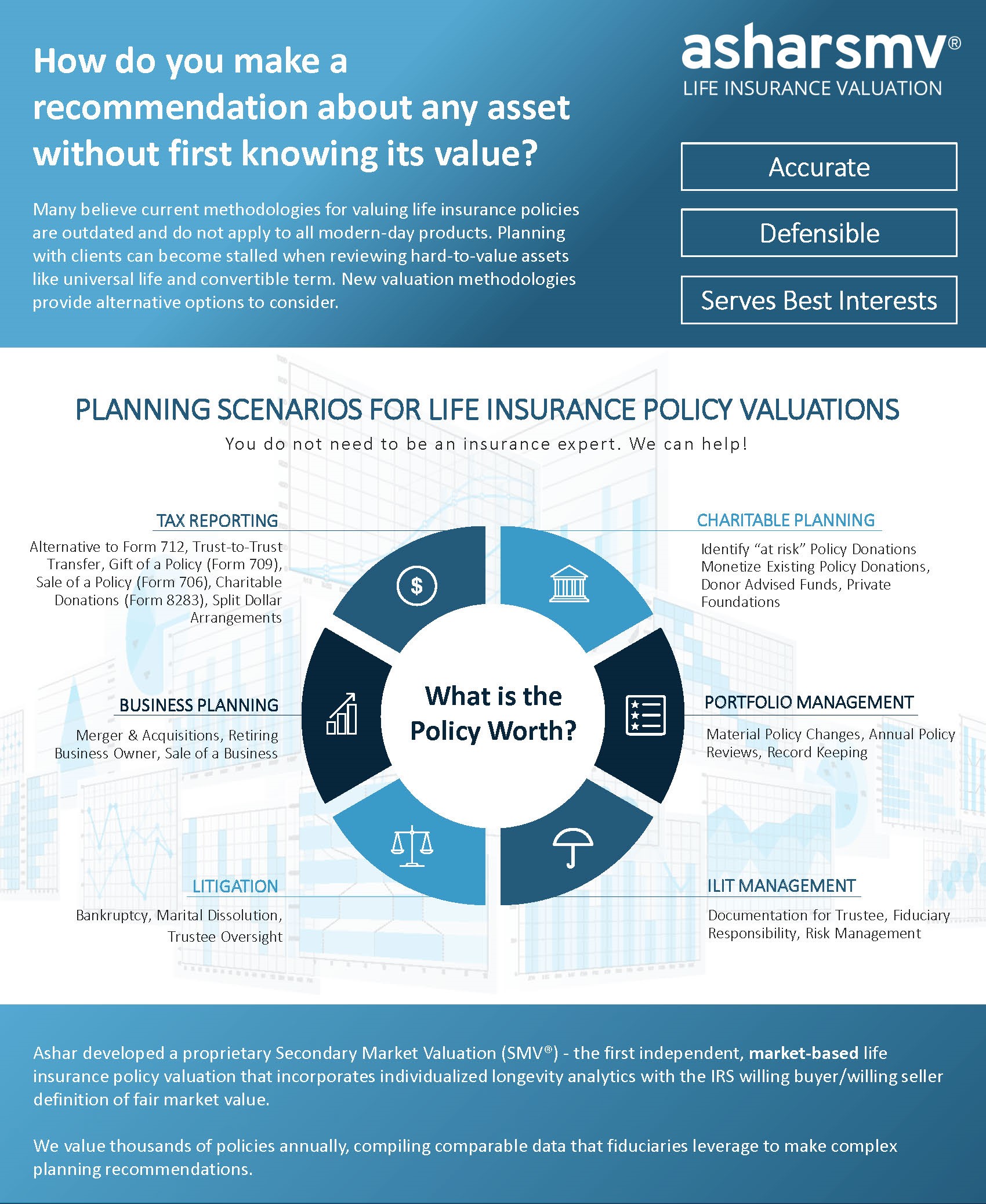
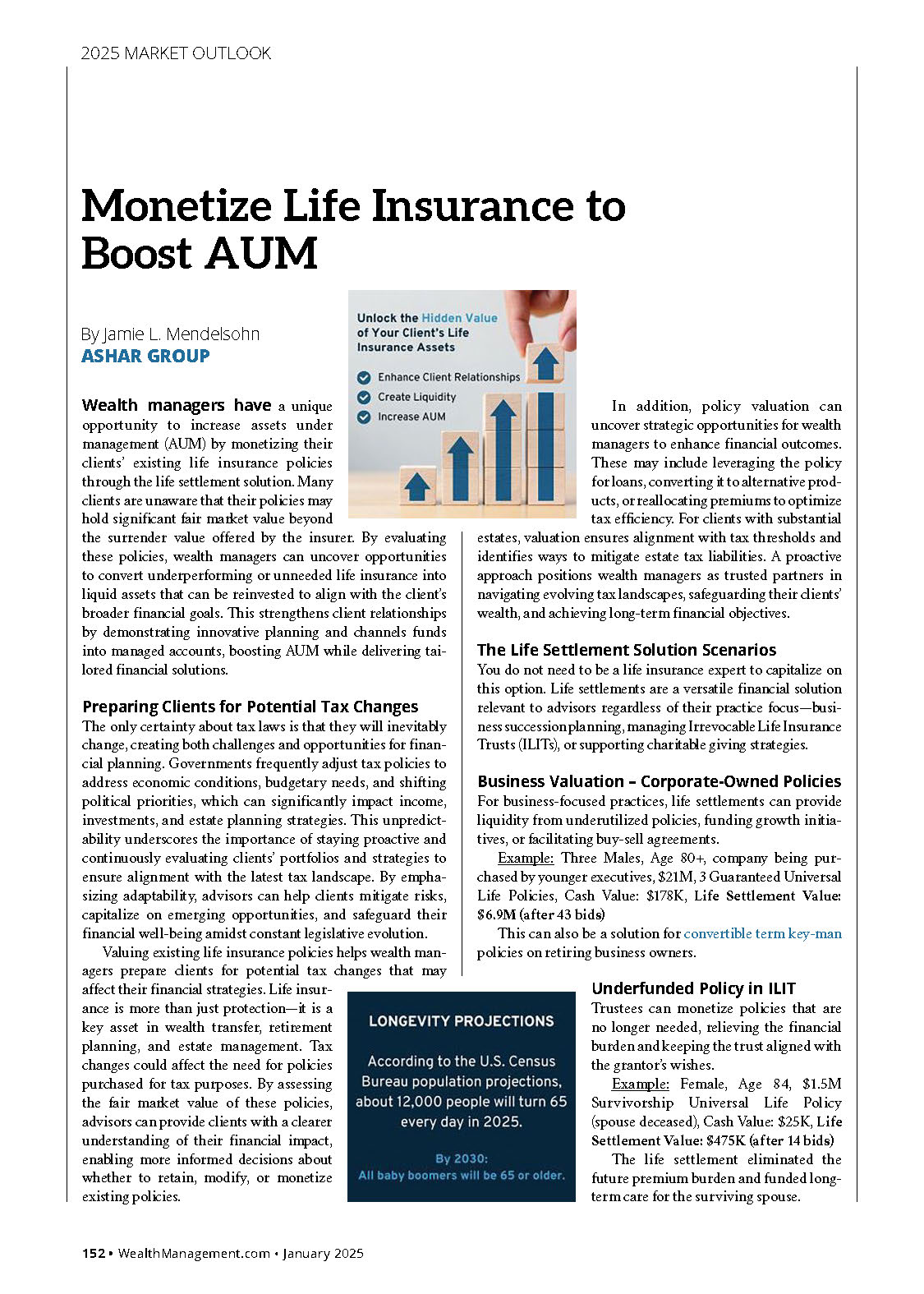
The secondary market for life insurance allows policyowners to sell their unwanted or unneeded life insurance policies to third-party investors for a cash payout that is higher than the policy's cash surrender value. Ashar Group LLC operates within this space as an independent life settlement provider and valuation firm, helping consumers, financial advisors, and estate planners evaluate the fair market value of existing life insurance contracts.
Because the secondary market involves complex financial instruments, high-value payouts, and sophisticated institutional investors, it has historically attracted scrutiny. Misunderstandings about how these transactions work often give rise to allegations or suspicions of life insurance fraud. To separate reality from fiction, it is essential to examine the core mechanics of the industry, the strict regulatory frameworks governing firms like Ashar Group LLC, and the common misconceptions that circulate among consumers and inexperienced market participants.
Defining Life Insurance Fraud Versus Legitimate Transactions
Insurance fraud in the context of life insurance typically involves deception perpetrated during the application process, premium payment phase, or claims settlement stage. Examples include misrepresenting health conditions on an application, faking a death to collect a death benefit, or altering policy documents.
Conversely, a legitimate life settlement—sometimes facilitated or appraised by specialized valuation firms—is a fully transparent, legally codified financial transaction. Regulated under state insurance laws across the United States, a life settlement involves the transfer of ownership and beneficiary rights of a life insurance policy to a licensed third party in exchange for a lump-sum cash payment.
Key Distinctions Between Fraud and Legitimate Settlements
| Feature | Illicit Insurance Fraud | Legitimate Life Settlement (e.g., via Ashar Group LLC) |
|---|---|---|
| Transparency | Concealment of material facts, falsified medical records, or synthetic identities. | Full disclosure of medical history, policy specifications, and financial disclosures. |
| Regulatory Oversight | Illegal activity prosecuted by state and federal law enforcement agencies. | Regulated strictly by state Departments of Insurance (DOIs) and financial regulators. |
| Primary Motivation | Unjust enrichment through deception, forgery, or criminal enterprise. | Providing liquidity for seniors, businesses, or trusts holding unneeded policies. |
| Involvement of Intermediaries | Uses illicit shell entities, corrupt brokers, or forged signatures. | Relies on licensed life settlement brokers, independent valuation firms, and escrow agents. |
Debunking Common Myths About Life Settlements and Valuation Firms
Misinformation regarding life settlements often stems from a lack of familiarity with insurance regulations and secondary market evolution. Below are the most prevalent myths contrasted with documented facts.
Myth 1: Selling a Life Insurance Policy is Illegal or Equivalent to Fraud
- The Reality: Selling a life insurance policy is entirely legal in the vast majority of U.S. states. The practice was affirmed by the United States Supreme Court in the landmark 1911 case Grigsby v. Russell, which established that a life insurance policy is a form of property that can be assigned or sold just like any other asset. Today, state insurance departments license and regulate life settlement providers, brokers, and providers to protect consumers.
Myth 2: Independent Valuation Firms Manipulate Policy Values to Cheat Consumers
- The Reality: Firms that provide valuation and appraisal services—such as Ashar Group LLC—rely on actuarial science, life expectancy reports from independent medical underwriters, and current secondary market pricing data. Valuations are designed to provide an objective, data-driven assessment of a policy's fair market value. Independent firms do not purchase the policies directly in every capacity; rather, they often act as neutral parties or advisors ensuring transparent pricing between the policyowner and institutional buyers.
Myth 3: Life Settlements Involve "Wagering on Human Life" Illicitly
- The Reality: While early speculative practices in the insurance market historically drew criticism—giving rise to terms like "stranger-originated life insurance" (STOLI)—modern regulations strictly prohibit wagering on lives where no insurable interest exists at inception. A legitimate life settlement applies to a policy that was lawfully purchased for legitimate financial protection years prior, but which is no longer needed or affordable for the original policyholder.
The Role of Regulation and Compliance in Preventing Fraud
To maintain integrity in the secondary market, regulatory bodies enforce rigorous compliance standards. State insurance commissioners require life settlement providers and brokers to hold active licenses, complete ongoing continuing education, and adhere to strict consumer disclosure rules.
Consumer Protections and Disclosure Requirements
- Right to Privacy: Medical records and personal data shared during the valuation process are protected under federal privacy laws (such as HIPAA) and state insurance confidentiality statutes.
- Right of Rescission: Most states grant policyowners a statutory grace period (typically 15 to 30 days after receiving the settlement proceeds) during which they can rescind the contract and return the funds.
- Fiduciary Responsibility: Licensed brokers and advisors are obligated to act in the best interest of the policyowner, ensuring they receive competitive offers rather than a single, undervalued bid.
Frequently Asked Questions
What is the primary function of Ashar Group LLC in the secondary market?
Ashar Group LLC acts as an independent life settlement valuation and brokerage advisory firm. It assists financial advisors, estate planning attorneys, and policyowners by providing objective policy valuations, longevity evaluations, and navigating the marketplace to secure fair offers for policies that are no longer needed.
Is selling a life insurance policy considered taxable income?
Portions of a life settlement payout may be subject to federal and state income taxes. The tax liability typically depends on the policy's cost basis (total premiums paid) versus the cash surrender value and the final settlement amount. Consulting a certified public accountant or tax professional is strongly recommended before completing a transaction.
How do regulators protect consumers from predatory practices in life settlements?
State Departments of Insurance regulate licensing, mandate transparent consumer disclosures, enforce minimum payout standards relative to cash surrender value, and oversee escrow accounts to ensure funds are securely transferred.
Can any life insurance policy be sold on the secondary market?
No. Term life insurance policies generally cannot be sold unless they are convertible to permanent coverage. Universal life, whole life, and survivorship policies are more commonly eligible, provided the insured meets specific age and health criteria, and the policy has been active beyond the contestability period (usually two years).
What distinguishes a legitimate life settlement from STOLI (Stranger-Originated Life Insurance)?
Legitimate life settlements involve policies purchased in good faith for legitimate estate or income replacement needs that are later sold due to changing circumstances. STOLI arrangements involve fraudulent schemes where third-party investors finance a policy on a stranger strictly for resale, violating insurable interest laws.
Next Actions and Practical Recommendations
For policyowners, trustees, or financial advisors considering a life settlement or seeking an independent valuation, taking a methodical approach ensures security and maximizes value:
- Verify Licensing: Confirm that any broker, provider, or advisor involved in the transaction holds active licenses with your state’s Department of Insurance.
- Obtain Independent Appraisals: Utilize reputable, independent valuation resources to compare multiple bids rather than relying on a single offer.
- Consult Professionals: Coordinate with legal, tax, and financial advisors to review the potential implications on estate planning, taxation, and long-term financial security.