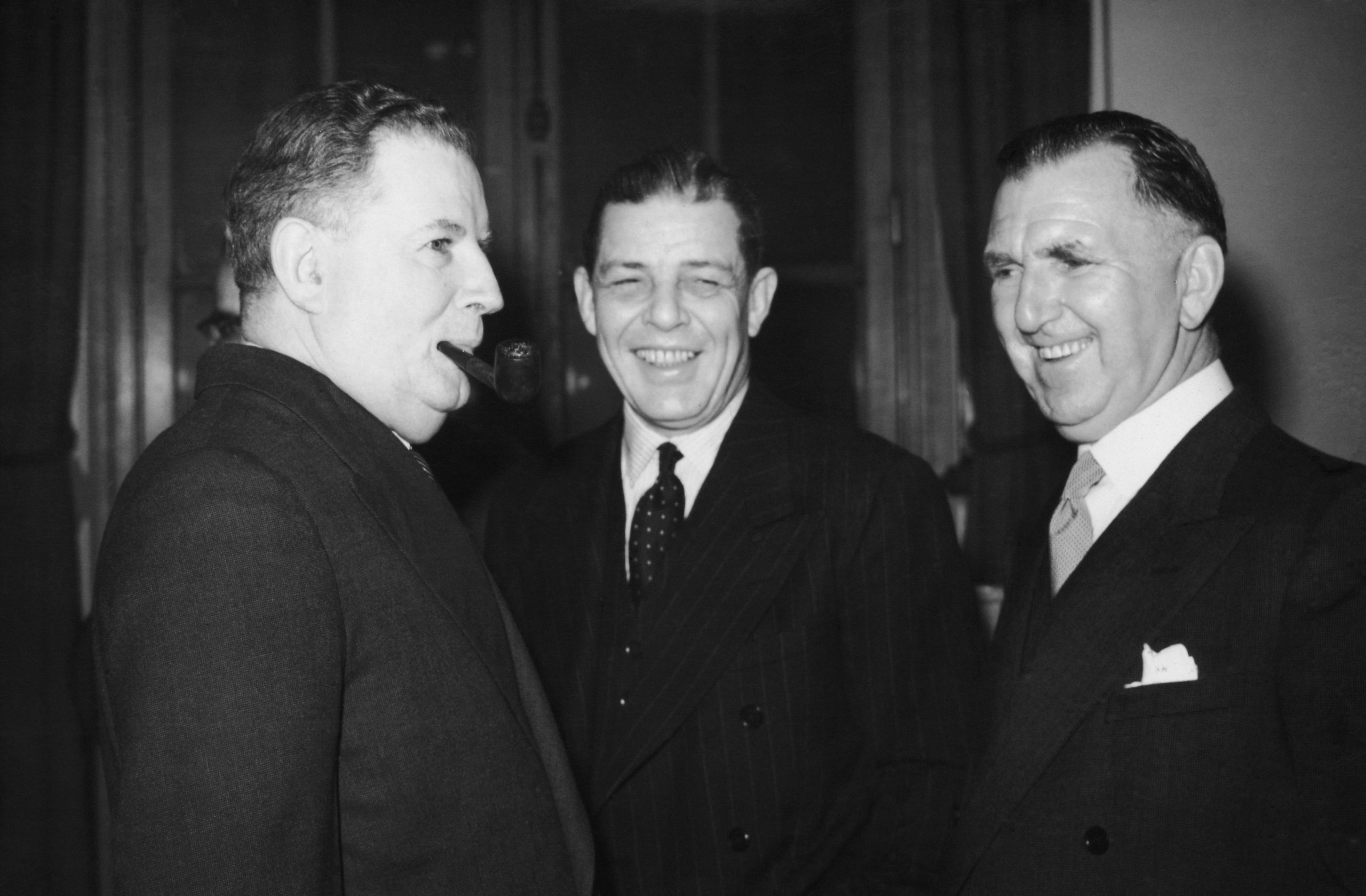
Estimating the net worth of Arthur Kramer requires distinguishing between prominent figures who have historically held the name, primarily focusing on the esteemed New York legal titan and his associated professional legacy. Because "Arthur Kramer" is not a singular contemporary celebrity, his financial footprint is rooted in his foundational role in the development of sophisticated legal practices rather than public market speculation or entertainment industry earnings.
Disambiguating the Identity of Arthur Kramer
In the context of legal and business history, Arthur Kramer is most widely recognized as a founding partner of the prestigious law firm Kramer Levin Naftalis & Frankel LLP. When researchers or financial historians look into an "Arthur Kramer net worth," they are often seeking to understand the economic outcomes of a life dedicated to high-stakes corporate law, bankruptcy restructuring, and real estate development in mid-to-late 20th-century New York.
It is essential to clarify that Arthur Kramer is not a contemporary influencer or a reality television personality whose assets are tracked by real-time wealth indices. His wealth was built through the professional service economy—a sector where personal net worth is rarely disclosed in public filings or audited by financial publications like Forbes or Bloomberg. Consequently, any analysis of his financial standing must be reconstructed through his career trajectory, the stature of his firm, and the influence he wielded within the New York real estate and corporate sectors.
The Professional Economic Context
To understand the financial success of a figure like Arthur Kramer, one must look at the structural components of his career. Unlike individuals who derive wealth from a singular "exit" or a public company, Kramer’s wealth was likely derived from the consistent, high-margin practice of law, partnership distributions, and strategic personal investments.
The Role of Kramer Levin in Wealth Generation
Kramer Levin, founded in 1968, grew into a powerhouse firm. In the 1970s, 80s, and 90s, the legal landscape in New York underwent a transformation. The rise of complex bankruptcy law and the expansion of the New York City real estate market provided a fertile ground for firms that could navigate regulatory and financial hurdles.
As a senior partner in such a firm, an individual’s earnings are typically structured as:
- Base Draws: Consistent monthly distributions based on performance.
- Bonus Distributions: Shared profits based on firm-wide annual performance.
- Equity Value: The intangible value of the practice itself, which serves as a vehicle for long-term income stability.
Real Estate and Strategic Positioning
Many prominent New York attorneys of Kramer’s generation utilized their professional connections to move into real estate development. Understanding the "context" of his wealth involves recognizing that successful legal partners often acted as syndicators or equity partners in the very projects they provided counsel for. By positioning himself at the intersection of law and property, Kramer was able to leverage the high earnings of a top-tier law firm into appreciating assets.
Comparative Framework: The Value of Legal Partnerships
To provide a concrete estimation of potential wealth in this sector, it is helpful to look at the financial benchmarks for elite partners in "Big Law" during the late 20th century. While inflation-adjusted figures vary, the table below highlights the mechanisms that allowed legal practitioners to build significant net worth.
| Revenue Driver | Impact on Wealth | Visibility |
|---|---|---|
| Partner Profitability | High; provides consistent liquidity. | Private |
| Real Estate Interests | High; provides long-term capital appreciation. | Mixed/Public |
| Advisory Roles | Medium; builds reputation and secondary income. | Public |
| Investment Portfolio | Varied; relies on market exposure and timing. | Private |
The Challenges of Estimating Personal Net Worth
Calculating the exact net worth of a private professional from a previous era presents significant technical difficulties. Because there is no legal requirement for such individuals to disclose their balance sheets unless involved in specific public litigation or high-profile probate cases, any specific dollar figure cited in informal online repositories is likely speculative or anecdotal.
Limitations of Public Records
- Privacy of Law Firms: Partnership agreements are shielded by legal privilege and internal firm policy. Even in 2026, the specific payout structures of a firm formed in 1968 remain confidential unless disclosed through litigation or tax archives.
- Asset Distribution: High-net-worth individuals often utilize trusts, holding companies, and charitable foundations. These structures disperse assets in ways that make it impossible to aggregate a "total" without access to comprehensive financial audits.
- Inflation and Valuation: Applying current 2026 currency values to earnings generated in 1985 or 1995 creates significant distortions. Real estate assets acquired at historical prices carry entirely different weights in a modern economic context.
Legal and Ethical Considerations in Wealth Estimation
When researching the financial status of historical figures, it is vital to respect the distinction between public figures and private individuals. In the legal profession, even highly successful partners are not public servants, and their financial affairs are generally considered private property.
For those researching Arthur Kramer for historical or biographical purposes, the primary value is found in his contribution to the legal industry. His net worth is effectively an abstract representation of his professional success, which is better quantified by the endurance of the law firm he founded rather than a static dollar amount. His legacy lies in the mentorship of junior attorneys, the resolution of complex corporate crises, and his impact on the structure of the New York legal establishment.
Frequently Asked Questions (FAQ)
1. Is there an official record of Arthur Kramer’s net worth? No. Arthur Kramer was a private professional. His wealth was not subject to public disclosure requirements, and no official financial reporting exists for his personal holdings.
2. Why are there various, often conflicting, net worth figures for him online? Many online platforms use automated algorithms to guess the wealth of historical figures based on industry averages or misinterpretations of shared names. These figures are not audited, verified, or based on actual financial data.
3. What is the best way to assess the financial impact of a career like his? Focus on the growth of the firm he co-founded, Kramer Levin Naftalis & Frankel. The firm's expansion in office size, talent acquisition, and practice area influence provides a clearer picture of his professional impact than an estimated net worth figure.
4. Does the name "Arthur Kramer" refer to multiple people? Yes. While the attorney is the most prominent, the name is not unique. Always cross-reference the name with his professional affiliations—specifically his law firm—to ensure you are analyzing the correct individual.
5. How do lawyers typically build wealth during their careers? They build wealth through equity partnership, where they own a portion of the firm's profits, combined with strategic private investments in sectors like real estate, equities, and private equity, often enabled by their high-income professional status.
Next Actions and Further Research
If you are conducting historical research on Arthur Kramer for the purpose of a biography or a study of the evolution of American law, prioritize primary source documentation. Contacting the archives of the New York Bar Association or reviewing the historical records of the law firm he helped establish will provide more accurate context than speculative financial databases.
Focusing on his case history, public filings from his firm, and historical records from his tenure as a practitioner will yield a much richer understanding of his career than an attempt to quantify his net worth. This approach provides an intellectually honest representation of his life and work, maintaining the integrity of historical inquiry while avoiding the traps of unverified internet speculation.