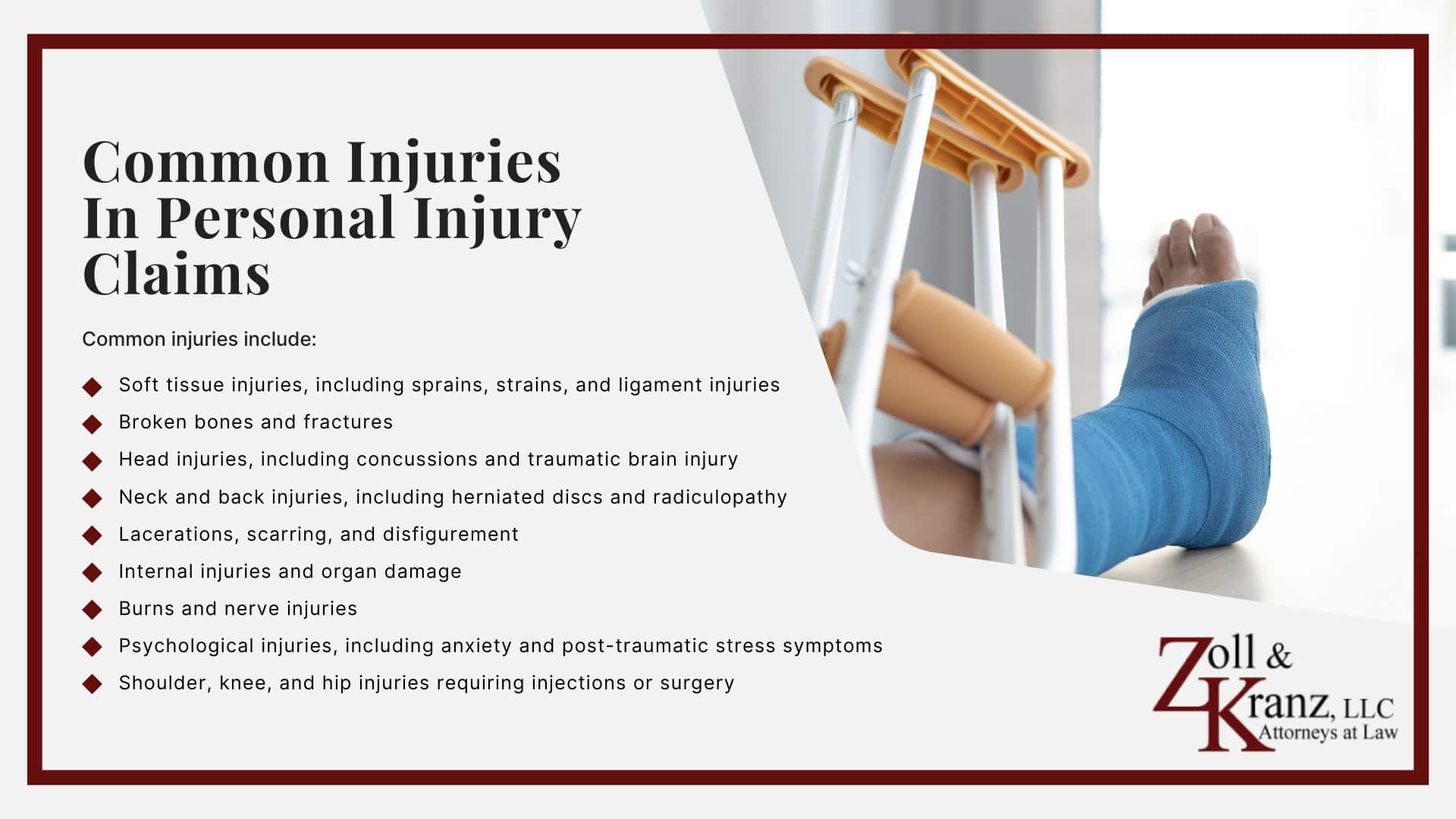
In 2026, navigating the legal landscape after a personal injury in Arlington, Texas, requires a comprehensive understanding of specific state statutes, such as the two-year statute of limitations and modified comparative negligence rules. An experienced Arlington injury attorney provides the essential guidance needed to secure compensation for medical expenses, lost wages, and long-term rehabilitation costs while ensuring all procedural deadlines are met.
Understanding the Legal Landscape in Arlington, Texas
Personal injury law, or tort law, is designed to protect individuals who have been harmed by the negligence or intentional actions of others. In Arlington, these cases are governed by the Texas Civil Practice and Remedies Code. Whether the injury resulted from a motor vehicle accident on I-20, a slip and fall at a local retail establishment, or a workplace incident, the objective remains the same: restoring the victim to the financial position they were in before the incident occurred.
The legal process in 2026 remains complex due to the intersection of insurance policies, medical billing practices, and judicial precedents. Navigating this environment without professional assistance often leads to undervalued settlements or procedural dismissals. An Arlington injury attorney acts as a shield against aggressive insurance adjusters and as a navigator through the Tarrant County court system.
Immediate Steps to Preserve Your Legal Rights
The moments following a personal injury are critical for the eventual success of a legal claim. While physical recovery is the priority, certain actions must be taken to ensure that evidence is preserved and liability is established.
Seek Medical Attention and Documentation
In 2026, medical records serve as the primary evidence in any injury case. Even if injuries seem minor, a professional evaluation is necessary. Internal injuries or concussions may not manifest symptoms immediately. From a legal standpoint, a "gap in treatment"—the time between the accident and the first medical visit—is frequently used by defense attorneys to argue that the injuries were not caused by the incident in question.
Official Accident Reports
If the injury occurred in a vehicle accident, contacting the Arlington Police Department is vital. An officer’s report provides an objective third-party account of the scene, weather conditions, and initial fault assessments. For injuries occurring on private property, such as a restaurant or grocery store, ensure an incident report is filed with the management and obtain a copy before leaving the premises.
Evidence Collection
If possible, use a smartphone to capture high-resolution images and videos of the scene. This includes vehicle damage, road hazards, lack of warning signs, or the specific condition that caused a fall. Witness contact information is equally important, as their independent testimony can corroborate your version of events during the discovery phase of a lawsuit.
Texas Statutes Affecting Your Personal Injury Claim
Texas law includes several specific provisions that significantly impact the outcome of a personal injury case. Understanding these is the first step in navigating your legal options.
The Two-Year Statute of Limitations
Under Texas Civil Practice and Remedies Code § 16.003, an individual generally has two years from the date of the injury to file a lawsuit in a civil court. Failing to meet this deadline typically results in the permanent loss of the right to seek compensation. While there are rare exceptions for "tolling" the statute (such as for minors or cases where the injury was not immediately discoverable), these are narrow and difficult to prove without an attorney.
Modified Comparative Negligence (The 51% Bar Rule)
Texas follows a "proportionate responsibility" model. This means that a victim can still recover damages even if they were partially at fault for the accident, provided their responsibility does not exceed 50%. If you are found to be 51% or more at fault, you are legally barred from recovering any compensation from other parties. If you are 30% at fault, your final compensation award will be reduced by 30%. An Arlington injury attorney works to minimize the percentage of fault attributed to you to maximize your recovery.
Damage Caps in Texas
While Texas generally allows for full recovery of economic damages (medical bills and lost wages), there are statutory limits on non-economic damages (pain and suffering) in specific types of cases. For instance, in medical malpractice suits, non-economic damages are often capped at $250,000 against a single institution or physician, as per Texas Civil Practice and Remedies Code Chapter 74.
The Role of an Arlington Injury Attorney in 2026
An attorney provides more than just courtroom representation; they manage the technical and administrative burdens of a case, allowing the victim to focus on recovery.
Investigation and Expert Testimony
Experienced firms often employ or contract private investigators and accident reconstruction experts. In complex collisions near the Arlington Entertainment District or industrial accidents, these experts can recreate the sequence of events to prove negligence. Furthermore, medical experts are often brought in to testify about the long-term impact of an injury, which is crucial for calculating future medical costs.
Managing Insurance Negotiations
Insurance companies are for-profit entities that utilize sophisticated software to minimize payouts. An attorney understands these tactics and handles all communication with adjusters. This prevents the victim from making recorded statements that could be used to undermine their claim later. In 2026, attorneys also navigate the complexities of "subrogation," where health insurance providers seek reimbursement from your settlement for the medical bills they paid.
Litigation and Trial Preparation
While the majority of personal injury cases settle out of court, having an attorney prepared to go to trial provides significant leverage during negotiations. If a fair settlement cannot be reached, your attorney will manage the filing of the complaint, the discovery process (including depositions and interrogatories), and the presentation of evidence before a judge or jury in a Tarrant County District Court.
Comparing Legal Paths: Self-Representation vs. Professional Counsel
Many victims wonder if they can handle a claim independently to save on legal fees. The following table illustrates the material differences between these two approaches.
| Feature | Self-Representation (Pro Se) | Hiring an Arlington Injury Attorney |
|---|---|---|
| Legal Knowledge | Limited to personal research; high risk of missing deadlines. | Deep understanding of Texas Civil Codes and local court rules. |
| Evidence Quality | Often limited to photos and personal testimony. | Access to expert witnesses, accident reconstruction, and subpoenas. |
| Negotiation Power | Insurance companies often offer "low-ball" settlements to unrepresented parties. | Professional leverage; adjusters know the attorney can file a lawsuit. |
| Cost Structure | Out-of-pocket costs for filing, experts, and records. | Contingency fee: No upfront costs; attorney only gets paid if you win. |
| Case Value | Historically results in significantly lower net recovery. | Statistically leads to higher settlements, even after fees are deducted. |
| Complexity Management | Victim must handle all paperwork and hospital liens. | Attorney manages all administrative tasks and lien negotiations. |
Types of Damages Recoverable in a Personal Injury Case
In 2026, the goal of a personal injury claim is to secure "compensatory damages." These are categorized into two primary types: economic and non-economic.
Economic Damages (Special Damages)
These are measurable financial losses that can be documented with receipts, invoices, and pay stubs. They include:
- Medical Expenses: Coverage for emergency room visits, surgeries, medications, and physical therapy.
- Future Medical Care: Estimates for ongoing treatment required for chronic conditions resulting from the injury.
- Lost Wages: Compensation for the time missed from work during recovery.
- Loss of Earning Capacity: If the injury prevents the victim from returning to their previous profession or working at all.
Non-Economic Damages (General Damages)
These are subjective losses that do not have a fixed dollar amount but are equally impactful. They include:
- Pain and Suffering: Physical discomfort and emotional distress caused by the injury.
- Loss of Consortium: The impact of the injury on the victim's relationship with their spouse or family.
- Disfigurement and Impairment: Compensation for permanent scarring or the loss of use of a limb or bodily function.
The Litigation Process in Tarrant County
If you decide to move forward with a lawsuit in Arlington, the process follows a structured sequence within the Texas judicial system.
- The Initial Consultation: Most Arlington injury attorneys offer a free consultation to evaluate the merits of the case. They will review the evidence and determine if negligence can be proven.
- The Demand Letter: Before filing a lawsuit, your attorney will typically send a demand letter to the defendant's insurance company. This document outlines the facts of the case, the evidence of liability, and the specific amount of compensation requested.
- Filing the Petition: If the insurance company refuses a fair settlement, a formal "Original Petition" is filed in a Tarrant County court. This officially starts the litigation clock.
- Discovery: Both sides exchange information. This is the longest phase of the case, involving the exchange of documents, written questions (interrogatories), and oral testimony under oath (depositions).
- Mediation: In 2026, many Texas judges require parties to attend mediation before a trial date is set. A neutral third-party mediator attempts to facilitate a settlement agreement.
- Trial: If mediation fails, the case proceeds to trial. A jury will hear the evidence and determine liability and the amount of damages to be awarded.
Frequently Asked Questions
How much does an Arlington injury attorney cost?
Most personal injury lawyers operate on a contingency fee basis. This means there are no upfront costs for the client. The attorney’s fee is a pre-agreed percentage of the final settlement or court award—typically ranging from 33% to 40%. If the attorney does not recover money for you, you do not owe them an attorney fee. This system allows individuals regardless of financial status to access high-quality legal representation.
How long will my personal injury case take?
The timeline for a personal injury case in Arlington varies based on the complexity of the accident and the clarity of liability. A straightforward case may settle in four to six months. However, if the case involves severe injuries requiring extensive medical treatment or goes to trial, it can take 18 to 24 months. It is generally advised not to settle until you have reached Maximum Medical Improvement (MMI), ensuring all future medical needs are accounted for in the settlement.
What if I am partially at fault for the accident?
As long as you are not more than 50% responsible for the incident, you can still recover damages under Texas’s modified comparative negligence law. For example, if you were speeding but another driver ran a red light and hit you, a jury might find you 20% at fault. If your total damages are $100,000, you would receive $80,000. An attorney's role is to ensure the other party’s negligence is fully documented to minimize your fault percentage.
Can I change my attorney in the middle of a case?
Yes, you have the right to change legal counsel at any time. However, it is important to review your initial contract, as the previous attorney may be entitled to a portion of the contingency fee for the work they completed (often referred to as a "quantum meruit" claim). If you are unhappy with your current representation, it is best to consult with a new attorney first to ensure a smooth transition of your case files and deadlines.
Do I have to go to court for a personal injury claim?
Statistically, more than 90% of personal injury claims are settled before a trial occurs. Most are resolved during negotiations or mediation. However, you should choose an attorney who is a "trial-ready" litigator. Insurance companies are more likely to offer a fair settlement when they know the opposing attorney is prepared and capable of winning in a courtroom environment.
Strategic Recommendation for Injury Victims
If you or a loved one has suffered a personal injury in Arlington, the most effective next step is to schedule a consultation with a local attorney who specializes exclusively in personal injury law. Avoid general practice firms; instead, look for those with a proven track record in the Tarrant County court system. Verify their standing with the State Bar of Texas and look for board certification in Personal Injury Trial Law, a distinction held by a small percentage of Texas attorneys. Early legal intervention is the most reliable way to preserve evidence and ensure that insurance companies do not take advantage of the situation during your period of vulnerability.