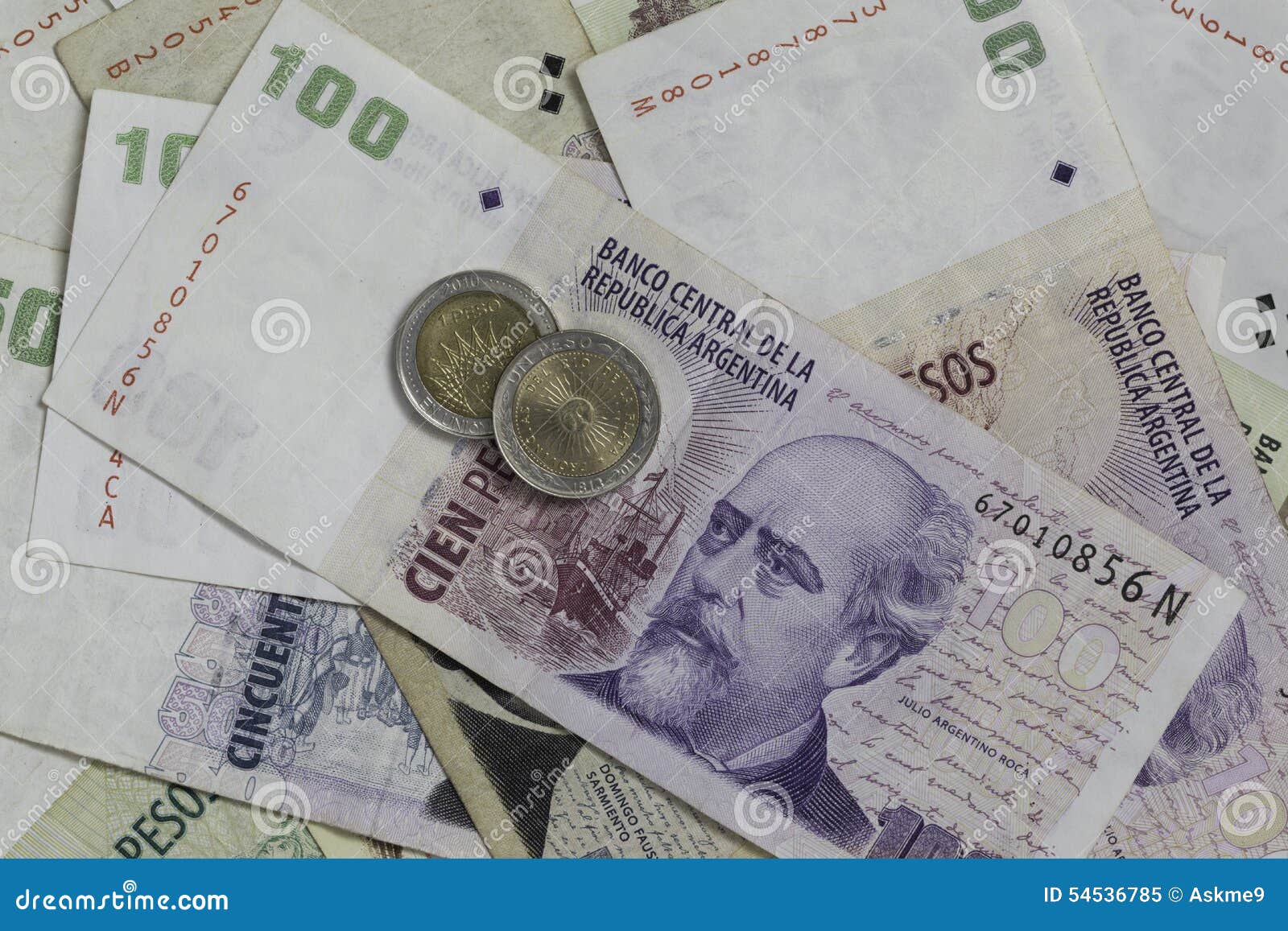
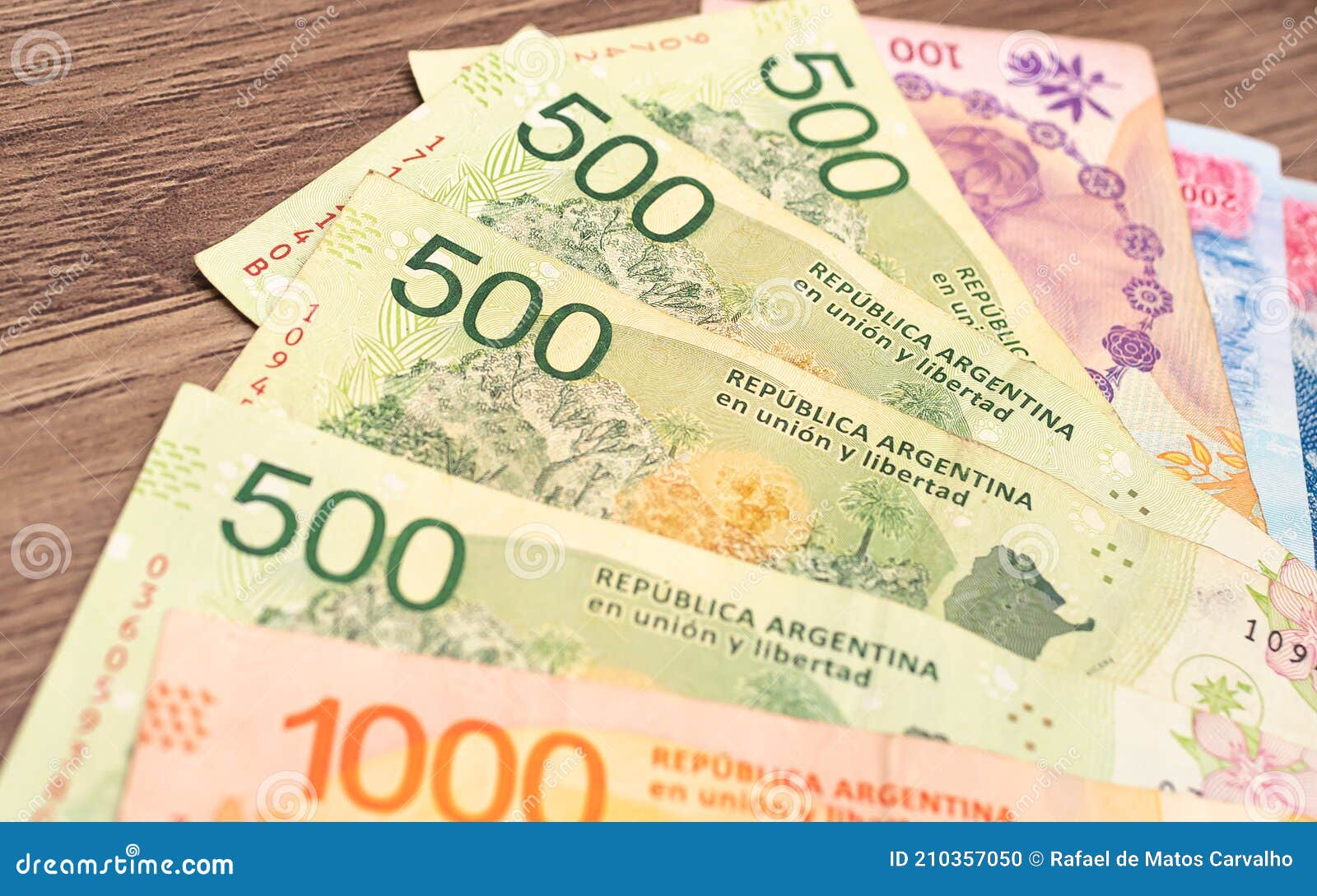
The official currency of Argentina is the Argentine Peso (ARS). However, due to persistent inflation and a complex system of capital controls, navigating Argentina’s money involves managing multiple exchange rates, including the "Official," "Blue," and "MEP" rates. For the best value in 2026, travelers and residents typically use foreign credit cards for the MEP rate or exchange physical U.S. dollars for pesos at the unofficial "blue" market rate.
Understanding how money works in Argentina is more than a matter of knowing the current exchange rate; it is about understanding a bifurcated financial ecosystem. In 2026, the country continues to operate with a heavy reliance on physical cash for certain transactions while simultaneously pushing for rapid digitalization. Whether you are visiting for tourism, moving for work, or conducting business, mastering the "Argen-economics" of daily life is essential for financial efficiency and security.
The Argentine Peso (ARS): Banknotes and Denominations
The Argentine Peso has undergone significant transformations in its physical form over the last several years. As of 2026, the currency is characterized by high-denomination banknotes designed to keep pace with the logistics of an inflationary economy.
Current Banknotes in Circulation
The Central Bank of the Argentine Republic (BCRA) manages the issuance of currency. The most common notes you will encounter in 2026 include:
- 20,000 Pesos: Currently the highest denomination, featuring Juan Bautista Alberdi. This note was introduced to reduce the physical volume of cash required for standard transactions like grocery shopping or dining out.
- 10,000 Pesos: Featuring Manuel Belgrano and María Remedios del Valle, this note is the "workhorse" of the economy, used for most mid-sized cash purchases.
- 2,000 and 1,000 Pesos: While still in circulation, these notes have lost significant purchasing power. They are often used as "change" or for very small purchases like a single piece of fruit or a bus fare (if not using a digital card).
- Lower Denominations: Notes of 500, 200, and 100 pesos are technically legal tender but are increasingly rare and often refused in informal settings due to their negligible value.
The Physical Reality of Cash
Because the highest bill (20,000 pesos) may only be worth a fraction of the value of high-denomination bills in other countries (like the $100 USD or €100 note), you will likely find yourself carrying large stacks of paper. It is common to see locals and savvy travelers carrying "money bags" or thick wallets. When withdrawing money from an ATM or exchanging currency, be prepared for the physical bulk of the transaction.
The Multi-Tier Exchange Rate System
One of the most confusing aspects of Argentina's money is that there is no single "price" for a dollar or euro. Instead, the country operates under a fractured exchange rate system. Understanding the difference between these rates can effectively double your purchasing power.
The Official Rate
The Official Rate (Dólar Oficial) is the rate set by the Central Bank. In 2026, this rate is primarily used for international trade, imports, and exports. It is almost always the least favorable rate for individuals. If you go to a major bank to exchange money or use an ATM that doesn't recognize your foreign status, you may be forced into this rate, which provides significantly fewer pesos for your foreign currency.
The Blue Dollar (Dólar Blue)
The "Blue Dollar" is the informal, parallel market rate. It is technically illegal but widely tolerated and serves as the primary benchmark for the "real" economy. Transactions at this rate take place in "Cuevas" (small, unofficial exchange houses) or via "Arbolitos" (people on the street shouting "cambio"). This rate is usually much higher than the official rate, meaning your foreign currency goes much further.
The MEP Rate (Electronic Payment Market)
For most modern travelers in 2026, the MEP rate (Mercado Electrónico de Pagos) is the most important. This is a legal, electronic exchange rate derived from the bond market. Since 2022/2023, the Argentine government has allowed foreign credit and debit cards (Visa, Mastercard, American Express) to use a rate very close to the MEP rate (which tracks closely with the Blue Dollar). This has revolutionized how people pay, as it removes the need to carry massive amounts of physical cash to get a "good" deal.
CCL Rate (Contado con Liquidación)
The CCL rate is used by companies to move money out of the country by buying securities in Argentina and selling them abroad. While less relevant for the average person, it serves as a macro-economic indicator of the peso's future stability.
| Rate Type | Best For | Accessibility | Legality |
|---|---|---|---|
| Official | Government/Importers | High (Banks/ATMs) | Legal |
| Blue | Cash users/Maximizing value | Moderate (Cuevas) | Informal |
| MEP | Foreign Tourists/Cards | High (Credit/Debit) | Legal |
| CCL | Large Corporations | Low (Brokerage) | Legal |
Navigating Payments: Cash, Cards, and Apps
The payment landscape in 2026 is a hybrid of "Cash is King" and a sophisticated digital fintech sector.
Using Credit and Debit Cards
In 2026, you can use foreign credit cards for almost everything in major cities like Buenos Aires, Mendoza, and Córdoba. As long as your bank identifies your card as "foreign," the payment processor will automatically apply the MEP exchange rate.
- Pros: You don't have to carry stacks of cash; you get a fair exchange rate; it’s safer.
- Cons: Small shops, rural areas, and some "Tenedor Libre" (all-you-can-eat) restaurants may still demand cash or offer a discount for cash payments (often labeled "descuento en efectivo").
The Role of Western Union
Western Union remains a vital tool for foreigners in 2026. By sending money to yourself via the Western Union app and picking it up at a local branch, you receive a rate very close to the Blue Dollar. This is often the most efficient way to get large amounts of physical pesos without dealing with street changers or "Cuevas."
Mercado Pago and QR Codes
Argentina has one of the highest adoptions of QR code payments in Latin America through Mercado Pago. Almost every vendor, from street stalls to high-end boutiques, accepts it. However, for most short-term visitors, setting up a Mercado Pago account is difficult because it requires an Argentine DNI (ID number). If you are a resident or long-term expat, this is the most common way to pay for everything from utilities to coffee.
How to Exchange Money Safely
If you choose to use the "Blue" market to get cash, you must follow certain protocols to ensure safety and avoid counterfeit bills.
Visiting a "Cueva"
Instead of exchanging money with someone on the street (Arbolitos), it is safer to ask a hotel concierge or a local friend for a recommendation for a "Cueva." These are usually offices located in commercial buildings.
- Check the Rate: Use websites like Ámbito Financiero or DolarHoy to check the current Blue Dollar rate before you go.
- The "Big Head" $100 Bill: In Argentina, the "blue" market is extremely picky about U.S. currency. You should only bring the latest edition $100 bills (the "blue" notes with the large portrait of Benjamin Franklin). Older bills with small portraits, or bills that are torn, stained, or written on, will either be rejected or accepted at a much lower rate.
- Count Carefully: Always count your pesos before leaving the counter.
Avoiding Counterfeits
With high-denomination notes like the 10,000 and 20,000 peso bills, counterfeiters have become more active. Check for:
- Watermarks: Hold the bill to the light to see the portrait.
- Color-Shifting Ink: The numbers on the bill should change color when tilted.
- Paper Texture: Argentine pesos are printed on cotton paper; they should feel slightly rough and "crisp," not like standard copier paper.
Inflation and Pricing Logic in 2026
The most striking feature of Argentina’s money is how quickly its value changes. In 2026, prices in pesos for many services are adjusted monthly or even weekly.
The "Price Sensitivity" Gap
Locals are highly sensitive to price changes. You will notice that many menus in restaurants have stickers over the old prices, or prices are written in pencil. Because of this, it is often difficult to plan a budget for a trip six months in advance in peso terms. Always calculate your budget in a stable currency (USD or EUR) and convert to pesos only when you are ready to spend.
Tipping Etiquette (Propina)
Tipping remains standard in 2026, typically around 10% in restaurants. While you can sometimes add the tip to a credit card bill, waiters significantly prefer cash tips in pesos. Carrying a few 1,000 or 2,000 peso notes specifically for tipping is a polite and common practice.
ATMs and Withdrawal Limits
Using an Argentine ATM (Cajero Automático) as a foreigner is generally discouraged.
- High Fees: Local banks often charge a flat fee (often equivalent to $10–$15 USD) per transaction.
- Low Limits: The maximum amount you can withdraw is often very low, meaning you pay multiple fees to get a reasonable amount of cash.
- The Wrong Rate: Most ATMs will give you the Official Rate, which is significantly worse than the MEP or Blue rate.
If you must use an ATM, look for the Link or Banelco networks, but only do so as a last resort for small amounts of emergency cash.
Practical Advice for Managing Money
- Bring "Pristine" Cash: If you plan to use the blue market, bring crisp, new $100 bills. This is the single most important rule for cash users.
- Use Your Card for Big Purchases: For hotels, expensive dinners, and flights, use your foreign credit card to take advantage of the MEP rate legally and safely.
- Don't Change Everything at Once: Because of inflation, the peso you hold today will be worth less in a month. Only exchange what you need for the next few days.
- Download Currency Apps: Keep an eye on the "DolarHoy" app to stay updated on the daily fluctuations of the various rates.
FAQ
What is the best way to pay for things in Argentina as a tourist in 2026? The best way is to use a foreign credit or debit card for most transactions to get the MEP rate. For places that only accept cash, use Western Union to send yourself money or exchange U.S. dollars at a reputable "Cueva" to get the Blue Dollar rate.
Can I use U.S. Dollars directly in shops? Some high-end tourist shops and hotels will accept U.S. dollars directly, but their exchange rate is usually lower than the Blue Dollar rate. It is almost always better to exchange your dollars for pesos first or pay with a card.
Is it safe to exchange money on Florida Street in Buenos Aires? While many people do it, exchanging money with "Arbolitos" on the street is not recommended. It is better to use a "Cueva" in a private office or a service like Western Union to avoid the risk of theft or counterfeit bills.
Do I need to carry a lot of cash? Yes, compared to Europe or North America, you will need more cash. While card acceptance is high in 2026, many "mom-and-pop" shops, taxis (unless using an app like Uber/Cabify), and rural vendors still only accept pesos in cash.
What should I do if a bill is rejected by a vendor? It is common for vendors to be picky about bills. If a vendor rejects a peso bill because it is slightly torn, simply offer another one. If you are using U.S. dollars at an exchange house and they reject a bill, do not argue; they simply will not take anything less than a perfect, modern "blue" $100 note.
Recommended Action: For anyone arriving in Argentina in 2026, the first step should be to ensure your credit card is authorized for international travel and to download the Western Union app as a backup. Avoid exchanging money at the airport (Ezeiza or Aeroparque) as they offer the lowest rates. Instead, use your card for a taxi to your accommodation and handle your first major currency exchange once you are in the city center.