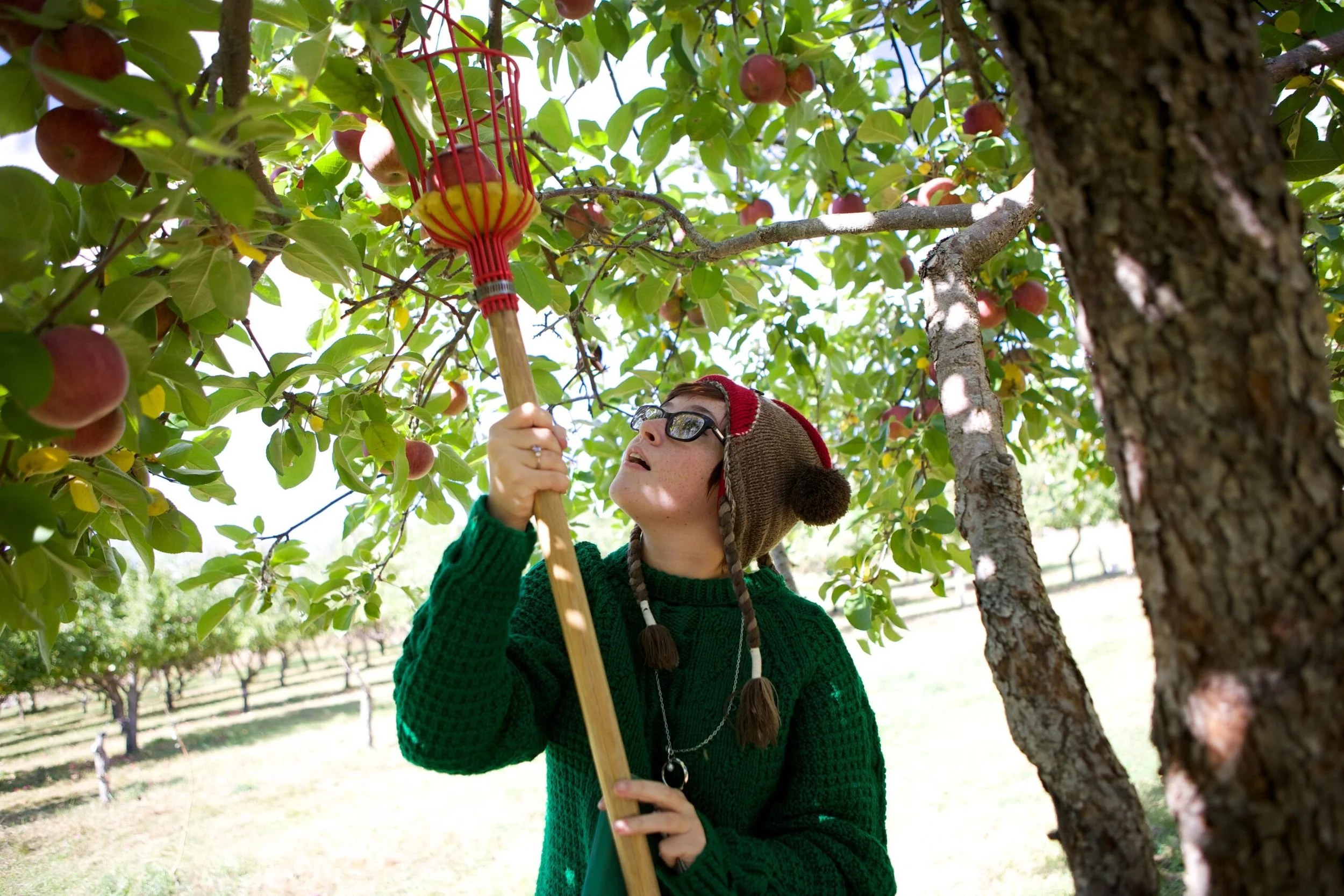
Apple Acres in Maine primarily refers to Apple Acres Farm, a historic pick-your-own orchard located in Hiram, Maine, as well as the broader expanse of commercial and family-owned apple acreage across the state. Apple Acres Farm offers fresh heirloom and popular apple varieties, famous cider donuts, farm-to-table dining, and sweeping views of the White Mountains during the autumn harvest season.
Understanding Apple Acres: The Iconic Hiram Orchard and Maine’s Apple Heritage
When visitors search for "Apple Acres in Maine," they are typically looking for Apple Acres Farm, situated on high ground in South Hiram, Maine (Oxford County), or seeking to understand the scope of Maine’s extensive apple-growing acreage.
Maine’s agricultural landscape boasts thousands of acres dedicated to tree fruit, supported by ideal soil conditions, warm late-summer days, and crisp autumn nights that enhance both fruit color and sugar concentration (Brix levels). Apple Acres Farm stands out as a quintessential destination within this landscape, combining traditional pick-your-own (U-Pick) harvesting with agritourism amenities, culinary offerings, and ecological orchard management.
The orchard in Hiram sits elevated along Durgintown Road, providing panoramic vistas of the surrounding Saco River Valley and the distant White Mountains. Beyond its scenic location, the farm represents a longstanding tradition of New England apple culture, where families gather from late August through October to harvest fresh fruit directly from the branches.
| Property | Details |
|---|---|
| Location | South Hiram, Maine |
| Features | • Pick-Your-Own (U-Pick) Orchards• Farm Market & Bakery (Fresh Cider Donuts, Pies, Preserves)• On-Site Bistro & Hard Cider Tasting• Panoramic Views of the White Mountains |
Understanding the distinction between visiting a specific property like Apple Acres Farm and exploring the broader network of orchards across Maine helps travelers plan the ideal fall itinerary based on location, apple variety preferences, and desired farm activities.
The Apple Acres Farm Experience in Hiram, Maine
Apple Acres Farm in Hiram has built a strong reputation as a community hub and regional tourist attraction. The farm balances classic agricultural practices with modern community events, offering an immersive day trip for residents and out-of-state visitors alike.
Orchard Layout and Pick-Your-Own Operations
The orchard covers expansive sloping acres, meticulously organized by apple variety to optimize ripening schedules and guest navigation. Visitors arriving during harvest season are provided with designated picking bags—typically sold by the peck or half-bushel—and guided toward the specific rows open for harvest on that day.
- Tree Architecture: The farm features a mix of traditional full-standard trees and modern semi-dwarf plantings. Semi-dwarf trees allow easier hand-picking from ground level, making the experience accessible for young children and older adults without requiring ladders.
- Farming Philosophy: Apple Acres Farm emphasizes sustainable orchard management, using Integrated Pest Management (IPM) practices to minimize chemical inputs while protecting native pollinators and soil health.
The Farm Market, Bakery, and Dining
The on-site farm store acts as the focal point of the property outside the picking rows. The bakery is particularly famous for its daily baked apple cider donuts, prepared using fresh sweet cider pressed from orchard-grown fruit.
Beyond donuts, the store offers:
- Fresh-Baked Goods: Apple pies, turnovers, crisps, and seasonal specialty pastries.
- Local Artisan Products: Maine maple syrup, raw honey, local cheeses, jams, jellies, and craft cider.
- The Bistro & Taproom: A seasonal café setting where guests can order farm-fresh lunches, craft beers, and hard ciders, enjoying their meals on outdoor picnic tables overlooking the fruit trees.
Overview of Maine’s Broader Apple Acreage and Growing Regions
While Apple Acres Farm in Hiram is a prime destination, Maine as a whole is home to over 7,500 acres of commercial apple orchards spread across distinct geographical microclimates. The state's apple industry contributes tens of millions of dollars to the local economy annually, according to data maintained by the Maine Department of Agriculture, Conservation and Forestry.
- Maine Apple Production Overview
- Total Commercial Acreage: ~7,500–8,000 Acres
- Primary Counties: York, Oxford, Cumberland, Kennebec, Androscoggin
- Top Commercial Variety: McIntosh (~50% of total yield)
- Key Harvest Window: Late August through Late October
Key Apple-Growing Districts in Maine
- Southern Maine (York and Cumberland Counties): Benefiting from slightly milder coastal temperatures, orchards in towns like Sanford, Limington, and Cape Elizabeth often kick off the harvest season early. These farms cater heavily to the Portland metropolitan area and weekend visitors from New England.
- Western Mountains (Oxford and Androscoggin Counties): Home to Hiram (Apple Acres Farm), Turner, and Sweden, this region features higher elevations and dramatic diurnal temperature shifts. These cold autumn nights yield exceptionally crisp fruit with high skin coloration.
- Central Maine & Kennebec Valley: Regions surrounding Monmouth, Manchester, and Augusta feature historic rolling orchards known for large-scale commercial production and cider pressing facilities.
Soil and Climate Dynamics
Maine's agricultural success with tree fruit relies heavily on glacial till soils, which provide excellent natural drainage essential for apple tree root systems. The state's northern latitude delivers high solar radiation during summer months, followed by cool autumnal air. This temperature differential triggers anthocyanin production in the fruit skin, creating deep red pigmentation in classic cultivars like McIntosh and Macoun while locking in crisp flesh texture.
Detailed guidance on tree fruit health, soil testing, and backyard orchard maintenance is made available through the University of Maine Cooperative Extension, which serves as a key resource for commercial growers and home orchardists across the state.
Apple Varieties Grown Across Maine Orchards
The selection of apples available at Apple Acres Farm and throughout Maine varies significantly based on the week of harvest. Orchards select cultivars to ensure a continuous yield from late August through late October.
- Seasonal Apple Ripening Timeline (Maine)
- Early Season (Late August to Early September)
- Paula Red
- Zestar!
- Ginger Gold
- Mid-Season (Early September to Early October)
- McIntosh
- Cortland
- Gala
- Honeycrisp
- Macoun
- Empire
- Late Season (Early October to Late October)
- Northern Spy
- Baldwin
- Golden Russet
- Early Season (Late August to Early September)
Early-Season Varieties (Late August to Early September)
Early-season apples arrive while summer heat lingers. They are crisp and refreshing, best enjoyed fresh off the tree, though they generally have a shorter storage life than mid- or late-season varieties.
- Paula Red: Mildly tart with a firm texture; ideal for early-season snacking and applesauce.
- Zestar!: A modern cold-hardy variety offering a sweet-tart flavor profile with a distinct crisp crunch.
- Ginger Gold: A smooth, yellow-skinned apple with a sweet, mild flavor and firm white flesh.
Mid-Season Varieties (Mid-September to Early October)
Mid-season marks the peak of traditional Maine apple picking. During this period, orchards see their highest foot traffic as flagship New England varieties reach optimal sugar levels.
- McIntosh: The quintessential New England apple. Highly aromatic, tender-fleshed, and perfectly balanced between sweet and tart. It remains the most widely planted variety across Maine acreage.
- Cortland: A descendant of the McIntosh, Cortlands are larger, firmer, and famously resistant to browning when sliced. They are prized for salads, baking, and fresh eating.
- Honeycrisp: Known for its explosive crunch and juicy, balanced flavor. Honeycrisp requires precise harvest timing and commands premium pricing at farm stands.
- Macoun: A cross between McIntosh and Jersey Black, offering a dense, snow-white flesh with subtle floral and berry notes. Exceptional for fresh eating.
Late-Season and Heirloom Varieties (Mid to Late October)
Late-season varieties benefit from exposure to light frosts, which concentrate sugars and extend post-harvest storage capability well into winter.
- Northern Spy: A classic heirloom baking apple. Dense, tart, and snap-crisp, holding its structural integrity exceptionally well in pies and tarts.
- Baldwin: Historically New England's most important commercial apple prior to the severe freeze of 1934. It is extremely hard, sweet-tart, and ideal for cider making and winter storage.
- Golden Russet: Known as the "champagne of cider apples," featuring rough, golden-brown skin, high sugar content, and complex tannic flavor profiles perfect for both fresh juice and hard cider fermentation.
Comparative Guide to Top Maine Apple Orchards
To help visitors compare destination orchards across the state, the following matrix highlights key operational features, location details, and core attractions for major Maine apple destinations, including Apple Acres Farm.
| Orchard Name | Town / County | Primary Varieties Grown | Key Amenities & Attractions | Peak Visiting Window |
|---|---|---|---|---|
| Apple Acres Farm | Hiram (Oxford) | McIntosh, Cortland, Honeycrisp, Heirloom varieties | Bakery (cider donuts), Bistro, Mountain views, Hard cider | Mid-September to Mid-October |
| Ricker Hill Orchards | Turner (Androscoggin) | McIntosh, Honeycrisp, Cortland, Empire | Hard cider tasting room, Disc golf, Farm activities, Bakery | Early September to Late October |
| Pietree Orchard | Sweden (Oxford) | Macoun, Honeycrisp, Gala, Northern Spy | Brick-oven pizza, Farm stand, Pick-your-own berries/apples | Mid-September to Mid-October |
| McDougal Orchards | Sanford (York) | Paula Red, Cortland, Macoun, Spencer | Historic farm, Wagon rides, Corn maze, Donut shack | Late August to Mid-October |
| Lakeside Orchards | Manchester (Kennebec) | McIntosh, Cortland, Honeycrisp, Macoun | Large farm market, Bakery, Cider mill, Wholesale store | Early September to Late October |
Visitor Guide: Planning Your Trip to Apple Acres in Maine
Visiting an apple orchard in Maine requires a bit of practical preparation, especially during peak harvest weekends in mid-to-late September.
- Visitor Preparation Checklist
- Check Orchard Ripening Schedules Online
- Arrive Early (Before 10:00 AM on Weekends)
- Wear Sturdy, Closed-Toe Footwear
- Bring Layered Clothing for Mountain Winds
- Review Orchard Pet Policies Before Traveling
Picking Mechanics and Etiquette
To protect fruit trees and ensure orchard sustainability for future seasons, visitors should follow proper harvesting protocols:
- The "Roll and Twist" Method: Avoid pulling downward on an apple, which can tear the fruit spur off the branch and eliminate fruit growth on that spot for future years. Instead, gently lift the bottom of the apple upward and twist gently; a ripe apple will separate effortlessly from the branch.
- Respect Tree Health: Do not shake branches to dislodge fruit. Apples that fall to the ground (groundfall) can bruise easily and are often off-limits for public gathering due to food safety protocols.
- Pay Attention to Row Signs: Orchards clearly mark which rows are open for U-Pick based on daily sugar testing. Picking unripe fruit from closed rows damages the yield and results in poor-tasting fruit.
Understanding Quantity Measurements
Farm stands and picking stations categorize quantities using traditional agricultural dry measures:
- Peck (approx. 10–12 lbs): Equivalent to roughly 30–35 medium apples. Ideal for small families or fresh eating for 1–2 weeks.
- Half-Bushel (approx. 20–22 lbs): Holds about 60–70 medium apples. Perfect for baking multiple pies, making fresh sauce, or storing through early winter.
- Full Bushel (approx. 40–45 lbs): Contains around 120–140 apples. Typically chosen by home preservers, serious bakers, or small-scale home cider pressers.
Sustainable Orchard Management and Agritourism Trends
Modern Maine orchards like Apple Acres Farm operate within a changing agricultural climate. Growing fruit sustainably in northern New England involves balancing economic viability with environmental stewardship.
| Practice | Description |
|---|---|
| Integrated Pest Management (IPM) | Uses weather monitoring and biological controls to minimize synthetic chemical sprays. |
| Pollinator Habitat Protection | Maintains wildflower corridors between orchard blocks to support native bee populations essential for spring blossom pollination. |
| Soil Health & Cover Cropping | Establishes clover and grass rows to prevent erosion, improve water retention, and fix natural atmospheric nitrogen. |
Agritourism Diversification
To maintain financial stability despite unpredictable weather events (such as late spring frosts or heavy rainfall), orchards have diversified their offerings:
- Value-Added Culinary Products: Converting surplus or cosmetically imperfect fruit into high-value items like hard cider, apple cider vinegar, specialized preserves, and fresh donuts.
- Event Venues and Seasonal Dining: Utilizing farm grounds for autumn weddings, live music series, farm-to-table dinners, and educational farm tours.
- Direct-to-Consumer Directory Connections: Many orchards partner with agricultural organizations such as Real Maine, the state's official agricultural branding program, to connect consumers directly with local producers.
Frequently Asked Questions
Where is Apple Acres Farm located in Maine?
Apple Acres Farm is located at 363 Durgintown Road in South Hiram, Maine (Oxford County). It is situated in western Maine, approximately one hour northwest of Portland and close to the New Hampshire border.
When is the best time of year to pick apples in Maine?
Peak apple picking season in Maine generally runs from mid-September through early October. Early varieties ripen in late August, while late-season storage apples remain available through late October.
What are the most popular apple varieties grown at Maine orchards?
McIntosh is the dominant commercial variety in Maine, followed closely by Cortland, Honeycrisp, Macoun, and Gala. Many orchards, including Apple Acres Farm, also cultivate traditional heirloom varieties like Northern Spy and Golden Russet.
Are pets allowed at Apple Acres Farm and other Maine orchards?
Pet policies vary widely across individual farms due to food safety regulations. Some orchards permit leashed dogs in designated outdoor seating areas, while restricting pets from entering active picking rows where fruit is gathered. Visitors should always check an orchard's specific pet policy before arriving.
How should freshly picked Maine apples be stored at home?
Fresh apples store best in a cold, humid environment—ideally in the crisper drawer of a refrigerator kept between 32°F and 38°F. Stored properly, firm mid- and late-season varieties like Cortland, Honeycrisp, and Northern Spy can stay crisp for several weeks to months.
Recommended Next Steps for Your Visit
To get the most out of your outing to Apple Acres Farm or any of Maine's scenic fruit orchards, plan your trip carefully ahead of time:
- Check Daily Harvest Conditions: Visit the farm's official social media pages or website on the morning of your trip to confirm which specific rows are open for U-Pick and verify farm store hours.
- Timing Your Visit: Plan to arrive before 10:30 AM on autumn weekends to secure parking, avoid peak crowds at the bakery counter, and enjoy cooler picking temperatures.
- Pack Appropriate Gear: Wear sturdy, closed-toe shoes suitable for walking on uneven terrain and grass. Bring reusable tote bags or crates to safely transport your picked fruit bags home in your vehicle without bruising.