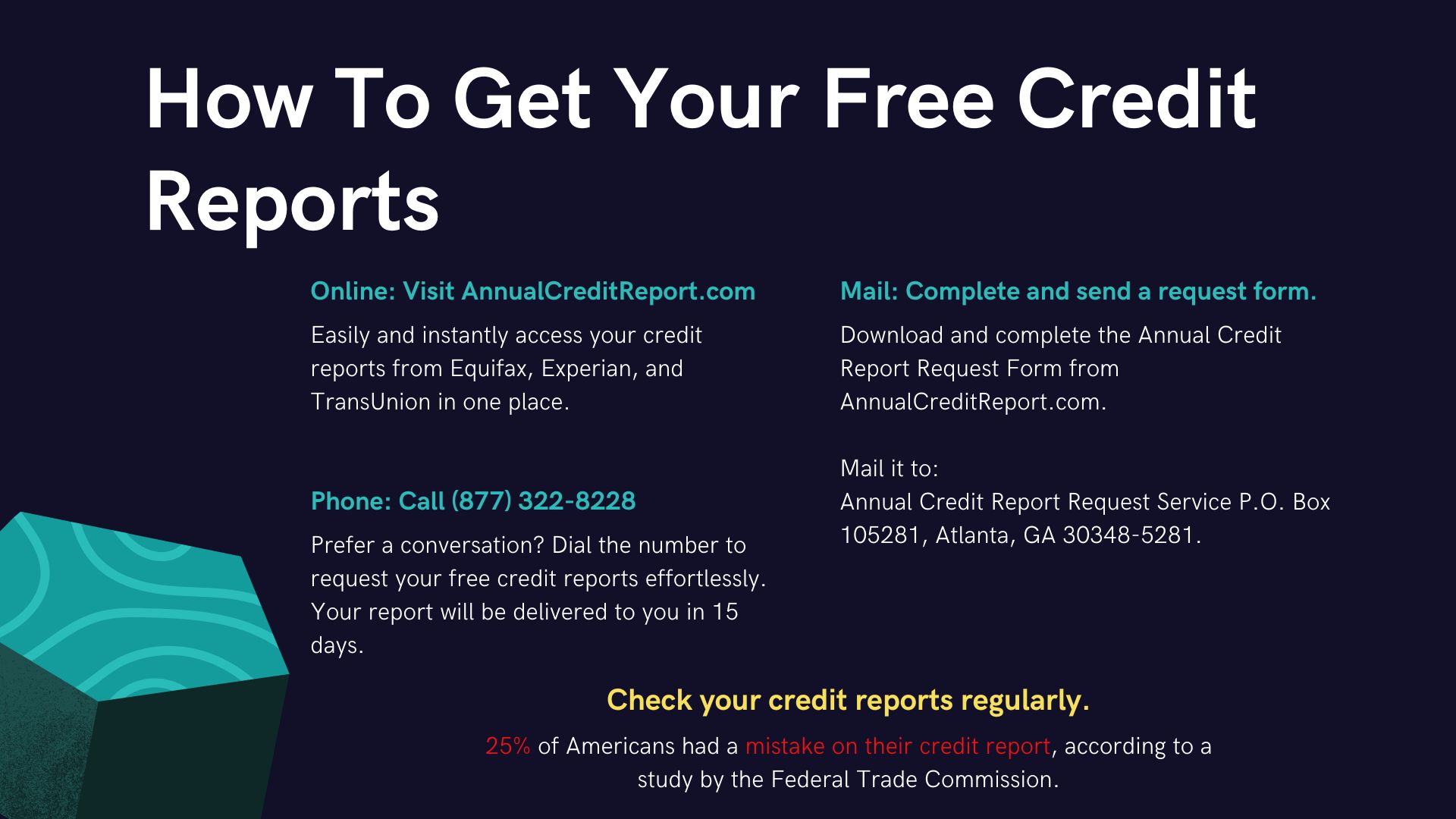
Yes, you are entitled to a free credit report from each of the three nationwide credit reporting agencies—Equifax, Experian, and TransUnion—every week. Through the official centralized source established by federal law, you have the right to monitor your credit history at no cost, allowing you to identify potential errors, signs of identity theft, or areas for financial improvement without incurring fees.
Understanding Your Right to Credit Information
In the United States, your access to credit information is protected by the Fair Credit Reporting Act (FCRA). This federal law mandates that the primary credit reporting bureaus provide consumers with the means to review the data collected about their financial behavior. Historically, this access was limited to one report every twelve months. However, in response to evolving digital security needs and the economic necessity of consumer financial literacy, these provisions have been expanded.
As of 2026, the nationwide credit reporting agencies have maintained a permanent provision allowing consumers to request their credit reports on a weekly basis at no charge. This is a significant consumer right, as your credit report serves as the foundation for the credit scores that lenders, landlords, insurers, and even potential employers use to evaluate your financial reliability.
The Role of the Centralized Request Portal
While you may be tempted to search for credit monitoring services via third-party websites, it is critical to use the singular, government-sanctioned portal to ensure security and eliminate hidden costs. The website AnnualCreditReport.com is the only authorized source for obtaining the free credit reports mandated by the FCRA.
When you access this portal, you are not signing up for a trial that transitions into a paid subscription, nor are you agreeing to complex terms of service that might compromise your data privacy. The site is designed to facilitate the distribution of the reports you are legally entitled to receive. By utilizing this platform, you bypass the marketing funnels often associated with "free credit score" websites, which frequently use your data for advertising purposes or upsell you into paid identity theft protection plans.
How to Request Your Free Reports
The process of obtaining your reports is standardized and accessible. You do not need to pay a fee or provide credit card information to verify your identity.
- Visit the Authorized Source: Navigate to AnnualCreditReport.com. Ensure the URL is spelled correctly to avoid phishing sites that mimic the official service.
- Verify Your Identity: You will be prompted to provide personal information, including your full legal name, current address, Social Security number, and date of birth. You may also be asked to answer security questions based on your financial history, such as the name of a mortgage lender or a previous residential address.
- Select Your Reports: You have the option to request reports from one, two, or all three bureaus at once. It is generally recommended to request all three periodically to identify discrepancies between the agencies, as they do not always receive the same information from creditors.
- Review and Download: Once verified, the agencies will display your report. You can view them online or download them as PDF files. Ensure you save these in a secure, encrypted location on your device or print them for your records if you prefer physical documentation.
Distinguishing Between Credit Reports and Credit Scores
A common point of confusion is the difference between a credit report and a credit score. Your entitlement under the FCRA covers your credit report, which is a detailed summary of your credit accounts, payment history, public records (such as bankruptcies), and recent inquiries into your credit.
A credit score is a mathematical model—such as those produced by FICO or VantageScore—that analyzes the data within your report to generate a three-digit number representing your credit risk. While many banks and credit card issuers now provide free credit scores as a courtesy to their customers, you are not strictly entitled to a free credit score by federal law in the same way you are entitled to your credit report. Always check if you are looking at the comprehensive underlying data or merely a numerical estimation when evaluating your financial health.
Comparing Methods of Credit Access
To manage your expectations regarding your rights and the available services, consider the following comparison of methods used to access your financial data.
| Method | Cost | Frequency | Legal Entitlement | Privacy Risk |
|---|---|---|---|---|
| AnnualCreditReport.com | Free | Weekly | Yes (FCRA Mandated) | Very Low |
| Bank/Credit Card Apps | Free | Monthly | Voluntary Service | Low |
| Credit Reporting Bureaus | Paid | On-Demand | Yes (Additional copies) | Low |
| Third-Party "Free" Sites | "Free" | Variable | No | High (Data Sharing) |
Troubleshooting Common Access Issues
Occasionally, you may encounter difficulty accessing your reports through the online portal. This often happens due to a mismatch in the records the bureaus hold versus the information you provided.
- Security Question Failures: If you fail the identity verification questions, it is typically because the information on file with the bureau is outdated or entered slightly differently than how they have it stored. Ensure you are using your full middle name if applicable, or check your official tax documents to confirm how your address is listed.
- Frozen Credit: If you have placed a security freeze on your credit reports to prevent identity theft, you may need to temporarily lift the freeze to access your own reports. Follow the instructions provided by the respective bureau's website to lift the freeze, complete your request, and re-apply the freeze afterward.
- Missing Information: If one bureau cannot produce a report, it may be because you have a "thin file"—meaning you have very little or no active credit history. In this case, you may need to contact the bureau directly via phone or mail to verify your identity through the submission of government-issued identification documents.
Identifying Errors and Disputes
Once you have obtained your report, the primary purpose is to ensure the data is accurate. Credit bureaus receive information from thousands of disparate sources, including banks, utility companies, and public courts. Errors can and do happen.
If you find an item that is incorrect—such as an account you did not open, a payment listed as late when you paid on time, or an incorrect personal address—you have the right to dispute that information. Every credit bureau provides an online dispute mechanism. When you file a dispute, the bureau is legally required to investigate your claim, usually within 30 days. They must then contact the organization that provided the data (the "furnisher") to verify the accuracy of the item. If the furnisher cannot verify the information, the bureau must correct or delete the inaccurate data.
When to Request Your Reports
While you can check your credit weekly, this might be overkill for many consumers. A balanced strategy is to check your reports every four to six months. This allows you to track changes, observe the impact of your payment behaviors, and catch potential identity theft early. If you are planning a significant financial move, such as applying for a mortgage or an auto loan, request your reports from all three bureaus at least three months in advance. This lead time provides enough room to resolve any lingering errors that could negatively influence the terms of the credit you are seeking.
Frequently Asked Questions
Does checking my own credit report lower my credit score? No. Checking your own report is considered a "soft inquiry." Unlike "hard inquiries," which occur when a lender reviews your credit for a lending decision, soft inquiries are not visible to other lenders and have zero impact on your credit score.
Why do I see three different reports? Each of the three nationwide credit reporting agencies—Equifax, Experian, and TransUnion—operates independently. Creditors are not required to report information to all three, and some may report to only one or two. Consequently, the data—and the resulting credit scores—can differ significantly between the three reports.
Can I get my report by phone? Yes. You can request your reports by calling 1-877-322-8228. This is the centralized toll-free number managed by the bureaus to support the federally mandated free report program. You will be asked to provide your personal information via the automated system.
What happens if I forget my login for the credit bureau websites? The bureaus have distinct account management systems. If you cannot access an account you created for direct monitoring, use the "forgot password" or "account recovery" tools on the specific bureau's website. If you are using the centralized AnnualCreditReport.com portal, you generally do not need a persistent login; you simply verify your identity at each visit.
Is there a way to get my report in a language other than English? The official portal, AnnualCreditReport.com, is primarily provided in English and Spanish. If you require further assistance or reports in other formats, contact the individual credit bureaus directly; they are required to provide reasonable accessibility accommodations.
Next Steps for Consumers
If you have not checked your reports in the last year, make it a priority to visit AnnualCreditReport.com today. Verify that all your personal information is correct and that the accounts listed are truly yours. If you find errors, initiate the dispute process immediately. Taking control of your credit report is the most effective way to ensure your financial reputation remains an asset rather than a liability in 2026 and beyond.